





Introduction
Lucca, a compact art-and-history town tucked away in Tuscany, is a place where religious traditions blend seamlessly into everyday life. Surrounded by Renaissance walls that today serve as a shaded promenade, Lucca has a rich liturgical and festive calendar: solemn processions, patronal feasts, vigils and musical celebrations that draw both the faithful and curious visitors looking for authentic atmosphere. Wandering the cobbled lanes scented with coffee and pastry and stumbling — almost by chance — upon a procession moving through Piazza San Michele or Piazza San Martino is a deeply immersive experience, mixing sacred art, popular devotion and architectural heritage.
In this article I’ll take you through the major religious events and processions in Lucca, with practical information (exact addresses, typical times, prices when relevant), sensory descriptions, and local tips to make the most of each event without disturbing the devotion. You’ll also find pointers to the main places of worship — the Cathedral of San Martino, the Basilica of San Frediano, the church of San Michele in Foro — and how these monuments come alive during religious festivals.
Whether you’re a believer, a fan of sacred music, a photographer hunting for golden light on a medieval mosaic, or simply a curious traveler, this guide will help you plan your stay in Lucca year-round. We’ll cover not only how the celebrations unfold (procession routes, key moments, ritual gestures) but also concrete advice: where to stand to see a procession, how to dress respectfully, which transport to choose, and what to book in advance for high-demand events like the Festa di San Paolino or the Luminara.
Finally, for every place mentioned you’ll find the full address plus opening times and admission guidance for tourist visits, so you can combine cultural visits with participating in rituals. Lucca retains that rare quality of being both intimate and solemn — its religious festivals are at the heart of that character. Follow the guide.
 Click here to book a private guided tour of Lucca
The Major Places of Worship in Lucca: Where Processions Happen
To understand Lucca’s processions you need to know the main start and end points — those monuments that become stage and backdrop. Three churches dominate the religious landscape:
-
Cathedral of San Martino (Duomo di San Martino)
Address: Piazza San Martino, 55100 Lucca LU, Italia.
Description: The cathedral, founded in the 6th century and altered through the ages, houses the famous « Volto Santo » (the Holy Face) — a wooden carved crucifix that draws both devotion and curiosity. The sober exterior contrasts with an interior rich in chapels and works of art. During processions the façade becomes a focal point where the faithful gather. -
Basilica of San Frediano
Address: Piazza San Frediano, 55100 Lucca LU, Italia.
Description: Its façade, decorated with a gilded Byzantine-style mosaic, draws the eye from the square. Services and some neighborhood processions often start at San Frediano, where the acoustics highlight polyphonic singing. -
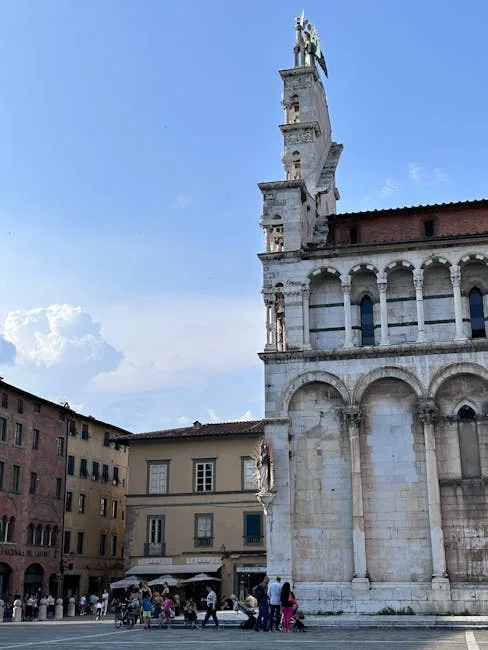
Church of San Michele in Foro
Address: Piazza San Michele, 55100 Lucca LU, Italia.
Description: Set on the city’s ancient Roman forum, San Michele is a frequent backdrop for street processions that follow Via Fillungo. Its loggia and sculptures create a spectacular setting for processionary corteges.
Indicative opening times and admission (check locally or online since times vary by feast):
– Cathedral of San Martino: generally open 09:30–18:00; entrance to the nave is free, museum and baptistery tour about €3–5; special visits to the Volto Santo and the treasury may have restricted hours.
– Basilica of San Frediano: usually open 08:30–12:30 and 15:00–18:30; most services are free, sometimes a small fee for guided visits (€2–4).
– San Michele in Foro: often open 10:00–19:00; some areas may be closed during services. Entry is typically free.
Practical tip: during major feasts some churches close to tourists to prioritize ceremonies; check notices on the doors and obey the instructions of church volunteers. Dress respectfully (covered shoulders, no very short shorts) if you plan to enter a sacred space.
Click here to explore San Martino, San Frediano and the town centre
The Festa di San Paolino: The Patronal Feast at the Heart of Town
The Festa di San Paolino, celebrated on June 27 in honor of Lucca’s patron saint, is arguably the city’s most emblematic religious event. San Paolino (Saint Paulinus of Nola), whose relics have long been venerated here, is the focus of devotion and popular celebration. The central hub is the Cathedral of San Martino (Piazza San Martino, 55100 Lucca LU), from which processions and solemn masses depart.
Typical schedule: early morning, a solemn mass attracts locals and municipal authorities; in the afternoon and evening a procession winds through main streets: Piazza San Martino, Via Roma, Via Fillungo, Piazza San Michele, with prayer stops in front of churches and musical pauses along the route. Local confraternities (pious brotherhoods) carry banners, reliquaries and sometimes statues of the saint. The evening may close with an organ recital or sacred music concert.
Cost and access: masses and processions are free and open to everyone. Some side events (paid concerts, street performances) may require a ticket (€5–15). It’s recommended to arrive at least 45–60 minutes before the procession starts to secure a spot along the route.
Practical tips:
– Best vantage points: Piazza San Martino offers views of the Duomo’s façade and the procession entrance; Via Fillungo (the main shopping street) is great for watching banners and costumes up close.
– Getting there: Lucca’s city walls (Passeggiata delle Mura di Lucca) make a good reference point for walking: the historic centre is pedestrian-friendly and easy to navigate on foot. Public parking is available near Porta San Pietro (Via dei Fossi) or Parcheggio del Duomo for those coming by car; daily rates vary (usually €2–3/hour).
– Respect: avoid intrusive filming, leave space for worshippers, and turn off your flash to preserve the nighttime atmosphere.
Click here to attend concerts at the Puccini Festival in Lucca
The Luminara and Holy Week Processions
Lucca lives Holy Week intensely (Settimana Santa), with rites that peak on Good Friday. One of the most photogenic and emotionally charged moments is the Luminara: candlelit processions, vigils and nocturnal marches that bathe medieval façades in a warm, flickering glow. The main streets — Via Fillungo, Piazza San Michele and the area around the Duomo di San Martino (Piazza San Martino, 55100 Lucca LU) — take on an almost theatrical atmosphere.
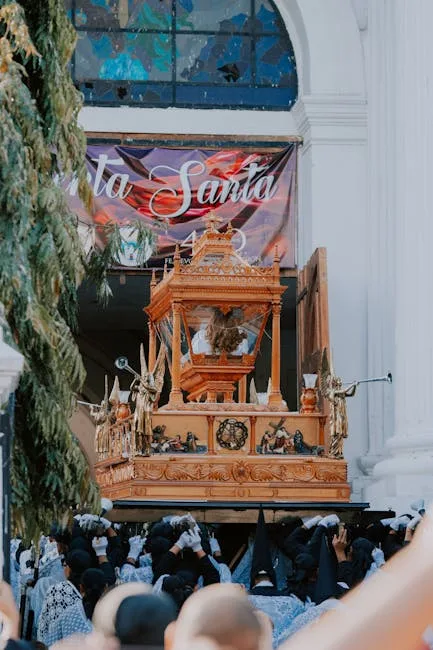
How it unfolds: Holy Week includes practices like the Via Crucis (Stations of the Cross), often reenacted outdoors, and processions carrying statues of the Dead Christ and the Virgin. Local confraternities, sometimes dressed in traditional cloaks, accompany the statues in silence or to the slow beat of drums. Several celebrations start at San Michele in Foro (Piazza San Michele) and proceed to the Duomo in solemn procession.
Times and cost: participating in rites and processions is free. Church services during Holy Week have specific schedules, with masses and vigils often held at night (times vary: vigils typically run 21:00–23:30). If you plan to attend a solemn mass, arrive well in advance: seating fills up quickly.
Practical advice:
– Quiet and sobriety: these ceremonies are contemplative; speak softly and switch off phones as a sign of respect.
– Clothing: choose modest attire and comfortable shoes — many streets are cobbled and waits can be long.
– Photography: flash is inappropriate during night processions; use a high-ISO camera or take photos using ambient light to capture the mood. Some rites ban photography entirely — watch for signs and follow directions from church authorities.
Click here to experience Lucca at night on a guided evening walk
Smaller Processions, Confraternities and Neighbourhood Feasts
Beyond the major events, Lucca is full of smaller neighbourhood processions and local patronal feasts that offer an intimate look at popular piety. The confraternities (local religious brotherhoods) play a key role: they organize processions for celebrations like the feast of Santa Zita (April 27) — a much-loved local saint — or vigils connected to parish saints.
Concrete examples:
– Festa di Santa Zita: Santa Zita, the patron saint of servants and domestic workers, is honoured with a mass and a procession often tied to the Church of San Frediano (Piazza San Frediano, 55100 Lucca LU). The celebration sometimes includes blessings of bread and objects related to household work.
– Neighbourhood feasts: the parishes of San Francesco, Sant’Anna and San Paolino each bring their own local flavor: processions with banners, songs in the Lucchese dialect and small markets on the nearby squares.
Cost and organisation: because these events are community-based, most activities are free. Food stalls usually offer Tuscan specialties — lampredotto, schiacciata, local wines — at reasonable prices (sandwiches €4–8, glasses of wine €2–5). These feasts are also a chance to hear traditional music and see artisan demonstrations.
Local tips:
– Talk to the organizers: volunteers and confraternity members are generally welcoming and happy to explain their history and role; learning a few Italian greetings (Buongiorno, Grazie) helps break the ice.
– Taste the local food: take a culinary break between processions and choose small trattorie around Piazza San Michele and Via Fillungo for authentic, budget-friendly dishes.
– Respect the routes: some streets close to traffic during processions; follow signage and the instructions of municipal staff.
Click here to discover Lucca with a local food tasting
Practical Tips for Visitors: Prepare and Preserve the Experience
Attending religious festivals and processions in Lucca is memorable but requires a bit of planning. Here are practical tips to optimize your visit while respecting the sacred nature of the events:
- Check schedules: procession times can change according to the liturgical calendar; consult the official Comune di Lucca site or local parish pages for detailed times and routes. Services are often scheduled in the mornings and evenings.
- Arrive early: for major processions (Festa di San Paolino, Holy Week) arriving 45–60 minutes before departure helps you find a good spot and avoid the crush.
- Transport and parking: Lucca is compact and the historic centre is largely pedestrian. If you drive, park in peripheral lots (Parcheggio Mazzini, Parcheggio Stava) and walk in. Consider biking or strolling along the walls (Passeggiata delle Mura di Lucca).
- Logistics: bring water, a hat and a small flashlight for night processions. If you’re attending several events in one day, plan coffee or garden breaks to avoid fatigue.
- Responsible photography: respect photo bans during certain rites, avoid flash during vigils and don’t climb barriers or benches to get a better angle.
- Respect beliefs: even if you’re not religious, your presence is welcome; maintain respectful behavior (silence during prayers, don’t interrupt worshippers).
Finally, for a deeper immersion consider a themed guided tour focused on Lucca’s religious rites: several local agencies and official guides offer tours combining art history and liturgical storytelling, sometimes costing €10–20 per person.
Click here to book a walking tour of Lucca’s highlights
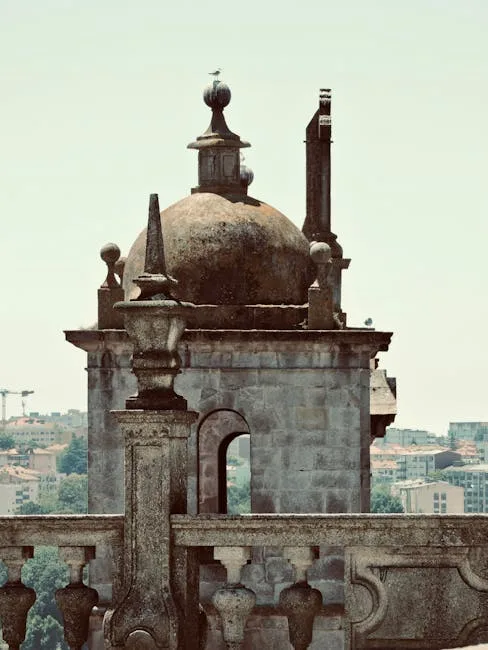
Visiting Lucca Outside Festival Times: Extend the Experience
Even when there’s no big festival, Lucca offers a rich daily religious life: morning masses, choirs, organ concerts at the Cathedral of San Martino, and visits to diocesan museums. These quieter moments let you deepen what you saw during a procession: study a mosaic at San Frediano, read ex-votos in a chapel, or listen to a local organist rehearsing.
Practical visiting times off-season:
– Museum of the Cathedral of San Martino: generally open 09:30–17:30; adult ticket around €5–7.
– Torre Guinigi: Via Sant’Andrea, 55100 Lucca LU; open in high season 09:00–19:00; climb to the top costs €4–6 (excellent views over the city and walls). Full address: Torre Guinigi, Via Sant’Andrea, 29, 55100 Lucca LU, Italia.
– Passeggiata delle Mura di Lucca (City Walls): open 24/7; ideal for a walk before or after a ceremony and to watch processions from an elevated viewpoint.
Strolling outside the big gatherings also gives you time to discover artisans and shops tied to religious festivals: gilding workshops, liturgical supply stores, and pastry shops offering festive treats. Buying local — a small candle, an icon, a blessed bread — is often appreciated by parishioners.
Click here to explore Lucca’s Renaissance walls with a guide
Conclusion
Lucca’s religious festivals and processions are far more than liturgical events: they’re intersections of history, art, community and everyday life. From the solemnity of the Festa di San Paolino to the contemplative devotion of Holy Week, the warm intimacy of neighbourhood feasts and the popular fervor for Santa Zita, each celebration reveals a facet of Lucca’s soul. The monuments — Cathedral of San Martino (Piazza San Martino, 55100 Lucca LU), Basilica of San Frediano (Piazza San Frediano, 55100 Lucca LU), Church of San Michele in Foro (Piazza San Michele, 55100 Lucca LU) — are not mere backdrops: they live, breathe and resonate during processions.
For the traveler, the key is respectful preparation: check official schedules (often on the Comune di Lucca website or parish pages), arrive early, dress and behave appropriately, and favour moments of quiet observation. Admission fees for sites (a few euros for museums or towers like Torre Guinigi) are modest and help preserve the heritage. And enjoying local specialties at the festivals gives a sensory counterpoint to the spiritual side of the events.
Ultimately, Lucca reveals its truest face when you take the time to listen to the bells, follow a procession and let yourself be struck by the golden light that touches mosaics and ancient stones. Whether you come for the Festa di San Paolino, the Holy Week Luminara, or a simple neighbourhood procession, expect to leave with lasting images: banners swaying in the night, polyphonic singing echoing beneath vaults, and the quiet hum of a town that lives its traditions. Lucca invites you to slow down, show respect and contemplate — and its religious festivals are the perfect gateway.