Introduction
Lucca (Lucca in Italian) is one of Tuscany’s best-preserved medieval towns — a treasure of cobbled lanes, quiet piazzas and, above all, an impressive array of religious heritage. If you’re drawn to sacred art, liturgy, ecclesiastical architecture or simply the hush and beauty of devotional spaces, guided religious tours in Lucca are an exceptional way in. These walks explain how faith, politics, art and daily life have been intertwined here for more than a millennium. They also uncover hidden masterpieces: forgotten frescoes, baroque altars, intimate cloisters and marble sculptures that tell pivotal episodes in European religious history.
A religious guided tour in Lucca is more than a checklist of sacred objects; it decodes the symbolism of carved motifs, situates buildings within the urban fabric and traces the lives of locally venerated saints. You’ll learn, for instance, how the Cattedrale di San Martino (Cathedral of Saint Martin) evolved over the centuries or why the façade of the Basilica di San Frediano (Basilica of Saint Fredian) is so richly decorated with Byzantine mosaics. Local guides — often trained in art history or architecture — bring the past alive with anecdotes: rivalries among patrician families, miracles linked to certain reliquaries, and restorations that rescued treasures from ruin.
This comprehensive guide to religious guided tours in Lucca gathers practical information (exact addresses, opening hours, prices), immersive descriptions of the sites and pragmatic tips to make the most of your visit — how to book, which order to follow to avoid crowds, what to wear inside places of worship and the best times of day for photography. It also includes suggested themed routes: Romanesque art, baroque treasures, relics and tombs, or contemplative itineraries for modern pilgrims.
Whether you’re preparing a study trip, a short spiritual retreat or just a day of cultural exploration, this guide will help you get the most out of religious guided tours in Lucca. Practical details — prices in euros, opening times and addresses — are given for each monument to simplify planning. Throughout the article you’ll find visual cues

to help you picture scenes and choose the most suitable photos or visual sources before you leave.
The San Martino Cathedral: Lucca’s Spiritual and Artistic Heart
The Cattedrale di San Martino (Cathedral of Saint Martin) is often the starting point for religious guided tours in Lucca. It sits on Piazza San Martino, 55100 Lucca LU, Italy. With origins dating back to the 7th century, the building underwent major Romanesque and Gothic transformations. Its asymmetrical, sculpted façade, ornate side chapels and the famous « Volto Santo » — a wooden crucifix venerated since the 12th century — make it a focal place for understanding medieval piety and local religious traditions.
Opening hours: generally open Tuesday to Sunday from 9:00 to 18:00 (closes at 16:00 in low season); daily Mass follows the parish calendar (usually 11:00 on Sundays). Entrance fee: access to the cathedral is often free, but visiting the complex and the treasury (including the Volto Santo and some chapels) may require a ticket of €6.00 to €10.00, depending on temporary exhibitions. A guided tour focused on the cathedral’s treasures typically costs around €12.00 per person (indicative); group bookings are recommended.
Immersive description: upon entering you first notice the sense of scale — a luminous nave punctuated by Romanesque columns and Gothic arcades. Guides point out statues and altarpieces, notably the sumptuous altarpiece by Fra’ Bartolomeo and the magnificent « Santa Maria Assunta » in the main chapel. They also recount the legend of the Volto Santo: tradition holds that Nicodemus carved this likeness of Christ and it was miraculously brought to Lucca. Guided visits often include the sacristy and the treasury, where silver reliquaries, illuminated manuscripts and liturgical objects are on display.
- Practical tip: Arrive 15–20 minutes before a guided tour to enjoy a short introduction with plan and historical maps.
- Dress: Simple and respectful; some chapels require shoulders and knees to be covered.
- Photography: Photos are often allowed without flash; check with the guide for restricted areas.
 Click here to discover Lucca with a qualified guide

Opening hours: generally open Tuesday to Sunday from 9:00 to 18:00 (closes at 16:00 in low season); daily Mass follows the parish calendar (usually 11:00 on Sundays). Entrance fee: access to the cathedral is often free, but visiting the complex and the treasury (including the Volto Santo and some chapels) may require a ticket of €6.00 to €10.00, depending on temporary exhibitions. A guided tour focused on the cathedral’s treasures typically costs around €12.00 per person (indicative); group bookings are recommended.
Immersive description: upon entering you first notice the sense of scale — a luminous nave punctuated by Romanesque columns and Gothic arcades. Guides point out statues and altarpieces, notably the sumptuous altarpiece by Fra’ Bartolomeo and the magnificent « Santa Maria Assunta » in the main chapel. They also recount the legend of the Volto Santo: tradition holds that Nicodemus carved this likeness of Christ and it was miraculously brought to Lucca. Guided visits often include the sacristy and the treasury, where silver reliquaries, illuminated manuscripts and liturgical objects are on display.
- Practical tip: Arrive 15–20 minutes before a guided tour to enjoy a short introduction with plan and historical maps.
- Dress: Simple and respectful; some chapels require shoulders and knees to be covered.
- Photography: Photos are often allowed without flash; check with the guide for restricted areas.
Basilica of San Frediano and San Michele in Foro: Mosaics, Facades and Medieval Echoes
The Basilica of San Frediano and the church of San Michele in Foro are two must-see stops for any themed religious tour in Lucca. Close to each other, they offer contrasting dives into sacred architecture: San Frediano impresses with its large façade mosaic and Romanesque massing, while San Michele in Foro delights with its ornate Gothic façade and profusion of sculpted details.
San Frediano is located at Piazza San Frediano, 55100 Lucca LU, Italy. Opening hours: usually open 8:30–12:30 and 15:00–18:30; Sunday Mass around 10:00. Admission: free for worship; guided visits of the church and baptistery about €5.00 per person, with options to combine with other monuments at a reduced rate.
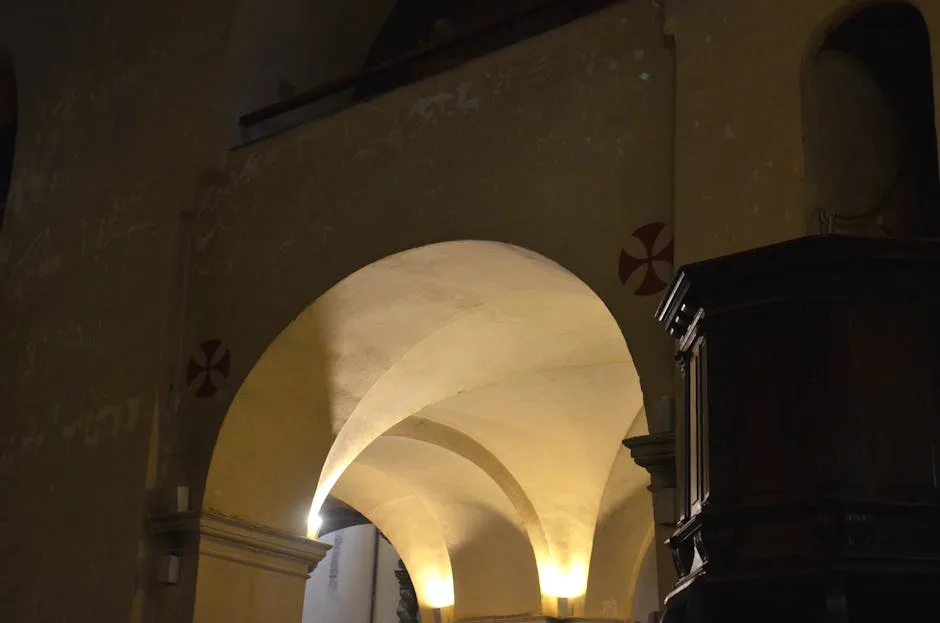
Immersive description of San Frediano: stepping inside you’re wrapped in light filtering across the Romanesque arches and the faint, old scent of stone. The exterior mosaic, depicting the Ascension of Christ, serves as the basilica’s visual manifesto. Inside, medieval pavements remain and the axial chapel contains restored frescoes. Guides tell the story of the eponymous saint, the relics and the architectural changes that reflect shifting sacred tastes in Lucca.
San Michele in Foro is at Piazza San Michele, 55100 Lucca LU, Italy. Opening hours: generally open 9:00–18:00; Masses occur according to the local calendar. Entry: often free, but guided tours with commentary cost around €6.00. Guides highlight the sculpted façade — saints, symbolic animals and floral motifs — as well as the interior layout with its richly decorated chapels.
- Practical tip: Combine these two sites in the morning to catch the low-angle light on the façades — ideal for photography.
- Accessibility: Both churches are largely accessible, but some chapels may be difficult to reach for visitors with reduced mobility.
- Booking: For groups of more than 10 people, reserve guided tours at least 48 hours in advance.
Click here to book a guided tour of San Martino and San Frediano
Lesser-Known Churches and Convents: Hidden Gems to Explore with a Guide
Beyond the headline monuments, Lucca is full of churches and chapels that deserve a guided visit to reveal treasures often invisible to the untrained eye: Mediterranean frescoes, private chapels of patrician families, baroque reliquaries and silent cloisters. Recommended sites include the Abbazia di San Salvatore (open seasonally), the Oratorio di San Giuseppe, the church of San Giovanni Fuorcivitas (Via San Giovanni 25, 55100 Lucca LU, Italy) and the Convento di San Francesco (Piazza San Francesco, 55100 Lucca LU, Italy).
Hours and fees: these sites are often open in the morning and late afternoon, closing during the low-season siesta (12:30–15:00). Private guided tours for these venues tend to be pricier due to restricted access: plan on roughly €15.00 to €25.00 per person, or a fixed group rate of €80.00 for groups up to 20 people. Some religious orders request a voluntary conservation contribution (often €2.00–€5.00).
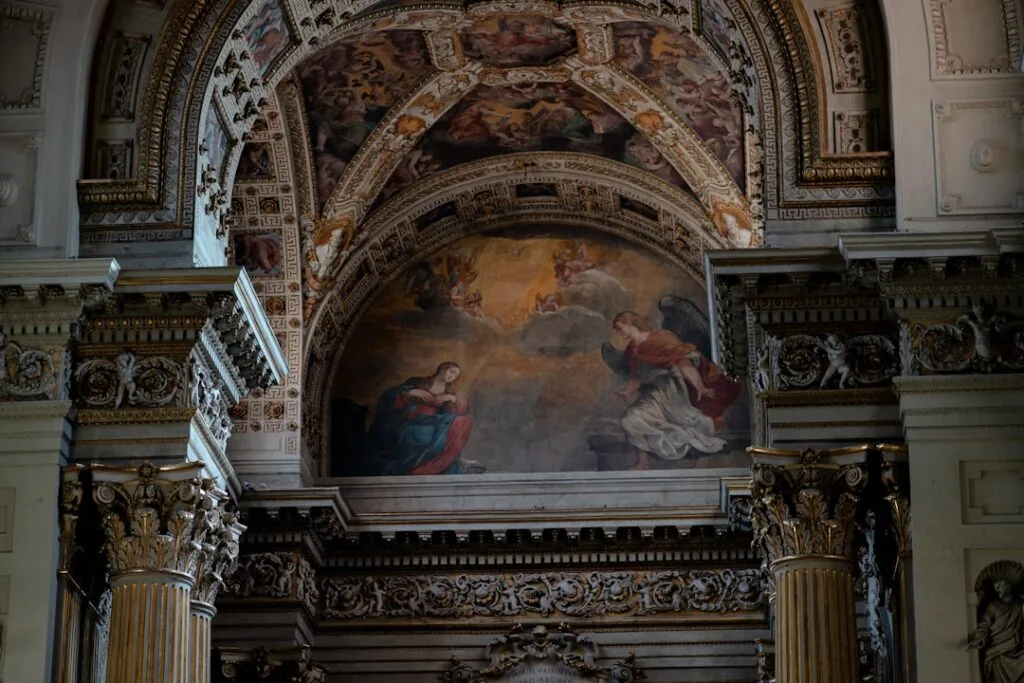
Immersive description: a guided visit to these secondary buildings reveals the intimate richness of Lucca’s religious life — private oratories adorned with stucco, local altarpieces by lesser-known but surprising artists, and parish archives with deeds and inventories that shed light on devotional practices. Guides may occasionally arrange a meeting with a friar or sister, offering a living glimpse of contemporary monastic practice, or grant access to a hidden cloister for a quiet moment away from the crowds.
- Practical tip: Always follow the instructions of religious communities: maintain silence, limit photography and honour requested contributions.
- Best time: Early afternoon for a calmer atmosphere, especially in high season.
- Combinations: Ask local guides about « interior + cloister » circuits that pair a church with a nearby convent for a full day.
Click here to book a private walking tour in Lucca
Religious Museums and Treasures: The Cathedral Museum and the Casa di Puccini
To grasp the material culture of faith in Lucca — reliquaries, manuscripts and liturgical textiles — pair church visits with specialized museums. The Museo della Cattedrale di Lucca (Cathedral Museum) offers a well-curated presentation of works from the Duomo and surrounding sites. Address: Piazza San Martino, 6, 55100 Lucca LU, Italy. Hours: often open 10:00–17:30; closed days vary by season. Admission: standard ticket €8.00; combined cathedral + museum ticket €12.00.
Click here to book a musical visit including the Puccini museum

The Museo Casa Natale di Giacomo Puccini (Puccini’s Birthplace Museum) is located at Piazza Cittadella, 9, 55100 Lucca LU, Italy. Although devoted to the composer, its visit enriches understanding of the religious context because sacred music plays a significant role there (offices, motets, ceremonies). Hours: generally 9:30–18:00; admission: €5.00 to €7.00. Sacred concerts are occasionally held, offering an immersive sound experience of local liturgy.
Immersive description: at the cathedral museum you’ll see silver processional crosses, fragments of embroidered liturgical textiles and medieval scripts, with explanations of their liturgical function and symbolism. Guides discuss conservation techniques and scientific insights (pigment analyses, dendrochronology) that help date and authenticate precious objects. At Puccini’s house, the focus shifts to sacred music and the relationship between artistic creation and Lucca’s religious institutions.
- Practical tip: Buy combined tickets to save money (often available at the ticket office or online).
- Audio guides: Usually available in multiple languages; handy if you prefer to explore at your own pace.
- Concerts and events: Check the schedule for sacred concerts at the Museo Casa Puccini and the cathedral for a fuller sensory experience.
Organizing a Guided Tour: Types of Tours, Booking and Budget
There are several formats for religious guided tours in Lucca: thematic tours (Romanesque art, baroque art), combined routes (cathedral + basilica + museum), private bespoke tours, and « slow » circuits for meditation. Local guides certified by the municipality or cultural associations offer varied packages: standard tour (1–1.5h), in-depth tour (2–3h) and tailor-made visits (half-day or full-day).
Indicative rates:
- Standard guided tour (1h): €12.00 to €20.00 per person.
- Private tour (2h): €80.00 to €120.00 for the group.
- Combined tour (museum + cathedral + basilica): €18.00 to €30.00 per person.
Prices can vary by season (high tourist season: June to September) and around religious holidays (Easter, Christmas), when entry fees and availability shift quickly.
Booking tips: book at least 48–72 hours in advance for private tours; for a standard group tour, 24 hours is often enough. Online bookings through local tourist offices (IAT Lucca) or dedicated platforms provide instant confirmation. When you book, specify your interests (historical, artistic, spiritual) so the guide can tailor the content. Pilgrims can often arrange pick-up at Lucca station or a walking itinerary from the city walls to the main churches.
- Suggested half-day budget: allow between €25.00 and €50.00 per person (including guide, entry fees and a drink).
- Transport: Lucca is compact and easy to explore on foot. Taxis are available but rarely needed in the historic center.
- Languages: Guides in Italian and English are common; French-speaking guides are available on request (book early).
Click here to book a private tour with a local guide in Lucca
Local Practical Tips and Etiquette for Religious Visits
Visiting religious sites requires a bit of etiquette and preparation. Here are practical tips to make your visit respectful and enjoyable.
Dress: cover shoulders and knees in most churches. Avoid wearing hats indoors. For guided tours, wear comfortable shoes — you’ll be walking on ancient and sometimes uneven floors.
Photography: always ask permission before photographing interiors; some chapels or sensitive works may prohibit or limit photography (no flash). Respect areas reserved for worship and avoid lingering during services.
Behavior: speak softly, silence your phone and don’t eat in sacred spaces. If you attend a Mass, observe the local community and follow the flow; visitors are welcome but should respect the devotion of the faithful.
Conservation and safety: don’t touch artworks, don’t lean on sculptures and avoid placing heavy bags on pews. Many institutions ask for a conservation contribution; this small donation is appreciated.
- Health and comfort: bring a small water bottle; interiors can get warm in summer.
- Best time to visit: early morning (9:00–11:00) to avoid groups and enjoy soft light for photos.
- Combine with other activities: after a morning of churches, relax at a café on Piazza San Michele or take a walk on the Lucca city walls for a different perspective.
Click here to book a walking tour of Lucca’s historic center
Sample Guided Itineraries
To help you plan, here are three sample routes — short, half-day and full-day — designed for different traveler profiles.
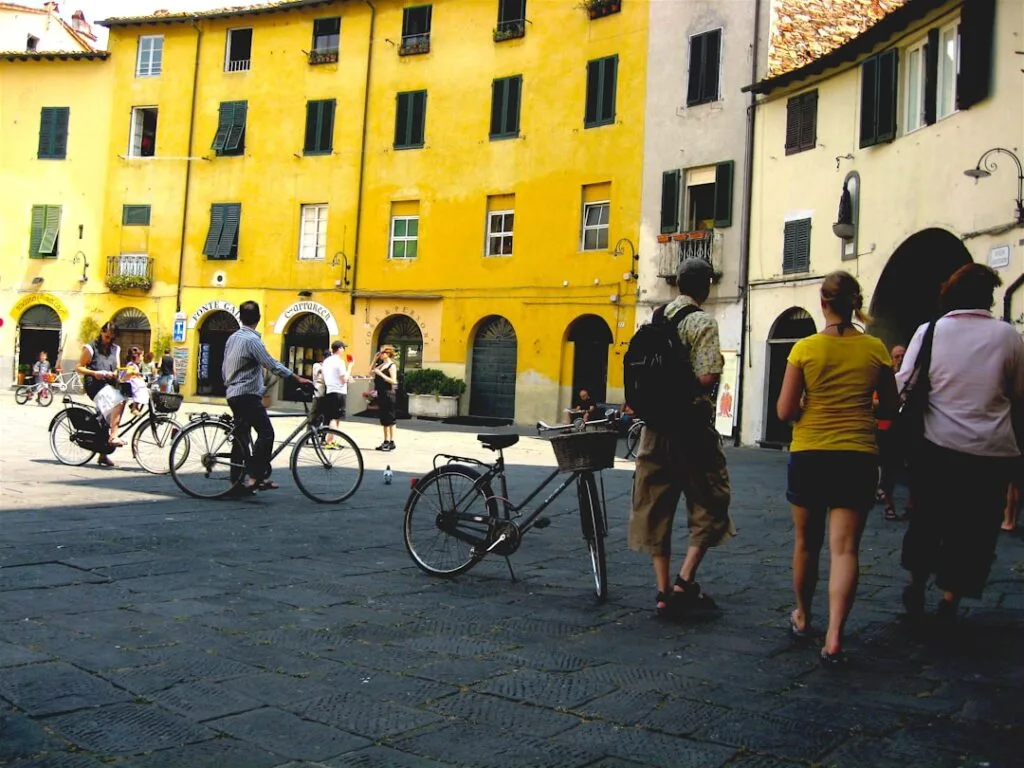
Short itinerary (2 hours):
- Start: Piazza San Martino — exterior and interior visit of the San Martino Cathedral (Piazza San Martino, 55100 Lucca LU, Italy)
- Walk: 5 minutes to San Michele in Foro (Piazza San Michele, 55100 Lucca LU, Italy)
- Finish: Basilica di San Frediano (Piazza San Frediano, 55100 Lucca LU, Italy) — façade tour and mosaic explanation
- Estimated duration: 1.5–2.0 hours. Approximate cost: €12.00–€18.00 per person.
Half-day itinerary (4 hours):
- Cathedral Museum (Piazza San Martino, 6) — visit the treasury €8.00
- San Martino Cathedral — in-depth guided visit
- Church of San Giovanni Fuorcivitas (Via San Giovanni, 25) — frescoes and history
- Coffee break at Piazza San Michele
- Duration: 3.5–4.0 hours. Indicative cost: €20.00–€30.00 per person.
Full-day itinerary (6–8 hours):
- Morning: comprehensive guided visit of the cathedral and museum (combined ticket €12.00).
- Mid-morning: cappuccino and a stroll on Lucca’s city walls.
- Afternoon: visit San Frediano, San Michele in Foro, and a convent (Convento di San Francesco) with cloister access (contributions €5.00–€15.00 depending on the site).
- Evening: possible attendance at a Mass or a sacred concert (ticket prices vary, often €5.00–€15.00).
- Suggested daily budget: between €40.00 and €80.00 per person, depending on attractions and the type of guide.
Click here to book a private day trip to Pisa and Lucca
Conclusion
Religious guided tours in Lucca provide a rich, nuanced experience that connects heritage, spirituality and community life. By wandering through San Martino Cathedral, the Basilica of San Frediano, San Michele in Foro and the many convents and museums, visitors find not only artistic masterpieces but also human stories woven across the centuries. Local guides give life to stone and objects: they turn apparently still elements into living testimony of devotion, conflict and creative expression.
To get the most from a religious visit in Lucca, plan ahead — check opening hours (they can change for religious festivals), book private or group tours in advance, and respect conservation rules and worship etiquette. Budgets are flexible: you can enjoy a rich itinerary reasonably, while more exclusive options exist for those seeking deeper, private access.
Finally, remember that the city itself invites contemplation: a walk on the city walls, a quiet moment in a cloister or a sacred concert in a chapel will add a rare intensity to your experience. Whether you’re an art history enthusiast, a pilgrim searching for meaning or simply curious, Lucca and its religious guided tours offer a memorable journey — a blend of beauty, spirituality and Tuscan hospitality.