





Introduction: A Deep Dive into Lucca’s Musical Soul
Lucca, the compact Tuscan town wrapped in perfectly preserved city walls, has a quietly rich musical life. Known as the birthplace of Giacomo Puccini, Lucca still treasures its musical traditions — and the pipe organ holds a special place in that heritage. Wander the cobbled streets and you’ll feel the echo of old organs at every corner, instruments that have accompanied weddings, solemn masses and public recitals for centuries. Carefully restored, their pipes blend with the warm acoustics of Romanesque and Gothic churches to create deeply immersive, emotional soundscapes.
This guide is a hands-on resource for listening to organ concerts in Lucca: where to go, the best times to attend, how much to expect to pay, how to get there, and what to expect at each venue. You’ll find full names of churches and theaters, exact addresses, typical opening hours, price ranges for concerts and visits, and local tips — from the best listening spots to appropriate behavior during sacred performances. Whether you’re a serious music lover, a fan of early music, a traveler after authentic experiences, or a sound photographer, this guide will help you plan an organ outing that fits the city’s historical pulse.
Hearing an organ in Lucca is more than listening to notes: it’s stepping into places steeped in history — medieval cathedrals, decorated basilicas, small frescoed chapels and sometimes converted concert halls — where light, stone and memory shape the tone. Concerts are sometimes free (funded by associations or parishes), sometimes ticketed (typically €5–€20 depending on the program), and often part of festivals like the Puccini Festival or parish seasons. Besides scheduled concerts, you’ll frequently hear the organ during religious services, a genuine — and often free — alternative. I’ll also share practical tips: the best times to avoid crowds, dress codes for places of worship, transport and parking near sites, and how to make the most of each instrument’s unique acoustics.
Keep in mind that practical details (opening hours, prices, concert dates) change with the season and special events. I recommend checking parish websites, the Teatro del Giglio calendar, or Lucca’s tourist office for up-to-date programs. Now let’s explore the unmissable spots to hear organ music in Lucca, starting with the major churches and then moving to theaters and local initiatives that bring the city to life.
San Martino Cathedral (Cattedrale di San Martino) — liturgical heart and historic organs
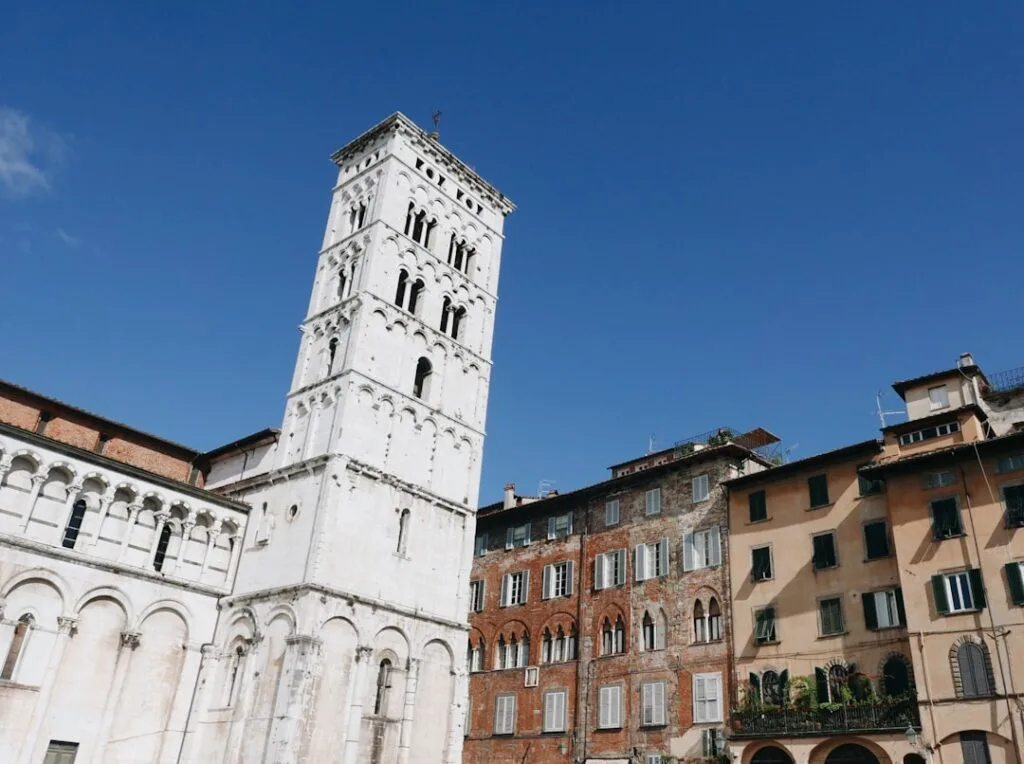
San Martino Cathedral, located on Piazza San Martino, is one of Lucca’s most iconic landmarks. Full name: Cattedrale di San Martino (Duomo di Lucca). Address: Piazza San Martino, 55100 Lucca LU, Italy. Famous for its white-and-grey marble façade and remarkable works of art, the cathedral also houses a historic organ that is regularly used at concerts and services. The nave’s acoustics, with high vaults and closely spaced columns, give a broad, warm resonance to the organ’s bass registers and mixture stops.
Opening hours (indicative): the cathedral is generally open to the public Monday–Saturday from 10:00 to 18:00, and Sunday afternoons after services (hours may vary in high season). Entrance: suggested donation €3–€5 for a visit (concert prices vary, typically €5–€15 depending on the program). Organ concerts there are often aligned with the liturgical calendar or special music events; attending a mass is also a free way to hear the organ.
Immersive description: stepping into the Duomo instantly connects you to history: polished stone, side frescoes and the famous Volto Santo (Holy Face). The organ — sometimes hidden behind grilles — projects its pipes toward the vaults, and each note seems to cling to the gilding and centuries-old walls. San Martino’s organ concerts tend to favor sacred repertoire, Baroque pieces and liturgical improvisations, performed by local organists and invited guests. The contrast between chamber-like registrations and the organ’s full orchestral power is particularly striking here.
Practical tips: arrive 20–30 minutes before the concert starts to visit the cathedral and pick the best listening spot (center of the nave, about halfway to the organ, often offers the best balance). Respect the silence and the religious atmosphere — modest dress is recommended. Check the venue’s policy on photography; many concerts prohibit flash. Parking: Torre del Lago parking or parking via Elisa (Piazza Napoleone is a 5–10 minute walk). For current concert listings, consult the official Cattedrale di San Martino site or Lucca’s tourist office.
San Frediano Basilica — gilded acoustics and concert repertoire
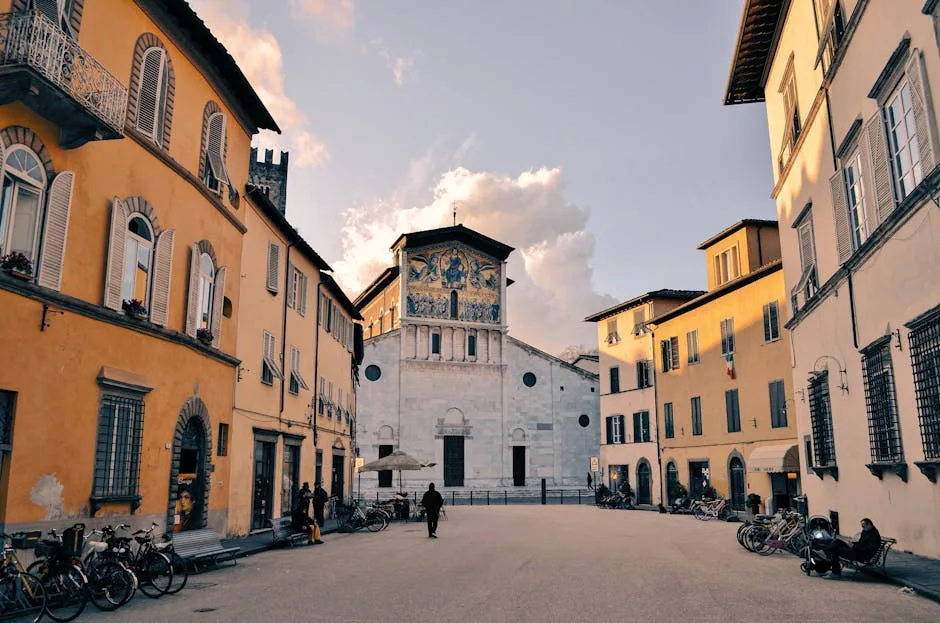
The Basilica di San Frediano sits on the charming Piazza San Frediano. Address: Piazza San Frediano, 55100 Lucca LU, Italy. Famous for its 12th-century exterior mosaic, San Frediano is also a place where the organ speaks in a more intimate setting than the Duomo, yet with a distinctive resonance thanks to its lower vaults and gilded decorations. The instrument is often used for concert cycles dedicated to Italian organ repertoire and themed evenings (Baroque, Romantic, contemporary improvisations).
Opening hours (indicative): the basilica is usually open Tuesday–Sunday from 09:00–12:30 and 15:00–18:30; closed Monday mornings (seasonal variations possible). Entry: the basilica is often free or donation-based, but concerts may cost between €7 and €18 depending on the event. Religious services are a reliable way to hear the organ without a ticket.
Immersive description: the façade mosaic glows in the late sun and draws visitors inside to an interior that is less ostentatious but very welcoming. The organ, positioned to interact with the choir and side chapels, uses its stops to create atmospheres ranging from intimate contemplation to dramatic bursts. San Frediano occasionally programs concerts that combine voice and organ, letting you savor the blend of human timbre and pipe sound.
Practical tips: for a memorable visit, time the exterior mosaic for sunset, when the colors are magnificent, and try to attend an evening concert. Reserve tickets in advance for popular summer and holiday events. Access is easy on foot from within the city walls — Porta San Pietro is a 10–15 minute walk. Note that parts of the basilica may undergo occasional restoration; check accessibility if you’re traveling with a stroller or wheelchair.
San Michele in Foro — organs in a monumental setting
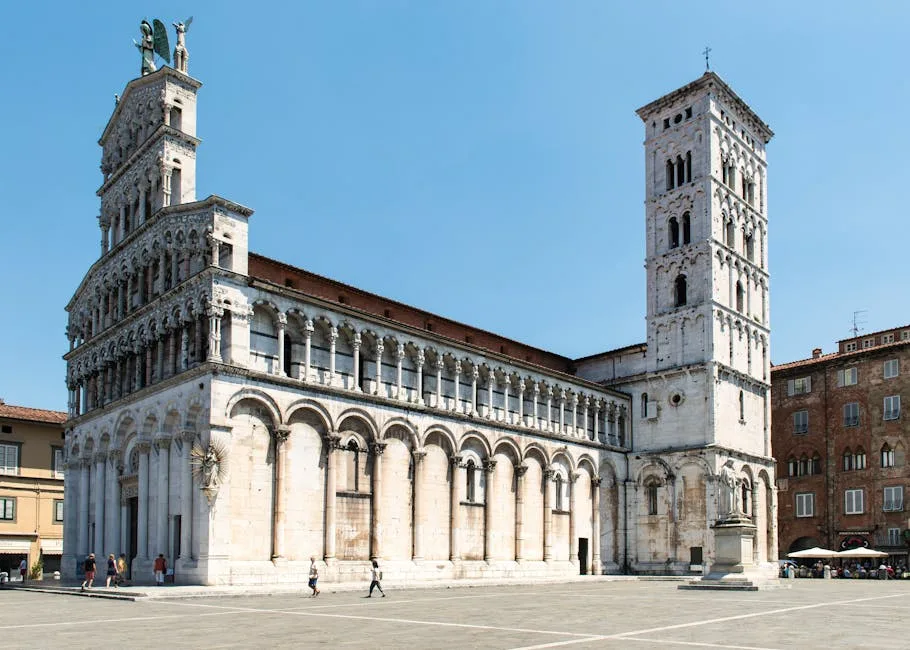
San Michele in Foro, built on the site of the ancient Roman forum, stands on Piazza San Michele. Full name: Chiesa di San Michele in Foro. Address: Piazza San Michele, 55100 Lucca LU, Italy. With its richly sculpted façade and central location, this church hosts the organ for liturgical concerts and music cycles. While the impressive façade faces a lively square, the interior acoustics are well suited both to large-scale works and delicate interpretations.
Opening hours (indicative): typically open to the public from 10:00 to 17:30 (hours vary with season and services). Admission: most visits are free; concerts are ticketed from about €5 to €20 depending on the program. During high tourist season you may find short daytime organ recitals for visitors, while evenings are reserved for longer concerts.
Immersive description: once you pass the heavy door, the church’s restrained interior contrasts with the ornate façade. The organ sits elegantly within the space, and the clear acoustics let you hear bright registrations even from side chapels. Programs range from Bach and Italian masters to contemporary pieces and improvisations based on liturgical themes. After a concert, the piazza is a great place to linger for a drink and soak up the city’s evening energy.
Practical tips: San Michele is easy to reach from anywhere inside the walls; the square has plenty of terraces where you can eat after a concert. Arrive early to enjoy the façade at dusk and to buy tickets if seating is limited. Photographers will love the carved façade at twilight — but remember to follow the venue’s rules about photos during performances.
San Francesco and small chapels: hidden gems for attentive ears
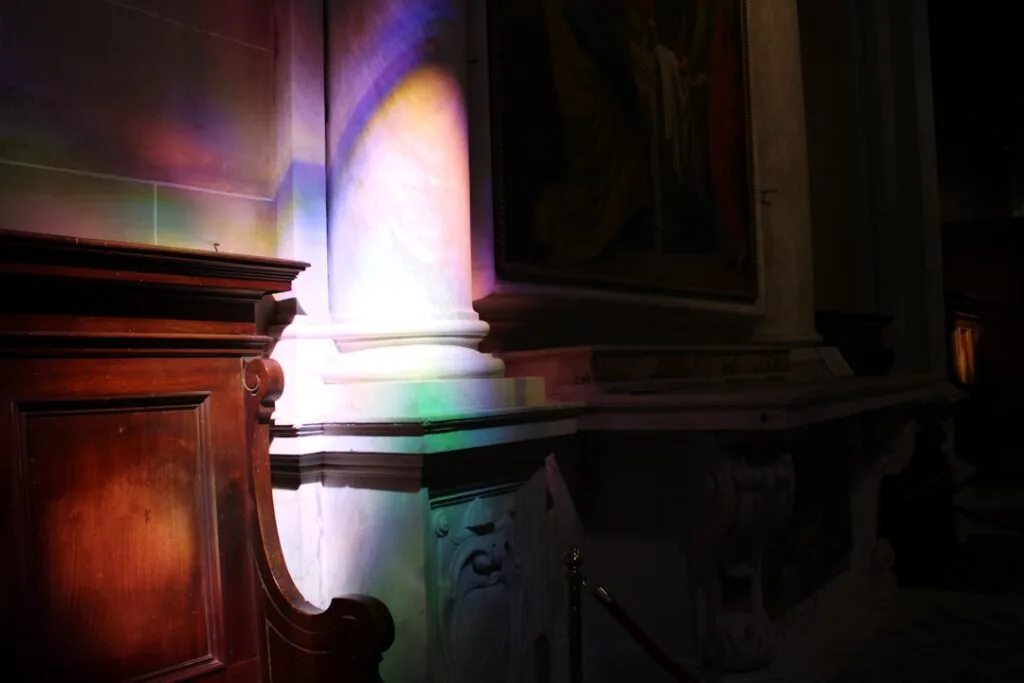
Chiesa di San Francesco and a number of smaller churches and oratories in Lucca offer intimate organ concerts that are often less publicized — perfect for listeners seeking authenticity. Main address: Chiesa di San Francesco, Piazza San Francesco, 55100 Lucca LU, Italy. Other venues to watch for include the Oratorio di Santa Cecilia, Chiesa di San Giovanni e Paolo, and annex chapels of monasteries open to visitors. These spaces sometimes host modest instruments that nonetheless deliver surprisingly fresh, vibrant sound.
Opening hours (indicative): small churches typically open before services (mornings) and for evening concerts; check local notices or parish bulletins for exact times. Prices: most concerts here are inexpensive (€5–€12) or donation-based. Access to services is generally free.
Immersive description: in these compact spaces, every puff of a pipe feels close — the audience’s proximity makes the experience almost chamber-like. Organists exploit flute stops, mutations and small mixtures to paint varied tonal colors despite modest instruments. Chapels often feature local frescoes and rich histories — hearing an organ here can feel like the music is confiding itself to you.
Practical tips: check with Lucca’s tourist office for small-concert schedules. These events usually draw fewer people, but seating is limited — arrive 15–20 minutes early. Be aware that service times can restrict access for non-worshippers; respect silence and dress codes (no short shorts, shoulders covered when a service is underway). For a deeply local experience, prioritize these intimate concerts.
Teatro del Giglio and concert halls — the organ outside the churches
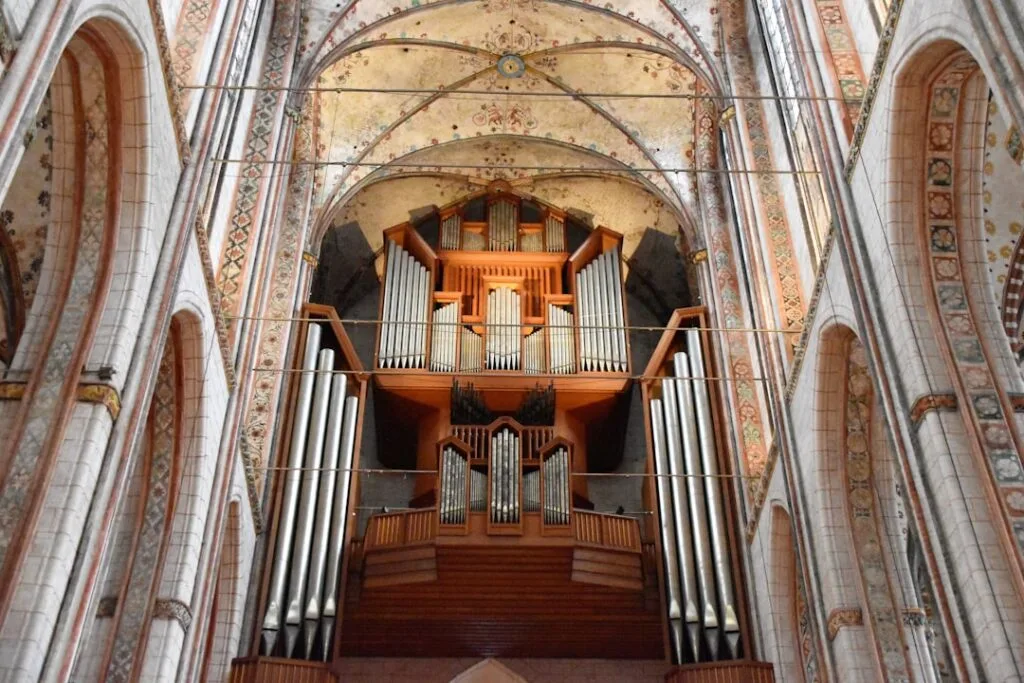
Teatro del Giglio (Teatro Comunale del Giglio) sits in the heart of Lucca. Address: Via del Giglio, 23, 55100 Lucca LU, Italy. Primarily an opera and theater venue, the Giglio sometimes hosts organ concerts — either with portable instruments and themed recitals or in programs that pair orchestra and organ, especially around tributes to Puccini. Various cultural centers and auditoriums in town also put on musical talks and staged organ recitals.
Hours and ticket office (indicative): the Giglio box office is usually open Tuesday–Saturday from 10:00–13:00 and 16:00–19:00; on show days the counters open two hours before performances. Ticket prices: variable, generally €10–€35 depending on seat and event. Theatrical organ recitals tend to be more staged, sometimes including projections, readings or educational introductions.
Immersive description: attending an organ recital at the Teatro del Giglio or a modern auditorium lets you experience the instrument in a theatrical setting: artful lighting, comfortable seating and acoustics tuned for contemporary audiences. Concerts are often designed for a broad public and may include short introductions by the organist and demonstrations that help listeners understand the mechanics and tonal architecture of the instrument.
Practical tips: buy tickets in advance for these events, especially in high season. The Giglio is an easy walk from the train station (about 15–20 minutes) or a short taxi ride. Look out for matinée formats or discovery cycles — these shorter 30–45 minute programs are ideal if your schedule is tight. For meals before or after the show, Piazza Napoleone and the surrounding streets have plenty of restaurants and bars.
Practical tips for enjoying organ concerts in Lucca
Planning: check Lucca’s tourist office (IAT Lucca) or parish websites for up-to-date programs. Programming ramps up in summer (June–September) and around major religious holidays (Christmas, Easter). Local festivals may include dedicated organ cycles, often linked to Puccini commemorations.
Tickets and prices: organ concert prices vary widely — from free services to ticketed recitals (€5–€20 in churches; €10–€35 for concert halls). Local musical associations sometimes sell season passes or multi-concert packages. International guest organists can command higher fees. For neighborhood concerts, bring change — some events accept cash only.
Best times to listen: aim for evening concerts (19:30–21:30) for a more reflective atmosphere. Sunday morning masses let you hear the organ in context. To avoid crowds, travel in shoulder seasons (March–May and October–November).
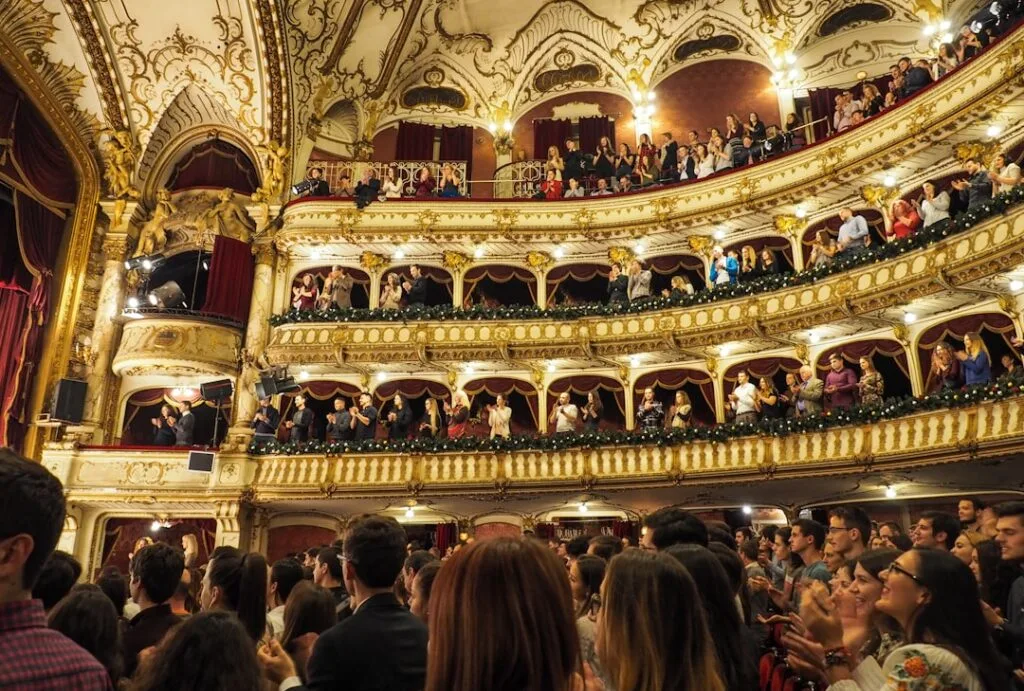
Etiquette: in churches dress respectfully (cover shoulders, avoid very short shorts) and silence your phone. Applause is normally appropriate at the end of a piece or the concert, but follow any venue-specific guidance (some ask that you applaud only at the end of the program). Always ask before taking photos; flash is usually banned during performances.
Getting around: Lucca is best explored on foot; most venues lie within the city walls. If you drive, use the peripheral car parks (Parcheggio di Porta San Pietro, Parcheggio Piazza Napoleone) and walk in. Taxis and ride-hailing services exist but are less common than in larger cities. The train station is a 15–20 minute walk from the historic center.
Extra tips: bring a light jacket even in summer — churches can be chilly inside. If you’re sensitive to powerful acoustics, choose side or rear seating. Reach out to local organ associations and parishes if you want technical guided tours — some organists will show the instrument’s mechanics after concerts.
Conclusion: Why Lucca’s organ scene is worth the trip
In Lucca, history, architecture and music answer one another with subtlety. Organ concerts are a core part of the cultural offering: they let you hear the voice of often-historic instruments inside spaces full of memory. From the Duomo di San Martino to the Basilica di San Frediano, via San Michele in Foro, the small chapels and the Teatro del Giglio, each venue has its own sonic personality — a palette of tones and acoustics that turns every listening experience into something unique.
Hearing the organ in Lucca goes beyond a mere musical outing: it’s a sensorial immersion that combines the visual (frescoes, marble, mosaics), the tactile (cool stone, the vibration of pipes) and the auditory (the harmonic richness of organ stops). These concerts also reveal the cultural life of a small Tuscan city: a mix of parish initiatives, volunteer associations, municipal programming and invited artists. For travelers, it’s a fantastic way to understand Lucca beyond palaces and fortifications — through listening and quiet contemplation.
Practically speaking, plan ahead: check times and prices, arrive early, respect the codes of places of worship and make time for the intimate chapel concerts if you want a closer, less formal experience. Don’t forget to check staged programs at venues like the Teatro del Giglio, which sometimes update the organ tradition with theatrical or educational formats.
In short, whether you love music, history, or simply rich sensory experiences, Lucca offers an organ scene that far exceeds its size. Even on a weekend visit, book at least one organ evening: you’ll leave not just with images of marble and mosaics, but with the lasting sound memory of an instrument that, with every breath, tells the story of a city.