





Introduction: a city of hidden cloisters waiting to be rediscovered
Lucca, a little Tuscan jewel ringed by verdant ramparts, is often celebrated for its medieval towers, cobbled lanes and imposing cathedral. Yet tucked away from the tourist bustle, the city hides another delight: lesser-known cloisters — small havens of calm where time seems to slow down. These secluded spaces — shaded gardens, silent arcades, frescoes faded by the years — tell Lucca’s spiritual, artistic and social history. They are places for contemplation, but also subtle examples of architecture where you can still sense the rhythms of monastic life, deliberate aesthetic choices, and the way stone carries whispers of the past.
In this article I’ll take you through several cloisters you can visit right in the heart of Lucca — each with its own personality: from the intimate, restrained Franciscan cloister to the more monumental, sculpture-rich canonial cloister by the Duomo. I’ll give exact addresses, current opening times, entry prices, and most importantly immersive descriptions so you can picture these places before you arrive. You’ll also find practical tips to plan your visit (best times to go, how to photograph respectfully, accessibility info, etc.).
These cloisters aren’t always on the standard routes, which makes them ideal spots to experience Lucca off the main flows — at the pace of its stones and the distant toll of a bell. A cloister is essentially an in-between: neither fully public nor fully private. In Lucca they’re often attached to churches, museums or palaces, and the quality of materials (marble, local stone, carved capitals) is striking. Expect plays of shadow and light, repeating perspectives of arches and columns, and scented garden corners with jasmine in spring.
Whether you’re a curious traveler, a photographer hunting architectural patterns, or simply a stroller in search of a quiet moment, this guide will help you approach Lucca’s cloisters with fresh attention. By providing maps, hours and practical advice, my aim is to give you the keys to fully experience these sites: when to go to avoid the crowds, where you can respectfully sit down for a picnic, how to spot carved details that rarely make it into guidebooks, and what other nearby visits to combine them with.
Finally, I’ll suggest half-day and full-day routes linking these cloisters with other Lucca highlights. Lace up your comfy shoes and bring your curiosity — Lucca’s cloisters are waiting for your attentive footsteps.
Why Lucca’s cloisters are worth a detour
The charm of Lucca’s cloisters lies as much in their aesthetics as in their ability to reveal the city’s historical continuity. Often integrated into a church or palace, these spaces testify to the religious orders that shaped the city — Franciscans, Benedictines, canons — and to the patrons who funded sculptures and gardens. Walking through a Luccan cloister connects you to a thread that links sacred art, urban life and daily routines across different eras.
Cloisters offer several complementary attractions: a repetitive architectural structure (arcades, columns, capitals) that’s a feast for the eyes; soft acoustics perfect for quiet moments; and gardens often planted for monastic uses (herbs, small kitchen gardens, medicinal plants). In Lucca they also served as meeting places, reading rooms, scriptoriums and sometimes burial sites — some stones still bear funerary inscriptions or commemorative plaques. Their small scale makes them particularly intimate: you can sit down, listen to the distant city, read, or simply watch the light change throughout the day.
Another advantage is how close many cloisters are to major monuments, allowing you to build coherent walking routes. In one morning you can visit a cloister attached to the Duomo, stroll a few pedestrian streets to a Franciscan cloister, and finish in a baroque palace garden that reads like a small private cloister open to the public. Cloisters also create striking contrasts: they oppose the verticality of towers and façades with the sheltered horizontals of an inner corner.
Practical tip: aim to visit early in the morning (between 9:00 and 11:00 in high season) to enjoy soft light and fewer visitors. Bring a small guide or note sheet — some sculpted details or inscriptions might not be labeled on site. And respect the quiet: these spaces are often still associated with religious communities or museums, and flash photography may be prohibited.
Chiostro di San Francesco (Basilica di San Francesco) — address, visiting info and atmosphere
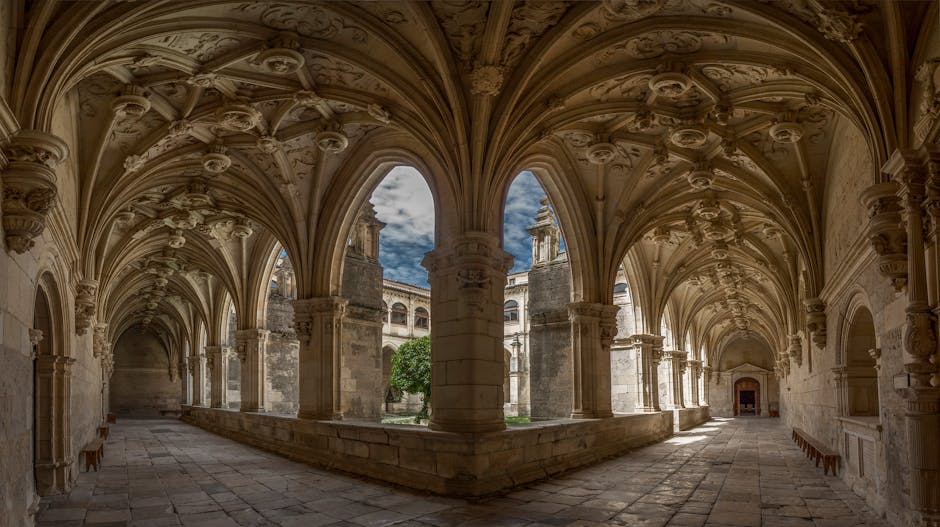
The Chiostro di San Francesco is one of the most accessible and tranquil cloisters in the historic center. It sits at the heart of a religious block west of Piazza San Michele, attached to the Basilica di San Francesco. Exact address: Piazza San Francesco, 8, 55100 Lucca LU, Italy. You generally discover the cloister after touring the basilica; it features simple arcades, a central garden and a few fragments of frescoes or tombstones set into the walls.
Typical opening hours: the Basilica of San Francesco is often open to the public Monday to Saturday from 9:00 to 12:30 and from 16:00 to 19:00; the cloister is usually accessible during the same hours or sometimes has reduced afternoon opening times. Price: entry to the church is generally free; the cloister may be free as well, though certain areas or guided visits can be included in small local-fee packages of €3–€5 if managed by an association. Always check the signs at the entrance for current hours and updated prices.
Immersive description: stepping under the arcades, the coolness of the stone provides a welcome contrast to summer heat. The columns are simple yet elegant, supporting slightly pointed arches. In the center, the garden carries a discreet scent of rosemary and lavender; a few stone benches invite reading or studying the carved details on the capitals. The cloister retains an atmosphere of quiet devotion: you might hear distant voices, the rustle of liturgical fabric, or a bird’s song from a windowsill. It’s an excellent spot for photographing symmetric compositions of arches and greenery, so long as you respect the site’s peacefulness.
Local tips: arrive early to avoid school groups visiting the basilica; in summer favor the morning shade or late afternoon. Photographers should avoid using flash and ask permission if worshippers are present. The nearest public restrooms are towards Piazza San Michele, and numerous cafés for a coffee break are within a short walk.
Chiostro dei Canonici and Museo e Opera del Duomo — the canonial heart and sculptural masterpiece
Close to the city’s religious core, around the Cattedrale di San Martino (Duomo di San Martino), lies the Chiostro dei Canonici, often accessed via the Museo e Opera del Duomo. Landmark address: Piazza San Martino, 11, 55100 Lucca LU, Italy (main entrance and offices face the Duomo square). This canonial cloister illustrates the relationship between the cathedral chapter and the city, and it is rich in sculpted and archival elements.
Hours and prices: the Museo e Opera del Duomo in Lucca usually opens from 9:00 to 17:00, with a possible midday closure between 13:00 and 14:00 off-season; typical adult ticket: around €6–€10 (reduced rates for students and seniors). The cloister is accessible as part of the museum visit; entrance to the Duomo itself is often charged separately (Duomo entry around €3 or included in some combined tickets). These figures are indicative — check official sites or the tourist office for up-to-date times and fees.
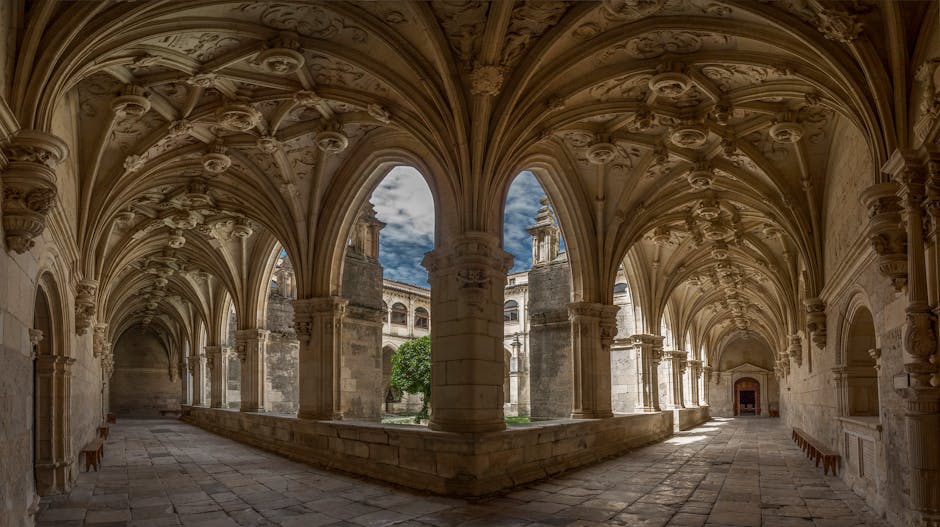
Immersive description: the Chiostro dei Canonici contrasts with a Franciscan cloister by its more solemn scale. The arcades are more monumental and the capitals frequently bear vegetal motifs or stylized biblical scenes. The floor may preserve tomb slabs and inscriptions telling the stories of canons buried there. Walking in, you sense the continuity of worship and ecclesiastical administration: it was a meeting place, a room for reading manuscripts and deliberating. The cloister’s muted lighting — sometimes set off by small lamps — creates an almost museum-like atmosphere, so take your time to appreciate the carved details and the stone fragments on display.
Practical tips: buy your ticket in the morning if you want to visit the museum and cloister before tourist numbers rise; bring a torch or a camera with good low-light performance if you plan to shoot the bas-reliefs and interior sculptures. Audio guides or guided tours offered by the museum are recommended to understand the iconography of the capitals and the history of the cathedral chapter. Finally, be aware that some areas may be temporarily closed for restoration — check ahead the day before your visit.
Palazzo Pfanner: baroque garden and a private cloister-like space
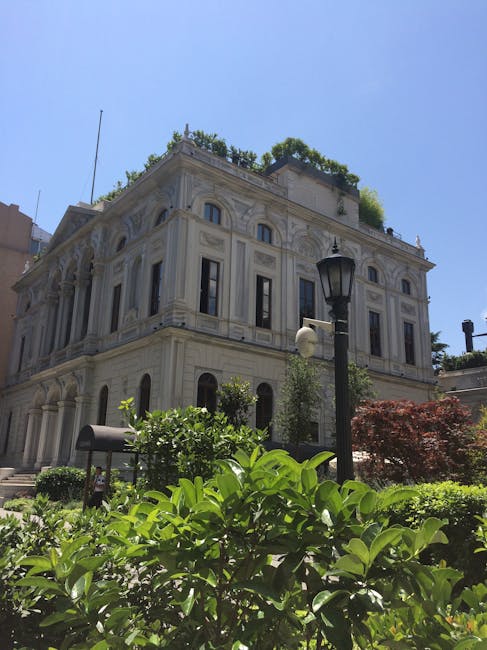
Palazzo Pfanner is best known for its impeccably kept baroque garden, but it also includes a small enclosed area that evokes the feel of a private cloister. Address: Palazzo Pfanner, Via degli Asili, 33, 55100 Lucca LU, Italy. The palace and gardens are open to the public and make a perfect complementary visit after the religious cloisters: the site blends civic architecture with pleasure garden design typical of Lucca’s great families.
Hours and prices: standard hours often run daily from 9:00 to 19:00 in high season (reduced hours off-season). Entry fee estimate: €5–€7 for access to the garden and small museum (discounts for children and seniors). The ticket usually admits you to the garden, the honor courtyard and parts of the historic palace, where antique medical instruments recall Dr. Pfanner, the donor of the building.
Immersive description: entering through the gate on Via degli Asili, you walk down an avenue lined with topiary towards a central fountain topped by a sculpture. Although less religious, the enclosed space still delivers the protective effect of a cloister: high walls, clipped vegetation and lateral arcades create a setting suited to reflection and photography. In spring wisteria and roses frame the beds; in summer the fountain’s coolness draws guests. The palace also preserves richly decorated reception rooms that show the relationship between noble private space and the enclosed garden.
Practical tips: pair Palazzo Pfanner with visits to the religious cloisters for a varied atmosphere. It’s a lovely spot for a coffee break or a discreet wedding photo (always ask permission beforehand for private shoots). The site is easily reached on foot from Piazza San Michele and Piazza San Martino; allow 45–60 minutes for a full visit.
Walks, practical tips and suggested routes for a complete exploration
Planning your exploration of Lucca’s cloisters takes a bit of thought to make the most of these quiet spaces. Below are practical tips and two recommended itineraries — one for a half-day and one for a full day.
- Best season and times: spring (April–June) and early autumn (September–October) for pleasant temperatures and reasonable crowds. Favor the 9:00–11:00 and 16:00–18:00 windows for soft light and fewer visitors.
- Tickets and combos: some cloisters are included in combined tickets (Duomo + Museum + cloister). Buy online where possible to skip queues, especially in high season.
- Respect the place: keep quiet, avoid flash, and don’t eat on sacred stone surfaces. If a cloister is linked to an active religious community, be discreet and ask permission for close-up photos.
- Accessibility: many cloisters have thresholds and small steps — check ahead for mobility access. Museum staff can often help arrange a suitable route.
- Transport and parking: Lucca is best explored on foot. If you arrive by car, park at peripheral lots (for example parcheggio Giardino degli Osservanti) and enter through the city gates.
Half-day itinerary:
- 09:00: Start at Piazza San Martino — visit the Duomo and the Chiostro dei Canonici via the Museo e Opera del Duomo (1–1.5 hours).
- 10:30: Short walk to the Basilica di San Francesco — visit the Chiostro di San Francesco (45 minutes).
- 11:30: Coffee at Piazza San Michele, then head to Palazzo Pfanner to finish in the garden and the small private cloister (45 minutes).
Full-day itinerary:
- 09:00: Duomo and Chiostro dei Canonici (1.5 hours).
- 10:45: San Francesco and its cloister (1 hour), then lunch at a local trattoria (e.g. Trattoria da Leo, Via Fillungo, 37 — check opening times).
- 14:00: Palazzo Pfanner and garden (1 hour).
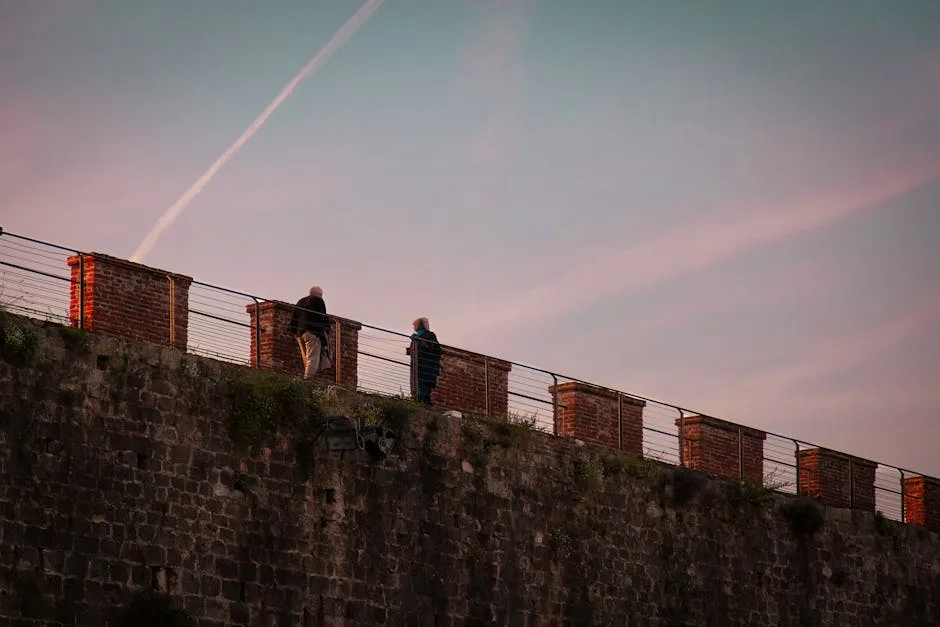
- 15:30: Walk along Lucca’s walls to digest and enjoy the views, then visit a lesser-known cloister or small monastery depending on openings (look for little churches around Via Santa Croce).
Final tips: bring water and a small paper map (mobile coverage can be limited inside some buildings), wear comfortable shoes and slow down — cloisters are meant to be savored. Check Lucca’s tourist office (Piazza San Michele, 55100 Lucca) for exceptional closures, special guided tours and the latest ticket information.
Conclusion: rediscover Lucca through its cloisters
Lucca’s little-known cloisters offer an intimate, profound way to meet the city. Beyond the familiar tourist images of towers and squares, these enclosed spaces carry the memory of religious communities, noble families and craftsmen who shaped the town. They are places of quiet beauty — perfect for reflection, non-intrusive photography and a restful pause during a busy urban route.
By visiting the Chiostro di San Francesco, the Chiostro dei Canonici (through the Museo e Opera del Duomo), Palazzo Pfanner’s garden-cloister and other small hidden courts, you’ll build a balanced itinerary blending spirituality, art and civic life. The addresses provided — Piazza San Francesco 8, Piazza San Martino 11, Via degli Asili 33 — will help you locate them within Lucca’s compact center. Times and prices are practical benchmarks; always check official monument websites or the tourist office for the latest information before you go.
For the curious traveler, these cloisters offer a full sensory experience: garden scents, stone textures, shifting light and the distant voice of the city. They also expand your visit beyond classic circuits and invite you into lesser-told, often more intimate stories. Whether you spend a half-day or a whole day exploring these tucked-away courts, you’ll leave with a more nuanced view of Lucca — a city where history is also read in small shaded courtyards, and where each cloister is an invitation to suspended time.