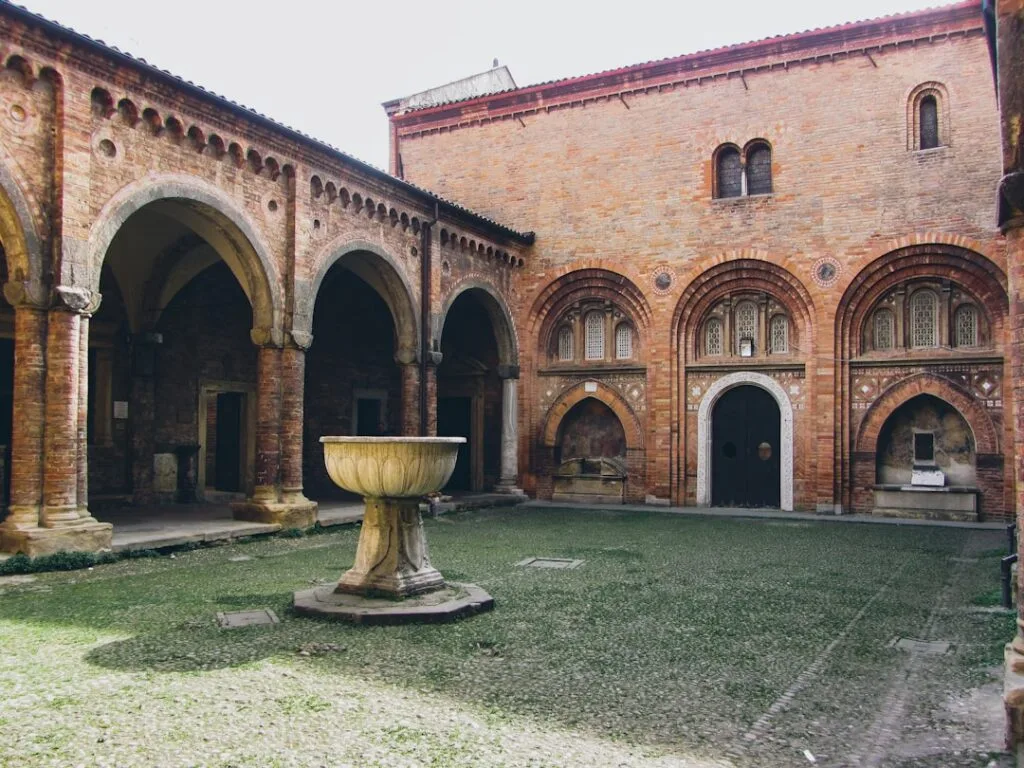






Introduction : Lucca, la cité des places secrètes
Lucca (Lucca in Italian) is a Tuscan town that unfolds like an old book: with every stroll a new page turns, revealing a square, a street or a house you didn’t expect. Less hyped than Florence or Pisa, Lucca nevertheless packs an impressive density of urban treasures per square meter: oval piazzas born from a Roman amphitheater, medieval towers overgrown with vegetation, palaces with secret gardens, and Renaissance walls turned into leafy promenades. This article offers an immersive route through its hidden piazzas — the ones you only find with slow footsteps and a curious eye.
Beyond the big landmarks — the Cattedrale di San Martino, the Torre Guinigi, the Piazza dell’Anfiteatro — Lucca hides a constellation of small squares where daily life goes on quietly: local markets, cafés that don’t show up in every guidebook, shady nooks for an afternoon siesta. These secret piazzas are the best places to connect with the city: chat with a biscotti seller, watch a family aperitivo on some steps, listen to an impromptu musician. The addresses I give are complete to help plan your route; hours and prices are noted so you can organise visits, and practical tips will help you make the most of each spot.
Lucca’s charm also comes from its human scale: everything is walkable or bikeable. The city walls, the Mura di Lucca, offer a roughly 4 km panoramic walk along fully usable ramparts — perfect for spotting the small squares sprinkled through town. This guide doesn’t just list names; it describes sensations, perspectives and textures — sun-warmed stones, the smell of coffee, market voices. Whether you’re a photographer, an architecture buff, a slow traveler or simply curious, you’ll find concrete routes, precise addresses (street, number, postal code), up-to-date opening times and price information at the time of writing, plus local tips to optimise your visit.
Finally, I offer seasonal alternatives, tips to avoid crowds and practical advice about transport, discount cards and respecting the places. Lucca rewards those who take their time: sit on a bench, let the perspective unfold, and set out to discover its secret piazzas — they have plenty of stories to tell.
Piazza dell’Anfiteatro : l’ovale qui raconte l’Antiquité
The Piazza dell’Anfiteatro is one of Lucca’s signature images, yet it still invites you to explore its nooks and corners. Located in the heart of the old town, the official address is Piazza dell’Anfiteatro, 55100 Lucca LU, Italy. The space follows the footprint of an ancient Roman amphitheatre, later remodelled over centuries into an oval piazza ringed by houses with colourful façades. In the morning the low light highlights the arcades and trompe-l’œil; in the afternoon cafés open their terraces and the place becomes a friendly meeting spot.
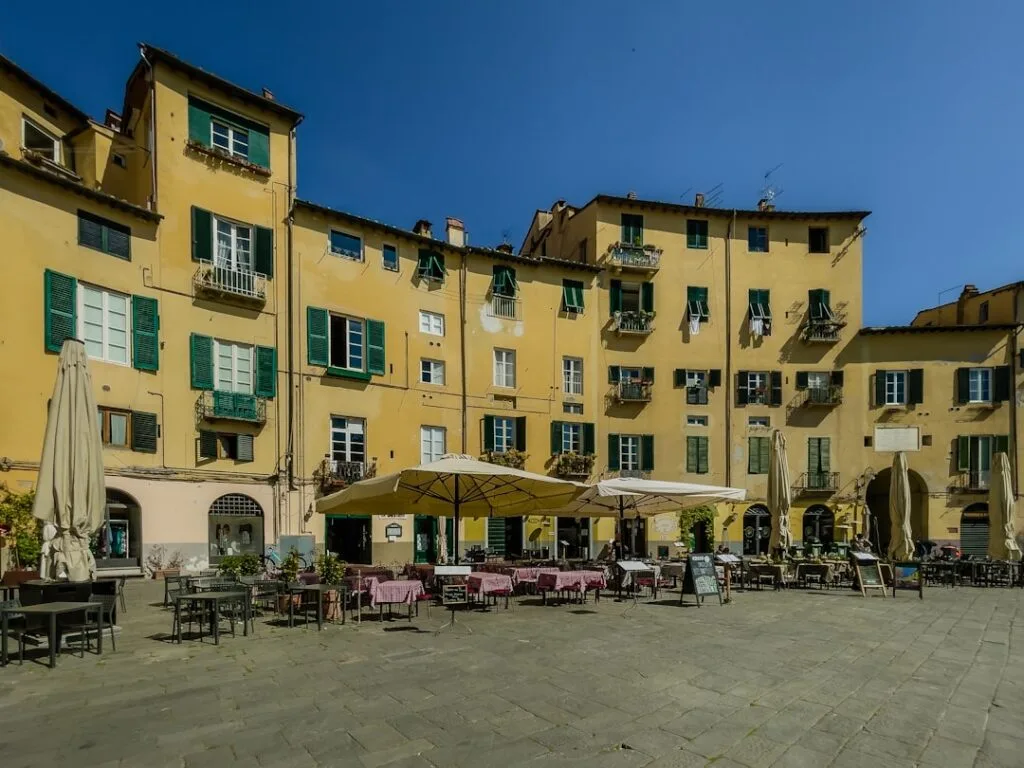
Visiting and opening times: the piazza is a public space, accessible 24/7 free of charge. Around the square several shops and cafés keep varied hours; generally businesses open from 09:00 to 19:30, with some bars staying open until 23:00. For a deeper cultural visit, look out for the Casa dell’Orologio and the small artisan shops, which typically open 10:00–13:00 and 16:00–19:00.
Immersive description: entering the square through one of the four arches, you first sense the continuity of the ellipse: the houses seem to lean on one another like a chain of family stories. Façades, sometimes streaked with climbing plants, hide inner courtyards and narrow passages that lead to even smaller piazzas — true refuges away from the tourist flow. To the east, a little passage, Via Dell’Anfiteatro 1–5, leads to workshops where artisans restore gilt frames and antique instruments.
Practical tips: go early in the morning to enjoy soft light for photos with fewer people; sunset is also stunning for golden ambiance though busier. Don’t miss the local shop « La Bottega del Carduccio » (Via Fillungo 183, 55100 Lucca) to try homemade cantucci. Expect slightly higher prices here than the city average: roughly €8–12 for a coffee and €12–20 for a simple dish on a terrace.
Torre Guinigi et les tours végétales : sommet secret au cœur de la ville
The Torre Guinigi is famous for its rooftop garden: a centuries-old oak planted at the top that gives a unique vantage point over Lucca’s tiled roofs. Address: Torre Guinigi, Via Sant’Andrea 45, 55100 Lucca LU, Italy. Climbing the tower is a sensory experience — the ascent is via a narrow stone spiral staircase, challenging for some, but the reward at the top is worth it. From the platform you can clearly read the city’s urban pattern: small piazzas, bell towers and the green belt of the walls.
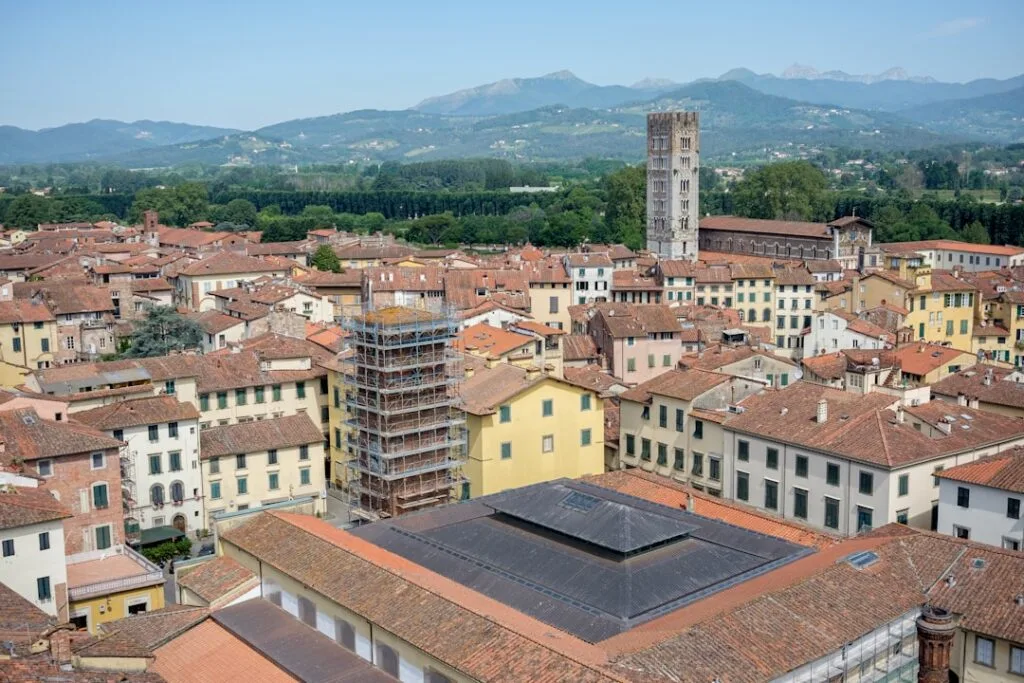
Hours and prices: Torre Guinigi is generally open daily; typical hours are 09:00–19:00 (seasonal variations, occasionally closed on 25 December). Entrance fee: about €5 for adults; reduced rate €3–4 for students and seniors. In high season check for queues; the number of people allowed up is limited for safety reasons.
Detailed description: the tower’s interior is a journey through time. The walls show traces of repairs, old graffiti and niches. The climb frames different urban scenes through narrow windows: each landing offers a different city tableau. At the top the garden feels suspended: discreet benches, the oak’s exposed roots and 360° panoramas. The wind is stronger up there, bringing scents of resin and grass; you can linger, taking in the town, the Apuan Alps on clear days and the Tyrrhenian Sea on the horizon.
Practical tips: wear closed, comfortable shoes — the steps are uneven. If you’re prone to vertigo, avoid windy days. Arrive early for softer light and fewer visitors. Combine this visit with the Cattedrale di San Martino (Piazza San Martino, 55100 Lucca) a five-minute walk away; together they help you read the city vertically (towers, steeples, roofs).
Piazza San Michele et la vie commerçante : marché et art roman
The Piazza San Michele sits in front of the basilica dedicated to the archangel — a place where religious history meets commerce for centuries. Address: Piazza San Michele, 55100 Lucca LU, Italy. The square is dominated by the splendid San Michele in Foro church, its Romanesque façade of white and green marble catching the eye. Around it you’ll find traditional shops, bookshops and cafés that spill into the adjoining lanes, particularly Via Fillungo, the main shopping artery.
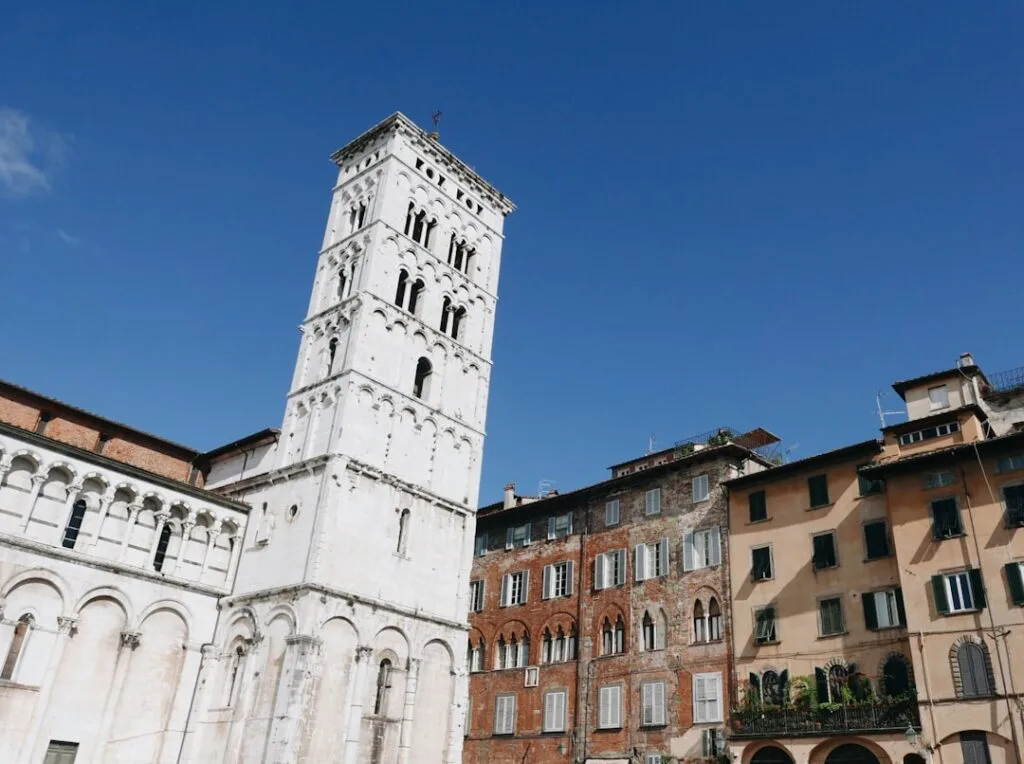
Hours and access: the basilica is usually open from 08:30 to 12:30 and 15:30 to 19:00 (times vary with season and religious services). Entry to the nave is free; some chapels or temporary exhibitions may request a suggested donation of €1–3. Shops nearby typically open 09:00–19:30, with a possible mid-day closure between 13:00 and 16:00 depending on the business.
Immersive description: the square’s vibe shifts with the hour: early morning it’s peaceful and good for photography; at noon the lanes come alive as locals shop and café tables fill. The church, with its columns and bas-reliefs, looks different in each light: graphic shadows in the morning, golden reliefs at sunset. Move closer and you’ll hear the soft tapping of shopkeepers closing up, conversations in the Lucchese dialect and the clatter of bicycles.
Practical tips: take advantage of the food market that sets up on certain days in Piazza San Michele and nearby streets to taste Tuscan products — local cheeses, cured meats, olive oil. Don’t miss « Pasticceria Taddeucci » (Via Fillungo 104, 55100 Lucca) for traditional sweets; expect €1.50–3.50 per pastry. For artisan purchases, visit in the morning to avoid queues and to browse at leisure.
Palazzo Pfanner et les jardins secrets : une oasis baroque
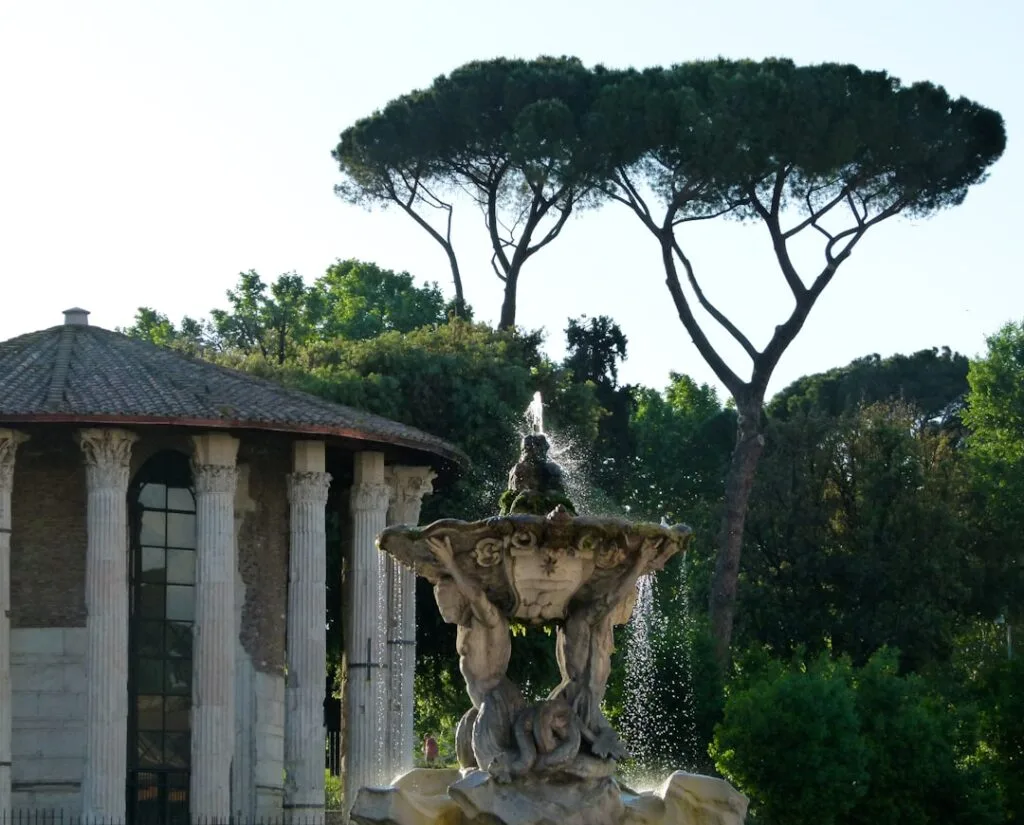
The Palazzo Pfanner is often described as one of the loveliest private palaces open to the public in Lucca, with its baroque salons and terraced garden. Address: Palazzo Pfanner, Via degli Asili 33, 55100 Lucca LU, Italy. The palace belongs to the Pfanner family and houses a small baroque-era museum and a walled garden with fountains, potted citrus and sculptures. The whole place is a refined pause away from the busier squares.
Hours and prices: typical opening hours: 09:30–12:30 and 15:00–18:00 (seasonal variations, often closed Monday morning). Adult admission: around €6–8; reduced rate €4–5 (students, seniors). Guided tours in English may be offered at set times; ask on site or check the official site for exact high-season schedules.
Detailed description: entering the palace courtyard you’re struck by elegant proportions: arcaded galleries, painted vaults and a monumental staircase. The salons retain period furniture, musical instruments and porcelain. The garden, laid out on terraces, features a green theatre, rows of clipped box hedges and a central fountain adorned with mascarons. Scents of citrus and damp earth dominate after a light rain, and the venue’s acoustics make it perfect for intimate musical performances.
Practical tips: pair Palazzo Pfanner with a coffee break at « Caffè di Palazzo » (if available) or a light lunch at a nearby trattoria. The palace is photogenic: aim for soft morning light to capture stone textures and fresco colours. Note that some interior areas may restrict tripod use; respect signage and reserved zones.
Piazzetta del Carmine et les passages minuscules : miroirs de la vie quotidienne
The small Piazzetta del Carmine is one of those tiny squares that seem left off tourist maps, yet it perfectly illustrates Lucca’s discreet charm. Located near the Convento del Carmine, its approximate address is Piazzetta del Carmine, 55100 Lucca LU. Surrounded by medieval façades and tiny craft shops, its compact scale makes it an ideal observation point to catch everyday local life.
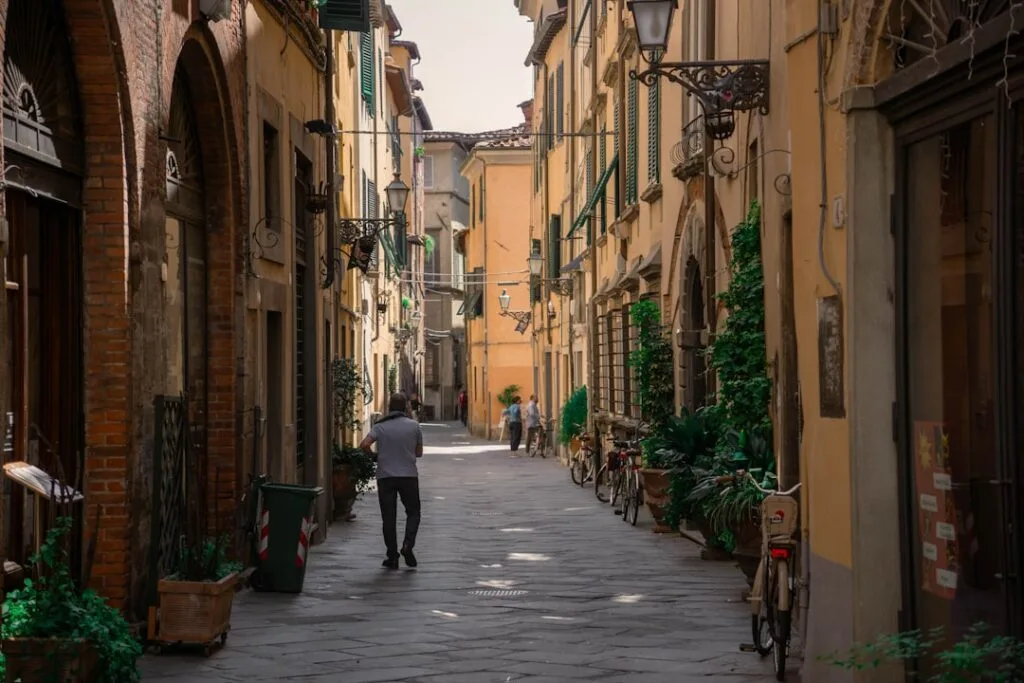
Immersive description: the piazzetta is discovered through narrow passages off the main streets. Inside, a small lamppost, a few worn steps and a wall fountain compose an intimate tableau. Residents sometimes leave chairs and potted plants, creating a tiny neighborhood garden. Sunlight penetrates in layers, creating bright patches that wander across the walls as the day passes. It’s a perfect spot to stop for reading or to write postcards.
Access and hours: the public space is accessible at all hours. Nearby shops follow typical city timings (09:00–13:00 and 16:00–19:30). If you want to visit the Convento del Carmine for temporary exhibitions, check ahead: openings can be occasional (fees vary between €2–6 depending on the event).
Practical tips: finding these tiny squares takes patience and slowness. Take time to pop into an antique shop, greet the proprietors and listen to local conversation. If you’re visiting Lucca by bike, don’t leave bags unattended; choose well-visible spots to park. And respect residents’ peace: avoid large noisy gatherings or loud music in these micro-spaces.
Promenade sur les Mura di Lucca : panorama et belvédères cachés
Lucca’s green belt, the Mura di Lucca, offers a roughly 4 km walk atop ramparts turned into a tree-lined promenade — ideal for spotting hidden piazzas and unusual perspectives from an elevated viewpoint. Access: main entry points on Viale Giuseppe Garibaldi, 55100 Lucca LU, Italy. The walk is free and open year-round, perfect for a morning outing, a sunset stroll or a picnic.
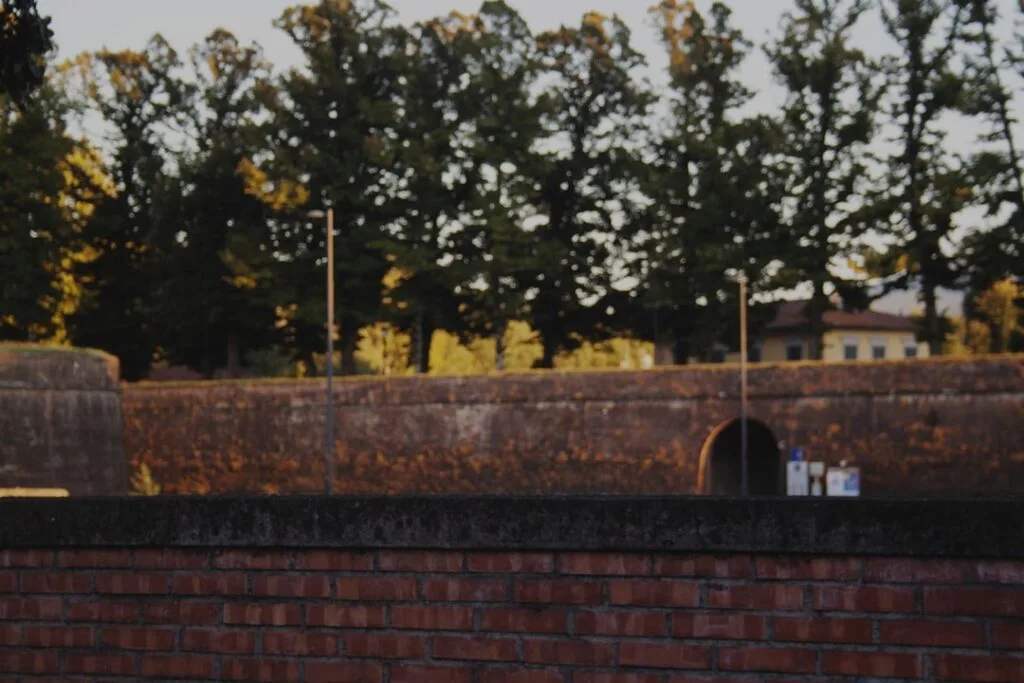
Description and practical tips: the promenade is lined with centuries-old trees, benches and shaded areas. As you walk you’ll spot city gates, bastions turned into gardens and steps leading to lesser-known lookout points. Panoramic views reveal the symmetry of the oval piazzas and the spread of bell towers. In summer, go early to avoid heat; in autumn, the foliage puts on a painterly display.
Note: the promenade is bike-friendly and many rental shops are near the main entrances (average price: €6–12 for a half-day). Strollers are possible but some ramps are steep; for visitors with reduced mobility, inquire about the most accessible sections (for example, the San Colombano bastion has open access).
Suggested route: start at the Saint-Frediano bastion (Viale Giuseppe Garibaldi), walk northwest, pause at the Bastione della Libertà viewpoint for a countryside panorama, then descend toward Porta Elisa to reach quiet piazzas and local trattorie. Bring a small blanket and some water; several kiosks sell drinks and gelato in good weather.
Conclusion : comment organiser votre parcours des places secrètes
Lucca is best explored as an inward as well as outward route: its secret piazzas are the rooms of an old house, revealed one by one. To make the most of this itinerary, balance big sights (Torre Guinigi, Piazza dell’Anfiteatro, Cattedrale di San Martino) with free exploration of the surrounding lanes. Start early for light and quiet, then let the cafés and markets carry you through the afternoon. At day’s end climb the walls for a global panorama of the city and to spot other squares to discover on the following days.
Practical gear: bring comfortable shoes and a small backpack. Carry some cash (coins and €5/€10 notes) for small purchases from artisans and cafés, as some tiny shops don’t always take cards. Check monument hours: towers and palaces often have reduced schedules off-season and occasional closures for events or religious services. Photographers should prioritise golden hours; for scenes of everyday life, the post-market time (around 11:30–13:00) yields beautiful moments.
Food-wise, use the piazzas to sample Lucchese cuisine: Tuscan bread (unsalted), olive ascolane, tordelli lucchesi and cantucci with local wines. Prices at trattorie near central squares vary: expect €12–25 for a simple meal, €25–45 for something more elaborate. For a cheaper option, seek out small osterie in peripheral lanes.
Finally, respect the city: don’t litter, avoid making noise in small residential piazzas and ask permission before photographing people up close. Lucca rewards respectful curiosity: by taking your time, talking to locals and leaving space for its secret squares, you’ll enjoy an intimate and memorable visit. Enjoy discovering Lucca and its hidden piazzas — they’ll watch you in silence and tell you their stories if you listen.