





Introduction — Lucca’s Religious Heritage: Practical Map
Lucca (Lucca), a small walled town in Tuscany with its ramparts remarkably well preserved, is an open-air museum for anyone interested in religious heritage. Beyond the charm of its walls and medieval lanes, Lucca packs a remarkable concentration of sacred buildings — parish churches, Romanesque basilicas, oratories and diocesan museums — that together tell over a thousand years of religious, artistic and civic history. This practical guide aims to provide a clear, usable map to visit the city’s main places of worship, with exact addresses, opening times, ticket info and local tips for a respectful and rewarding visit.
Lucca’s compact layout makes it easy to mix religious sightseeing with food discoveries. Walking from Piazza San Martino to Piazza San Michele, you move from the solemnity of the Cattedrale di San Martino to the brilliant mosaics of the Basilica di San Frediano, passing medieval squares and streets lined with cafés. For each site covered here I give practical details (full address, prices in euros, typical opening times) and immersive descriptions to help plan your route, whether you’ve got half a day or a full one.
This guide is for both the curious traveler and the pilgrim interested in liturgical history and sacred art. It includes local recommendations: best times to avoid crowds, respectful behavior inside churches, and little tricks for photographing without disturbing services. Finally, suggestions for lesser-known but rewarding museums and oratories will let you dig deeper, away from the busiest tourist routes.
Cattedrale di San Martino (Duomo di Lucca) — spiritual and artistic heart
Address: Piazza San Martino, 55100 Lucca LU, Italy.
Opening times: Typically open daily from 10:00 to 18:00; summer hours often extended to 19:00. Mass times: check the notices on site (commonly 10:30 and 19:00 depending on the season).
Price: Entry to the cathedral is often free; visit to the Museo della Cattedrale / Museo Diocesano: around €6.00 – €8.00 per person. Discounts for students and seniors (check locally).
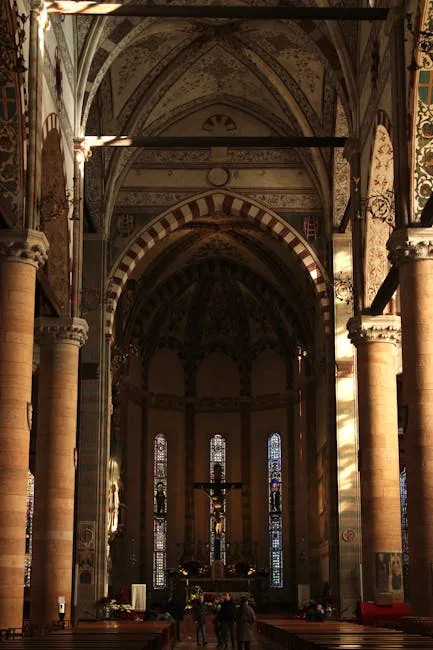
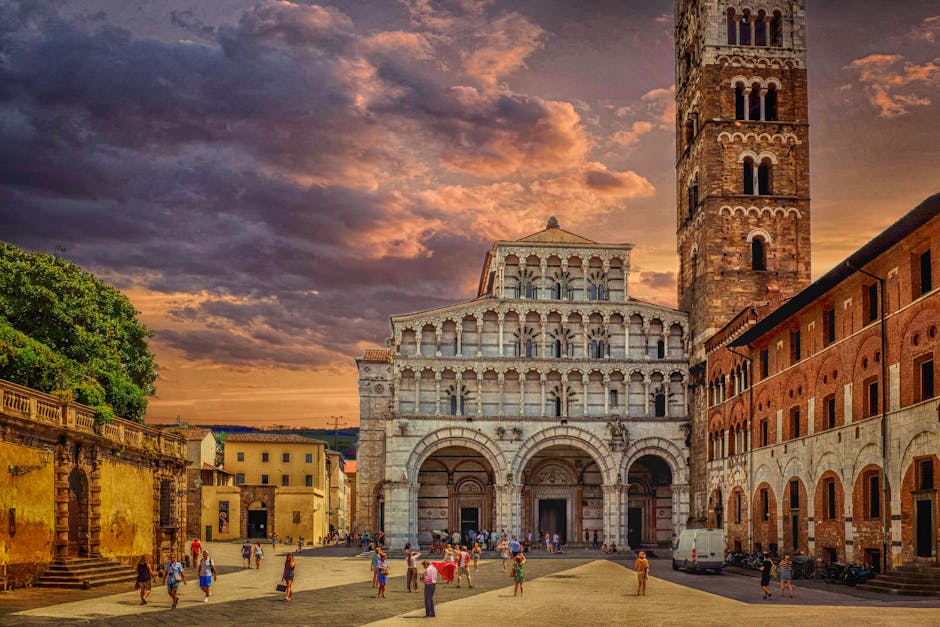
The Cattedrale di San Martino is Lucca’s principal religious building. Dating from the 11th–13th centuries with later alterations, it surprises with a restrained exterior and loggia façade, while the interior hides a treasure trove of sacred art: the Volto Santo (Holy Face) — a venerated wooden crucifix — paintings by Paolo Guinigi and richly decorated chapels. The atmosphere is often quiet, steeped in devotion and contemplation, especially during services.
Practical tips: arrive early in the morning to catch the light in the choir and avoid peak hours (11:00–15:00). Respect the silence, cover shoulders and knees if you enter during services. Visiting the adjoining museum helps put the cathedral’s works in context, including pieces of medieval liturgy and illuminated manuscripts.
Basilica di San Frediano and Chiesa di San Michele in Foro — two façades, two moods
Basilica di San Frediano — Address: Piazza San Frediano, 55100 Lucca LU, Italy.
Opening times: Generally 9:30–12:30 and 15:00–18:00; closed some afternoons.
Price: Free entry (donations welcome). Paid guided tours may be offered: €4.00 – €10.00 depending on the option.
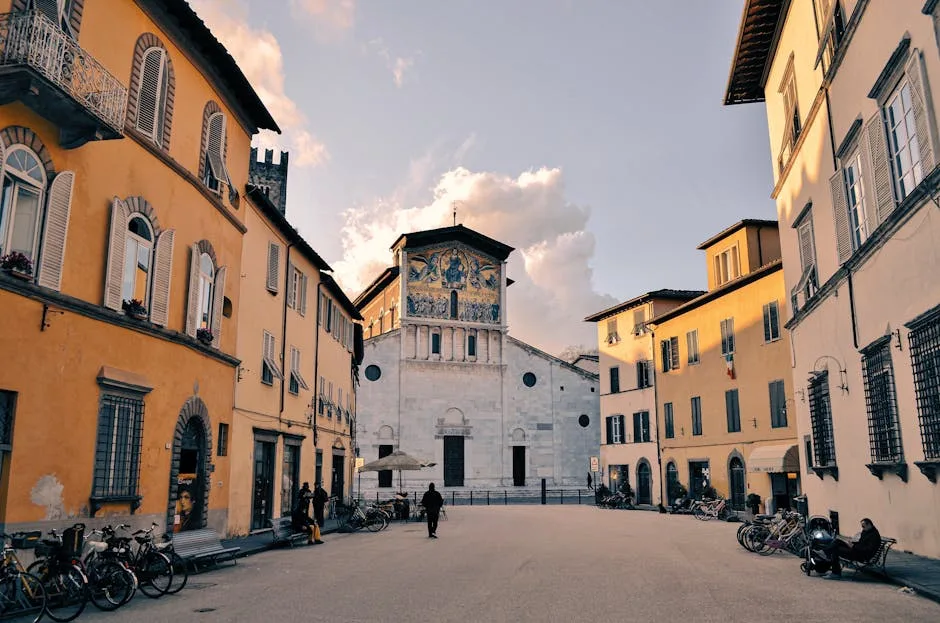
The Basilica di San Frediano is famed for its unique façade decorated with a vast 12th-century golden mosaic depicting the triumphant Christ. The interior, simpler in style, houses important frescoes and a baptistery historically tied to the city. The visual impact of the mosaic, especially on sunny days, is striking: the square fills with golden reflections, creating an almost Byzantine atmosphere.
Chiesa di San Michele in Foro — Address: Piazza San Michele, 55100 Lucca LU, Italy.
Opening times: Generally open from 10:00 to 18:00, sometimes closed around midday.
Price: Free entry; occasional paid guided tours (€3.00 – €6.00).
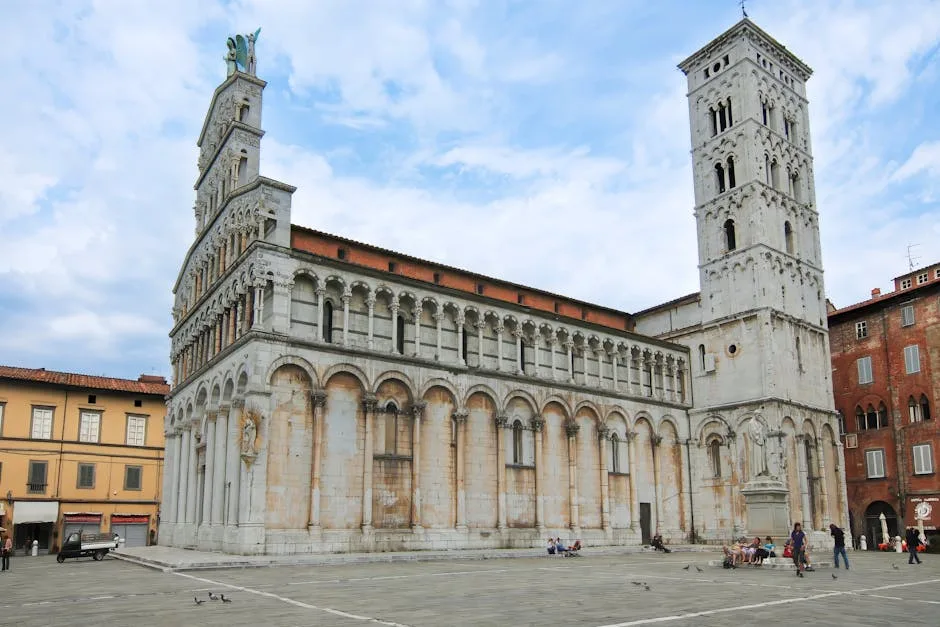
The Chiesa di San Michele in Foro, built on the site of the ancient Roman forum, is distinguished by a richly carved marble façade crowned by a large statue of the Archangel Michael. The interior is more intimate, with baroque altars and remarkable sculptural details. It’s an ideal spot to feel the juxtaposition of ancient Rome and medieval Christianity, especially if you pair the visit with a coffee break on the piazza.
Local tips: to photograph San Frediano’s mosaic, try the small terrace of the adjacent café or wait until sunset for warmer tones. At San Michele in Foro, browse the artisan shops around the square for icons and liturgical objects. During ceremonies, be discreet and avoid flash photography.
Other notable religious sites and museums: off-the-beaten-path routes
Beyond the three main monuments, Lucca offers several churches and oratories worth a stop: the Chiesa di San Francesco (Piazza San Francesco, 55100 Lucca LU), which features sober Franciscan architecture and peaceful cloisters; the Chiesa di San Paolino (Via San Paolino / Piazza San Paolino, 55100 Lucca LU), known for its local relics; and oratories like the Oratorio di Santa Cecilia (Via San Paolino area) with small, decorated chapels.
Museo della Cattedrale / Museo Diocesano — Address: Piazza San Martino, 7, 55100 Lucca LU, Italy.
Opening times: Often open 10:00–17:00; closed on Mondays or during certain religious holidays.
Price: Around €6.00 – €8.00; reduced rates and free entry for very young children (check locally).
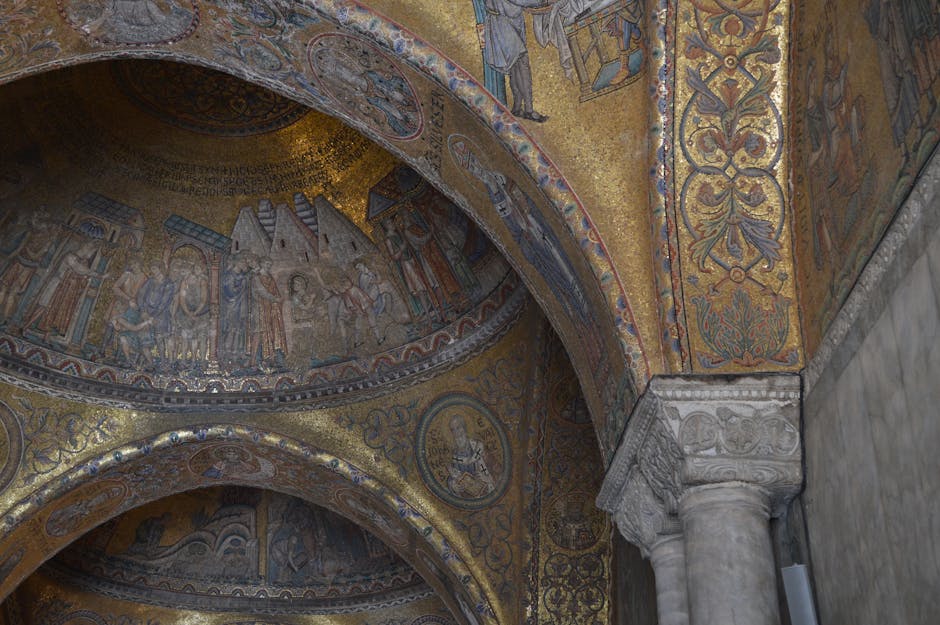
The diocesan museum preserves liturgical objects, priestly vestments, illuminated manuscripts and sculptures from the city’s churches. It’s an essential complement to visits of the religious buildings to understand the evolution of worship, processions and local traditions. Information panels in Italian and often in English help identify the highlights.
Route suggestions: for a half-day, combine the cathedral (morning), San Frediano (mid-morning) and lunch at a nearby trattoria. For a full day, add the Museo della Cattedrale, a walk on the city walls and a stop at San Francesco to enjoy the calm of the cloister. If you’re into photography, the golden hours (sunrise and sunset) provide exceptional light on marble façades and mosaics.
Practical tips, behavior and useful visitor information
Before you go, keep these practical recommendations in mind:
- Tickets and bookings: most churches are free, but museums and some guided tours require tickets. Buy online if available during high season (April–October).
- Opening times: many sites close between 12:30 and 15:00; plan your visits to avoid these closures. On Sundays, services may affect access.
- Dress code: when entering places of worship, cover shoulders and knees; avoid very short shorts and low-cut tops.
- Photography: allowed in most churches, without flash during services. Respect those at prayer and ask permission if a sign requests it.
- Transport: Lucca is very walkable; car parks near the walls (Park Vittorio Emanuele II) make access easier if you arrive by car.
- Local guides: investing in a guided tour (€10–20) can reveal historical anecdotes, hidden symbols and the stories behind works of art.
Finally, give yourself time: strolling between churches, sitting on a step to listen to the bells and enjoying a coffee in a piazza is the gentlest way to absorb Lucca’s religious heritage. These sacred places are not just attractions; they’re active community centers where history, art and faith meet.
Conclusion — Bringing history, faith and sustainable tourism together
Visiting Lucca’s religious heritage means stepping into a story woven from centuries of faith, civic power and artistic creation. From the monumental Volto Santo in the Cattedrale di San Martino to the golden mosaic of the Basilica di San Frediano, each building offers a different experience: contemplation, aesthetic wonder or simply the pleasure of sitting in a shaded piazza and watching local life. This practical guide gives you the keys to organize your visits (exact addresses, indicative opening times, prices in euros) and concrete advice to make your time in Lucca both respectful and enriching.
Remember that these places are primarily spaces of worship and community: adapt your behavior, choose quieter times for photography, and support local institutions with small donations or by buying a museum ticket. To deepen your experience, look for themed guided tours (sacred art, medieval history) or attend a mass: nothing teaches you more about local practice and devotion than seeing how these churches live today.
When you leave, take with you not just photographs but impressions: the light on San Frediano’s mosaic, the hush in the Duomo’s choir, the clatter of bikes on Via Fillungo’s cobbles. Lucca is a city where religious history is written on every corner and where a well-planned day can offer a mosaic of spiritual, artistic and human experiences. Safe travels and happy discoveries.