





INTRODUCTION
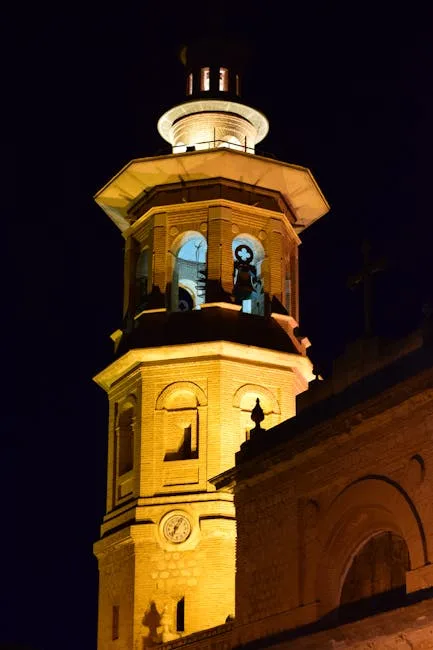
Lucca is one of Tuscany’s most enchanting medieval towns, famous for its intact 16th-century walls, cobbled lanes and — above all — its extraordinary religious heritage. When the sun sets and the last rays warm the terracotta roofs, the city takes on a different mood: the silicate stone of the façades shifts to golden tones, bell towers silhouette against a starlit sky, and the alleys fill with an almost sacred hush. It’s precisely this hour that makes a night visit to Lucca’s churches so bewitching. Religious buildings that are often closed or overrun during the day offer a chance for a quieter, more intimate contemplation when the city settles down.
The evening stroll I’m suggesting is more than a string of monuments: it’s a full sensory immersion. Streetlights and architectural spotlights highlight Romanesque bas-reliefs, gilded mosaics and polychrome marbles on the façades. Inside, the dimness reveals subtle plays of light across side chapels, frescoes and stained glass. You feel the layers of history — from Romanesque to Gothic, Renaissance to Baroque — as if every stone were telling a different story of devotion, art and power.
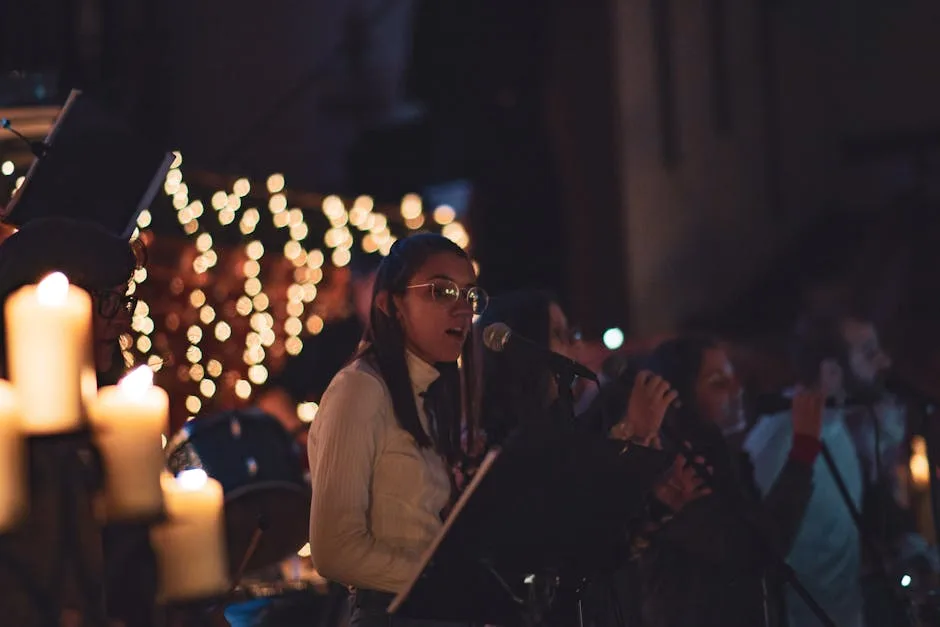
Beyond aesthetics, a night visit lets you get closer to places usually kept at a distance by daytime tourist circuits. Religious services, vigils and sometimes sacred concerts create moments when architecture amplifies the human voice. It becomes clear why Lucca has long attracted musicians, composers and pilgrims. At night, the church stops being just a monument; it returns to being a living spiritual space.
In this article I’ll take you through Lucca’s most emblematic churches: the Cattedrale di San Martino (Duomo di Lucca), the Basilica di San Frediano, the Chiesa di San Michele in Foro, the Oratorio di Santa Cecilia and several chapels and small hidden churches tucked away in the caruggi (narrow lanes). For each, you’ll find the full address, opening times (day and evening when relevant), admission fees and practical tips to make the most of your night visit: lighting, safety, respect during services, photography, and nighttime transport. I’ll also suggest a walking route that works well solo, as a couple or in a small group.
Pack comfortable shoes, a small adjustable flashlight (handy for reading panels without creating glare), a shawl if you plan to attend a mass, and a curiosity for the tiny sculpted details that often tell everyday life and religious symbols from the medieval period. Lucca at night isn’t just beautiful: it’s talkative, mysterious, and ready to reveal its secrets to those who stop and pay attention.
 Click here to book your Lucca night tour in English

Cattedrale di San Martino (Duomo di Lucca) — history, nighttime atmosphere and practical info
The Cattedrale di San Martino, better known as the Duomo di Lucca, is the spiritual heart of the city. Located at Piazza San Martino, 1, 55100 Lucca LU, Italy, it dominates the square with its tall façade and the sculptures decorating its porch. Built from the 11th century and remodeled several times, it houses treasures: the Tomba di Ilaria del Carretto (sculpted by Jacopo della Quercia), a venerated crucifix known as the Volto Santo (traditionally attributed to Nicodemus), and the Duomo museum which displays ancient liturgical objects.
A night visit to the Duomo has a special quality: exterior lighting enhances the façade’s polychromy and the stacked arches while inside the dimness makes contemplating the Volto Santo feel more solemn. From the small square in front you’ll sometimes hear the bells marking the night in Lucca, adding a sound dimension to the visual experience.
Practical information:
- Address: Piazza San Martino, 1, 55100 Lucca LU, Italy
- Typical opening hours: Monday to Saturday 10:00–18:00. Sunday: limited visits in the morning, services in the afternoon. In high season (March–October) the cathedral may stay open until 19:00. For specific night events (concerts, vigils), check the diocesan website.
- Admission: Entry to the cathedral: free (open access). Museo e Tesoro della Cattedrale (Cathedral Museum and Treasury): around €6–8 per person. Night guided visits organized by local associations: €10–18 depending on the program.
Night visit tips:
- Check the diocesan calendar: some evenings host sacred music concerts (prices vary, often €10–20).
- If you want to see the Volto Santo, check the public display times — the relic may be taken away for ceremonies.
- Inside, respect areas reserved for services and avoid using flash for photography: the dim warm light produces better images without flash.
Click here to book a private tour of San Martino and San Frediano

Basilica di San Frediano — mosaics, façade and evening atmosphere
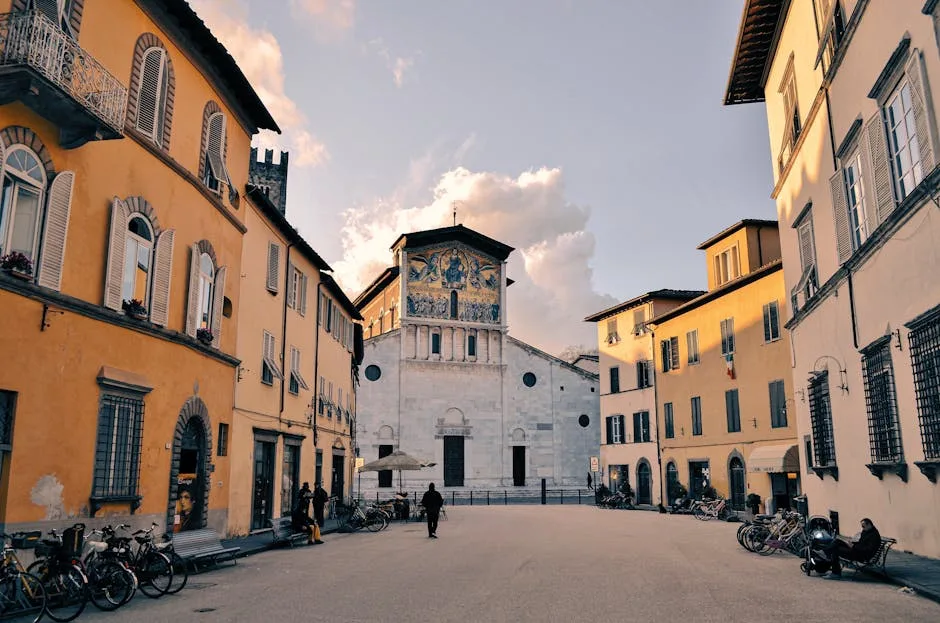
The Basilica di San Frediano is notable for its façade adorned with a large gilded Byzantine mosaic depicting the Ascension of Christ. It stands at Piazza di San Frediano, 3, 55100 Lucca LU, Italy. Of early Christian origin (6th–7th century), the basilica retains a rustic charm: the interior is wider and more austere than the Duomo but full of chapels, ancient baptismal fonts and relics.
The exterior mosaic becomes especially spectacular at dusk when a spotlight makes it gleam and the sky brightens behind the bell tower. At night, the basilica almost seems to float on the square: murmured conversations, street lamps and the silhouette of cypress trees give the visit a cinematic quality.
Practical information:
- Address: Piazza di San Frediano, 3, 55100 Lucca LU, Italy
- Typical opening hours: Usually open daily 09:00–12:30 and 15:00–18:30; open in the evening for events or services. Hours may vary in winter.
- Admission: Free entry to the church. Themed guided visits and concerts: €5–15.
Night visit tips:
- Approach the façade slowly to appreciate the golden tesserae of the mosaic. A telephoto lens helps capture the texture without climbing on barriers.
- Look for the small side door that leads to a lesser-known chapel — often open during vigils and offering an intimate setting for personal prayer.
- If you attend a service, arrive 10–15 minutes early: pews fill quickly and the basilica’s acoustics are excellent for vocal music.
Click here to book a guided walking tour of Lucca
Chiesa di San Michele in Foro — Romanesque charm and nighttime buzz
The Chiesa di San Michele in Foro sits on the large Piazza San Michele, 55100 Lucca LU, Italy, the former site of the Roman forum. Its extravagant façade, layered with sculpted registers and statues, is a masterpiece of late Romanesque architecture. At night, spotlights bring out the arches, colonettes and the large statue of Saint Michael crowning the building.
Inside, while more restrained, you’ll find mosaics and finely carved capitals. The square itself becomes a lively evening spot: cafés and small terraces set up around the piazza, and the soft lighting encourages a contemplative stroll around the church.
Practical information:
- Address: Piazza San Michele, 55100 Lucca LU, Italy
- Typical opening hours: Usually open from 09:30 to 18:00 (hours vary by season). In the evening, the church may host concerts and cultural events; some nights are reserved for local services.
- Admission: Free entry to the church. Special events: €8–20 depending on the concert or guided visit.
Night visit tips:
- Use Piazza San Michele as a spot to pause and enjoy a snack: small gelaterie or wine bars stay open late in high season.
- For architectural photos, step back a little and set your camera on a tripod or stabilize it on a low wall — the ambient light gives a nice contrast to the sculpted façade.
- Check with the tourist office (in Piazza San Michele or at the city info point) to learn the schedule of evening activities: liturgical theatre, street concerts, organ recitals.
Click here to discover Lucca at night with an English-speaking guide
Oratorio di Santa Cecilia and hidden small churches — nocturnal secrets and modest treasures
Beyond the large basilicas and the cathedral, Lucca is full of small churches and oratories that are worth discovering at night. One of the most charming is the Oratorio di Santa Cecilia, located not far from the historic center in a maze of lanes where you’ll only hear the footsteps of passersby. These places, often used for chamber music rehearsals, vigils or exhibitions, add another dimension to a night visit: a close connection with the city’s community and artistic life.
Examples of churches and oratories to look for:
- Oratorio di Santa Cecilia (entrance address varies: check with the tourist office, Piazza del Duomo) — used for intimate concerts, often free or €5–10.
- Chiesa di San Giovanni (near the Duomo) — a small chapel with frescoes and a meditative atmosphere.
- Chiesa di Sant’Agostino (Via Sant’Agostino) — a convent church sometimes open for exhibitions and concerts.
These quieter venues offer a major advantage: the lack of crowds. At night you can sit, listen to music or simply let your eyes wander over the paintings and woodwork, keeping the respectful silence a place of worship requires.
Practical tips:
- Ask at the Ufficio Informazioni e Accoglienza Turistica (IAT) in Lucca (for example at the Palazzo Ducale or the welcome points near Piazza San Michele) for a list of small venues open in the evening and contact details for event organizers.
- If you want to attend a rehearsal or an impromptu concert, arrive early: spaces are limited and often unnumbered.
- Observe local rules: keep quiet, dress appropriately, avoid flash and sometimes photography is not permitted inside.
Click here to book a musical tour including the Puccini Museum
Suggested route for a night stroll and logistical tips
Here’s an easy walking route that lets you savor Lucca’s religious richness in a single evening while leaving room for breaks and unexpected discoveries.
Suggested itinerary (duration: 2.5–3 hours depending on stops):
- Start at Piazza San Martino in front of the Cattedrale di San Martino. Enjoy the light on the façade and, if possible, a concert or night guided visit.
- Walk down to Piazza San Giovanni to see the Chiesa di San Giovanni and its surroundings, then continue to Piazza San Michele to admire the illuminated Chiesa di San Michele in Foro.
- Wander through the lanes toward Piazza di San Frediano to take in the mosaic of the Basilica di San Frediano at dusk.
- Finish with a stroll through the small caruggi to find the Oratorio di Santa Cecilia or a chapel hosting an intimate concert.
Local logistical tips:
- Safety: Lucca is generally safe at night, but as anywhere, keep personal belongings close and avoid completely deserted lanes after midnight if you’re alone.
- Transport: The historic center is compact and best explored on foot. If you return to your accommodation late, taxis are available but it’s a good idea to note local numbers (for example Radiotaxi Lucca). Lucca train station (Piazza Riscossa) is about a 10–15 minute walk from the Duomo.
- Food & drink: Many restaurants and osterie around Piazza San Michele and Via Fillungo stay open fairly late in high season. Typical budget: a plate of pasta €8–15, a glass of wine €3–6.
- Etiquette: Churches are places of worship: wear appropriate clothing (shoulders and knees covered for certain ceremonies), speak quietly and respect the interior order during services.
Click here to book a walking tour of the must-sees
Night guided tour options
Several local agencies and independent guides offer themed evening tours, often focused on religious history, architecture or sacred music. Prices generally range from €10 (group walk) to €30 (private tour with included entries). Lucca’s tourist offices (Ufficio Turistico) keep a list of licensed guides and a calendar of special events.
Tip: book in advance for night guided tours during high season (April–October); for concerts or particular religious events, buy tickets online or directly at the welcome desk.
CONCLUSION
Visiting Lucca at night with a focus on its churches and oratories means slowing your pace and paying attention to details that the hurried visitor often misses: the vibration of a bell, the patina on a sculpture, gilding that twinkles under spotlights, the breath of a choir in a nave. The Cattedrale di San Martino, the Basilica di San Frediano, the Chiesa di San Michele in Foro and the many small oratories together create a route where history is read in stone and light.
Beyond the practical info — addresses like Piazza San Martino, 1 ; Piazza di San Frediano, 3 ; Piazza San Michele ; indicative hours and fees for visits and museums — the night tour offers a human experience: unexpected encounters with parishioners, musicians or passionate guides who share anecdotes and legends. It’s also an opportunity to learn how to respect the place, photograph without spoiling the atmosphere and savor the softness of a Tuscan town that knows how to remain discreet.
Before you go, remember to check official hours and daily events at the Ufficio Informazioni e Accoglienza Turistica (IAT) di Lucca or on diocesan sites. Bring good shoes, a jacket for the nighttime chill and, if you like, a pair of headphones to listen to audio guides without disturbing others. Finally, leave time between visits to stroll the illuminated walls: the panoramic view of the city’s bell towers at sunset is one of the most beautiful finales to an evening devoted to Lucca’s churches.
Whether you’re an architecture buff, a music lover, a spiritual pilgrim or simply curious, Lucca by night invites an intimate, lasting experience: a town where the sacred and the everyday meet under the stars. Safe travels and peaceful contemplation.