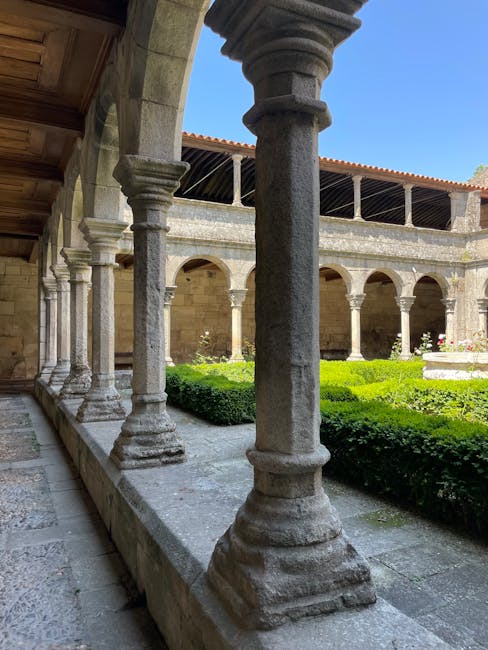





Introduction — Discovering the Hidden Gardens of Central Lucca
Lucca, that charming Tuscan town ringed by green ramparts, hides a host of secret gardens behind its stone façades and cobbled streets. People usually picture Lucca for its walkable walls, medieval towers and remarkable architecture — and rightly so — but the city also invites a more intimate kind of exploration: flower-filled patios, shaded cloisters, townhouse courtyards and small botanical parks that offer cool, quiet refuges. These spaces, sometimes open to the public and sometimes only visible through a grille, trace Lucca’s social and horticultural history: noble families, religious orders, collectors and everyday citizens have all shaped these pockets of green over time.
This article proposes a compact, immersive route through the hidden gardens tucked inside Lucca’s historic center. It’s aimed at curious travelers looking to escape the crowds, photographers hunting intimate compositions, amateur botanists interested in Mediterranean species, or anyone simply seeking a shady bench to read on. You’ll find detailed descriptions of each garden, exact addresses, opening hours, up-to-date prices (when applicable), and local practical tips to make the most of every spot — best times of day for light, what to bring, and how to behave to preserve often fragile places.
Throughout the article I’ll take you from the cool, ordered pathways of the Orto Botanico Comunale di Lucca to the unusual perspectives from the planted terrace atop Torre Guinigi, from the baroque alleys of Palazzo Pfanner to the calm of monastic cloisters, and on to private courtyards that have been reborn as mini public parks. Each garden has its own character: some lean toward intimacy, others toward botanical spectacle. Some require a modest ticket, others are free but demand respect and quiet. I’ll also give practical walking routes to link several visits together, tips for photographing without disturbing the place, and nearby café and trattoria recommendations to extend the sensory experience — because a Lucca garden is also about smells, textures and delicious pauses.
Before we set off, a practical note: most gardens in the center are walkable — Lucca is compact and pleasant to stroll — but opening hours may change with the season. Check locally (municipal offices, tourist offices, or official sites) for any temporary changes. Now grab your hat, refillable water bottle and comfortable shoes: let’s explore Lucca’s hidden gardens, those little oases that turn an urban walk into a mini botanical pilgrimage.
Orto Botanico Comunale di Lucca — The Scientific and Historic Green Lung
Address: Orto Botanico Comunale di Lucca, Via del Giardino Botanico 1, 55100 Lucca (LU).
Opening hours: High season (April–October): daily 9:00–18:00; Low season (November–March): Tuesday–Sunday 9:30–16:30; closed on Mondays (except holidays).
Prices: General admission €3.00; reduced student rate €1.50; free for children < 12 years.
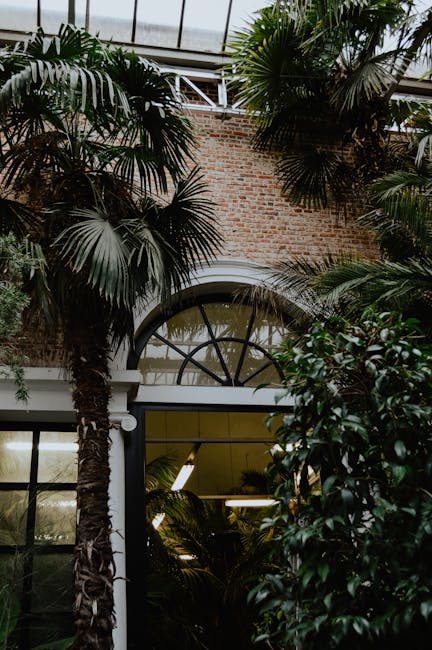
The Orto Botanico Comunale di Lucca is one of the city center’s lesser-known gems. Set in a former municipal estate just steps from the walls, this scientific garden preserves collections of local and exotic species, historic greenhouses and paths structured by low hedges. The moment you enter the atmosphere shifts: the air feels cooler, the scents of earth and aromatic herbs (rosemary, lavender, sage) mingle, and botanical signs explain the plants’ origins and uses.
Don’t miss the compact rose garden with its fragrant blooms in spring and summer; the Mediterranean tree collection, which includes centuries-old olive trees and a small conservation project for local species; and the modest tropical greenhouse sheltering ferns, carnivorous plants and a few orchids, creating a humid bubble that contrasts with the Tuscan climate. Benches and small pavilions invite reading or observation: bring a notebook to jot down species or simply to soak in the calm.
Practical tips: arrive early if you want to avoid school groups (often present mid-day) and to take advantage of the best light for photography. In summer, favor the cooler hours — the greenhouse can become quite hot and humid. The garden is stroller- and wheelchair-friendly along the main paths; for specific needs contact the administration via the municipal website. Finally, respect the signage: some areas are research zones and require quiet and care.
Palazzo Pfanner and its Baroque Garden — A Stage of Topiary and Singing Waters
Address: Palazzo Pfanner, Via degli Asili 33, 55100 Lucca (LU).
Opening hours: April–October: daily 9:30–19:00; November–March: Tuesday–Sunday 10:00–17:30; closed on Mondays.
Prices: Garden only €6.00; combined palace + garden €10.00; reduced seniors/students €8.00; free for children < 6 years.
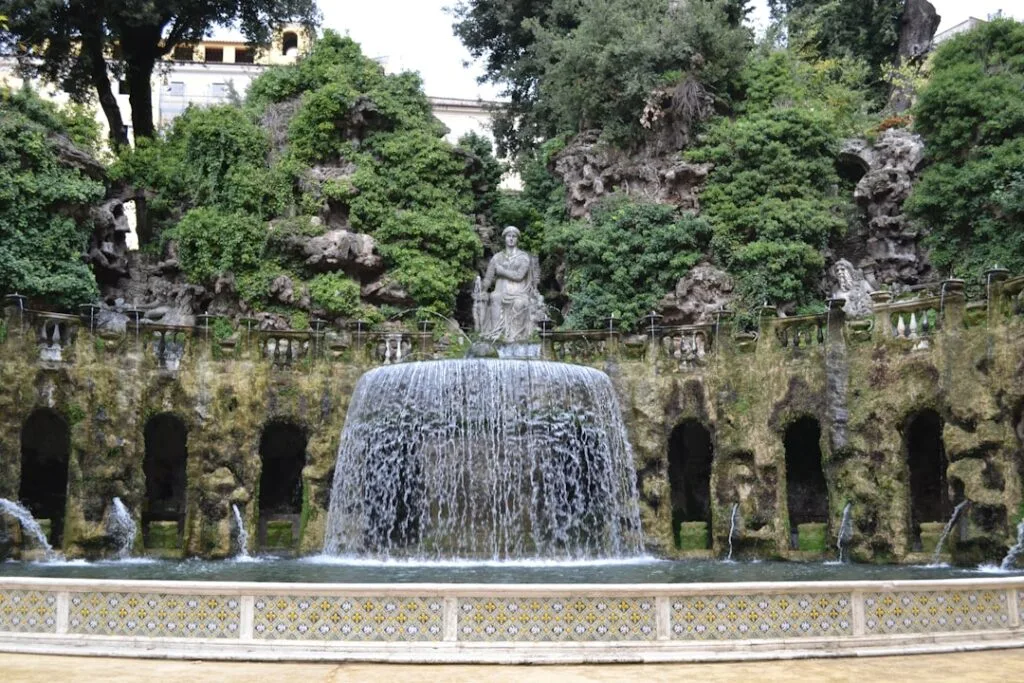
Palazzo Pfanner is one of Lucca’s most photogenic spots. Its baroque garden, perfectly symmetrical, unfolds with gravel paths, stucco statues, topiary and a large central fountain that sets the rhythm with its splashes. Once owned by a family of doctors and collectors, the palace and gardens retain a style that pairs topiary precision with domestic elegance.
As you stroll, look for details: Florentine vases on plinths, reflective pools mirroring plane trees, walls covered in jasmine in summer. The contrast between the geometric order of the flowerbeds and the surrounding medieval lanes is striking. The garden often hosts morning concerti or themed guided tours — check the seasonal program for events.
Practical tips: the garden is small but very popular in high season. For a peaceful visit, aim for the first hour after opening or late afternoon. The combined ticket is worth it if you want to see the richly furnished palace interiors. Photographers: watch for reflections on the water and backlighting; a short focal length (35–50 mm) helps capture the play of perspectives without too much distortion. Nearby, Via Fillungo offers cafés for a post-visit break.
Torre Guinigi — The Tree-Lined Terrace in the Heart of the Historic Center
Address: Torre Guinigi, Piazza della Torre Guinigi 1, 55100 Lucca (LU).
Opening hours: Daily 10:00–18:00 (hours may extend to 19:00 in July/August).
Prices: Tower access (tower climb) €8.00; reduced €5.00 (students); free for children < 6 years.
Torre Guinigi is the iconic image of Lucca: at the top of this medieval tower a tiny garden planted with holm oaks offers a unique terrace with panoramic views over tiles, bell towers and city walls. The experience is both urban and forest-like: after the effort of climbing a narrow spiral staircase, the reward is a small, perched green island where the canopy filters the light and the city feels distant.
Access is ticketed and visitor numbers are limited to preserve the structure and the experience. The visit is short but memorable; the best time is just before sunset, when the city’s stone takes on warm tones and the oaks’ shadows sketch across the roofs. Bring a camera, but respect the space: the summit platform is small — avoid bulky bags and keep a safe distance from the edges.
Practical tips: if you’re prone to vertigo or physical exertion, take your time on the climb. There is no refreshment service on the terrace; bring a bottle of water (and don’t leave any trash). The ticket office usually accepts cards and cash; in high season it’s wise to book online to avoid queues. For a combined outing, plan a walk along the walls (Passeggiata delle Mura) afterward for another leafy perspective of the city.
The Cloisters and Religious Gardens — Silence, History and Micro-Landscapes
The historic center of Lucca contains several cloisters and small gardens attached to former convents and monasteries. These spaces, often tucked between sacred buildings, offer a spiritual and landscape dimension: shaded walkways, centuries-old trees, modest fountains and meticulously maintained beds. Among the most accessible and interesting are:
- Chiostro del Convento di San Francesco — located near Piazza San Francesco. A Franciscan cloister where architectural simplicity highlights beds of medicinal herbs.
- Chiostro della Chiesa di San Michele in Foro — this church and its adjoining space have a small inner garden perfect for a rest after visiting the basilica.
- Cloister of San Giovanni — a small monastic garden transformed into a venue for temporary exhibitions and cultural events.
These clerical gardens are peaceful places where you mostly hear birdsong and the breeze in the leaves. They’re ideal for meditation, writing or simply sitting away from tourist traffic. Access can be free or linked to the church/museum entrance; in some cases a symbolic donation is requested for maintenance.
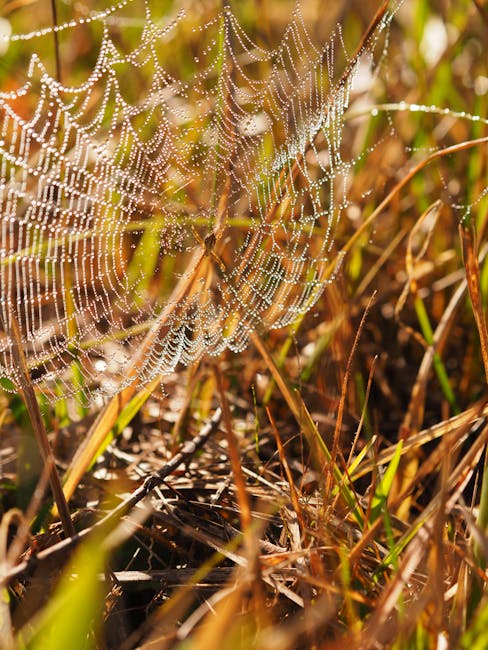
Practical tips: respect places of worship — dress appropriately, keep quiet, and don’t picnic in cloisters still used for religious purposes. If a garden is in use for an event or ceremony, avoid entering and ask staff for guidance. Mornings are ideal for soft light and to catch morning dew on leaves and ancient stone.
Villa Reale di Marlia — A Grand Baroque Garden Just Outside the Center
Address: Villa Reale di Marlia, Via della Villa Reale 1, 55100 Marlia (Lucca) — about 4 km from Lucca’s historic center.
Opening hours: April–October: daily 9:30–19:00; November–March: Wednesday–Sunday 9:30–17:00; closed on Mondays.
Prices: Garden and park €10.00; palace + gardens €15.00; reduced €12.00; free for children < 6 years.
Although technically a little outside the historic core, Villa Reale di Marlia deserves a mention as the pinnacle of the aristocratic gardens Luccans once imagined. The estate covers several hectares and combines French-style gardens, water features, groves and long perspectives. It’s a perfect spot for anyone who wants to compare a grand palace garden to the small urban oases inside the city.
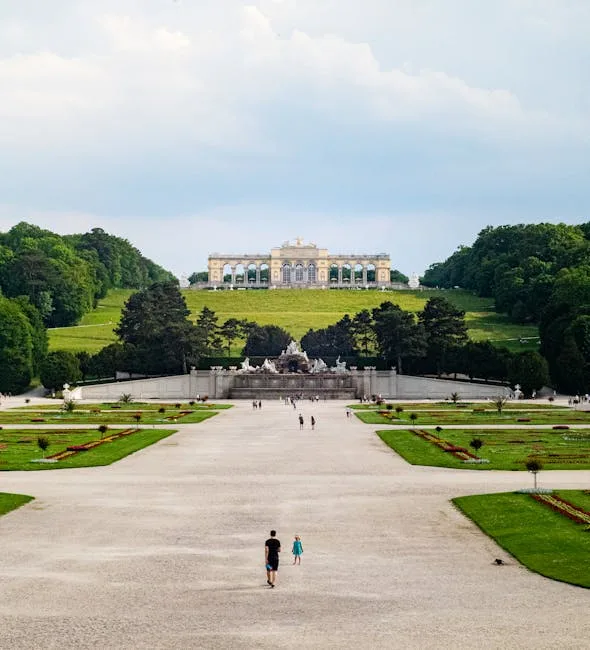
The park includes walkways designed for promenades, antique statues and leafy theatre rooms. You can easily spend a half-day wandering, visit the palace and have lunch at the on-site café. Villa Reale also hosts temporary exhibitions and open-air concerts in the summer.
Practical tips: cycling from the center is a great option (15–25 minutes depending on pace), or take a regional bus from Piazza San Francesco. Wear good shoes, bring water and, if visiting in summer, a hat — the sunny areas are wide and the Tuscan sun can be strong. Check the cultural program before you go to catch special events.
Small Private Courtyards and Converted Patios — Unexpected Micro-Gardens
Between palaces and behind wooden gates, Lucca’s center hides small private courtyards that open to the public occasionally during cultural events like the Giornate del FAI or local festivals. These micro-gardens, often tucked into 15th–18th-century townhouses, mix potted plants, trellises and pergolas. They show how vegetation was integrated into urban domestic life.
These patios are generally accessible during guided tours or open-house days. You’ll find vine-covered walls, miniature pools, seasonal beds and shady corners perfect for reading. Local curators strive to preserve planting authenticity, favoring Mediterranean species and hardy plants suited to the climate.
Practical tips: check with the Lucca tourist office for dates of exceptional openings. Because these gardens are small, follow the rules: don’t touch plants without permission and limit tripod use — it can bother other visitors.
Conclusion — Savor the Gardens as a Full Sensory Experience
Lucca’s hidden gardens offer more than scenery: they’re sensory, historical and human experiences. Each has its own identity — from Palazzo Pfanner’s baroque rigor to the Orto Botanico Comunale’s scientific purpose, from Torre Guinigi’s perched exoticism to the silent cloisters. Exploring these spaces helps visitors understand how vegetation and architecture converse in Lucca to create microcosms where the city breathes differently.
Practically speaking, remember a few golden rules: check seasonal opening hours (especially off-season), favor early morning or late afternoon for the best light and calm, and strictly follow signage and preservation rules. Bring a water bottle, comfortable shoes, a hat and a small notebook to record impressions — most gardens invite a slower pace. Photographers should plan shots to avoid backlight and ask permission if using professional equipment.
Finally, pair garden visits with other local discoveries: a break in an osteria to taste Lucca’s focaccia, a wander along Via Fillungo, or a stroll on the walls that also offer a strip of greenery to admire. Lucca reveals its soul in these green interstices: take the time to sit, listen, smell and observe. The hidden gardens invite you to slow down and, beneath the tourist bustle, hear the steady heartbeat of a city that loves to linger in the shade.
Whether you have a few hours or several days, slip these gardens into your itinerary — they’ll turn a classic visit into a series of small revelations. And remember: often the loveliest garden is the one you return to.