





Introduction
Lucca is a small Tuscan town that unfolds like an open sketchbook: its narrow lanes, amphitheater-shaped squares and verdant ramparts delight the senses and spark the imagination. The art route I propose here isn’t just another tourist loop but an immersive stroll through a compact creative world where artisan workshops, contemporary galleries and historic monuments converse. As you wander the cobbled alleys you’ll come across master glassblowers shaping molten glass in time-honored ways, cabinetmakers carving the passage of time into wood, painters whose studios still smell of turpentine, and small museums safeguarding silversmith treasures and brightly hued altarpieces.
This itinerary is designed for travelers who like to slow down, look closely, ask questions and — when the door is open — step inside places of creation. It mixes must-see sights (Torre Guinigi, San Martino Cathedral, Piazza dell’Anfiteatro) with opportunities to meet local artisans and quiet moments of contemplation on the city walls. Each stop includes practical info: exact addresses, opening hours, indicative prices and tips to make the most of your photos, purchases and conversations with artists. Whether you’re a photographer, an amateur collector, an art student or simply curious, this route will give you a sensitive map of Lucca.
Through the paragraphs you’ll also find recommendations for cafés and squares to jot down impressions, suggestions for sunrise and sunset photo sessions, and tips to spot which workshops welcome walk-ins versus those that prefer appointments. Lucca is small but full of treasures: you just need to know where to lift your eyes — to an oak-topped tower, a baroque façade or a skylight — and dare push open a threshold to be welcomed into a creative world. This guide will hand you the keys to turn a stroll into a true artistic immersion.
The walls, squares and monuments that start the route
Begin your route on Lucca’s famous walls, the Passeggiata delle Mura Urbane, a tree-lined promenade that circles the old town for about 4 kilometers. Address: Passeggiata delle Mura Urbane, 55100 Lucca LU. Open 24/7. It’s the best place to get your bearings and plan your walking route. The walls offer wide views over red roofs, medieval towers and the Tuscan countryside. In the morning the light is soft and ideal for photography; late afternoon brings local joggers and families for a warm atmosphere.
 Click here to book your guided tour of Lucca’s ramparts

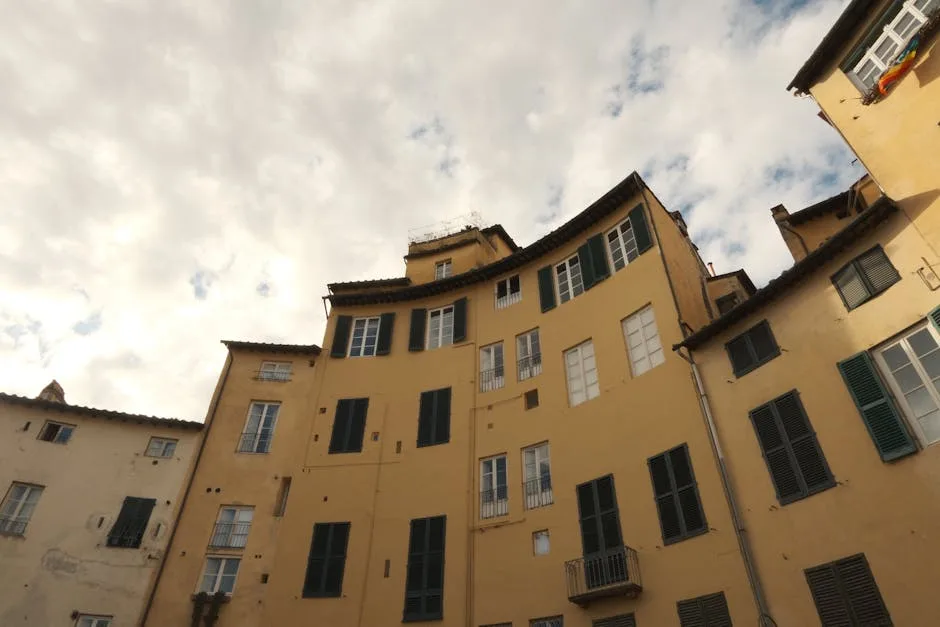
Head down to Piazza dell’Anfiteatro, the unique oval square laid out on the remains of a Roman amphitheater. Address: Piazza dell’Anfiteatro, 55100 Lucca LU. Open access. The square is lined with craft shops, cafés and small galleries. It’s an ideal hub for spotting nearby workshops: number 33 sometimes hosts temporary exhibitions and the façade itself is a favorite subject for painters and illustrators.
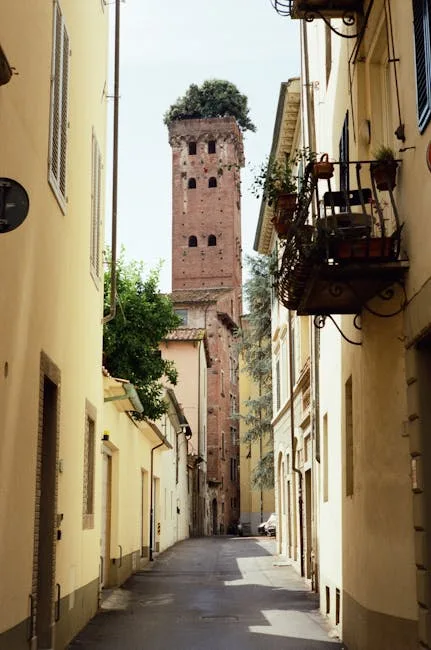
Torre Guinigi rises not far from here and is a must-see to understand the city’s history and artistic spirit. Address: Torre Guinigi, Piazza della Torre Guinigi, 55100 Lucca LU. Opening hours: 9:00–19:00 (seasonal variations). Price: around €6.00 per adult. The tower is famous for its roof garden of oaks, offering a surprising vantage point over the rooftops. The climb (about 230 steps) brings you into a vertical workshop of sorts: small spaces, filtered light and framed views. Inside, panels explain the history of the Guinigi family and the tower’s architectural evolution.
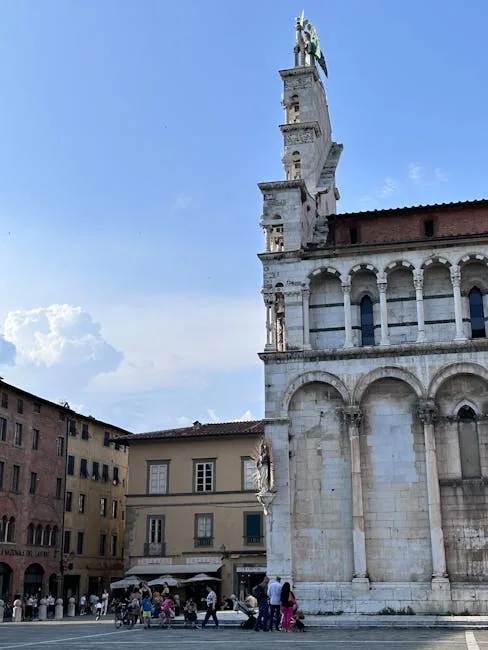
A few steps away, the Cathedral of San Martino (Duomo di San Martino) invites a more spiritual and artistic experience. Address: Duomo di San Martino, Piazza San Martino, 55100 Lucca LU. Hours: 10:00–17:30 (may vary for religious services). Entrance to the church is free; access to the Cathedral Treasury costs about €5.00–7.00 depending on the exhibition. You’ll see the altarpiece and works by Pietro di Puccio and other masters — a clear example of how faith and art intertwine in Lucca.
Workshops, galleries and local crafts
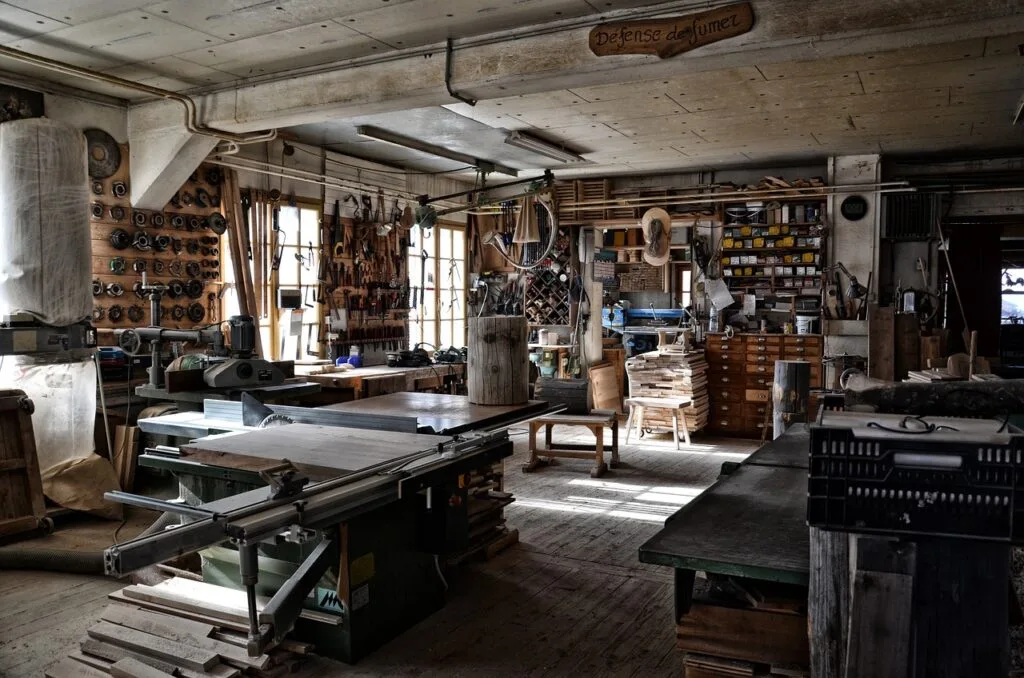
Lucca is a place where artisanal know-how is passed down through generations. Strolling along Via Fillungo and the adjacent lanes like Via delle Conce and Via San Paolino you’ll find workshops open to the public. Main street address: Via Fillungo, 55100 Lucca LU (artisans scattered between numbers 50 and 250). Many studios offer demonstrations: glassblowing, furniture restoration, artisanal printing and ceramics.
Click here to discover the artistic and musical experience in Lucca
Click here to create your own signature perfume in Lucca
Places to prioritize include Palazzo Pfanner, Via degli Asili, 33, 55100 Lucca LU. Hours: 9:00–19:00 (museum and gardens). Price: around €5.00–8.00. The palace houses a neat baroque garden and sometimes hosts temporary art shows; it’s a fine example of the encounter between gardens and decorative arts. Nearby, the master luthier’s home-workshop and small bottegas of early instruments sometimes open by appointment — ask directly at the Tourist Office (Piazza San Michele, 2, 55100 Lucca LU; Hours: 9:00–18:00; Tel: +39 0583 492504).

Don’t miss the contemporary galleries scattered through the side streets, such as Galleria Carducci (approximate address: Via Fillungo 65) where you’ll find paintings and photographs by local artists. Prices vary widely: small prints and postcards €3.00–15.00, original works from €200 to several thousand euros depending on the artist. Many galleries accept card payments, but carrying some cash is handy for spontaneous purchases in workshops.
Art restoration workshops offer another fascinating perspective: watch techniques for consolidating supports, cleaning and retouching. Some offer short guided visits (by appointment) from €10.00–20.00 per person. Finally, take time to talk with artisans: a sincere compliment about their work or a specific question about materials (local oak, blown glass, natural pigments) often opens up rich conversations and sometimes invitations to deeper visits of the workshop.
Suggested route: step-by-step circuit through the streets and studios
I suggest a roughly 3–4 hour walking loop that’s easy to follow and flexible depending on your stops: it blends historical highlights with studio visits. Start: Piazza San Michele — a lively market (address: Piazza San Michele, 55100 Lucca LU). Market hours: mornings, especially Friday and Saturday morning for food stalls and antique stands. Begin with an espresso at one of the Caffè di Piazza and take in the place’s atmosphere before you set off.
Stop 1 (30–40 min): Walk up Via Fillungo toward Piazza San Giusto, window-shopping for crafts and admiring medieval façades. Pause at the antiquarian bookshop if you love old art books. Indicative address: Via Fillungo, 55100 Lucca LU. Cost: free entry; books vary in price.
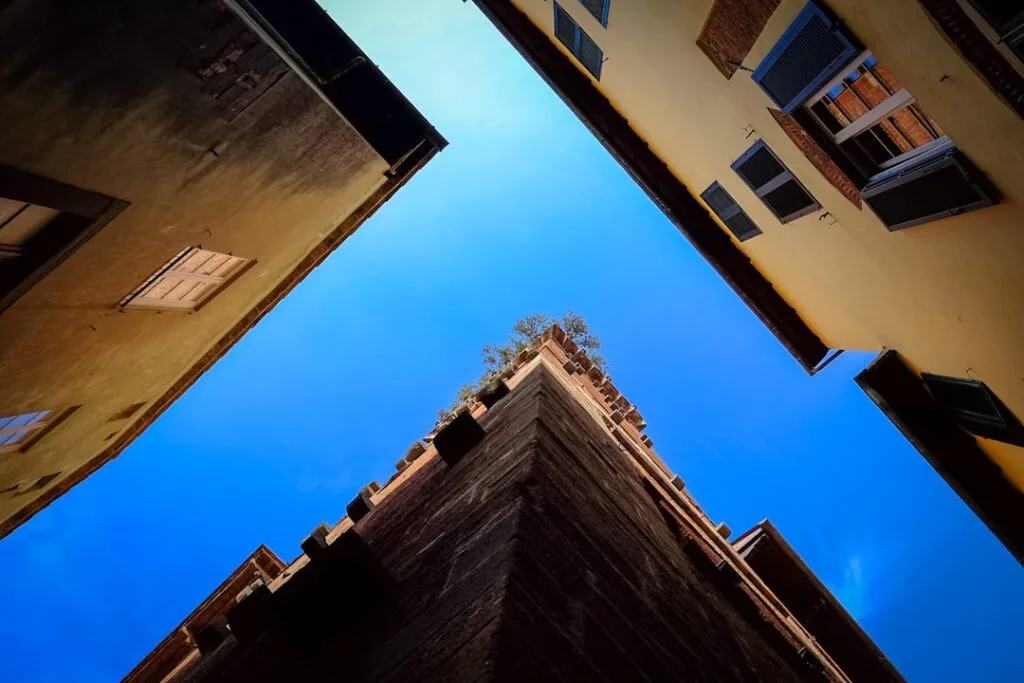
Stop 2 (30–45 min): Head to Torre Guinigi (Piazza della Torre Guinigi). Climb and take your time framing views of the city. Allow €6.00 for entrance and 30–45 minutes for the climb, photos and descent. Tip: avoid the busiest hours of 11:00–15:00 in high season for a quieter experience.
Stop 3 (45–60 min): Descend to Piazza dell’Anfiteatro, explore the surrounding lanes and pop into 2 or 3 open workshops: often you’ll find artisanal jewelers, small ceramics studios and framers. Recommended souvenir/art budget: €20.00–150.00 depending on the piece. If possible, request a short tour of the workshop: some artisans offer a free short demo or one for €5.00–10.00.
Stop 4 (end of route): Finish at San Martino Cathedral (Piazza San Martino). If you want to see the Treasury or special exhibitions, plan for an extra €5.00–7.00 and 30–60 additional minutes. Practical tip: check times for religious services to avoid disturbance — attending a service can also offer a striking atmosphere if you’re welcome.
Click here to join a walking tour of Lucca’s highlights
Practical tips, useful addresses and insider hints
Getting around: Lucca is best explored on foot. Distances between main sites are short. For an overview, a relaxed walk around the walls takes about 1 hour. If you have special mobility needs, some sections of the walls are bike-accessible — check for ramps; the historic center has uneven cobbles.
Click here to rent a city bike to explore Lucca
Click here to book an e-bike tour of Lucca’s villas

Tourist Office: Piazza San Michele, 2, 55100 Lucca LU. Hours: generally 9:00–18:00 (seasonal variations). Phone: +39 0583 492504. This is the place to book studio visits, get an updated list of exhibitions and check exact monument times.
Transport: The main station is Lucca Stazione (Piazza Ricasoli, 55100 Lucca). Regular connections link Pisa (Galileo Galilei airport) and Florence. Local taxis and buses exist, but driving can be a hassle (ZTL zones, limited parking). If you come by car, park in the lots outside the walls (Parcheggio Mazzini, Via del Brennero) and enter on foot.
Budget and times: Expect about €20–40 per person for a simple meal in a local trattoria, €6–15 for a coffee and pastry depending on the venue, €5–8 for most small museums. Artisan workshops may charge a small fee for demonstrations (€5–10) or simply sell their pieces.
Language and engaging with artisans: A little Italian goes a long way. Greeting with a “Buongiorno” or “Buonasera,” and politely asking “Posso guardare?” (May I look?) often opens doors. Always ask permission before photographing in a workshop. For significant purchases, request an invoice or a certificate of authenticity.
Conclusion
The art route through Lucca’s streets and studios is an invitation to slow down and stay curious. Here, art isn’t confined to museum walls: it lives in workshops, on weathered façades, among the suspended gardens of a tower and in the hands of artisans. Starting from the walls and winding down into the lanes via Torre Guinigi, Piazza dell’Anfiteatro and San Martino Cathedral, you trace a loop that reveals the city’s soul — medieval, intimate and firmly rooted in the act of making.
Practically, bring a map, a notebook to jot impressions and a camera. Respect monument hours, book appointments for studio visits where indicated, and plan a budget to support the masters — buying a small local piece is often the most direct way to encourage the transmission of craft. Finally, leave room to stray from the route: a half-open door may reveal a workshop restoring an altarpiece, a courtyard might host an unexpected show, and a café terrace can become the scene of an unlikely encounter with a local artist.
Whatever your profile — photographer, art lover, authenticity seeker — Lucca offers a rich and accessible playground for discovery. Watch the details (stone textures, wood patina, pigment brightness), and remember that the heart of this town beats in exchange: a gesture, a question or a shared look with an artisan can often turn a visit into a lasting memory. Enjoy your artistic stroll in Lucca!