





Introduction — Why Lucca Is a Photographer’s Playground
Lucca (Lucca in Italian) is a compact, well-preserved Tuscan town that’s incredibly photogenic. Enclosed by perfectly conserved Renaissance walls, threaded with medieval lanes, dotted with oval piazzas, ancient towers and secret gardens, it offers an endless palette of scenes for the travel photographer. This guide outlines a photo route designed to capture the essence of Lucca: soft morning light, dramatic backlighting, architectural details, street portraits, panoramic compositions from the walls, and intimate moments in small cafés.
Whether you’re an enthusiast shooting with a smartphone or a pro carrying several lenses, Lucca suits every approach. Distances are short, so you can test different lenses in a single morning: a wide angle to embrace Piazza dell’Anfiteatro, a telephoto to isolate sculptures at Duomo di San Martino, or a 35mm for natural street scenes. The unique geometry of the former Roman amphitheatre, the vertical greenery of Torre Guinigi crowned with oak trees, and the calm of the Passeggiata delle Mura Urbane—all add up to unforgettable images.
Throughout this route I give exact addresses, practical hours, entrance fees in euros, technical tips (best times for light, recommended lenses, suggested settings) and local hacks (where to grab a coffee, how to avoid crowds, off-the-beaten-path alternatives). Landscape photographers will find elevated viewpoints and perfect leading lines; architecture lovers will appreciate ornate façades and carved portals; street-scene hunters will enjoy lively markets and cafés.
Lucca is best explored on foot. The pace is slow, ideal for observing and hunting details. In winter the light is cool but pure; in spring and autumn the town takes on warm, golden hues; in summer the early morning and late afternoon are essential to avoid crowds and capture rich colors. This guide will walk you through five thematic sections, each developed so you can produce a cohesive body of work—from urban panoramas to situational portraits—while minding schedules, budget and local rules.
Before you start, a few practical tips: always bring a small tripod for long exposures at dusk, protective gear for your kit (Tuscany’s weather can change), and comfortable shoes—the cobbles are charming but can be tough on long walks. Respect places of worship and private residences when shooting. Finally, remember to charge your batteries and bring extra memory cards: Lucca invites you to keep pressing the shutter.
1) The City Walls and the Passeggiata delle Mura Urbane — Panoramas and Leading Lines
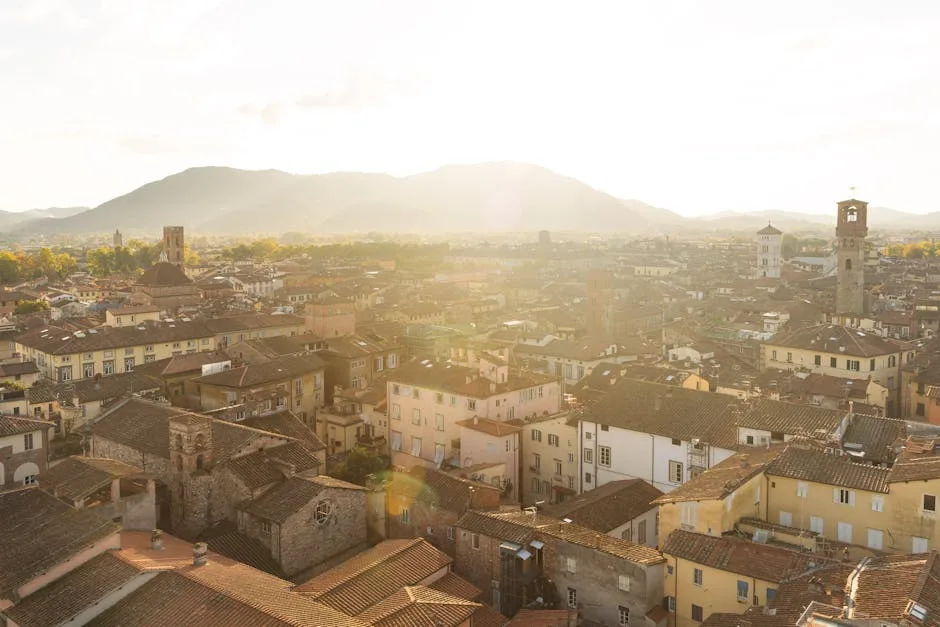
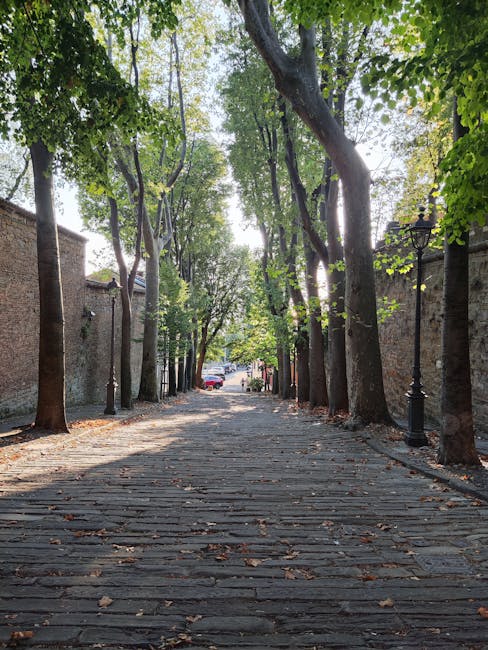
The walk atop Lucca’s walls, known as the Passeggiata delle Mura Urbane (Mura di Lucca), is a must for capturing panoramic views of the town and its red-tiled roofs. These walls, several meters wide and transformed into a planted promenade, form a green belt around the historic center. Access is possible from several gates (Porta San Pietro, Porta Santa Maria, Porta Elisa); a convenient entrance is Porta San Pietro, Piazza San Pietro, 55100 Lucca LU. The promenade is free and open 24/7, but for photography prioritize dawn (around 05:30–07:30 depending on the season) or late afternoon (17:30–20:30), when low light grazes the roofs and creates long shadows.
Technically, a wide-angle lens (16–35mm) will let you capture the curve of the walls, tree-lined paths and surrounding roofs. A telephoto (70–200mm) is useful to isolate façade details or frame tight shots of bell towers and inner gardens. Experiment with leading lines by shooting from one of the walls’ openings: paths, rows of trees and distant silhouettes make very dynamic compositions.
The walls also offer unique viewpoints toward landmarks: Torre Guinigi, the Cathedral of San Martino and the Duomo’s dome. In the evening the golden light warms the tiles and stone. If you enjoy long exposures, set up your tripod discreetly near a bench to capture the lit city: typical settings 5–30 seconds, ISO 100–200, aperture f/8–f/11.
Local tip: arrive early to photograph local joggers and cyclists—they give your images a human scale. On windy days the trees on the walls add interesting motion; try a slow shutter (1/4 to 1/2 second) for artistic blur. If you have time, loop the entire promenade: it’s about 4 km and ideal for scouting different angles throughout the day.
2) Piazza dell’Anfiteatro and Nearby Lanes — Patterns, Symmetry and Local Life
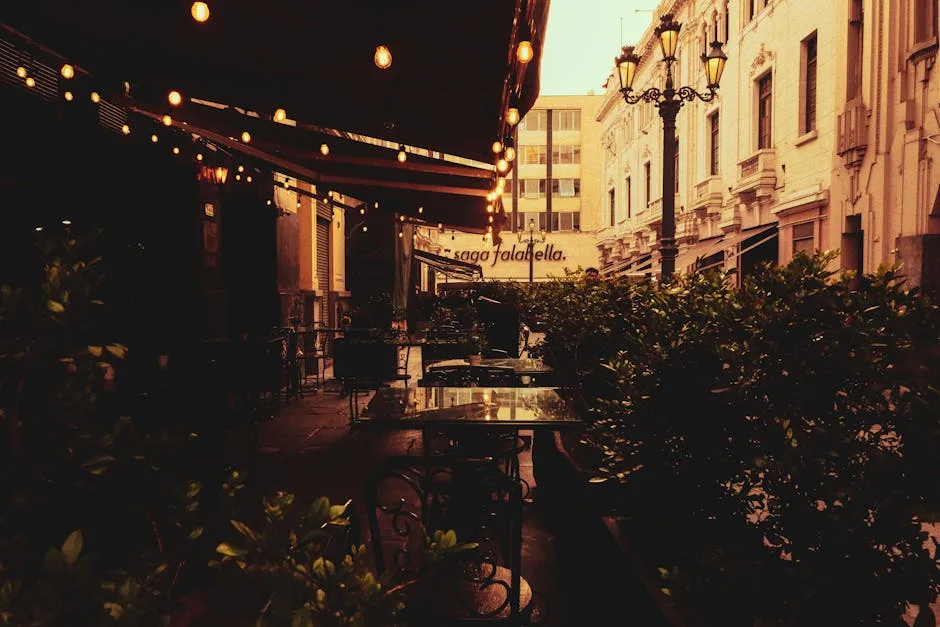
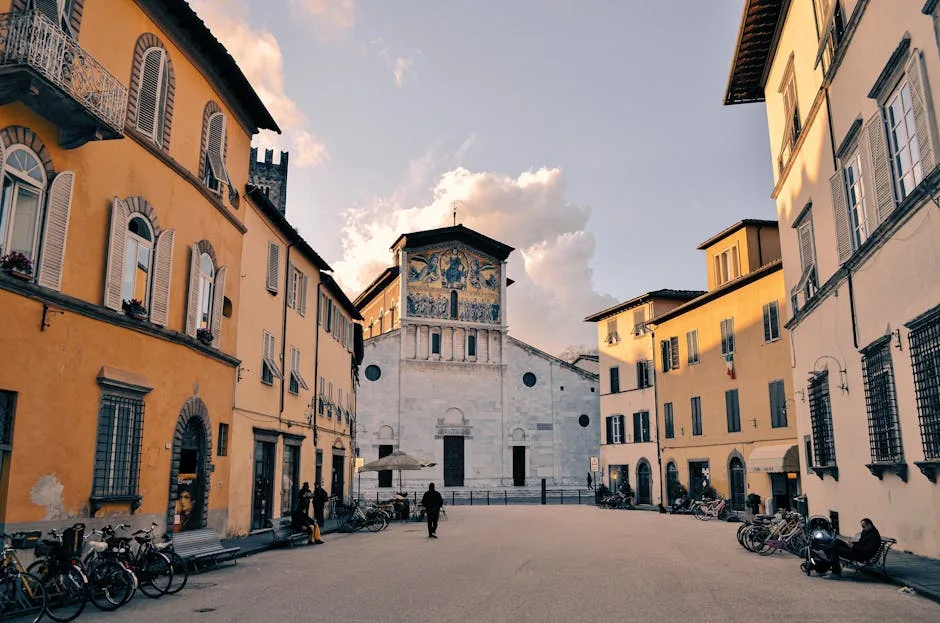
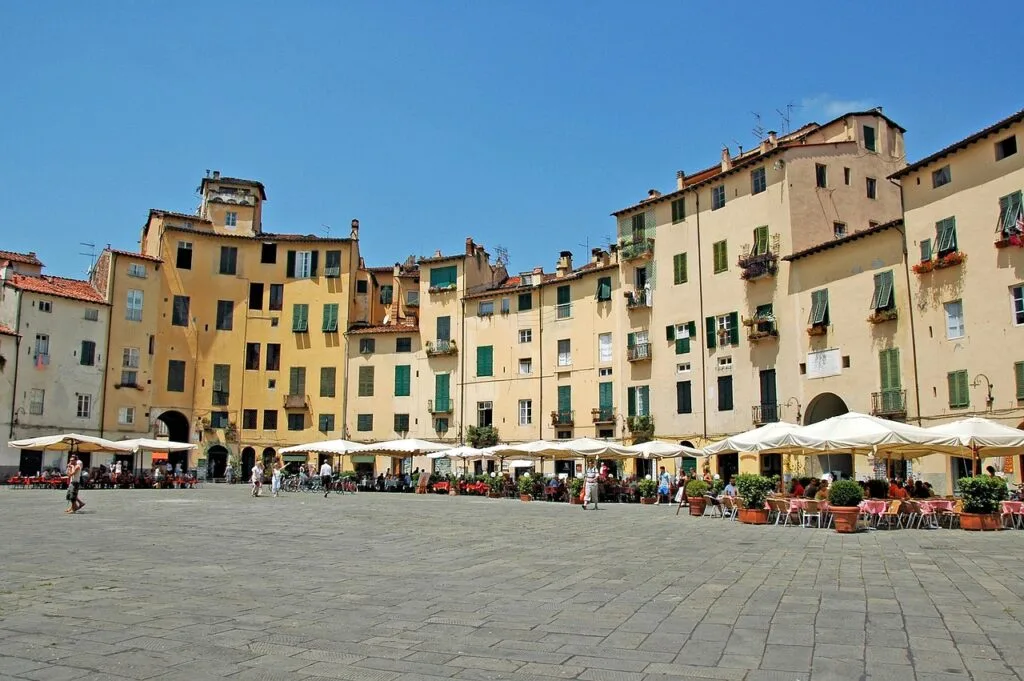
The Piazza dell’Anfiteatro, Piazza dell’Anfiteatro, 55100 Lucca LU, is an oval square built on the foundations of a former Roman amphitheatre. Its elliptical layout and colourful façades create very graphic compositions. It’s perfect for studies in symmetry, contextual portraits and urban architecture shots. The square is lined with cafés and restaurants; for a morning photo scout a café with terrace chairs to include an interesting human foreground.
Hours and cost: access to the square is free. Cafés open early: for example, Caffè del Fienile (example local café—check on site) usually opens around 08:00. For shots with fewer people, the window between 06:30 and 08:30 is ideal. In late afternoon the square takes on a golden atmosphere and the arcade shadows become a compositional element.
In the alleys nearby, like Via Fillungo (the main shopping street), you’ll find repeating patterns: painted shutters, wrought-iron signs, craft shops and small doorways. Main street address: Via Fillungo, 55100 Lucca LU. This street gets busy: use a fast shutter speed (1/200s or faster) to freeze passersby, or try panning to render motion. A 35–50mm lens is perfect for capturing street ambiance without too much distortion.
Technical tips: for environmental portraits, place your subject at the center of the Piazza dell’Anfiteatro curve to play with symmetry. In harsh light, look for shaded arcades for softer results. For architectural details (carved wood, old doors), an 85mm or macro lens lets you compose finely detailed shots.
3) Torre Guinigi, Heights and Vertical Framing — Upward Angles and Rooftop Views
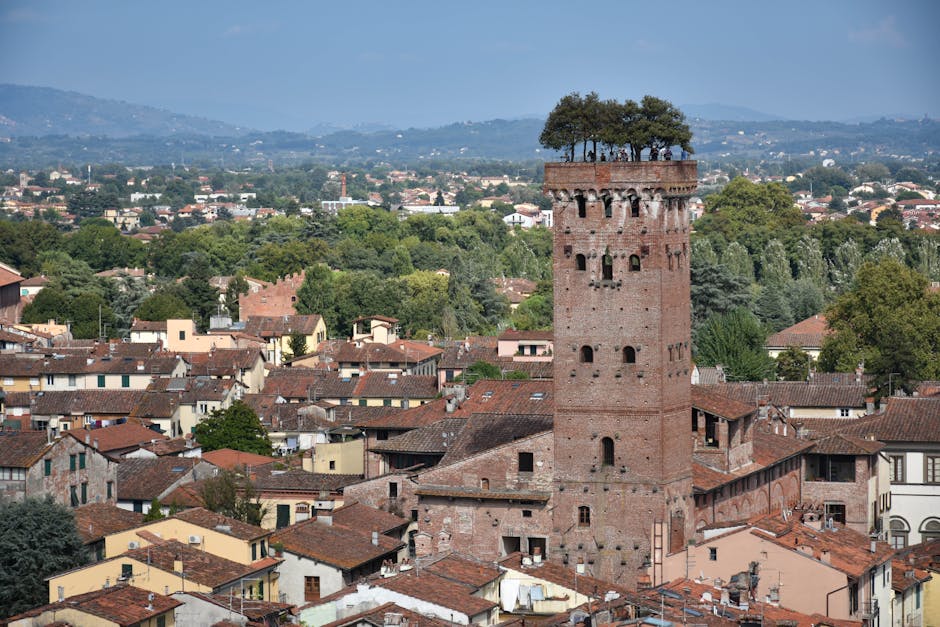
The Torre Guinigi, Via Sant’Andrea, 35, 55100 Lucca LU, is famous for its rooftop oak trees. Climbing this medieval tower not only gives you city panoramas but also an exceptional photographic subject: trees on a roof against the red tiles and the Tuscan hills on the horizon.
Hours and cost: approximate opening times daily 09:00–19:00 (seasonal hours, check locally). Typical admission: €8.00 per adult, reduced rates for youth and seniors (around €5.00). The climb is via a narrow staircase and the summit platform can be limited in capacity, so aim to go early or book if possible.
Photographically, Torre Guinigi lends itself to several approaches: from ground level, shoot upward to emphasize verticality and include the rooftop oaks as a focal point. From the top, favor a telephoto to compress the scene and capture neighboring roofs and bell towers (100–200mm). A polarizing filter helps reduce reflections on tiles and deepen sky colors.
Local tip: the golden light at sunset grazes the hills and makes the oak silhouettes very graphic. For an original cutaway, photograph the oak roots and the stone texture of the tower in close-up. Mind safety: respect barriers and avoid risky shots for the sake of drama. Photographers who love vertical compositions will find Torre Guinigi an iconic subject for a series on Lucca’s towers and silhouettes.
4) Cathedral of San Martino and Nearby Museums — Sculpted Details and Sacred Interiors
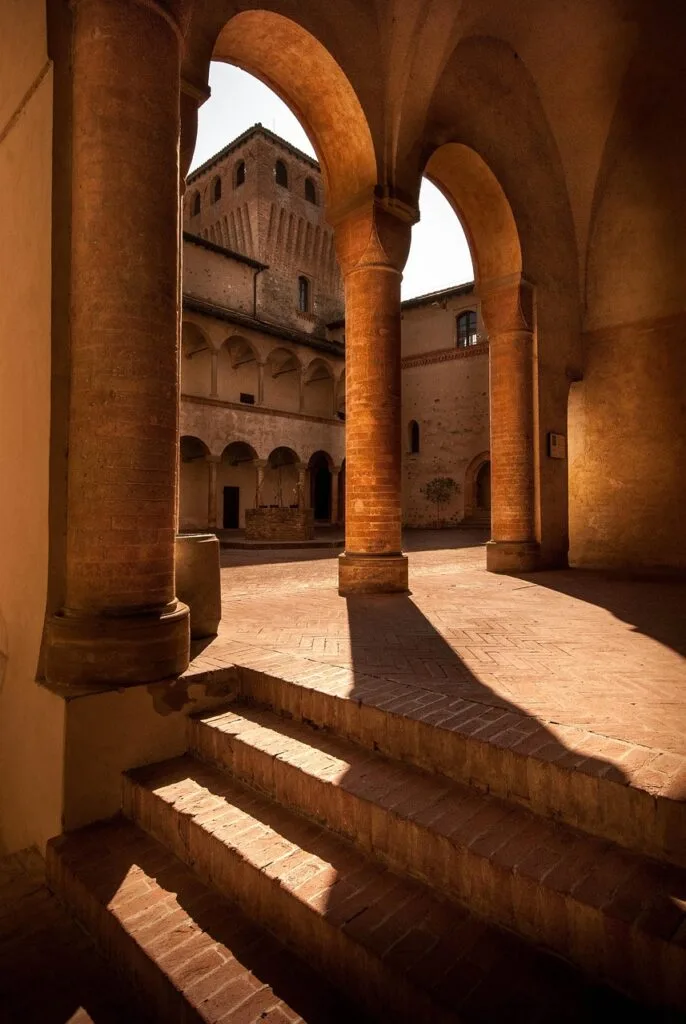
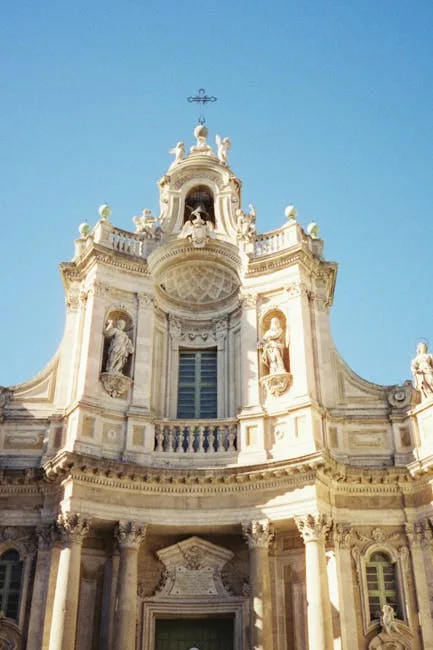
The Cattedrale di San Martino (Duomo di San Martino), Piazza San Martino, 15, 55100 Lucca LU, is one of Lucca’s major religious complexes, rich in sculptures, capitals and artworks. The façade, the carved portals and the interior offer endless possibilities for grand and intimate images. Access to most cathedral areas is free, but some chapels and the adjacent museum may have an admission fee.
Hours and cost: the cathedral is generally open Monday to Saturday 08:30–19:00, Sunday 08:30–12:30 and 15:00–19:00, but times can vary. Entry to certain exhibitions/museums and the Volto Santo (if guided visits are available) may cost between €3.00 and €6.00. Indoor photography can be subject to restrictions (especially flash and reserved areas).
Shooting tips: outside, use a wide-angle to include the façade and the square in front of the cathedral. The best time is morning when the façade is front-lit. Inside, light is often dim; prefer a fast lens (f/1.8–f/2.8) and raise ISO carefully (ISO 800–1600 depending on your camera) or use a discreet tripod if rules allow. Sculpted details demand tight framing: 50–100mm is ideal to isolate carved hands, faces and floral motifs.
Nearby, don’t miss the Museo Nazionale di Palazzo Mansi, Via Galli Tassi, 43, 55100 Lucca LU (usually open 09:00–19:00, ticket around €7.00) for photographable Baroque interiors and old paintings. For street portrait lovers, Piazza San Martino often hosts street vendors and musicians—perfect for narrative images that combine architecture and local life.
5) Secret Gardens and Palaces: Palazzo Pfanner, the Botanical Garden and Intimate Corners
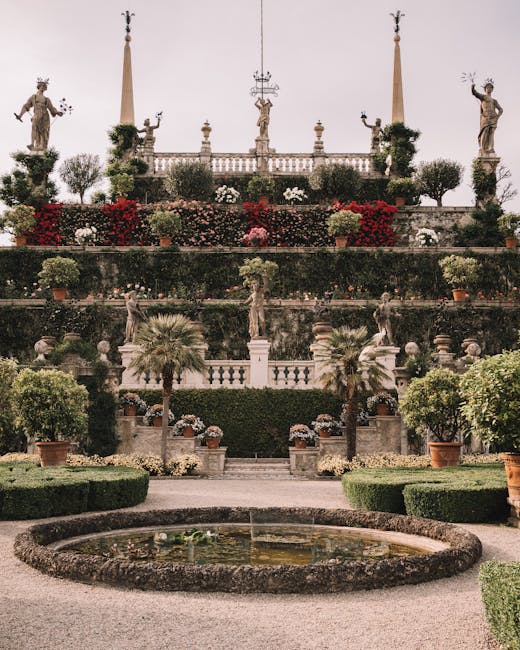
For quieter, greener images, Lucca’s gardens and palaces offer very photogenic settings. Palazzo Pfanner, Via degli Asili, 33, 55100 Lucca LU, is famed for its Baroque garden, stone urns and carefully constructed perspectives. Hours: often open daily 09:00–19:00; admission around €6.00. The garden is ideal for symmetrical compositions, texture studies (moss, stone, fountains) and portraits in filtered light.
The Orto Botanico Comunale di Lucca, Via del Giardino Botanico, 14, 55100 Lucca LU, is another peaceful spot: greenhouses, shaded paths and collections of Mediterranean plants. Approximate hours: 09:00–13:00 and 15:00–18:00 (closed some winter days), fee: often free or symbolic (around €2.00). This setting is perfect for floral macros, color compositions and shallow depth-of-field shots (macro lens or an 85mm at wide apertures).
While wandering residential neighborhoods, look out for inner courtyards (corti), often hidden behind old wooden doors. Exact addresses aren’t always marked but a pleasant stroll between Via Fillungo, Via Santa Croce and the small alleys behind the cathedral will lead you to these oases. Techniques: use fast prime lenses (35mm, 50mm) to create depth and capture an intimate atmosphere. Backlit foliage gives halos that flatter portraits.
Local tip: for a coffee in a green setting after shooting, try small trattorie or cafés around Via dell’Anfiteatro. If you want to photograph villa and palace interiors, check opening days and whether photography without flash is allowed. Some properties organize guided photography tours—ask at the tourist office.
Conclusion — Building Your Photo Series and Extending the Experience
Lucca invites slowness and observation: every alley can become the start of a coherent photographic series. With the walls for panoramas, Piazza dell’Anfiteatro for graphic compositions, Torre Guinigi for verticality and high views, the Duomo for sculpted detail and the hush of interiors, and finally the gardens and palaces for intimate images, you have a complete route to produce a diverse gallery around a central theme: the meeting of stone, vegetation and everyday life.
Final recommendations to optimize your series: vary focal lengths and distances (wide for context, mid for street scenes, tele for details), favor soft light (morning and late afternoon), and think about storytelling—an 8–12 image sequence that moves from panorama to texture, from wide shot to portrait, builds a strong visual narrative. Respect people and places, ask permission for close portraits, and adapt to local conditions (monument hours, closed days).
Remember that travel photography is as much a social practice as an artistic one: talk with locals, have a coffee in a neighborhood bar, chat with a local guide—these encounters will yield unique images and lasting memories. Lucca, with its human scale and gentle way of life, is an ideal playground to experiment and come away with a series that captures not only how the town looks but how it feels. Happy photographic travels and enjoy discovering Lucca!