





Introduction: Pisa to Lucca — a journey full of history and choices
Heading from Pisa to the charming walled city of Lucca is a classic day trip in Tuscany. Only about thirty kilometers apart, the two towns have very different vibes: Pisa is famous for its Torre Pendente (Leaning Tower), its bustling squares and busy train station; Lucca is known for its intact city walls, medieval lanes, garden-topped towers and a much more relaxed pace. You can make the trip by train, bus or taxi — each option has its perks depending on your budget, time, comfort needs and the kind of experience you want.
This practical guide gives you everything you need to decide: exact addresses, indicative prices in euros, typical schedules, local tips and immersive descriptions to help you choose. I cover routes from Stazione di Pisa Centrale (Piazza della Stazione, 56125 Pisa PI) to Stazione di Lucca (Piazza Giuseppe Mazzini, 55100 Lucca LU), travel times, frequency of trains and buses, and estimated fares for taxis and private transfers. You’ll also find recommendations for making the most of Lucca as soon as you arrive: where lines form, the best times to visit Torre Guinigi (Via Sant’Andrea, 35), strolling the Mura di Lucca, and checking out the Cattedrale di San Martino (Piazza San Martino).
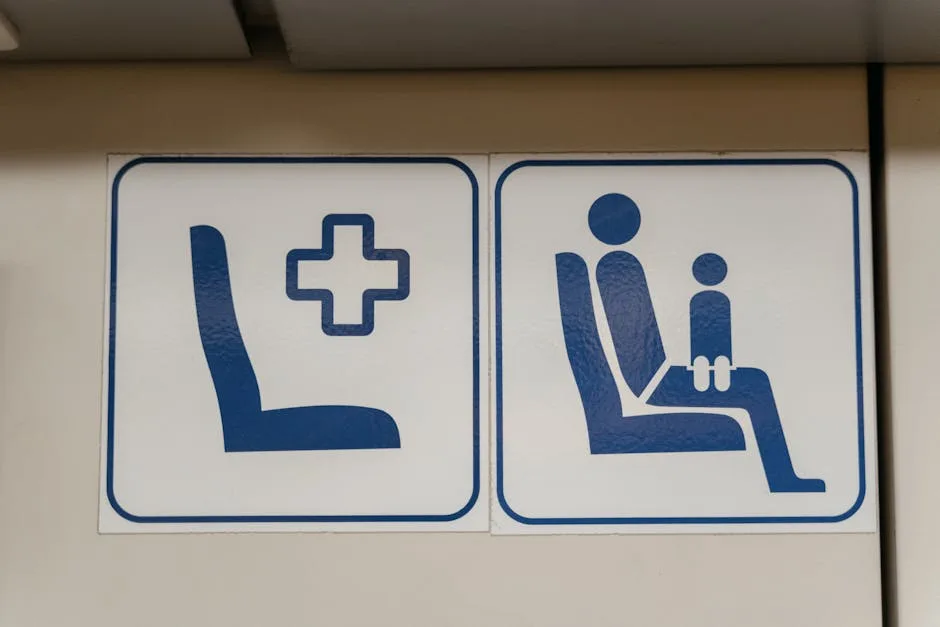
I’ll also note practical differences — ticket validators, staffed ticket offices, buying online, bike transport rules, accessibility for reduced mobility — plus local tips like where to park if you arrive by car, where to exchange a ticket, and when to avoid rush hours. The aim is to help you plan your day (or half-day) in Tuscany with confidence: arrive in Lucca relaxed and ready to enjoy its squares, trattorie and rooftop views. Follow this guide to choose between train, bus or taxi depending on your priorities.
 Click here to book a private full-day tour of Pisa and Lucca
The train: fast, frequent and budget-friendly
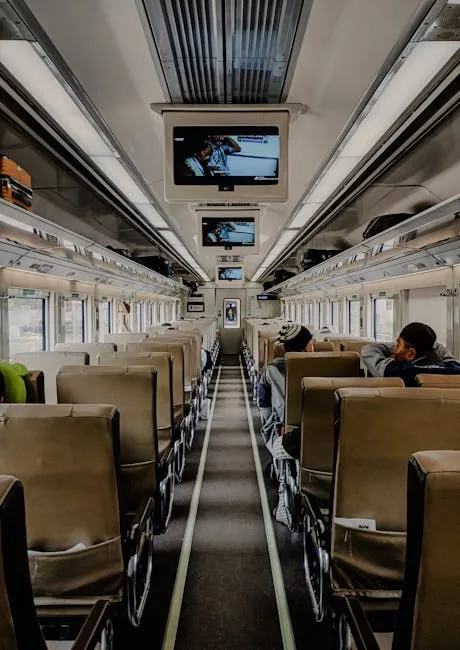
The train is often the go-to option between Pisa and Lucca thanks to its speed, frequency and simplicity. Regional Trenitalia trains link Stazione di Pisa Centrale (Piazza della Stazione, 56125 Pisa PI) with Stazione di Lucca (Piazza Giuseppe Mazzini, 55100 Lucca LU). A direct train usually takes about 20 to 30 minutes; some connections with intermediate stops can take 40–50 minutes. Trains run very regularly, especially in the morning and afternoon — on average every 20 to 40 minutes during the day.
Prices, buying and validating
A one-way regional train ticket is very affordable: expect around €3.00 to €5.00 depending on the service and any promotions. Tickets can be bought:
- at the staffed ticket office of Stazione di Pisa Centrale (the « biglietteria »), usually open from 06:00 to 20:00;
- from ticket machines on the platform (accept cards and cash);
- via the Trenitalia app or website (convenient, but double-check whether regional tickets still require a physical validation);
- some regional tickets still need to be validated before boarding using the yellow ticket punchers on the platform.
Practical tip: keep your ticket until you exit Lucca station. Checks are common on regional trains and fines for traveling without a validated/ticket can be steep. Folding bikes are generally allowed on regional trains without extra charge, but for full-size bikes check local rules and try to travel off-peak.
On arrival, Stazione di Lucca is just a short walk from the historic center: cross Piazza Giuseppe Mazzini and you’ll soon be on the Mura di Lucca or wandering the streets towards Piazza dell’Anfiteatro (Piazza dell’Anfiteatro, 55100 Lucca), a great starting point for exploring. For light travellers who want to make the most of their time, the train often offers the best mix of price, speed and comfort.
The bus: flexible but slower
The regional bus network, mainly run by Autolinee Toscane, also connects various parts of Pisa and Lucca. Buses leave from spots like the Piazzale della Stazione in Pisa and stop at locations in Lucca close to the walls. Travel time varies a lot depending on traffic and number of stops — you should allow roughly 45 minutes to 1h15.
Fares, tickets and practical info
A regional bus fare is generally equal to or slightly cheaper than the train: around €3.00 to €4.50 for an intercity ride. Buy tickets:
- onboard (note: some buses don’t accept cards, so carry cash);
- at tobacconists and kiosks displaying the Autolinee Toscane logo;
- via the Autolinee Toscane app or other local mobility apps.
One advantage of the bus is that it serves neighborhoods not covered by the train — useful if your accommodation in Lucca or your starting point in Pisa isn’t close to a station. On the flip side, buses are more vulnerable to traffic, especially during rush hours (07:30–09:30 and 17:00–19:00) and on market days or during local events in Lucca like the Lucca Summer Festival.
Local tip: if you have bulky luggage or a stroller, opt for the train. For cheaper trips with scenic views of the Tuscan countryside and stops in small towns along the way, the bus can be very pleasant. Also check Sunday schedules (often reduced) and whether you can buy a discounted return ticket.
Taxi and private transfer: comfort, speed and door-to-door service
Taking a taxi or private transfer between Pisa and Lucca is the most comfortable and direct option. It’s ideal for groups, families with heavy luggage, or anyone who wants to maximize time on site without worrying about connections. Driving time is about 30 to 40 minutes depending on traffic.
Rates and recommended providers
Taxi fares between Pisa and Lucca vary by time of day, number of passengers and luggage requirements, but expect roughly €30 to €50 for a standard ride from the Aeroporto Internazionale di Pisa – Galileo Galilei (Viale del Brennero, 56025 Pisa PI) or from Pisa Centrale. Private car transfers with a driver (servizi transfer) typically cost between €40 and €80 depending on vehicle type (sedan, minivan) and included services.
- Examples: Radio Taxi Pisa (local numbers available at the station), and private transfer services bookable online.
- From the airport, fares may include a luggage surcharge and a night fee (after 22:00).
The major perk: a taxi will drop you off right at your accommodation’s entrance inside Lucca’s historic center, while private cars are often restricted in ZTL areas (zona a traffico limitato). Make sure the driver drops you off in an authorized area or explains where to leave your bags so you can reach your lodging on foot.
Practical tip: if you’re traveling with kids or sports equipment (bikes), tell the taxi company in advance. To avoid surprises, ask for a fixed transfer fare or use a booking service that provides written confirmation. Always keep the taxi company’s phone number handy in case you need a late return to Pisa.
Visiting Lucca after arrival: must-sees and local tips
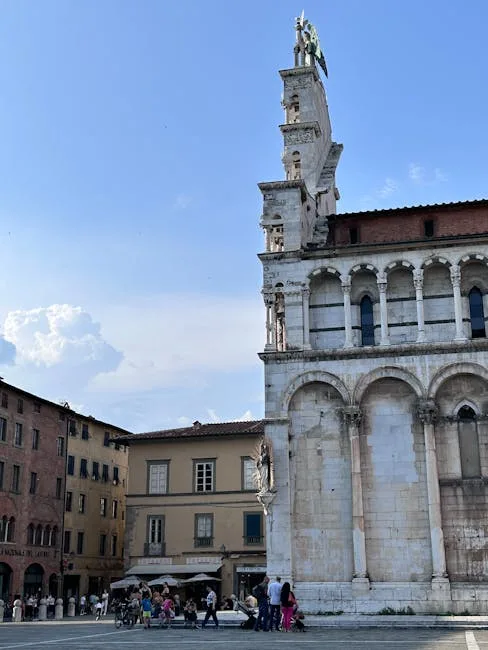
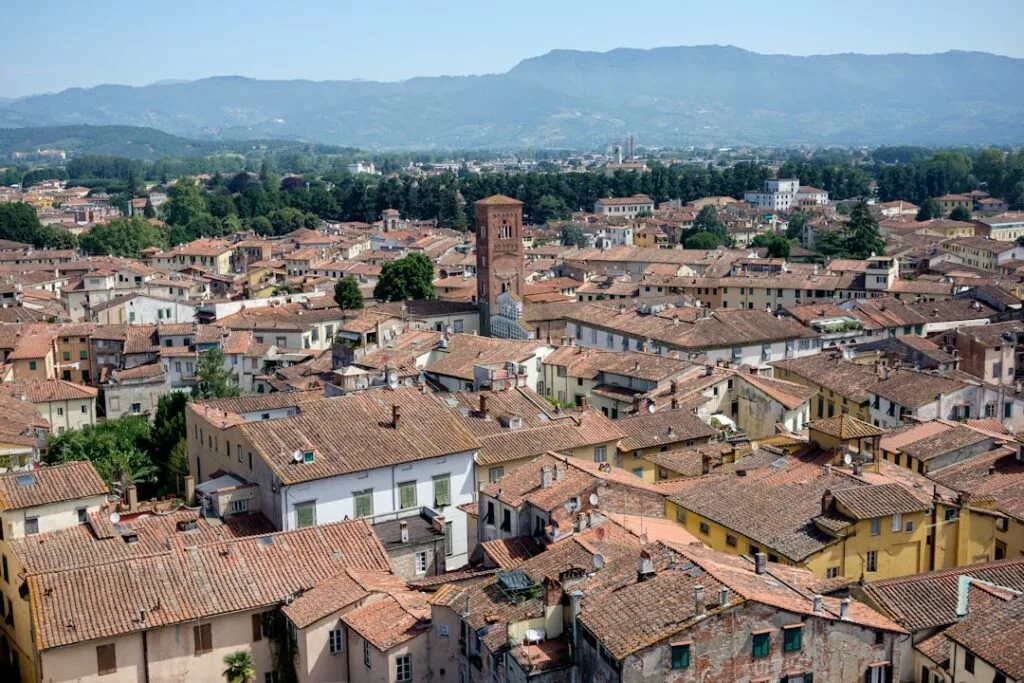
Once you arrive in Lucca, several sites deserve your immediate attention. Many visitors start with a walk along the Mura di Lucca (Walls of Lucca), converted into a pedestrian and cycle promenade with panoramic views over roofs and towers. For architecture and museum visits:
- Torre Guinigi, Via Sant’Andrea, 35, 55100 Lucca — Typical hours: 09:00–19:00 (varies by season). Entry: around €5.00 to €8.00. Climb up to see the oak trees on the rooftop and enjoy the breathtaking view; be ready for narrow steps.
- Cattedrale di San Martino, Piazza San Martino, 55100 Lucca — Typical hours: 08:30–19:00. The cathedral is free to enter, though some chapels or adjoining museums may charge (€3.00–€6.00).
- Piazza dell’Anfiteatro, Piazza dell’Anfiteatro, 55100 Lucca — always open. The former Roman amphitheater turned elliptical square is perfect for a coffee or lunch on a terrace.
- Basilica di San Frediano, Piazza San Frediano, 55100 Lucca — Typical hours: 09:00–18:00. Admire the mosaic façade and the bright interior.
Local tips: rent a bike to do the full circuit of the walls — several rental shops are near the station and on Piazza Napoleone. Wear comfortable shoes for the cobbled lanes. Lunch (12:30–14:30) and dinner (19:30–22:00) are perfect times to try local trattorie: taste specialties like torte di erbi, farro soup (zuppa di farro) or a simple, delicious focaccia. If you’re visiting in high season (May–September), book tickets in advance for popular attractions, especially Torre Guinigi.
Click here to book a city bike rental for Lucca
Click here to book an e-bike tour of Lucca’s walls
Local tips: rent a bike to do the full circuit of the walls — several rental shops are near the station and on Piazza Napoleone. Wear comfortable shoes for the cobbled lanes. Lunch (12:30–14:30) and dinner (19:30–22:00) are perfect times to try local trattorie: taste specialties like torte di erbi, farro soup (zuppa di farro) or a simple, delicious focaccia. If you’re visiting in high season (May–September), book tickets in advance for popular attractions, especially Torre Guinigi.
Conclusion: which option suits you best?
Choosing between train, bus and taxi from Pisa to Lucca comes down to three main factors: time, budget and comfort. If you want the most economical and fastest way to reach Lucca’s heart, the regional Trenitalia train between Stazione di Pisa Centrale (Piazza della Stazione, 56125 Pisa PI) and Stazione di Lucca (Piazza Giuseppe Mazzini, 55100 Lucca LU) is probably the best compromise: tickets around €3–€5, frequent departures and arrival close to the historic center. It’s ideal for solo travelers or small groups without heavy luggage.
The bus, run by Autolinee Toscane, is useful if your starting point or destination isn’t near a station, if you want a cheaper option with intermediate stops, or if you prefer a slower glimpse of the Tuscan countryside. However, it’s more subject to traffic delays and requires some patience. Taxis and private transfers are the most comfortable and fastest door-to-door choice, especially for families, travelers with a lot of luggage or those who want to avoid stairs and connections: budget €30–€80 depending on the option.
Whatever you choose, plan ahead: check schedules (regional trains and buses run less often on Sundays), remember to validate your tickets and learn about Lucca’s ZTL zones if you arrive by car. Finally, allow at least half a day to wander Lucca: climb Torre Guinigi (Via Sant’Andrea, 35), listen to the organ at Cattedrale di San Martino (Piazza San Martino) and enjoy a focaccia at a small local bakery — experiences that make the trip well worth it. Enjoy your travels in Tuscany and soak up Lucca’s unique atmosphere!