





Introduction
Traveling between Pisa and Lucca is one of the most charming and straightforward trips you can make in Tuscany. Only about thirty kilometers apart, the two towns have very different vibes: Pisa with its world-famous Piazza dei Miracoli and iconic Leaning Tower, and Lucca with its Renaissance walls, medieval lanes and peaceful squares like the Piazza dell’Anfiteatro. The train is often the best option to link the two — it’s fast, frequent and offers a genuine local experience. In this practical, detailed guide we’ll break down the best train options for getting from Pisa to Lucca, with exact addresses, timetables, typical prices, handy tips and evocative descriptions so your transfer goes smoothly and enjoyably.
Pisa’s main station is Pisa Centrale (Piazza della Stazione, 56125 Pisa PI), a well-connected hub served by regional and national trains. On the Lucca side, the most convenient arrival point for accessing the historic center is Stazione di Lucca (Piazza Ricasoli, 55100 Lucca LU), just minutes on foot from the city walls and most attractions. A direct regional train usually takes between 25 and 35 minutes depending on the service, with high frequency — often a train every 20 to 40 minutes during the day. Tickets are budget-friendly: a standard regional fare typically ranges from €2.50 to €5.00 per person, though prices can fluctuate a little with seasonality and promotions.
This complete guide explains the different services (treni regionali, occasional Intercity on parts of the line, and connection options), where to buy tickets (counters, machines, Trenitalia app, Trainline, Omio), ticket validation rules, and practical tips to start enjoying Lucca the moment you step off the train (bike rentals on the walls, walking tours, opening hours for top sights like the Cattedrale di San Martino, Torre Guinigi, the Puccini birthplace museum or the Piazza dell’Anfiteatro). We include exact addresses, current opening hours where possible, entrance fees for major sites and local tips — for example where to sample authentic Lucchese focaccia or avoid queues at ticket desks.
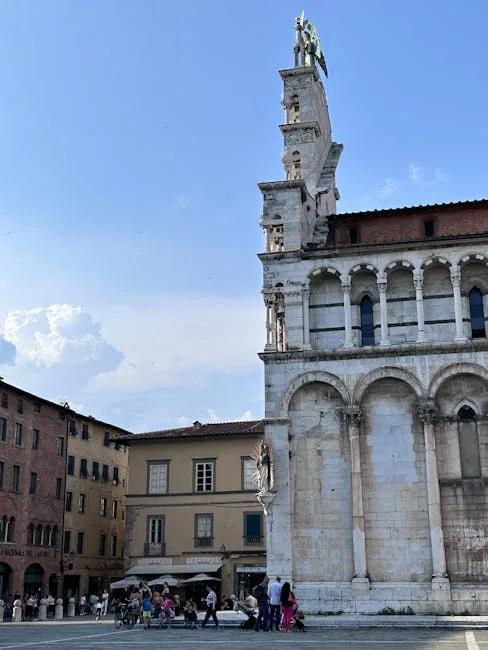
Whether you’re planning a short transfer between airports and city centers or a day trip from Pisa, this dossier will let you approach your journey with confidence. Follow our recommendations to pay the right fare, board the correct train, and arrive facing Lucca’s majestic walls — ready for a bicycle ride along the ramparts or a coffee on Piazza San Michele. We’ve also added visual cues
 Click here to rent your bike for the day in Lucca
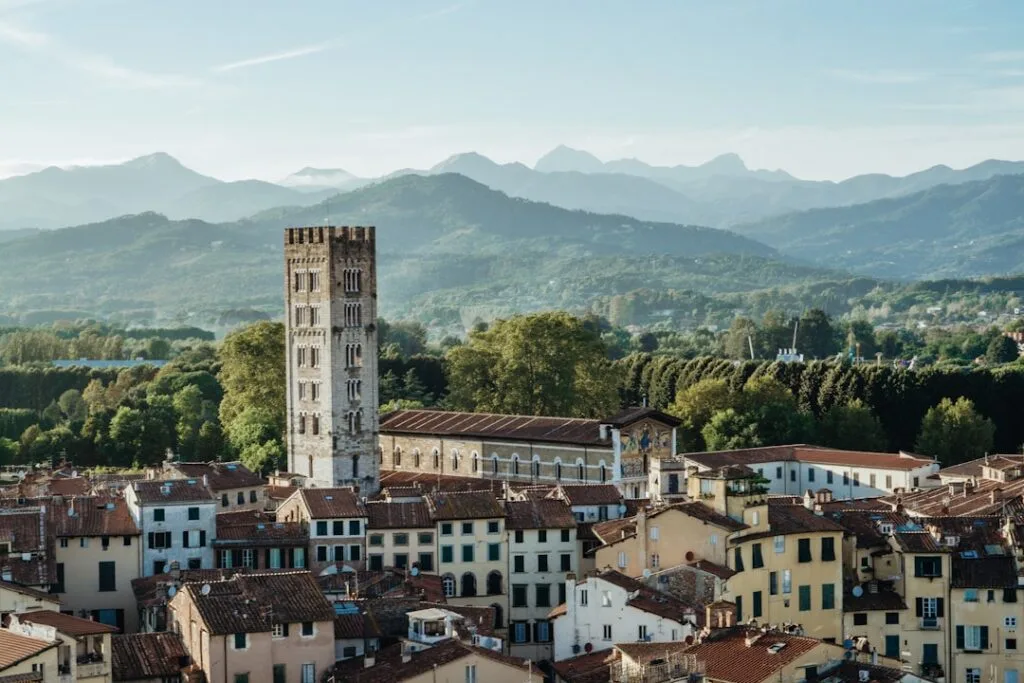
for visualizing the scenery and points of interest along the way.
1) Station overview and route: Pisa Centrale → Stazione di Lucca
Knowing the stations ahead of time makes the trip much easier. Pisa Centrale is located at Piazza della Stazione, 56125 Pisa PI. It’s a busy station with ticket vending machines (biglietteria automatica), Trenitalia ticket windows (typically open 06:00–20:00 depending on season) and services like luggage storage, cafés and tobacco shops. Trains to Lucca depart from different platforms depending on the time — always check the departure boards (AVVISO – BINARIO). If you arrive at Aeroporto Internazionale di Pisa « Galileo Galilei » (Pisa Airport, Piazzale D’Assisi 30), a dedicated shuttle train connects the airport to Pisa Centrale in a few minutes; alternatively there are dedicated buses for the transfer.
Stazione di Lucca is at Piazza Ricasoli, 55100 Lucca LU. It’s perfectly placed for the historic center: expect about a 15–20 minute walk to Piazza dell’Anfiteatro or 5–10 minutes to the main gate of the walls (Porta San Pietro or Porta Santa Maria depending on your route). Lucca station also has ticket machines, a tourist information desk (hours vary, often 09:00–17:00), taxis waiting outside and several bike rental points nearby.
Duration and frequency: regional trains (treni regionali) run frequently between Pisa Centrale and Lucca — generally every 20–40 minutes during the day. A direct journey takes roughly 25–35 minutes. Some services stop at Pisa San Rossore (Via San Rossore, 56100 Pisa PI) — handy if you’re visiting other Pisa sites — or Cascina, but most travelers prefer the fast direct links between Pisa Centrale and Lucca. Early departures start around 05:30–06:00 and the last trains run around 22:30–23:30 depending on the seasonal timetable — check Trenitalia or the app for the exact schedule on your travel day.
Fares and ticket types: regional fares are very reasonable — expect to pay around €2.60 to €5.00 for a second-class regional ticket. Intercity fares are pricier and rarely necessary for this short route. Tickets can be bought at vending machines (cash and card), at ticket counters and via the Trenitalia app (e-tickets). Important: paper tickets for regional trains must be validated before boarding at the yellow/green validation machines (convalidatrice) on the platforms. Electronic tickets on the app are valid without paper validation but must be shown on your phone during inspections.
2) Trenitalia regional trains: the most practical option
Treni regionali run by Trenitalia are the most common and practical way to get from Pisa to Lucca. Pros: high frequency, low fares and direct services. The trains are usually modern, with standing room and conventional seating, sometimes air-conditioned depending on the train set. Services typically call at Pisa Centrale (and often Pisa San Rossore) and continue to Lucca on the Pisa–Lucca line. A standard direct trip takes about 25–35 minutes.
Typical schedule: trains start early (first departures around 05:30–06:00) and run late (around 22:30–23:30), with a high daytime frequency (every 20–40 minutes). For precise times on your travel date check the official Trenitalia website (trenitalia.com) or the mobile app. During high tourist season (April–October) frequency may increase, especially in the mornings and afternoons to accommodate visitor flows.
Buying your ticket: purchase at the Trenitalia ticket window (Pisa Centrale, usually open 06:00–20:00), at vending machines (available at Pisa Centrale and Stazione di Lucca), or online via the Trenitalia app, Trainline or Omio. Paper tickets must be validated (stamped) at the yellow/green machines before boarding; if you use an electronic ticket, show the QR code on your phone if asked. Indicative price: €2.60 to €4.50 for a standard second-class ticket, depending on time and fare zones crossed.
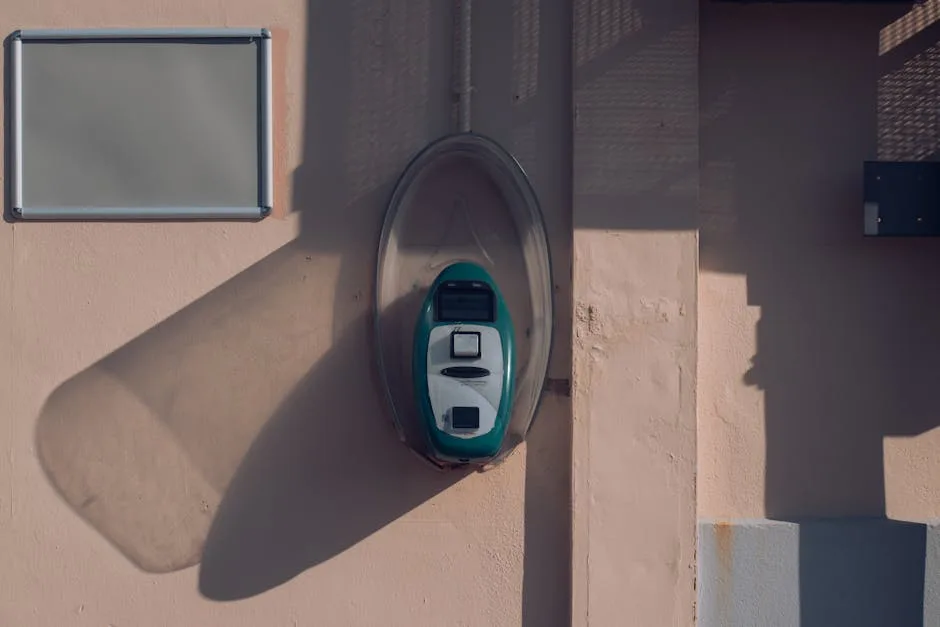
Practical tips:
– Board at the front carriage if you want to be nearer the Lucca exit (saves time when disembarking and reaching the walls).
– On-board inspections are common; keep your ticket visible.
– If trains are busy (weekend summers are especially crowded), get to the platform a few minutes early.
– If you have bulky luggage, avoid peak morning and late-afternoon times for a more comfortable ride.
3) Intercity options and connections: when to consider them
For most travelers between Pisa and Lucca, regional trains suffice. However, there are cases where Intercity or a connection makes sense: if you arrive from a major city (Florence, Rome, Milan) on an Intercity or Frecciarossa to Pisa Centrale and want a quick onward connection, sometimes Intercity services or combined connections can help. Note that high-speed trains don’t run directly between Pisa and Lucca on this short branch — you’ll usually transfer to a regionale for the final kilometers.
Fares and duration: Intercity tickets (when used for part of the route) are more expensive — typically above €10–20 for longer segments — and are unnecessary for the short Pisa–Lucca leg. If your ticket covers a longer itinerary (for example Rome → Pisa → Lucca under a single booking), check connection rules carefully: sometimes a 20–40 minute transfer is enough, other times you may need longer depending on schedules.
Practical connections: if you arrive at Pisa Centrale on a long-distance train, exit quickly to your platform and look for regional trains to Lucca on the departure boards (Partenze / Arrivals). The Pisa Centrale information desk can assist with tight connections. If your main train is delayed, approach Trenitalia staff for rebooking or guidance on the next trains to Lucca.
Transit tips:
– If you hold one booking covering the whole journey (with a connection), rail staff are usually more accommodating in case of delays.
– If you’re carrying large luggage and are in a hurry, consider a taxi from Pisa Centrale to Lucca’s historic center; drive time is roughly 30–45 minutes depending on traffic and a ballpark fare is €70–100 (varies by provider and time of day).
– Apps like Trainline or Omio sometimes show optimized connections to minimize waiting time.
4) Buying tickets, detailed prices and practical rules
Buying a ticket for the Pisa–Lucca trip is easy but there are a few rules to avoid surprises. Where to buy: Trenitalia counters, vending machines (available at Pisa Centrale and Lucca), travel agencies, and mobile apps (Trenitalia, Trainline, Omio). Paper tickets bought at a counter or machine must be validated before boarding regional trains in the yellow/green stamping machines (convalida). Tickets bought through the Trenitalia app are electronic (e-ticket) and do not need stamping, but you must be able to show the QR code on your phone during inspections.
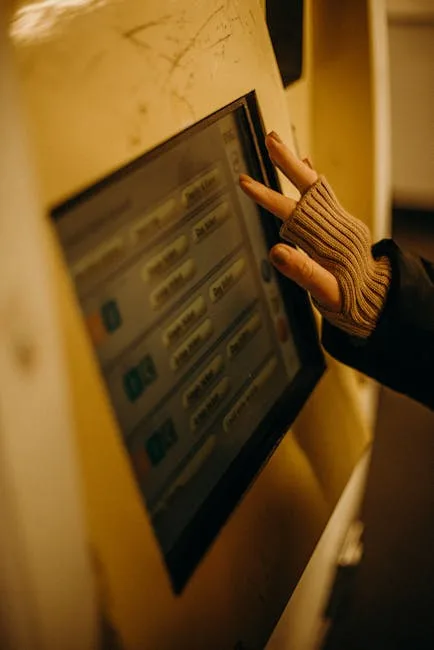
Indicative prices (approximate update):
– Regional ticket Pisa Centrale → Lucca: €2.60 – €5.00 (varies slightly with zones crossed and local pricing).
– Return ticket: same range.
– Bike rental in Lucca (typical): €6 – €15 for the first hour, about €15 – €25 for half a day.
– Torre Guinigi entry: roughly €5 – €8.
– Casa Natale di Giacomo Puccini museum: around €6 – €10.
These prices are indicative; check official attraction sites for seasonal confirmations.
Payment methods: cash (euros) are accepted, bank cards (Visa, Mastercard) widely accepted at machines and counters. Some small shops and cafés may prefer contactless. Carry a little cash for small purchases or in case a machine is out of order.
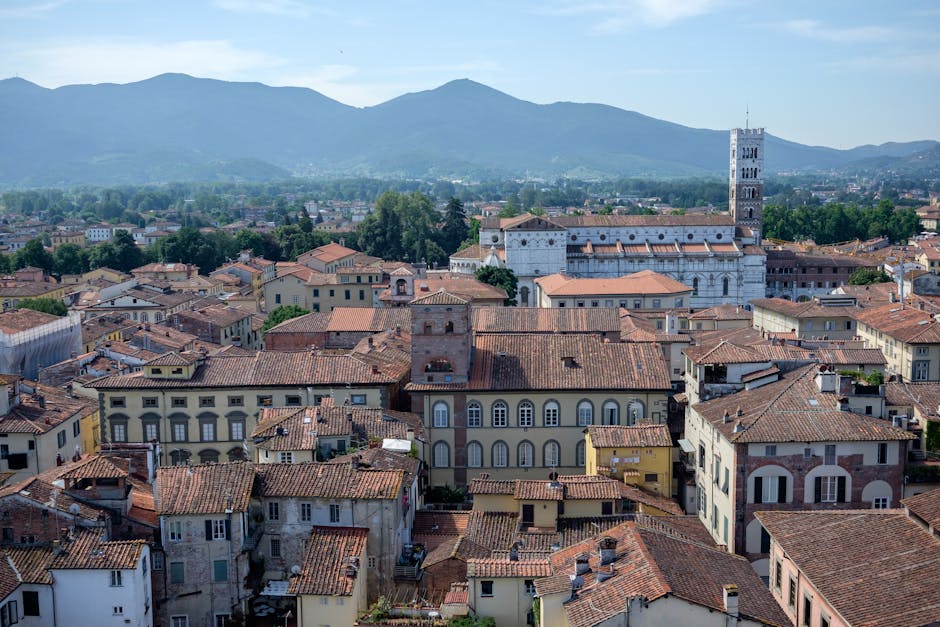
Important rules:
– Validation: mandatory for paper regional tickets. Inspectors issue fines for unvalidated tickets.
– Inspections: keep your ticket handy; controllers will often ask to see a paper ticket or the QR code on your phone.
– Reservations: not required on regional trains. Intercity or Freccia services sometimes require seat reservations, but they’re unnecessary for Pisa–Lucca.
– Luggage: keep valuables with you; regional carriages can get crowded during peak tourist times.
5) Arriving in Lucca: sights, addresses, hours and local tips
Arriving at Stazione di Lucca (Piazza Ricasoli, 55100 Lucca LU) puts you within easy walking distance of the main sights. Here’s a guide to the must-see places, with exact addresses, typical opening hours and tips for an immersive visit.
- The Mura di Lucca (City Walls) — Main access from Porta San Pietro or Porta Santa Maria. Suggested entrance address: Viale Francesco Giannotti, 55100 Lucca LU (multiple access points around the old town). Hours: the walk is open 24/7 (shops and rentals on the walls have varying hours, usually 09:00–19:00). Description: a stroll along the Renaissance ramparts offers green views and the option to rent a bike to ride the full circuit (about 4 km).
- Cattedrale di San Martino (Lucca Cathedral) — Piazza San Martino, 55100 Lucca LU. Typical hours: 10:00–18:00 (may vary for religious services and seasons). Entry: the main church is free to enter, though certain chapels or the treasury may charge around €3 – €5. Description: carved façades, treasures like the Volto Santo and the Tesoro chapel; great in the morning for soft light on the stone.
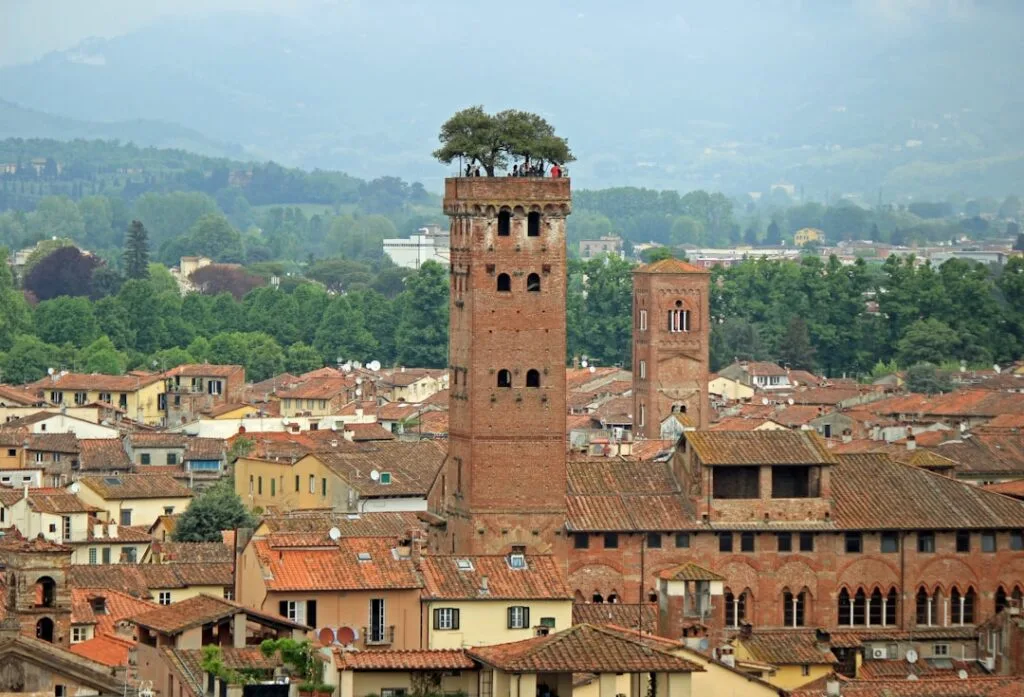
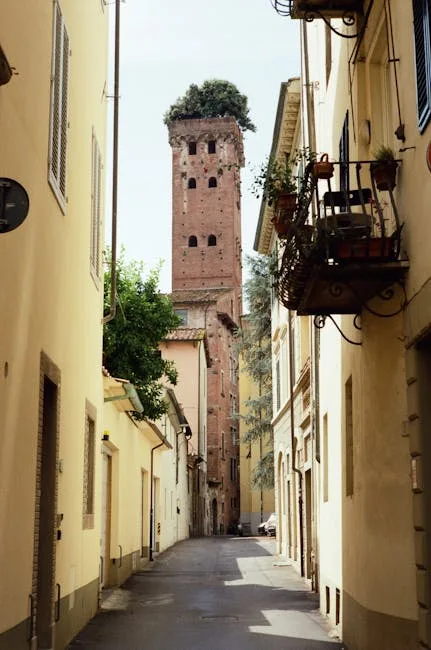
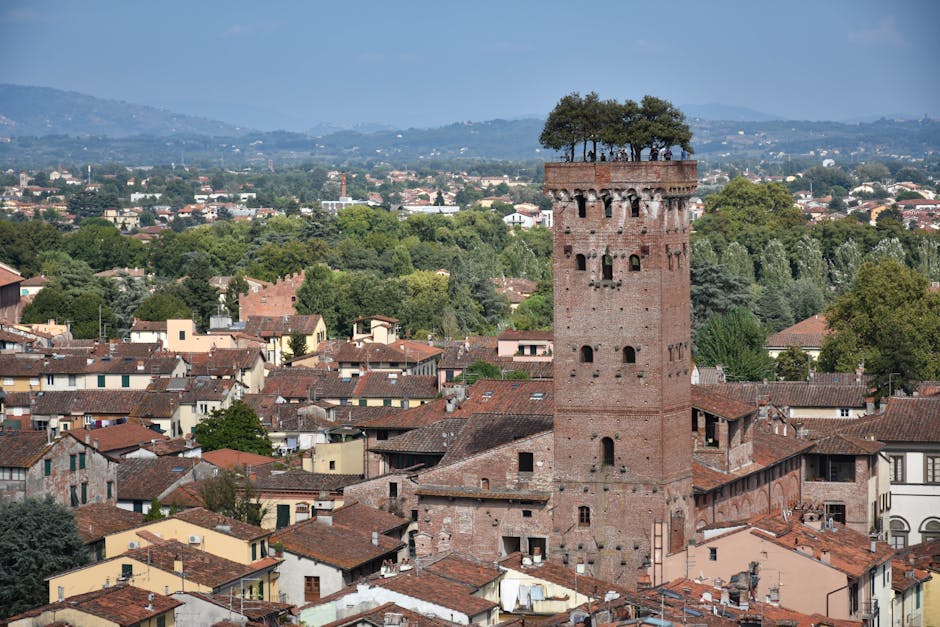
- Torre Guinigi — Via Sant’Andrea, 43, 55100 Lucca LU. Hours: generally 09:00–19:00 (seasonal variations possible). Price: entry around €5 – €8. Description: a unique medieval tower with a rooftop garden and centuries-old oak trees offering panoramic views over Lucca’s roofs. Climb the stairs and take your time to enjoy the Tuscan skyline.
Click here to explore Lucca’s ramparts with a guide
Click here to book a musical tour at the Puccini museum
- Piazza dell’Anfiteatro — Piazza dell’Anfiteatro, 55100 Lucca LU. Hours: the square is public and accessible 24/7; shops and cafés around it usually open 09:00–22:00. Description: an elliptical square built on the ancient Roman amphitheater, lined with cafés and restaurants — ideal for a meal or aperitivo in the late afternoon.
- Casa Natale di Giacomo Puccini — Via della Scala, 24, 55100 Lucca LU. Hours: often 10:00–18:00 (closed some days). Price: around €6 – €10. Description: museum dedicated to the composer Puccini, with personal items, scores and a multimedia exhibition tracing his life and work.
Local practical tips:
– Bike rentals: several shops near the walls rent standard and electric bikes. Typical example: Lucca Bike Rental (near Porta San Pietro). Indicative rate: €6 – €15/hour. Book in high season if you want an e-bike.
– Where to eat: try Recco focaccia or Lucchese focaccia at traditional bakeries like Pasticceria Pugi (Via Fillungo is the main shopping street). For refined Tuscan cuisine, sit down at a restaurant on Piazza San Michele for scallopini or ribollita.
– Busy times: summer mornings and weekend late afternoons attract crowds; go early to avoid lines at Torre Guinigi and the Duomo.
Conclusion
Traveling by train from Pisa to Lucca is an accessible, quick and economical experience that fits perfectly into a Tuscany itinerary. Trenitalia’s treni regionali are the most practical choice for this trip: they run frequently, are affordably priced (usually between €2.60 and €5.00) and make the journey in under 35 minutes on direct services. Pisa Centrale (Piazza della Stazione, 56125 Pisa PI) and Stazione di Lucca (Piazza Ricasoli, 55100 Lucca LU) are efficient start and end points with all the necessary amenities. Remember to validate paper tickets before boarding and keep e-tickets ready on your smartphone if you choose the app option.
Once you arrive, Lucca is best explored on foot or by bike: walk along the walls (Viale Francesco Giannotti and other access points), climb Torre Guinigi (Via Sant’Andrea, 43) for the view, visit Cattedrale di San Martino (Piazza San Martino) and stroll Piazza dell’Anfiteatro for a coffee or aperitivo. Opening hours and admission prices vary by season: Torre Guinigi (typically open 09:00–19:00, entry €5–8), Casa Natale di Giacomo Puccini (Via della Scala, 24, often 10:00–18:00, ticket €6–10). These references will help you plan, but always check official sites or station information desks for updates.
Finally, a few practical reminders: favor regional trains for simplicity, buy tickets via the app or machines at the station, avoid peak times if you have large luggage, and book your bike in high season. Follow these tips and your transfer from Pisa to Lucca will be more than a simple ride — it’ll be the perfect prelude to a gentle, memorable discovery of one of Tuscany’s best-preserved towns. Have a great trip and enjoy your visit to Lucca!