





Introduction: Lucca’s Sacred Stained Glass — A Window onto Faith and History
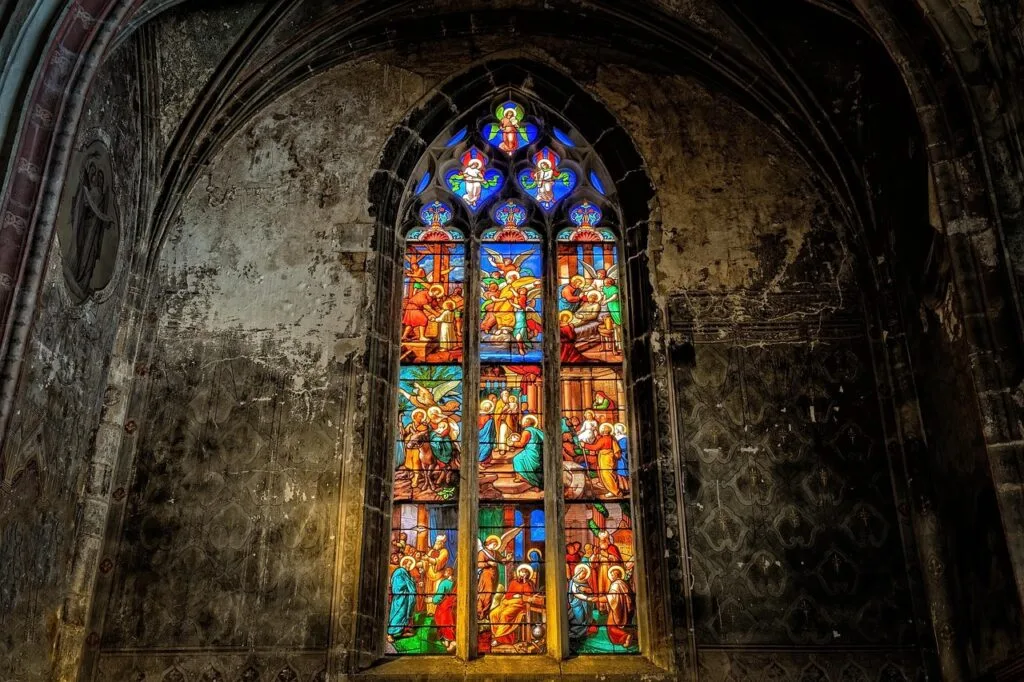
Lucca is a Tuscan town whose medieval walls, elegant towers and centuries-old squares draw travelers every year seeking authenticity. Quieter than Florence or Pisa, Lucca nonetheless hides a discreet yet deeply evocative treasure: the stained glass of its churches and basilicas. Some of these windows date back to the Middle Ages, others to the Renaissance or the 19th century — all are portals into faith, art and the daily lives of the generations that shaped the city. As filtered light crosses the dim naves, colored glass transforms stone into kingdoms of color, tells saints’ lives, illustrates biblical episodes and reveals, across the centuries, the changing aesthetic tastes of Lucca.
This article offers an immersive walking tour of the stained glass in Lucca’s main sacred sites: the Cattedrale di San Martino (Cathedral of Saint Martin), the Basilica di San Frediano (Basilica of Saint Frediano), the Chiesa di San Michele in Foro (Church of Saint Michael in the Forum) and the Church of San Francesco. For each building you’ll find a sensitive, detailed description of the windows — motifs, palettes, techniques and iconographic readings — plus practical information you need: exact address, typical opening hours, admission, photography tips and visit hacks to catch the light at its best. The goal is to give you the keys to appreciate these works in their liturgical and architectural context and to plan a successful photographic and contemplative walk.
Stained glass is fragile: restorations, protective measures and museum recontextualizations have often altered their original appearance. In Lucca, some panes survive from the Middle Ages and have weathered centuries of change — others are later creations, added during restoration campaigns to restore the interior’s chromatic coherence. As you wander the streets, you’ll learn to read these windows as you would illuminated manuscript pages: not just for their iconography but for their material role — how morning or evening light reveals tones that diffuse midday light cannot. Finally, as a visitor, respecting the sites — silence, no flash, appropriate dress — will enrich your experience and help preserve the magic of these sacred windows for future generations.
Cattedrale di San Martino (Cathedral of Saint Martin)
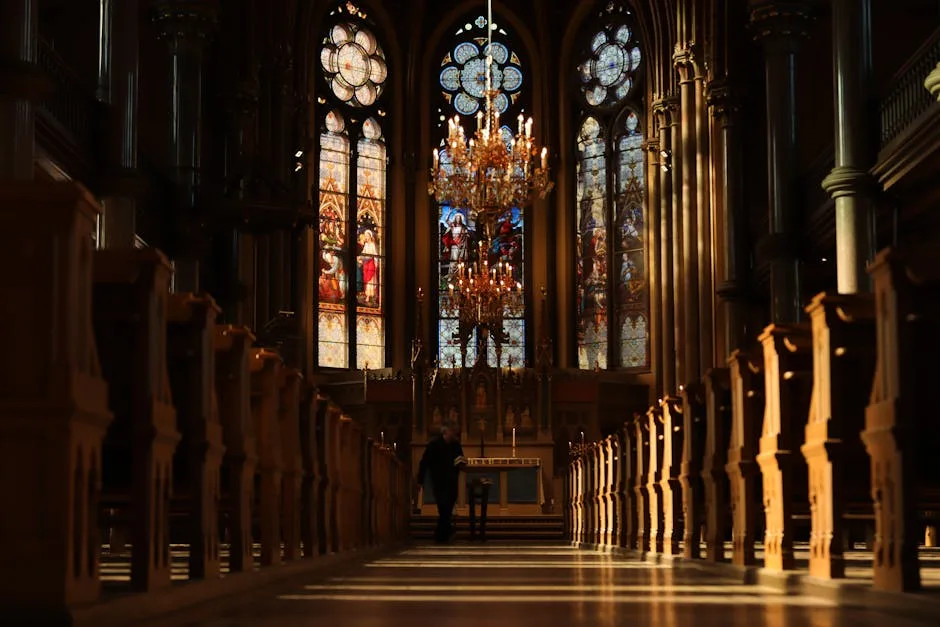
Address: Piazza San Martino, 55100 Lucca LU, Italy. The Cattedrale di San Martino, Lucca’s spiritual and architectural heart, stands on its namesake piazza with a sculpted façade and a silhouette fringed by belfries. Inside, the cathedral houses remarkable stained glass that punctuates the nave and side chapels. The oldest panels, partially preserved, date from the 14th–15th centuries; they depict Gospel scenes treated in a palette of deep blues, ruby reds and earthy greens, framed by floral borders and geometric tendrils.
The stained glass in the Madonna chapel, on the north side, draws the eye with its narrative refinement: panels showing episodes from the Virgin’s life and the city’s patron saints. The choir contains more recent windows, restored in the 19th century to replace lost elements, but made with craftsmanship that respects the medieval harmony. The most magical effect occurs in the late afternoon (between about 4:30 and 6:30 pm in summer) when the setting sun enters through the rose window and throws colored sparks across the marble columns.
 Click here to discover Lucca’s city center on a walking tour
Opening hours: generally, the Cattedrale di San Martino is open to the public Monday to Saturday from 9:30 am to 6:30 pm, and on Sundays from 1:00 pm to 6:30 pm (hours can vary for liturgical celebrations). Admission: a donation or contribution is often requested for upkeep, typically between €3 and €5 for access to the museum areas and the sacristy. It’s recommended to check exact times with the local tourist office or on the cathedral’s official site.
Practical tips: arrive early in the morning to avoid tour groups and to catch the soft morning light that illuminates the interior façade. Don’t use flash inside — natural light best renders the colors of the windows and protects their fragile surfaces. For photographers, a fast lens (f/2.8 or faster) and a tripod (when allowed) are assets: in low light, stability helps produce sharp images without flash. Finally, take time to listen to the acoustics of the nave as colored light plays across the stone — the experience blends sight, touch and sound.
Basilica di San Frediano (Basilica of Saint Frediano)
Address: Piazza San Frediano, 1, 55100 Lucca LU, Italy. Famous for its imposing 12th-century exterior mosaic, the Basilica di San Frediano also holds stained glass inside that subtly dialogues with the vast mosaic and frescoes. San Frediano’s windows stand out for their mix of influences: medieval narrative composition combined with a more Baroque use of color and light, a result of Renaissance interventions and later restorations.
Click here to explore San Martino and San Frediano with a guide
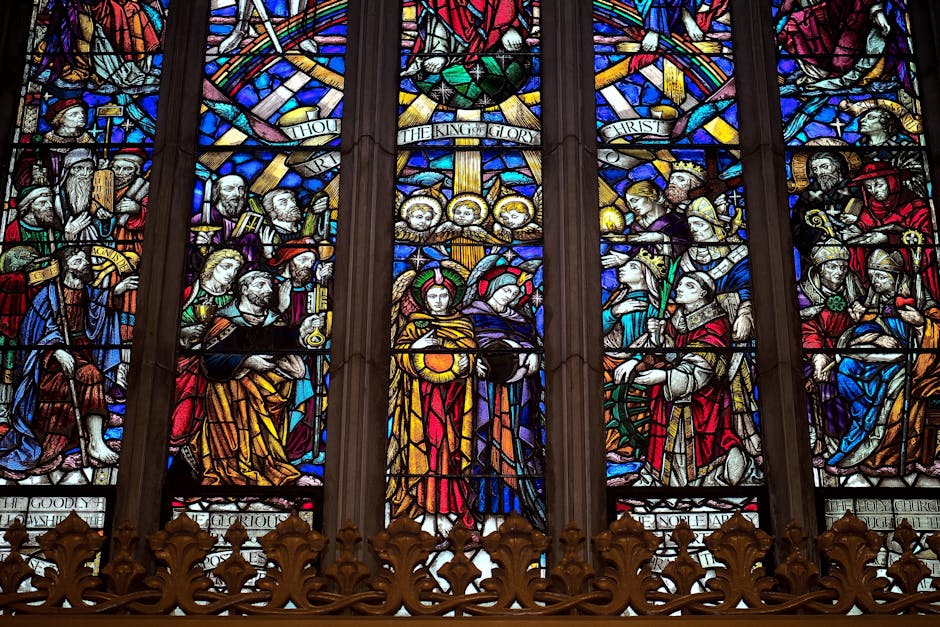
The principal windows sit above the choir and in the high clerestory windows of the nave. You’ll find iconographic cycles devoted to the miracles of Saint Frediano, Marian episodes and local saints. The glass is sometimes worked in grisaille for facial details and heightened with metallic tones for halos and painted architectural elements. These techniques give the scenes a sense of depth and relief, as if the glass preserved the memory of medieval glassmakers’ workshops.
Opening hours: usually open every day from 8:30 am to 12:30 pm and from 3:00 pm to 7:00 pm (hours may be reduced in low season). Admission: the church is generally free to enter; some areas (guided tours or access to specific chapels) may ask for a contribution of €2–€4. Check the basilica for Mass schedules, which can sometimes limit access.
Practical tips: the basilica is less visited than the cathedral, making it an ideal place for quiet contemplation. If you want to photograph the choir windows, the best light is around noon when the sun is high; for warmer tones, choose late afternoon. Dress respectfully and avoid large bags during busy times. After your visit, enjoy the Piazza San Frediano and sip coffee at a local café while watching daily life unfold.
Chiesa di San Michele in Foro (Church of Saint Michael in the Forum)
Address: Piazza San Michele, 55100 Lucca LU, Italy. Built on the old Roman forum, the Chiesa di San Michele in Foro boasts one of Lucca’s most photographed façades. Inside, its stained glass complements the sculptural exterior: medieval and later windows adorn the side chapels and sit beneath richly decorated arches. The scenes range from christological cycles to local hagiographies, often framed by vegetal motifs and the coats of arms of patron families.
San Michele’s windows are notable for compact storytelling: multiple scenes are juxtaposed within a single composition, separated by dark lead cames. Dominant hues include cobalt blue, vivid red and topaz yellow which, under light, make the glass feel luminous rather than muted. Some panels were restored in the 19th century with added sections that recreate visual unity while marking the building’s historical layers.
Opening hours: generally open from 9:00 am to 6:00 pm in high season; reduced winter hours (10:00 am–4:00 pm). Admission: free entry to the church, though a contribution of €2–€3 may be requested to support maintenance and stained-glass restoration. Local Mass times (often morning and late afternoon) can restrict access to certain areas.
Practical tips: Piazza San Michele is very busy and makes a great starting point for a photographic tour. To fully appreciate the windows, step away from the façade and enter via the side chapels to study iconographic details at eye level. Local guides can often point out symbolic elements (guild emblems, liturgical instruments) hidden in the glass panels. If your visit coincides with a service, listen to the choir’s timbre — colored light and song combine into a rare immersive experience.
Click here to walk Lucca’s highlights on foot
Chiesa di San Francesco and Other Windows to Discover
Address: Piazza San Francesco, 55100 Lucca LU, Italy. The Chiesa di San Francesco, often associated with the Franciscans and their austere setting, hides delicate stained glass in its chapels and apses. These windows reflect successive interventions: some date to the late Gothic period, others are 19th-century works made to restore the building’s chromatic unity. Themes are typically Franciscan: scenes from Saint Francis’s life, crucifixions and acts of charity.
Opening hours: the church is generally open from 9:00 am to 12:30 pm and from 3:00 pm to 6:00 pm (times subject to change for services and events). Admission: free entry, though a donation of €1–€3 is often suggested for conservation. Beyond San Francesco, other small chapels and oratories scattered around the historic center display fragments of stained glass or panels moved from buildings that no longer exist. A walking route lets you uncover these hidden gems, often marked by plaques or noted by local guides.
Click here to book a private guided tour of Lucca
Practical tips: pair a visit to San Francesco with a stroll along the Lungarno (the Serchio riverbank) to capture contextual views of the church from the outside. Small artisan workshops in the city center sometimes offer reproductions or technical explanations about glassmaking — a great opportunity to learn about surface treatments, grisaille techniques and lead cames. If you’re interested in restoration, contact the local Officina del Vetro or Lucca’s heritage associations to find specialized visits.
General tips for visiting Lucca’s stained glass
- Best time for light: late morning through late afternoon depending on each building’s orientation; the cathedral is magical in the late afternoon.
- Photography: no flash, favor high ISO and fast lenses; ask permission before using a tripod.
- Respect: keep quiet, avoid entering during Masses, and dress appropriately inside churches.
- Tickets and hours: always check ahead on official websites or at the tourist office on Piazza Napoleone, 55100 Lucca.
- Getting around: the old town is best explored on foot; distances between churches are short, so wear comfortable shoes.
Conclusion: Observe, Understand and Protect — The Stakes for Lucca’s Stained Glass
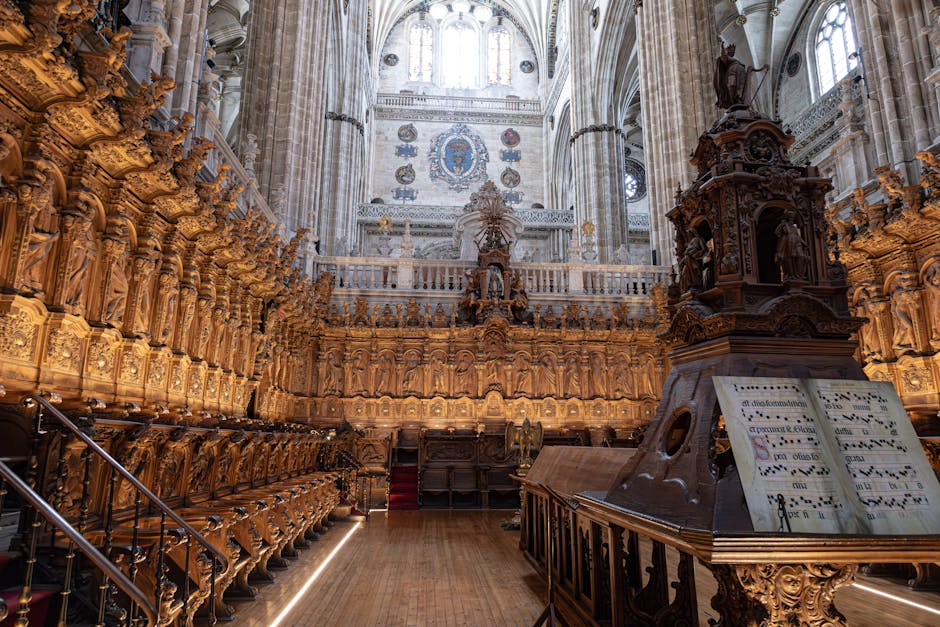
The stained glass in Lucca’s sacred buildings is far more than decoration: it’s luminous archives where faith, power, craft and collective memory are written. Entering the Cattedrale di San Martino, the Basilica di San Frediano, the Chiesa di San Michele in Foro or the Chiesa di San Francesco, visitors encounter not only colorful compositions but stories that have spanned centuries. Every shade of blue, every lead line and every stylized face tells of an era, a devotion, a patron’s commission.
Visiting these windows requires two kinds of patience: that of the eye — learning to read scenes and appreciate iconographic gestures — and that of time — understanding that conservation and restoration are necessary and sometimes make certain windows inaccessible. Supporting heritage can be as simple as leaving a donation at a basilica’s entrance, buying a postcard in a shop to help fund restorations, or joining a specialized guided tour offered by local associations.
Ultimately, approaching Lucca’s stained glass means letting the light lead you. Whether you’re an art history buff, a photographer chasing rich reflections, a pilgrim seeking quiet, or a curious traveler, these sacred windows offer many experiences: they teach, inspire and soothe. Before you leave town, take a moment to walk the walls, watch Lucca unfold and think of the anonymous hands that dusted color across the faithful’s devotion. Fragile and resilient at once, these windows deserve our careful gaze and our protective acts so that their light may continue to inhabit Lucca’s stones and souls for centuries to come.