





Introduction — Lucca by Bike: why choose cycling to explore the lush bastions
Lucca (Lucca in Italian) is a compact Tuscan town ringed by a remarkably well-preserved Renaissance wall — a green belt that naturally invites you to explore by bike. Hopping on a saddle here isn’t just a practical way to get around: it’s a full sensory immersion in a town where the air carries coffee aromas, potted flowers and aged wood, and where perspectives shift with every curve of the bastions. The idea is simple and appealing: on two wheels you can ride the entire wall — the « Mura di Lucca » — enjoying a protected promenade lined with centuries-old trees, views over red-tiled roofs and little hidden gardens. It’s an itinerary that’s historical, recreational and practical — ideal for families, easygoing cyclists and photography lovers.
This article is a comprehensive, professional guide to planning your cycling escape in Lucca. You’ll find practical information (exact addresses, opening hours, prices in euros), recommended routes, must-see stops, tips for bike hire and suggestions to extend your ride with cultural and culinary visits. Each section explains not only what to see but also how to get there by bike, where to park, potential difficulties to watch for (cobblestones, narrow passages), and the best times to avoid crowds or capture the best light for photos.
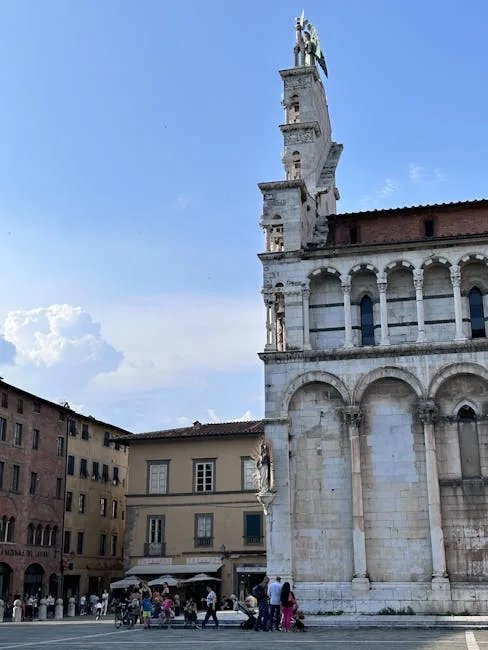
Although the town is small, it’s packed with noteworthy sites reachable from the city walls circuit: the Torre Guinigi with its rooftop oaks, the Piazza dell’Anfiteatro, the Cathedral of San Martino (Cattedrale di San Martino), the Basilica of San Frediano (Basilica di San Frediano) and Baroque palaces like Palazzo Pfanner. Each stop offers a contrast between the cool shade of plane trees along the rampart and the warmth of sunlit paved squares. We’ll give exact addresses — useful for GPS or planning stops — as well as ticket prices and typical opening hours to help you plan your day.
Designed to be consulted before and during your stay, this guide also includes local tips: where to lock your bike if you want to visit a museum, which café to pick for a proper Italian espresso, how to avoid peak times on the wall and which route variations to take if you want to extend your ride into the surrounding countryside. Practical details (prices and opening times) reflect common standards; still, check for updates during high season or special events. Now put on your helmet, adjust the saddle and join us to discover Lucca’s green bastions on two wheels.
Lucca’s city walls (Le Mura di Lucca) — full route and practical tips
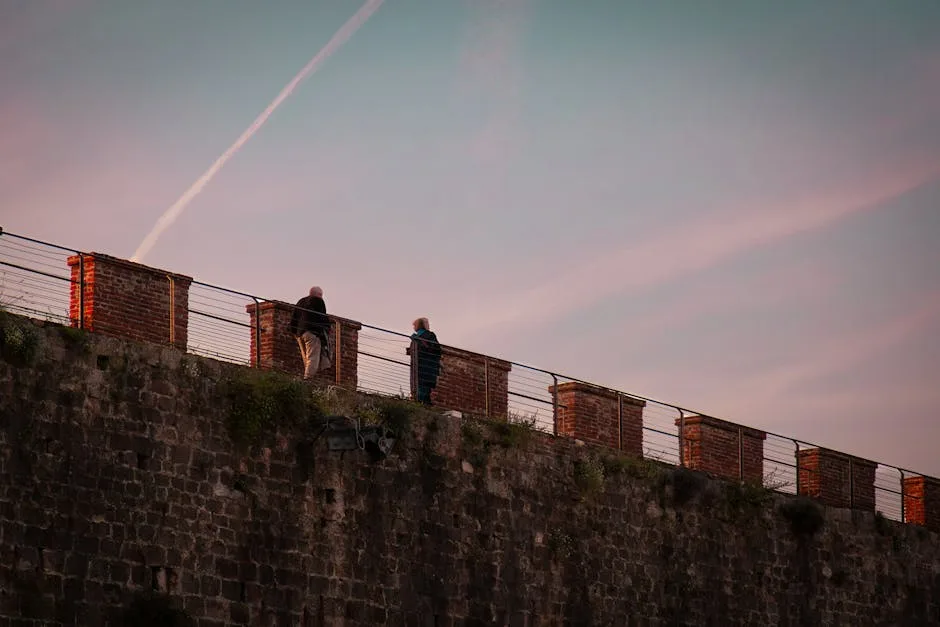
The promenade along Lucca’s walls is the heart of any cycling exploration. The full loop is about 4 kilometres and can be ridden easily in 20 to 40 minutes depending on pace, but it’s best to allow at least 1h30 to stop, admire and take photos. Convenient starting points: Porta San Donato (Porta San Donato, Viale San Donato, 55100 Lucca LU, Italy) or Porta Elisa (Viale Giuseppe Garibaldi, 55100 Lucca LU, Italy), two wide, well-signposted accesses.
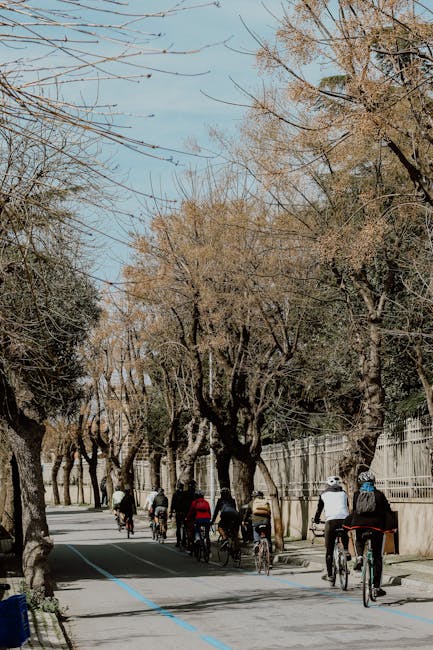
Route description: the asphalted bike path lined with plane trees runs along a broad earthen and stone rampart. You’ll pass bastions like the Bastione delle Mura and the Bastione degli Angeli, find public gardens (Giardino dell’Anfiteatro on the east side), and enjoy open views over the Tuscan countryside to the west. Most sections are flat, though some gentle rises occur where the path crosses gates. The surface is generally good, but watch for wet leaves in autumn and exposed roots around older trees.
Safety and comfort tips: wear a helmet — mandatory for children and strongly recommended for adults — and light gloves. Use a bell to warn pedestrians and joggers, especially early in the morning. Give priority to pedestrians on very busy stretches. Bring a water bottle: there are several public fountains, notably near Porta Elisa, though they may be closed in winter. Best times to ride: early morning (7am–9am) for soft light and fewer people, or late afternoon (5pm–7pm) when summer heat eases.
Bike parking: if you plan to visit a museum or café inside the old town, use the parking hoops near Porta San Pietro (Piazza San Pietro, 55100 Lucca LU, Italy) or the streets around Piazza San Michele (Piazza San Michele, 55100 Lucca LU, Italy). Many attractions keep short-term supervised spaces to leave a bike for 30–60 minutes during a quick stop; always ask permission.
Accessibility: the broad width of the wall allows strollers and wheelchairs on most stretches (except for a few small steps at accesses). If you’re traveling with young children, several rental shops offer child seats and trailers.
Must-see stops around the bastions — cultural and food highlights
While riding the walls, plan a few stops to fully enjoy Lucca’s cultural treasures. Here’s a selection to include in your route, with addresses, opening times and indicative prices.
-
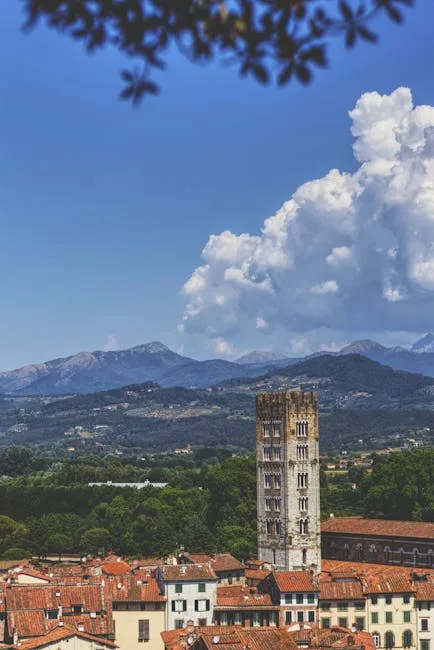
Torre Guinigi — Via Sant’Andrea, 45, 55100 Lucca LU, Italy. Opening hours: typically open daily from 09:00 to 19:00 (times vary off-season). Entrance fee: around €5.00 per adult. Description: a medieval tower famed for its rooftop garden where several holm oaks grow (a tiny forest on the terrace). Climb 230 steps for a stunning view over Lucca’s roofs.
-
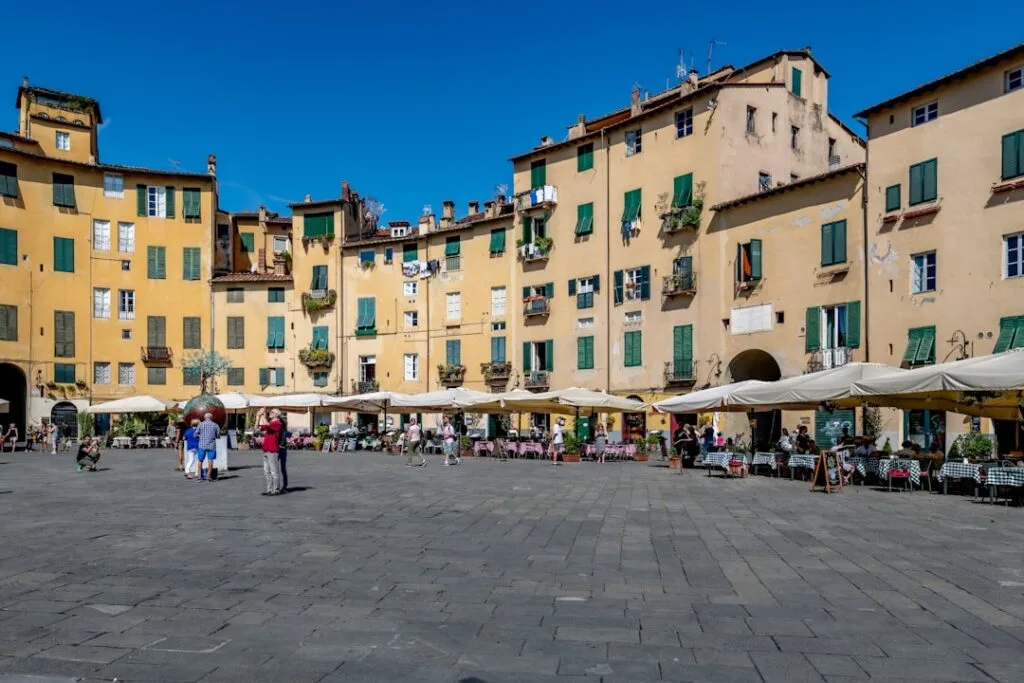
Piazza dell’Anfiteatro — Piazza dell’Anfiteatro, 55100 Lucca LU, Italy. Always accessible with no ticket required. Description: an elliptical square built on the remains of a Roman amphitheatre, surrounded by cafés and shops. Great for a terrace coffee or a quick lunch. In the morning there’s a local market on certain days; in the afternoon the square turns into a pleasant place to wander.
-
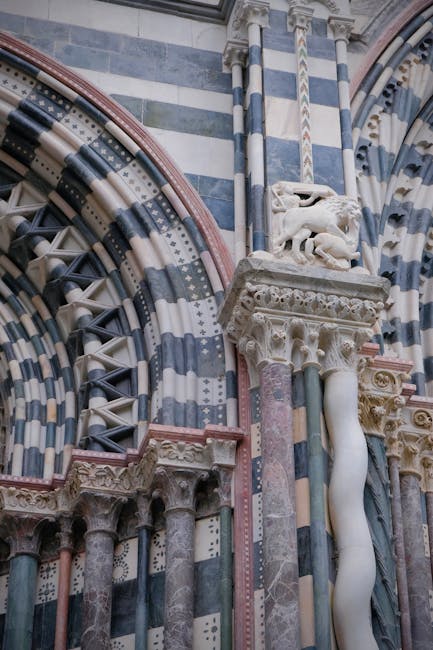
Cattedrale di San Martino (Cathedral of San Martino) — Piazza San Martino, 55100 Lucca LU, Italy. Hours: generally 09:30–18:00, check mass times. Cathedral/museum ticket: combined ticket around €6.00–€8.00. Description: a Romanesque cathedral housing remarkable works such as the « Madonna and Child » and the tomb of Ilaria del Carretto.
-
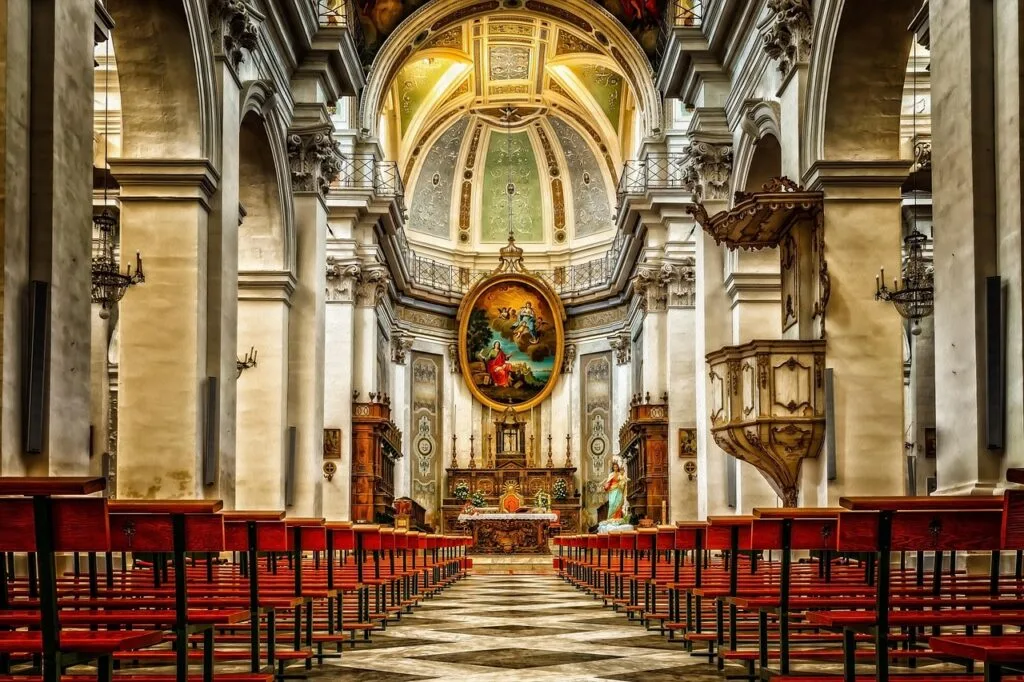
Basilica di San Frediano — Piazza San Frediano, 55100 Lucca LU, Italy. Hours: about 08:30–12:30 and 15:00–18:00. Free entry to the church; museum fees vary (€3.00–€5.00). Description: notable mosaic façade and a more intimate atmosphere than the cathedral.
-
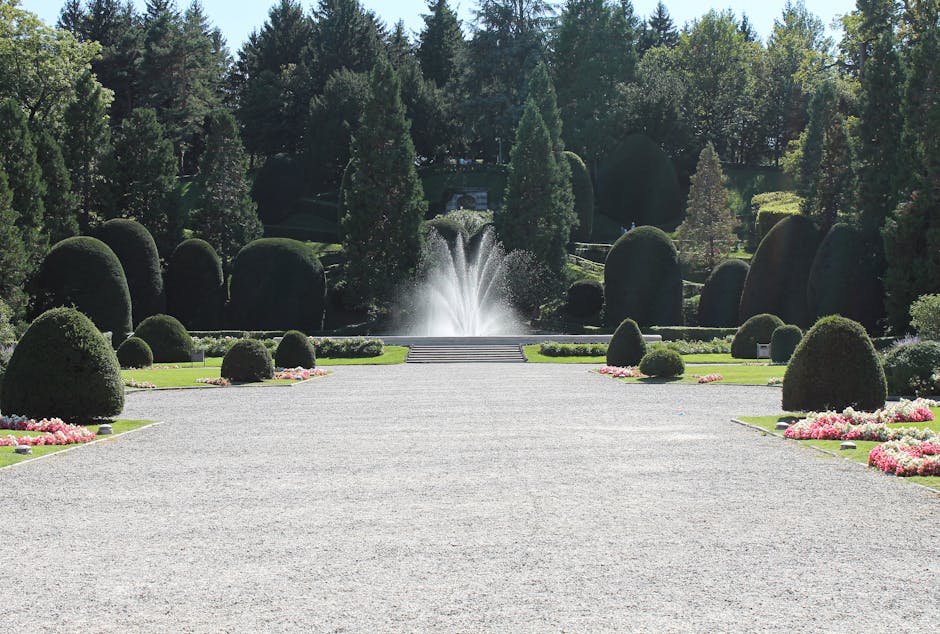
Palazzo Pfanner — Via degli Asili, 33, 55100 Lucca LU, Italy. Opening hours: 10:00–18:00 (closed Mondays off-season). Entrance fee: around €6.00 per adult. Description: a Baroque garden and furnished interior from the 17th–18th centuries; very photogenic and ideal for a shady break.
Food: for a culinary break stop at Caffè del Teatro (Piazza del Giglio, 55100 Lucca LU, Italy) for an espresso priced around €1.00–€1.50, or Trattoria Da Leo (Via Fillungo, 11, 55100 Lucca LU, Italy) for local cooking (main courses €10–€18). Café opening times vary: most open from 07:30 and close late (21:30–23:00) depending on season.
Bike rentals and recommended gear — addresses, prices and services
To fully enjoy the green bastions, it’s essential to rent a suitable bike. Here are several recommended rental shops with exact addresses, usual hours and price ranges. Note: rates vary by season and duration.
-
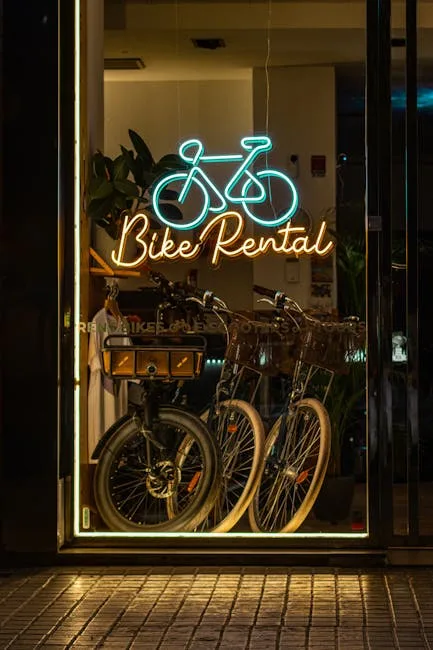
Lucca by Bike – Bike Rental — Via Fillungo, 120, 55100 Lucca LU, Italy. Hours: 09:00–19:00. Rates: city bike 1 day €10.00; e-bike 1 day €30.00; child seat €5.00/day; child trailer €7.00/day. Services: hotel delivery in the historic center, free helmets, route maps.
-
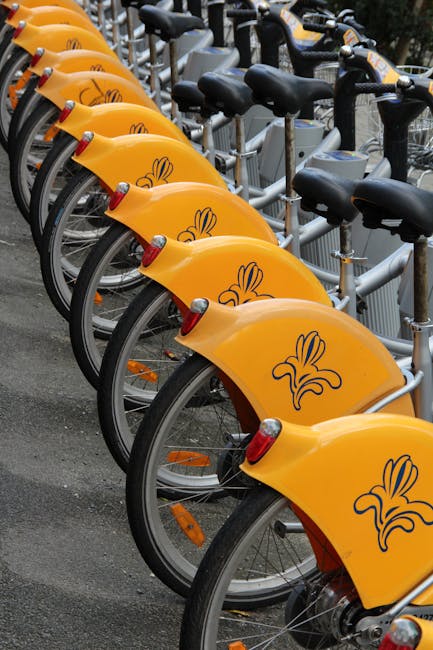
Rent a Bike Lucca – Porta San Pietro — Piazza San Pietro, 55100 Lucca LU, Italy. Hours: 08:30–18:30. Rates: classic bike €6.00/hour, €15.00/half-day, €20.00/day; e-bike €35.00/day. Services: locks, baskets, repair assistance.
-
Cycle Tuscany – Lucca Office — Viale Giuseppe Garibaldi, 32, 55100 Lucca LU, Italy. Hours: 09:00–18:00. Rates: guided cycling tours €25.00–€60.00 depending on duration; long-term rentals (weekly) available on request. Services: guided tours, English-speaking guides, food-oriented bike tours.
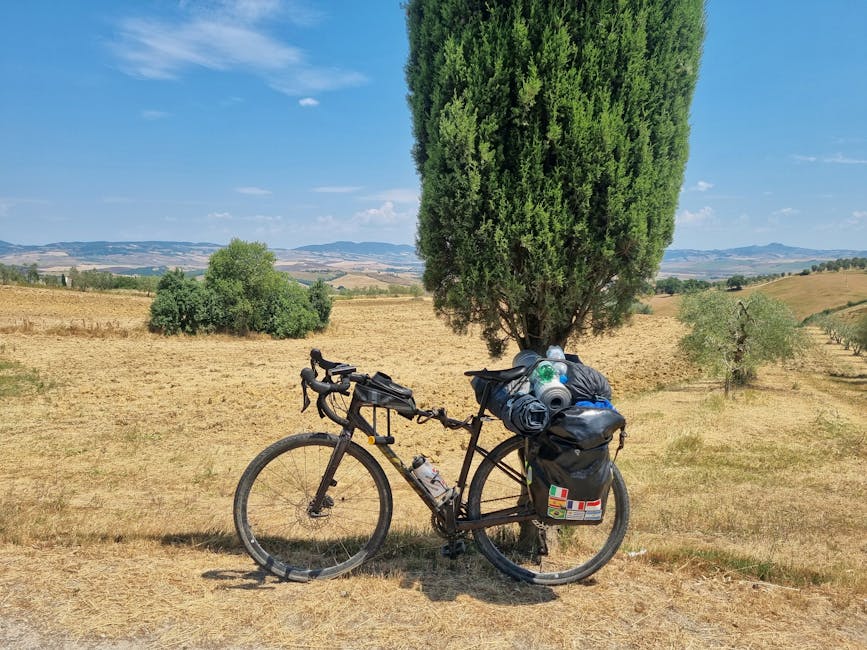
Recommended gear: helmet, U-lock (provided by most rentals), high-visibility vest if riding at dawn or dusk, rear rack bag for personal items, pump and puncture repair kit (many rentals offer phone assistance). Photographers should bring a small waterproof bag, as some exposed sections of the walls can be windy.
Booking: in high season (June–September) it’s best to reserve your bike the day before via the website or by phone. Always check brakes and tire pressure before you set off.
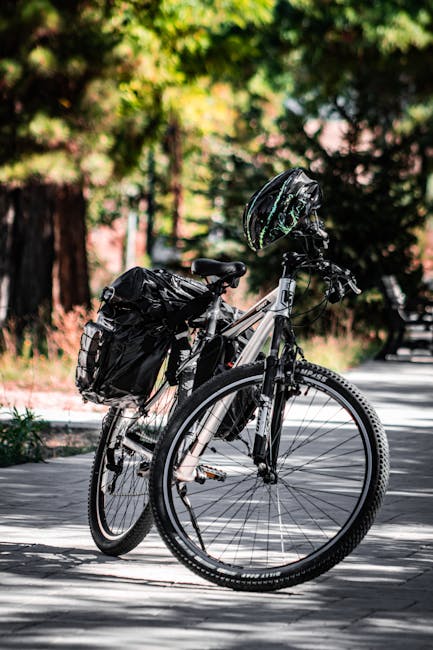
Alternative routes and extensions — from the city to the Tuscan countryside
Lucca offers options to extend rides beyond the walls. Leaving the ramparts at Porta San Pietro you can easily reach the surrounding countryside, historic villas and quiet secondary roads lined with trees. Here are a few route suggestions suited to cycling, with approximate durations and points of interest.
-
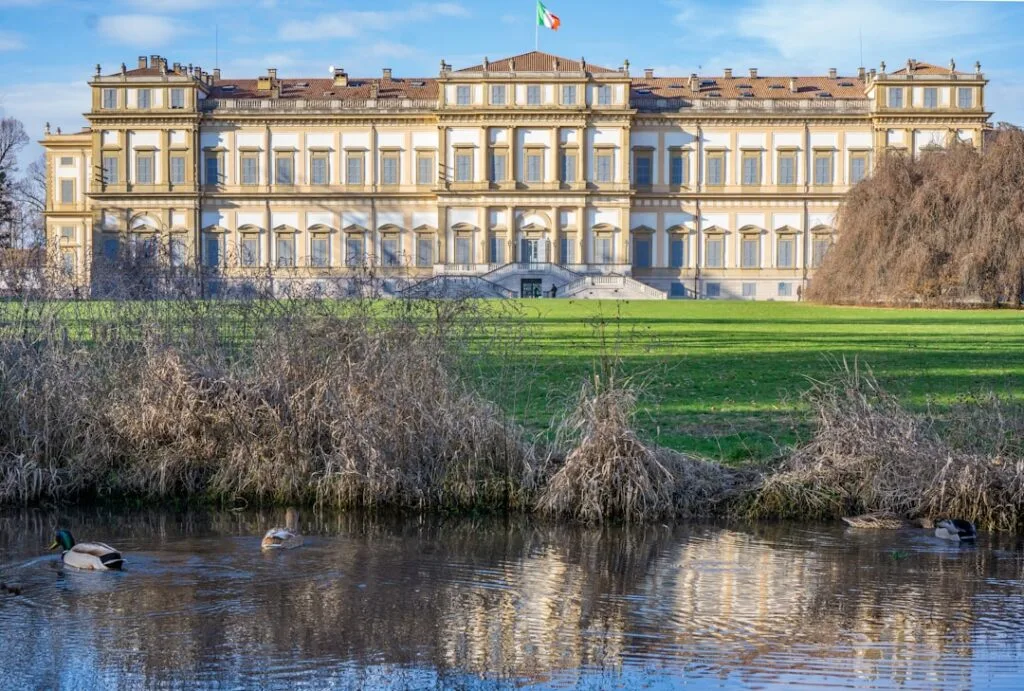
Loop to the Villa Reale and park — Distance: about 6–10 km round-trip depending on route chosen. Start: Porta San Pietro. Route: follow Via dei Fossi then the provincial road heading northwest. Points of interest: Villa Reale di Marlia (Via San Quirico, 47, 55012 Capannori LU, Italy) — hours and prices vary (garden entry €5.00–€10.00). The villa is about 6 km from Lucca; it’s an excellent target for a half-day.
-
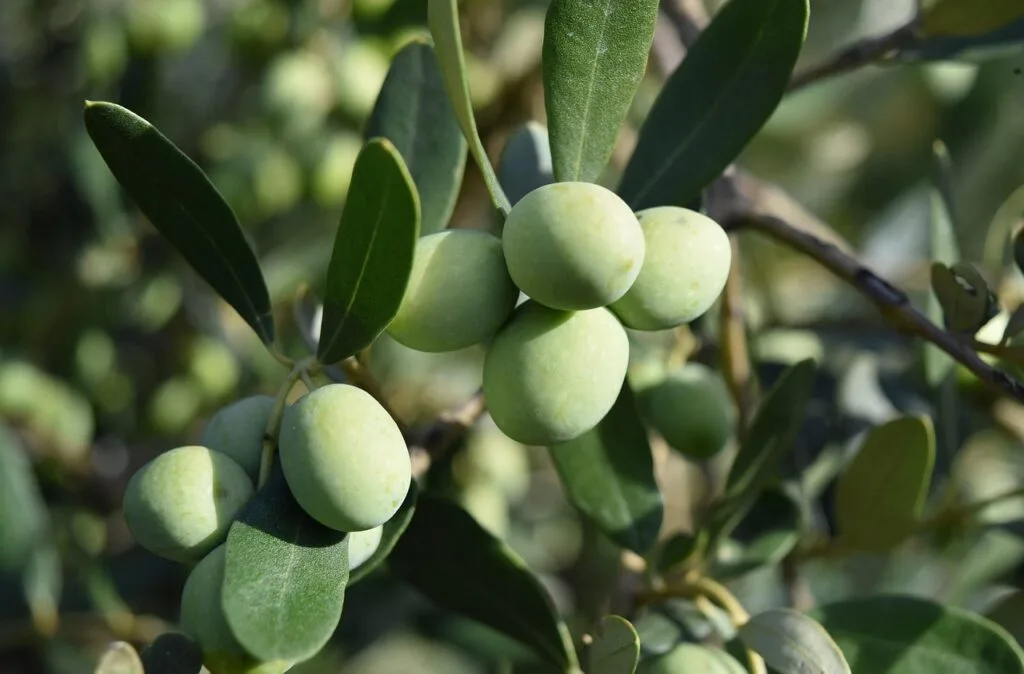
Strong>Olive grove and nearby hills route — Distance: 15–30 km depending on the itinerary. Description: quiet secondary roads, small climbs (20–80 m elevation gain). Ideal for landscape lovers and olive oil tastings at local farms (agriturismi). Tips: bring plenty of water and check tire condition before long sections.
-
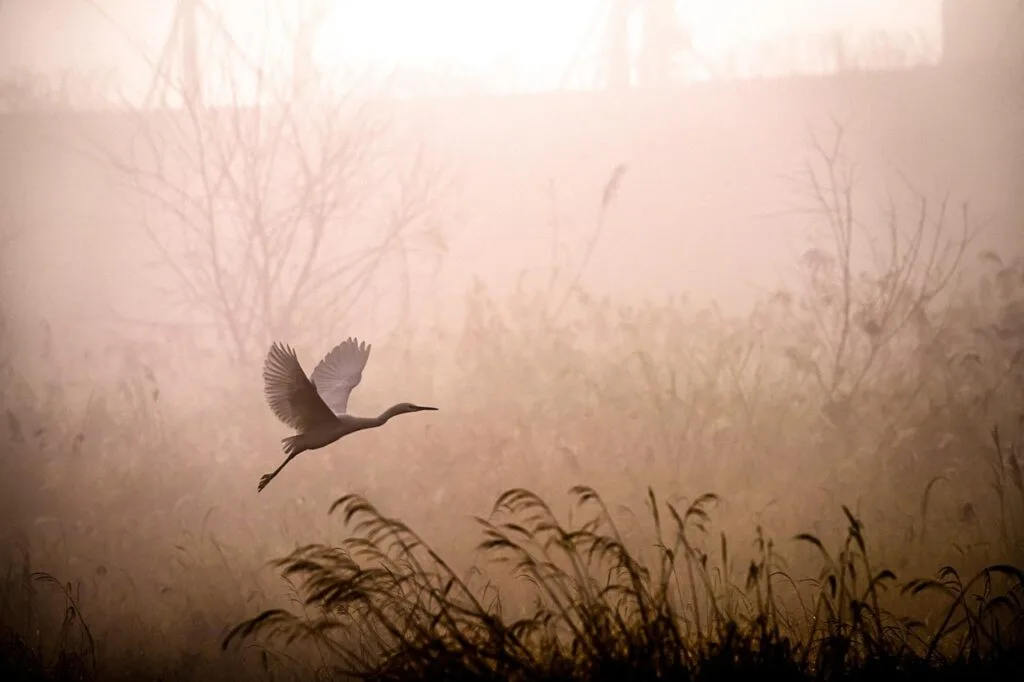
Excursion to Lake Massaciuccoli — Distance: about 25 km round-trip. Start: East gate of the walls. Route: paths and quiet roads heading southwest. Points of interest: nature reserve, birdwatching, lakeside seafood restaurants. Allow a full day.
Logistics and tips: for long outings choose a hybrid or electric bike. Check availability of battery charging points if you use an e-bike. If the weather turns bad, several museums and palaces in the center offer interesting exhibitions to make up for the ride.
Local tips, seasons and events — make the most of your cycling experience in Lucca
Best season: spring (April–June) and autumn (September–October) offer mild temperatures, fewer crowds and ideal light for photography. In summer (July–August) expect hot days and more visitors, especially around Piazza dell’Anfiteatro and the museums. In winter the town is quieter; some services may have reduced hours.
Events to note: during the Lucca Summer Festival (dates vary, usually July) some streets and squares are temporarily closed to traffic — this can be a bonus for cyclists but may require route changes. The weekly market on Piazza San Michele usually takes place Tuesday morning; it’s a great chance to discover local produce but avoid the area if you prefer fewer people.
Crowd-avoidance tips: start early (7am–9am) to enjoy a nearly empty wall and soft morning light. For photographers, the golden hour late in the afternoon provides beautiful contrast on the tiles and greenery of the bastions.
Local etiquette: respect pedestrians, especially in narrow center streets. Locals appreciate courtesy: a polite greeting or a quick « grazie » when you give way or receive help will always be well received. Cafés often charge extra for terrace seating; expect to pay about €1.00–€1.50 for an espresso at the counter and €2.50–€4.00 at a table depending on location.
Health and safety: the main municipal pharmacy is Farmacia Comunale Lucca — Via della Conserva, 6, 55100 Lucca LU, Italy — open during the day with an emergency on-call service indicated at the entrance. For emergencies the main hospital is Ospedale San Luca (Via di Tiglio, 1, 55100 Lucca LU, Italy). Always keep digital copies of your documents and a small first-aid kit on longer rides.

Conclusion — pedal to feel Lucca: summary and final tips
Exploring Lucca on two wheels means choosing an experience that combines heritage, nature and the simple pleasure of slow mobility. The promenade on the walls — Le Mura di Lucca — is the golden thread of a successful visit: accessible, panoramic and relaxing, it links emblematic sites like Torre Guinigi, Piazza dell’Anfiteatro, Cattedrale di San Martino, Basilica di San Frediano and Palazzo Pfanner. Distances are short; it’s the richness of the stops that gives the day its flavor. Beyond that, the town lends itself to extensions into the Tuscan countryside, historic villas and olive-lined roads, all reachable from the ramparts.
Practically speaking, bike rental is straightforward and well organized: several shops in town offer city bikes, e-bikes and family-friendly equipment. Prices are reasonable (about €10–€30 for a day depending on bike type) and most rentals include extras (helmets, child seats, hotel delivery). Plan your timing for the best hours (morning and late afternoon), book in high season and don’t forget the essentials: helmet, lock, map, water and a lightweight rain jacket.
A few local tips: taste specialties in the trattorie on Via Fillungo, respect pedestrians when passing through the historic center and leave some slack in your schedule to wander without constraint. Lucca is meant to be discovered slowly; on a bike you combine mobility and contemplation. Whether you have half a day or full days of riding ahead, Lucca’s green bastions will reward you with fresh shady stops, new viewpoints and unforgettable panoramas.
Happy cycling in Lucca — enjoy every pedal stroke and let the scents, sounds and colors of a town where the walls tell stories and the trees give shade guide your ride.