





Introduction
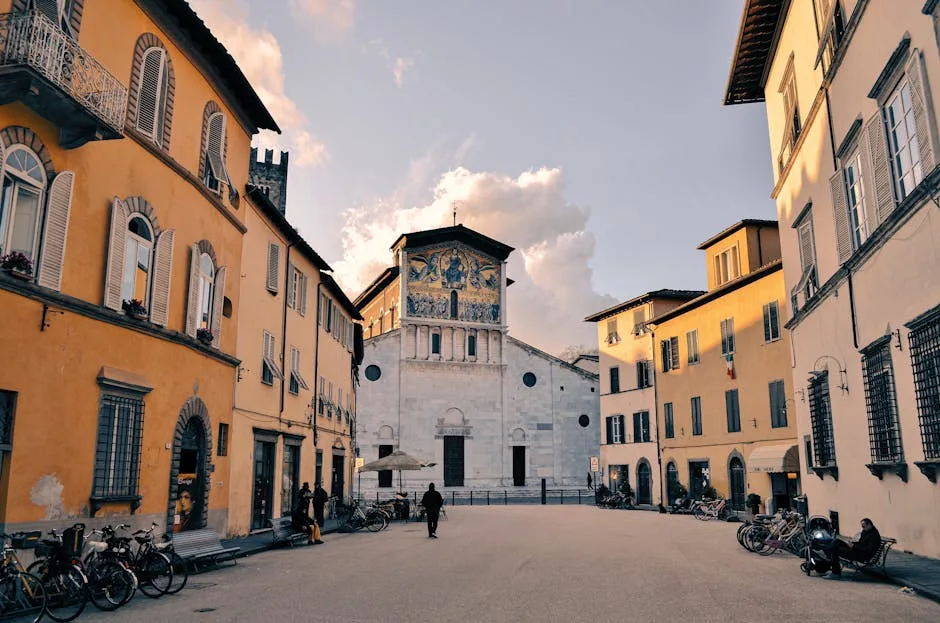
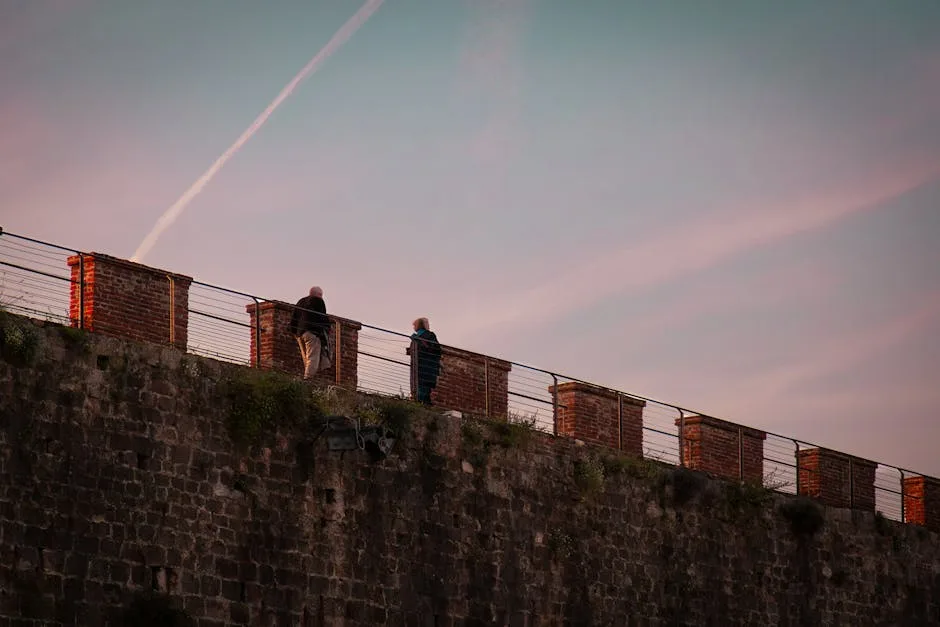
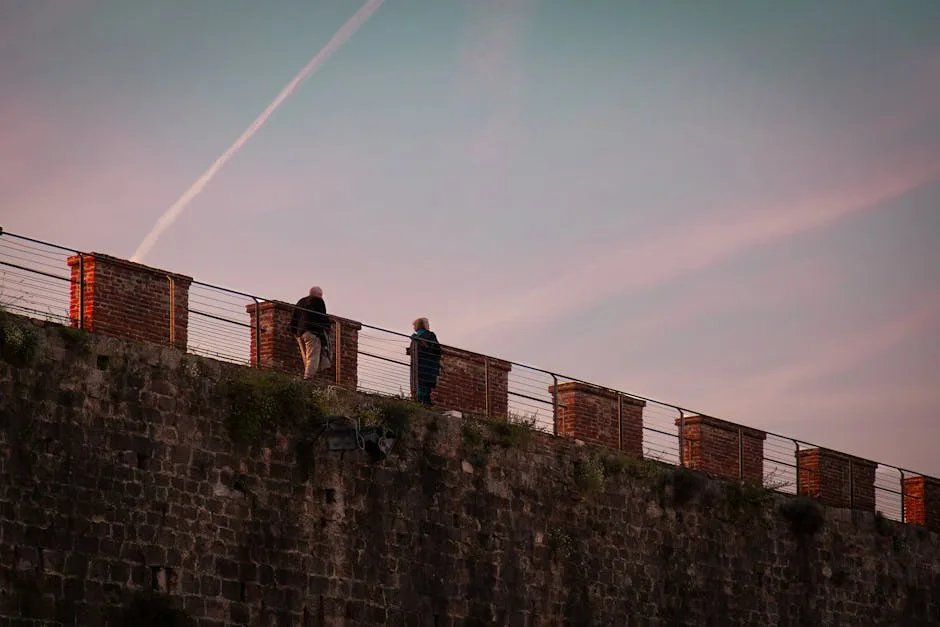
Lucca, a charming little Tuscan town with an almost secret feel, is a historical gem nestled between hills and plains. Encircled by a remarkably well-preserved Renaissance wall, it offers one of Italy’s loveliest urban strolls: cycling along the Lucca city walls. The wide green promenade crowning the walls — locally known as the « Le Mura di Lucca » — is a tree-lined, grassy, bench-studded bike path that loops the historic center for about 4 kilometres. Built up at the end of the 16th century to withstand artillery, this earthwork long ago swapped its military purpose for a civic and recreational role: walks, picnics, jogging and, of course, bike rides.
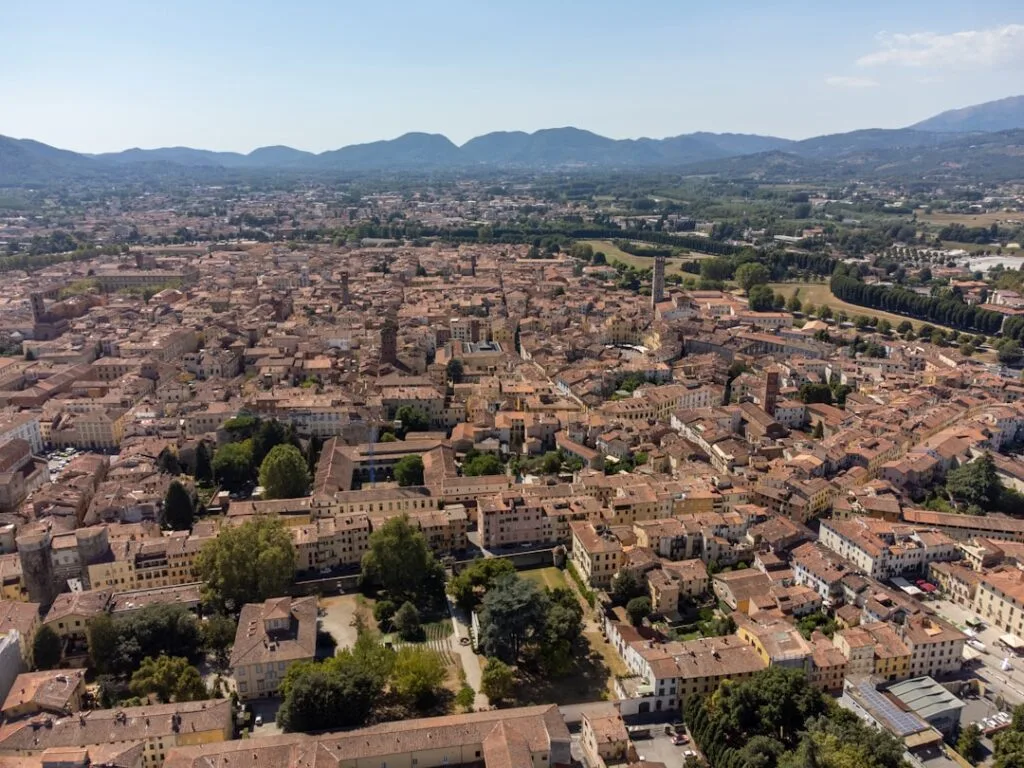
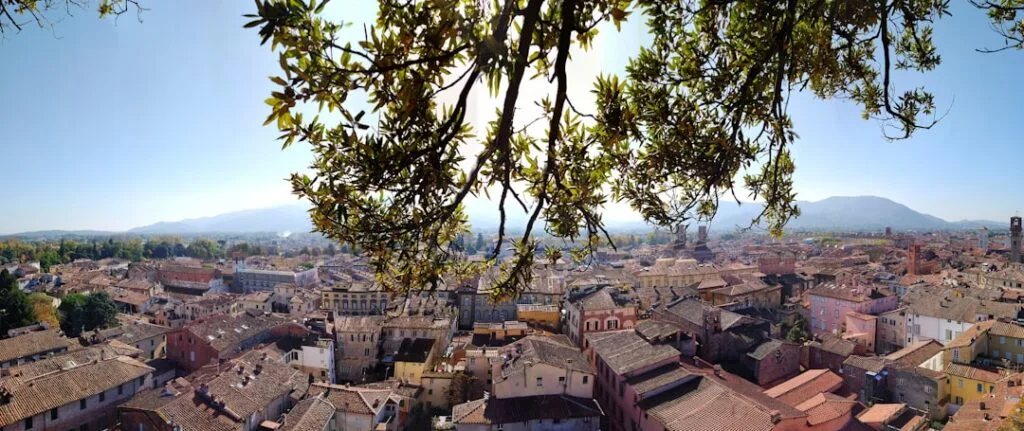
The charm of this experience lies in its dual nature: active and contemplative. By bike you cover the loop in roughly thirty minutes without getting out of breath, yet you ride slowly enough to savor each viewpoint — the terracotta roofs of the old town, bell towers puncturing the skyline, the intimate squares like Piazza dell’Anfiteatro, and the gardens laid out directly on the ramparts. For travelers, it’s the best way to get your bearings, spot the main sights and decide where to stop for a coffee, gelato or a longer visit.
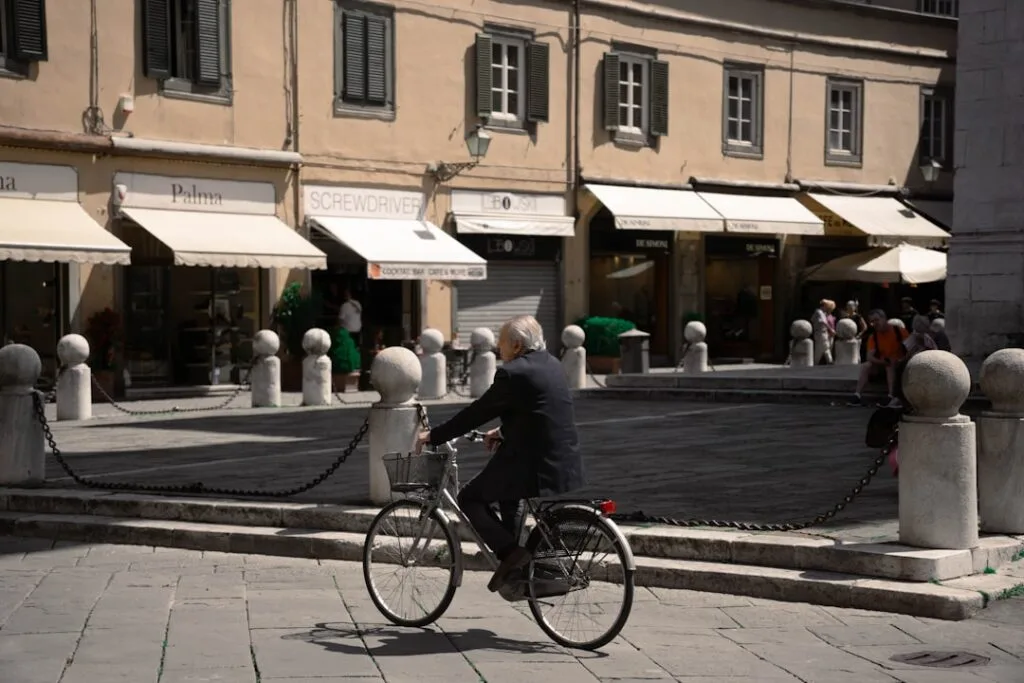
This complete guide is aimed at everyone: families with children, novice cyclists, visitors short on time, and history buffs. It offers the perfect route, recommended stops, exact addresses (museums, towers, cafés), ticket prices and opening hours to know, plus practical tips for renting a bike, riding safely and making the most of your day. You’ll also find options for tasty breaks — gelateria, osteria or the local market — and variants depending on the season and weather.
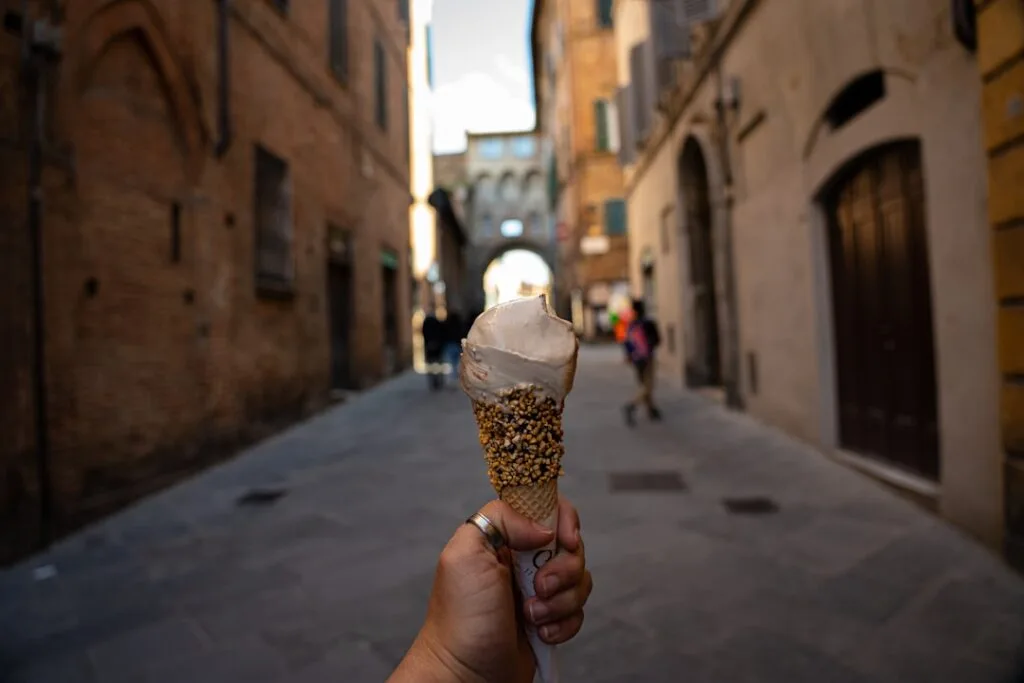
Before you head out, a word about respecting the place: the walls promenade is a public space heavily used by pedestrians and joggers. Local rules recommend keeping your speed down, giving way to walkers and keeping pets on a leash. There are signs and protected crossings at the access points from the old town. With a bit of courtesy and attention, the ride becomes a shared moment where you can appreciate Lucca’s urban traditions — markets, romantic architecture and that relaxed Tuscan way of life. Ready to saddle up? Let’s ride the most beautiful loop in Lucca!
Why choose cycling the Lucca city walls
Riding the Lucca walls is a great choice for several complementary reasons, blending heritage, convenience and unique views. First, accessibility: the path atop the walls is wide, paved and relatively flat, so it’s suitable for city bikes, hybrid bikes and e-bikes alike. That makes it an activity accessible to families, seniors and couples. Second, safety: unlike Lucca’s narrow urban streets, the walls provide a predominantly pedestrian-and-bike route with low-speed traffic, which greatly reduces the stress of cycling in town.
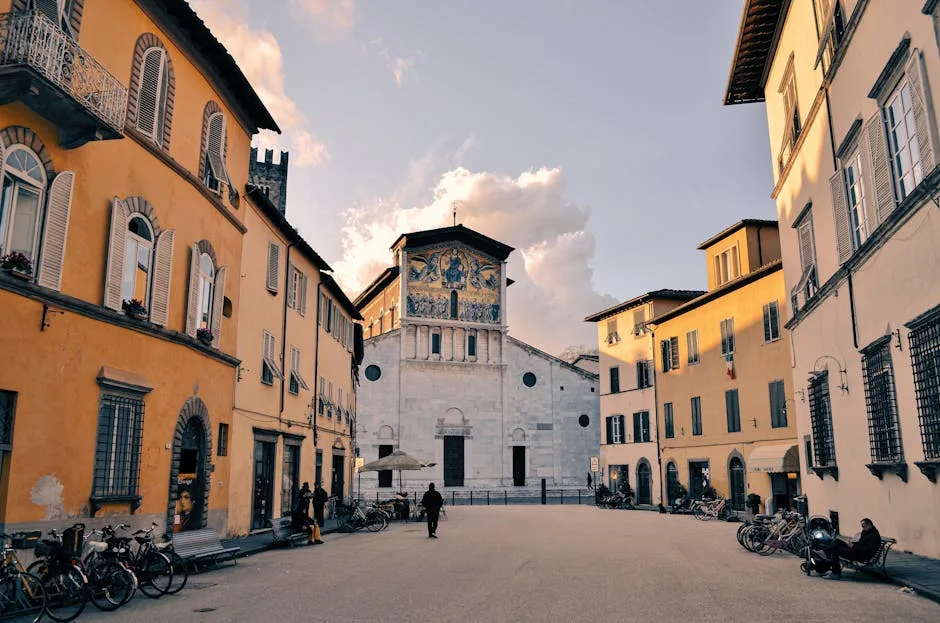
Third, the historic landscape. The wall is more than a path; it’s a continuous viewpoint. You look down over the entire old town contained within the ramparts: Piazza San Michele and the church of San Michele in Foro, the Duomo di San Martino, the Torre Guinigi with its rooftop garden, and the grand Piazza Napoleone with the Palazzo Ducale (and nearby Palazzo Pfanner). Every corner frames a new visual composition: ochre roofs, medieval spires, hidden courtyards and hanging gardens.
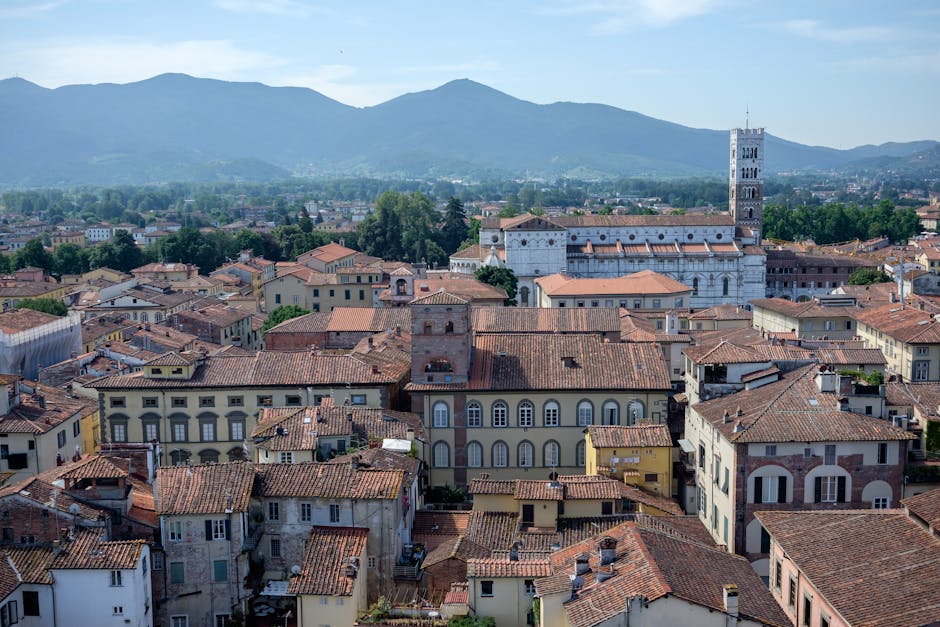
Fourth, the circuit’s flexibility. The full loop is about 4 km — a perfect distance: not too short, not too long. You can ride it straight through in 25–35 minutes, or turn it into a half-day outing with multiple stops. Interesting variations include: an early-morning start to catch golden light on the roofs, an afternoon ride with an aperitivo stop at Piazza dell’Anfiteatro, or an evening ride to enjoy the lamplight and peaceful atmosphere. Photographers particularly love the viewpoints over the surrounding countryside and the low-angle views of the city gates.
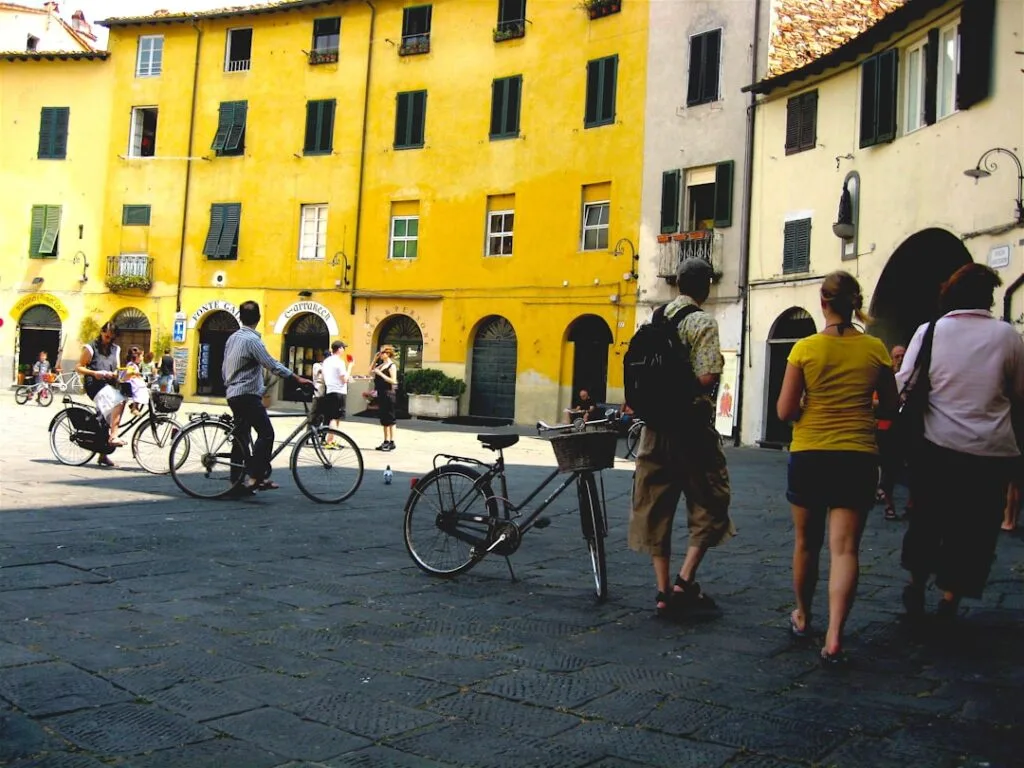
Finally, it’s cheap and sustainable. Access to the walls is free (no ticket), and bike rentals are inexpensive — a budget-friendly alternative to guided tours. It’s an eco-friendly activity that promotes gentle mobility and lets you combine relaxation with cultural discovery without polluting or adding to the historic center’s motor traffic.
Step-by-step route: the perfect loop
The full loop ideally starts from Piazza Napoleone (Piazza Napoleone, 55100 Lucca LU) — a central square that’s easy to reach from anywhere in the historic center. From Piazza Napoleone, head to the walls access at Porta Reale / Porta Elisa depending on where you are, then hop on your bike and ride clockwise (counter-clockwise is also fine depending on your planned stops). The route is well signposted with « Passeggiata delle Mura » signs and includes several staircases, but the main route keeps a gentle ramp suitable for bicycles.
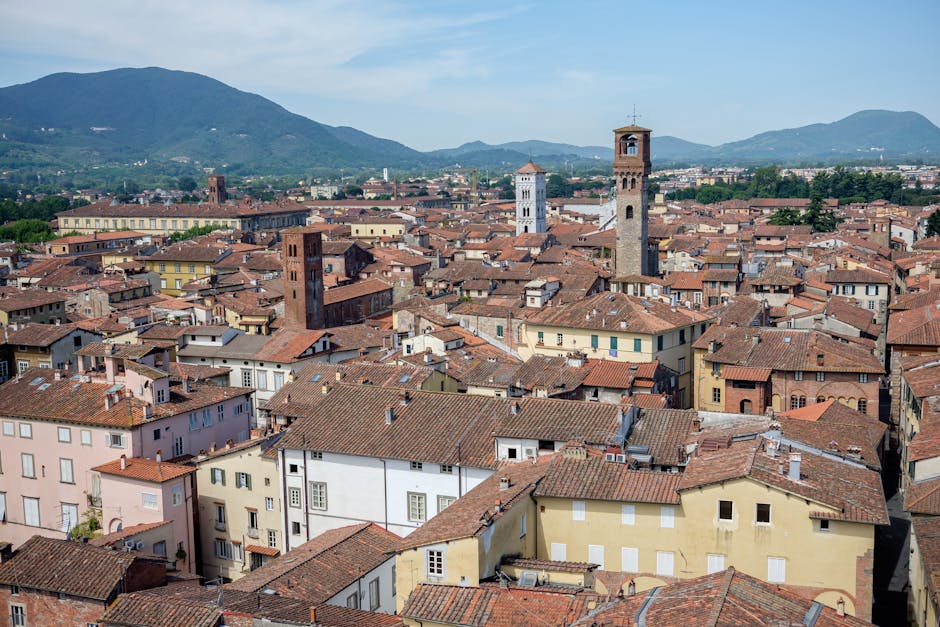
Stage 1 — From Porta Elisa to Porta San Pietro (about 900 m): Enjoy the first shaded section lined with century-old plane trees and public benches. Halfway you’ll pass near the Jardino della Villa Bottini (Via Elisa 3, 55100 Lucca), a lovely spot for a short rest. The view provides an initial glimpse of medieval towers and the dense urban fabric of the old town. Estimated time: 10–15 minutes without stops.
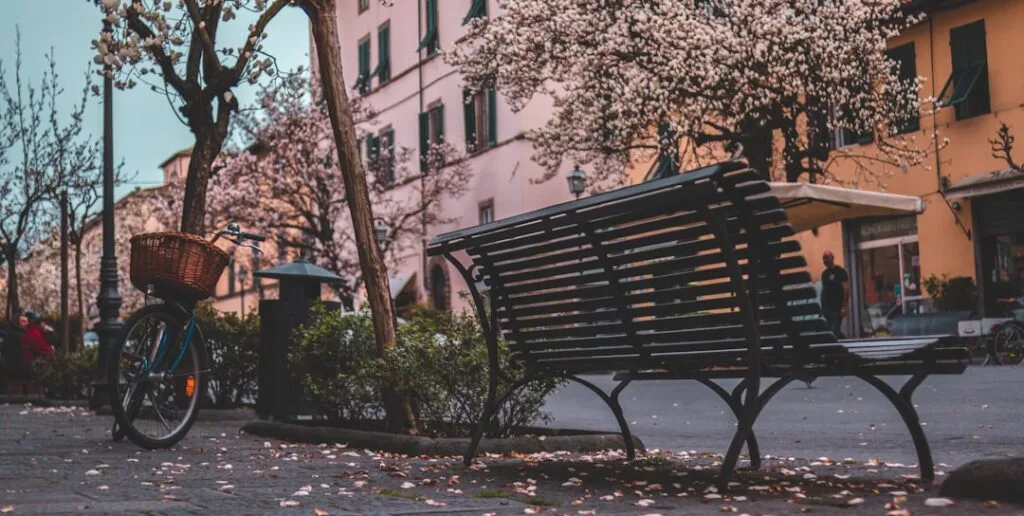
Stage 2 — From Porta San Pietro to Porta San Donato (about 1 km): This stretch opens up to panoramic views of the Lucca countryside and, on clear days, the surrounding hills. Nearby there’s a descent that leads to Piazza San Michele and the church of San Michele in Foro (Piazza San Michele, 55100 Lucca), worth a photo stop and a quick visit. Estimated time: 15–20 minutes with a stop.
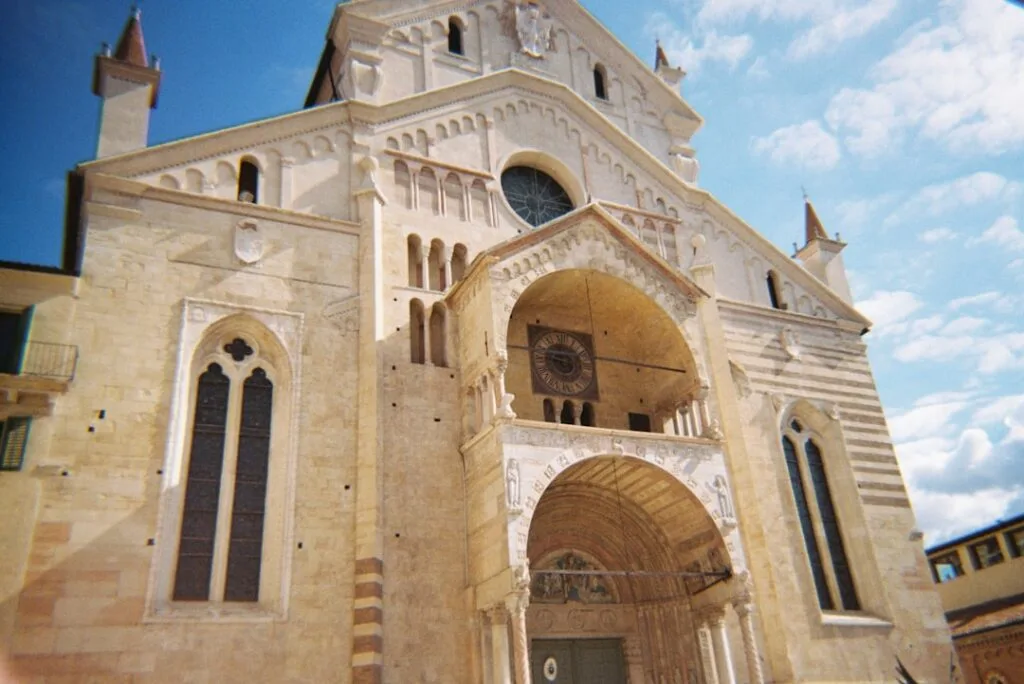
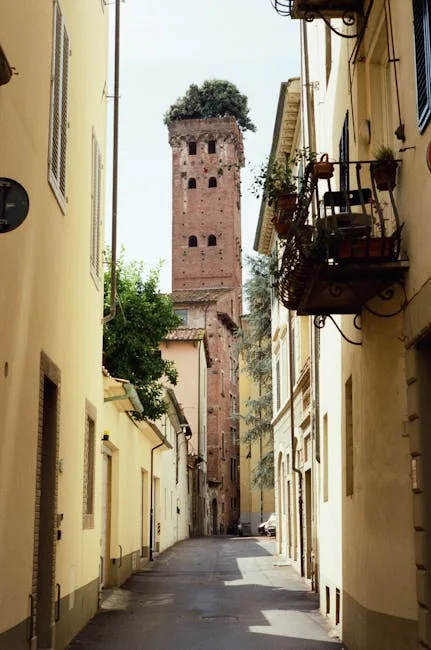
Stage 3 — From Porta San Donato back toward Porta San Pietro (return on the east side, about 1.1 km): This section runs past gardens and picnic areas often frequented by families at the weekend. Nearby are Palazzo Pfanner (Via degli Asili, 33, 55100 Lucca) and the famous Torre Guinigi (Torre Guinigi, Via Sant’Andrea 45, 55100 Lucca). If you plan to climb Torre Guinigi for the view, factor in time and buy a ticket (usually around €4–6 depending on season, typically open 9:00–19:00 in high season). Estimated time: 15–25 minutes depending on visits.
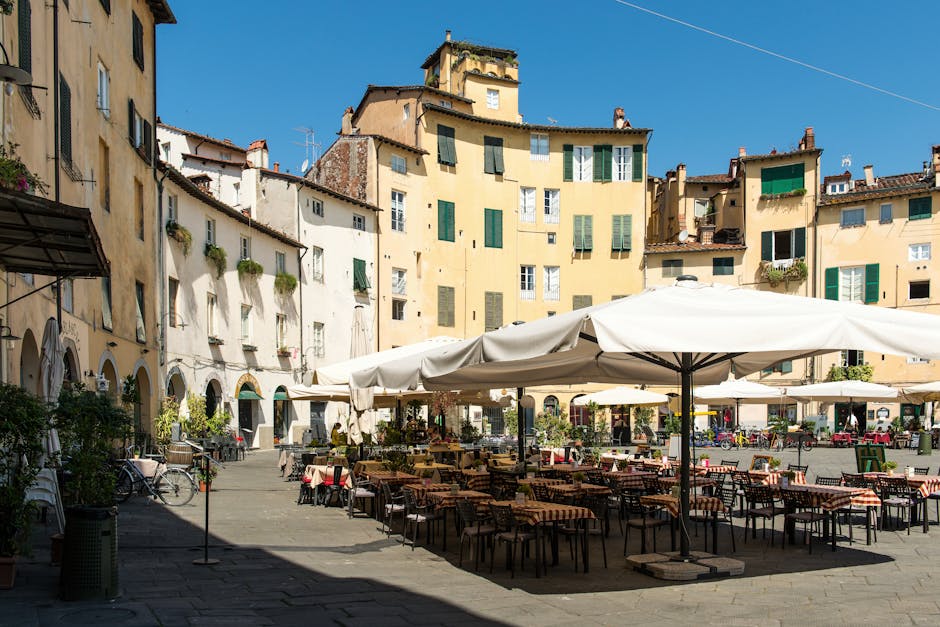
Stage 4 — Final stretch and return to Piazza Napoleone (about 900 m): Enjoy the remaining viewpoints and descend gently toward Porta Santa Maria or Porta San Pietro depending on your chosen route. Before finishing, make a detour to Piazza dell’Anfiteatro (Piazza dell’Anfiteatro, 55100 Lucca) — an oval square full of terraces and bars, perfect for a coffee or an aperitif. Overall, the loop without stops takes 25–35 minutes; with visits and breaks, plan for a pleasant half-day.
Points of interest and monuments along the route (addresses, hours, prices)
The Lucca walls are lined with access points and drop-off spots that let you explore iconic monuments. Here are the must-see stops with practical information:
- Torre Guinigi — Via Sant’Andrea 45, 55100 Lucca LU. Hours: usually 9:00–19:00 (times vary by season). Price: around €5 to access the tower and its rooftop garden. Description: a unique medieval tower topped with a small oak garden offering panoramic views over the old town. Tip: climb early to avoid crowds and summer heat.
- Duomo di San Martino (Cathedral of Lucca) — Piazza San Martino, 55100 Lucca LU. Hours: generally open 8:30–19:00 for visits outside services (check during mass times). Price: entry to the cathedral is free; some chapels or attached museums (like the Museo del Duomo) may charge €3–6. Description: Romanesque façade, altarpieces by Fra Bartolomeo, and the famous Volto Santo (Holy Face), sometimes accessible to the public. Tip: respect service times and the quiet atmosphere.
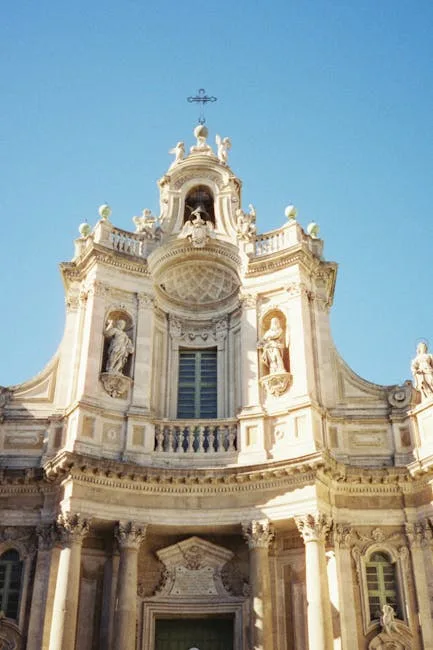
- Piazza dell’Anfiteatro — Piazza dell’Anfiteatro, 55100 Lucca LU. Hours: the square is open 24/7; cafés and restaurants have their own hours (usually 8:00–23:00). Price: free. Description: an oval piazza formed by the remains of a Roman amphitheatre, lined with terraces and restaurants. Tip: stop for lunch or an aperitivo on a terrace to soak up the ambiance.
- Palazzo Pfanner — Via degli Asili, 33, 55100 Lucca LU. Hours: often 10:00–18:00 (closed some days, check ahead). Price: entry roughly €5–8 (includes gardens and a small period instruments museum). Description: a Baroque palace with well-tended gardens overlooking the city and a collection of historical medical instruments. Tip: pair the visit with a relaxing break in the garden if the weather is nice.
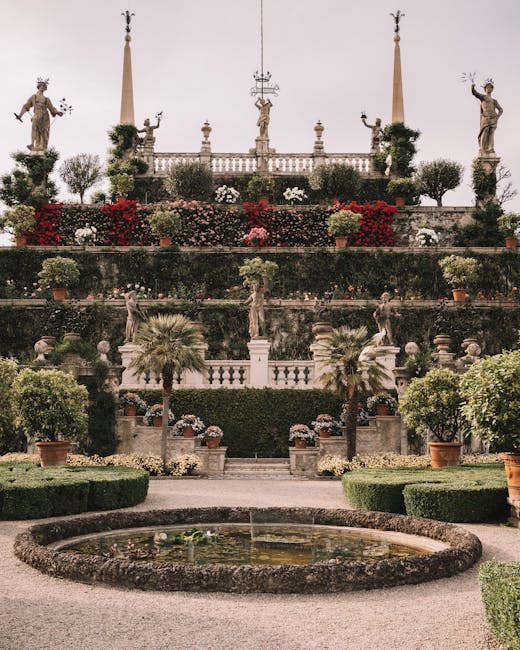
- Puccini’s Birthplace (Casa di Puccini) — Address note: the Puccini house is in Lucca and is often listed as Casa Natale di Giacomo Puccini near Via R. Zandonai / Piazza Cittadella. Confirm the exact address locally: Piazza Cittadella, 55100 Lucca LU. Hours: 10:00–18:00 in high season; price indication €5–7. Description: a museum dedicated to composer Giacomo Puccini, with personal items and original scores. Tip: book in advance if you want a guided tour.
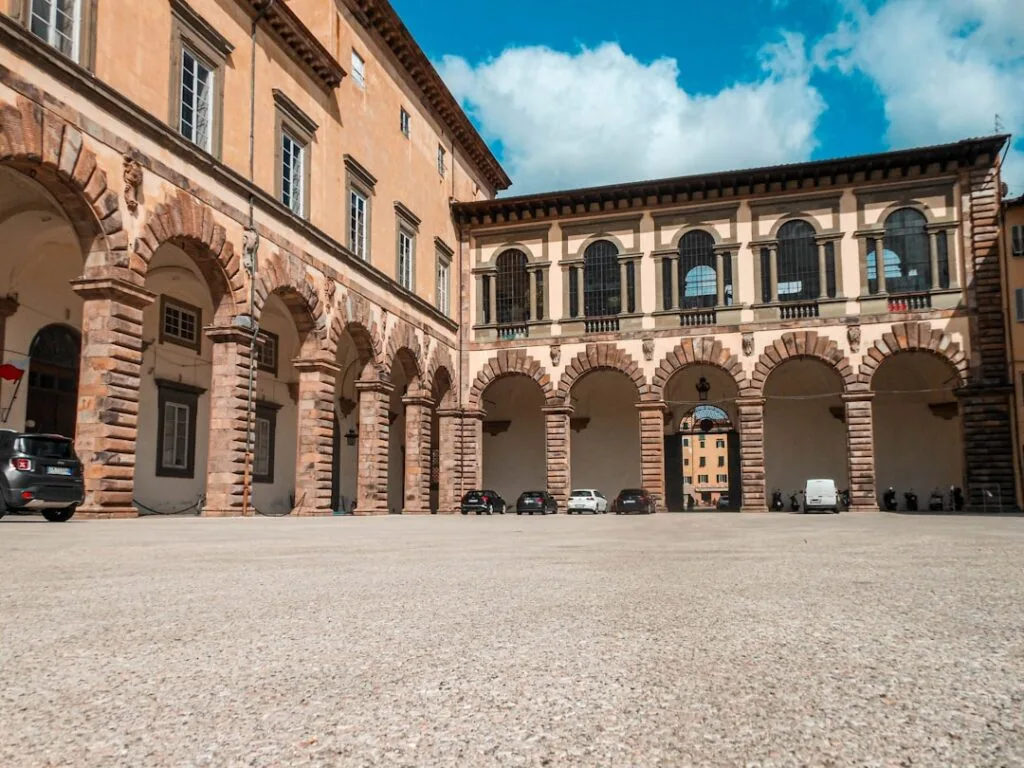
- Palazzo Ducale / Piazza Napoleone — Piazza Napoleone, 55100 Lucca LU. Hours: the square is accessible all day; some museums or events on the piazza have variable hours. Price: the piazza is free; museums may charge €6–10 for temporary exhibitions. Description: a large square with palaces and venues for cultural events. Tip: a great starting point for renting a bike or picking up a city map.
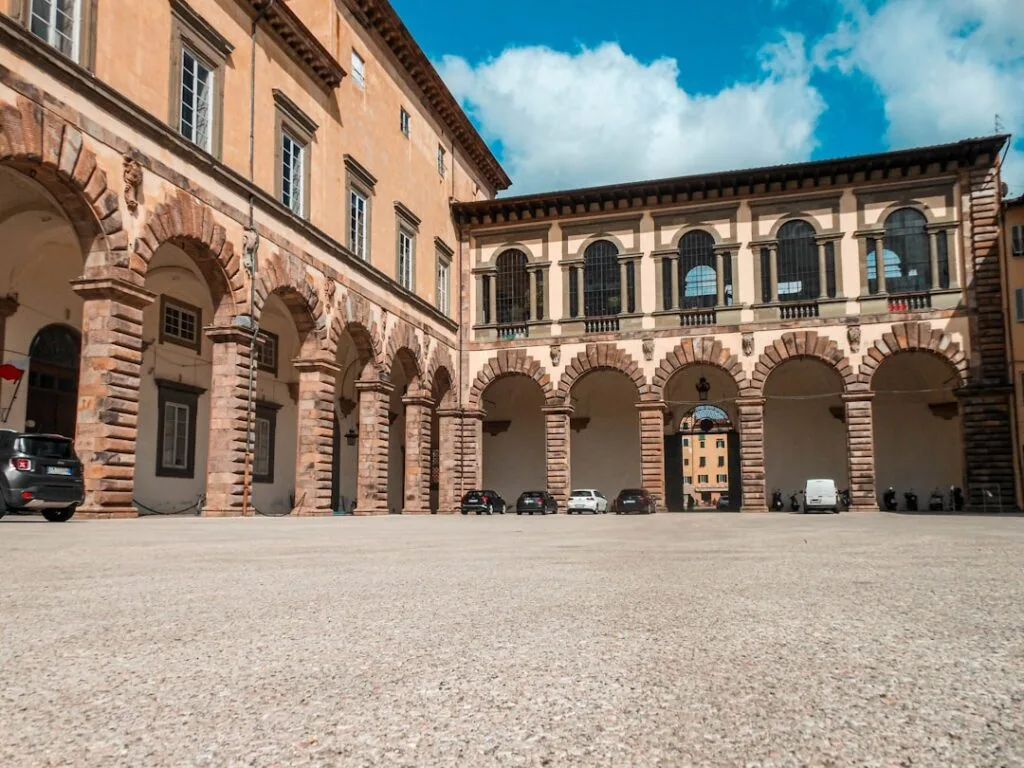
Practical notes: prices and opening hours may vary by season and on public holidays. It’s recommended to check online or contact the local tourist office (Ufficio Informazioni e Accoglienza Turistica – Via Fillungo 51, 55100 Lucca, tel. +39 0583 442129) for the latest updates. Major monuments usually display information panels in Italian and English.
Practical tips: bike rental, safety, food and seasonality
Bike rental: several shops rent bikes by the hour, half-day or full day. Expect to pay around €6–12 for a half-day and €10–20 for a full day for a standard city bike; e-bikes typically run €20–30 per day. A few useful options:
- Lucca Bike Tours / Lucca Rent a Bike — often located near Piazza Napoleone or Via Fillungo (exact addresses vary by season). Hours: generally 9:00–19:00. Tip: book in high season (June to September) and take a sturdy lock.
- Bike Rental – Centro Storico — local shops scattered along Via Fillungo (the main shopping street). Hours: 9:00–18:30. Tip: pick a bike with a basket if you plan a picnic.
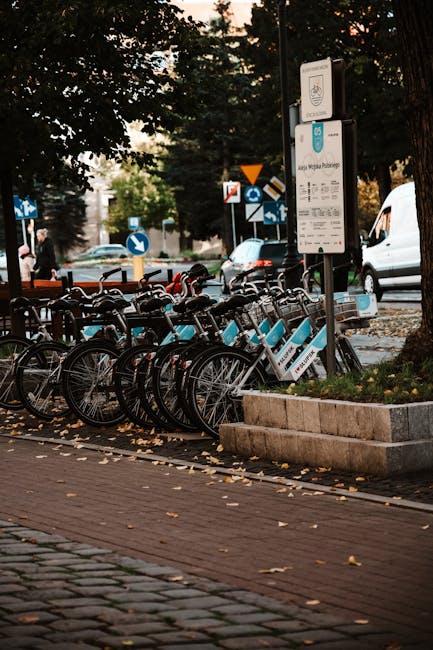
Safety and rules: the walls promenade is shared. Slow down at intersections, yield to pedestrians and use your bell to signal. Wearing a helmet is sensible, especially for children. Electric bikes are allowed but keep speed moderate. In the rain the surface can get slippery; choose fair weather to fully enjoy the views.
Food and breaks: you’ve got several options. For a quick treat, try a gelateria on Piazza dell’Anfiteatro (artisan gelato ~€2–4 a scoop). For a typical lunch, an osteria serves Tuscan dishes (antipasti, pici alla lucchese) for €10–20 per person. Recommendations: Osteria Baralla or Ristorante Giglio (both in the historic center) — check their opening hours (often 12:30–14:30 and 19:30–22:30). A friendly alternative: buy bread and cheese at the local market and picnic on the walls (there are many grassy areas). 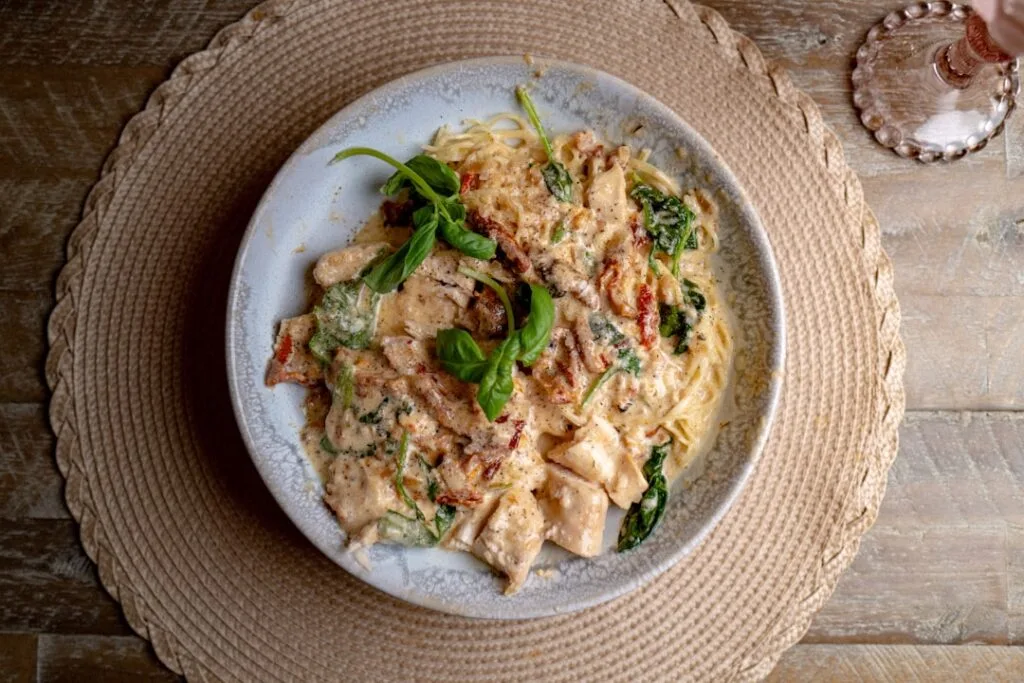
Seasonality: spring (April–June) and autumn (September–October) offer the best conditions: mild temperatures, soft light and moderate crowds. Summer (July–August) can be hot and busier — go early morning or late afternoon. In winter the ride is still possible but days are shorter and some services (rentals, museums) reduce hours.
Variations and complementary activities
If you have time and want to explore beyond the loop, here are some interesting options:
- Add a guided walking tour of the historic center after your bike ride: many operators offer themed tours (medieval history, food, Puccini). Indicative price: €12–20 per person for a 1.5–2 hour guided walk.
- Choose a special night visit — « Lucca by Night » — after dinner: the atmosphere changes completely and some squares come alive with summer concerts (check the tourist office program).
- Head down to the banks of the Serchio River from the walls in just a few minutes for different views of the town and its suburbs.
- Combine the ride with a visit to the Torre delle Ore (Clock Tower) — Via Fillungo, 55100 Lucca — for another panoramic viewpoint (hours and prices vary, often €3–5).
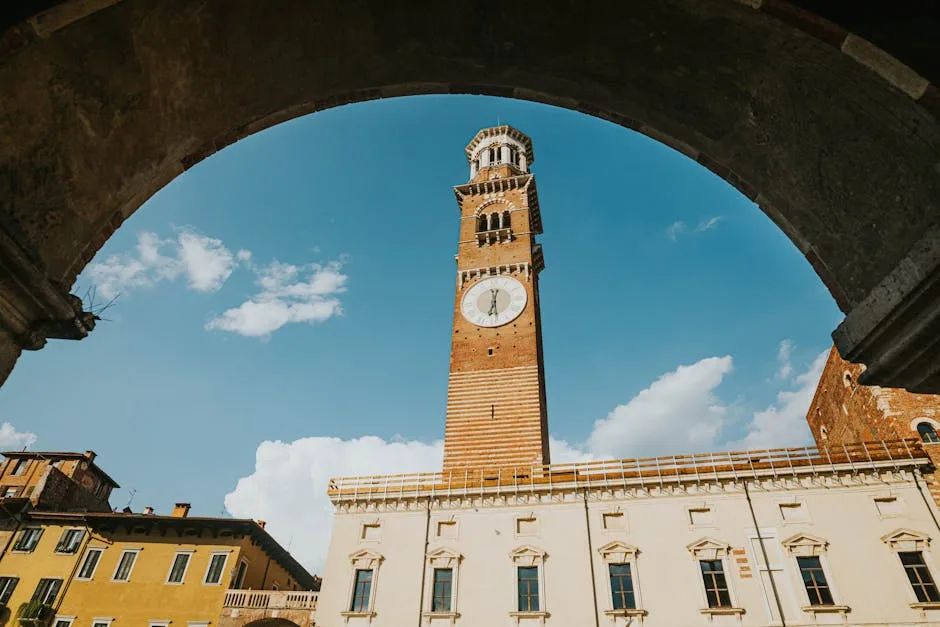
Photographers should watch the golden hours (sunrise and sunset): roofs and façades warm to rich tones and shadows create striking compositions. Bring a small rain kit if you travel off-season and favour a city map or an offline app to navigate easily without using data.
Conclusion
Cycling Lucca’s city walls is an almost essential experience for anyone wanting to combine heritage, relaxation and gentle mobility in a typically Tuscan atmosphere. The 4-kilometre loop hides viewpoints, monuments and tasty stops that make Lucca a destination with character. Beyond being accessible and safe, the promenade offers a variety of stops — from the Duomo di San Martino to Torre Guinigi and the charming Piazza dell’Anfiteatro — each revealing a different facet of local history and life.
This guide has given you a precise route, addresses and practical tips for renting a bike, making stops and optimizing your visit by season. Remember that the walls are a shared space: respect pedestrians, adjust your speed and enjoy the moment. For an ideal experience, plan to start early in the morning (soft light, pleasant temperatures) or late afternoon (aperitivo on a square), and schedule pauses to enter any museums that interest you. Monument prices and opening times can change, so check with the local tourist office (Ufficio Informazioni e Accoglienza Turistica — Via Fillungo 51, 55100 Lucca, official phone and website) before your visit.
Ultimately, whether you’re after an active sightseeing route or a leisurely afternoon discovering hidden treasures, cycling the Lucca walls is a suspended moment between history and la dolce vita. Bring your curiosity, a good camera, water and a map — and let the city reveal its secrets from its finest terrace. Happy pedaling and safe travels in Lucca!