




Introduction — Pilgrimage and Religious Traditions in Lucca
Lucca (Lucca in Italian) is a Tuscan town that, despite its modest size, hides an extraordinary spiritual and cultural wealth. Nestled in a region shaped by medieval religious history, Lucca has for centuries been a pilgrimage destination, a crossroads of liturgical traditions and a showcase of sacred architecture. Pilgrimage in Lucca blends the intimate with the artistic: solemn processions, Romanesque churches adorned with works of art, venerated reliquaries and local rites passed down through generations. It’s a place where faith is expressed as much in the smoothed stones of the cathedrals as in the everyday life of the locals.
Approaching Piazza San Martino, you immediately sense this pervasive religious presence. The Cattedrale di San Martino, with carved façades and an interior filled with chapels, underlines Lucca’s historic importance in Tuscany’s medieval religious network. Nearby, the Basilica di San Frediano offers a captivating mosaic and an atmosphere that draws both worshippers and lovers of sacred art. The city walls, now shady promenades, once bore centuries-old processions, and several local confraternities still organize rites that punctuate the civic and religious calendar.
This guide aims to explore, practically and immersively, Lucca’s landscape of pilgrimage and religious traditions. We’ll detail the main places of worship — full names, exact addresses, opening times, admission fees — while offering sensory descriptions to help you picture yourself there. You’ll also find practical tips: when to attend services, how to prepare for a respectful visit, where to stay near the sanctuaries, and which walking routes to favor for an authentic pilgrimage. Whether you’re a pilgrim tracing spiritual footsteps, an enthusiast of religious architecture, or a curious traveler seeking off-the-beaten-path experiences, Lucca’s religious traditions offer a meaningful, simple and memorable encounter.
We’ll also cover specific events — patronal feasts, Easter processions, Holy Cross celebrations — and how these manifestations fit into the social fabric of the city. Finally, up-to-date practical information on diocesan museums, tourist offices and visiting rules will help you organize a successful pilgrimage: walking routes linking the sanctuaries, off-peak hours to avoid crowds, and addresses for sampling local food before or after Mass. Let’s dive into the sacred sites and traditions that make Lucca a living center of European religious heritage.
The Must-See Sacred Sites of Lucca
Lucca hosts several major religious buildings, each with its own identity, artistic treasures and unique role in local liturgical life. Below is a detailed presentation of the main sanctuaries, with addresses, opening hours, admission fees and descriptive notes to plan a complete spiritual visit.
Cattedrale di San Martino (Cathedral of Saint Martin)
The Cattedrale di San Martino (Cathedral of Saint Martin) sits on Piazza San Martino, 55100 Lucca LU, Italy. Full address: Piazza San Martino, 55100 Lucca LU, Italy. Opening hours: generally 8:30–12:30 and 15:00–19:00 (times may vary due to Masses and ceremonies). Price: entry to the cathedral is free, but access to the Museo and the Campanile (museum and bell tower climb) is usually charged at around €3–€5 for adults; guided tours available (~€8–€12).
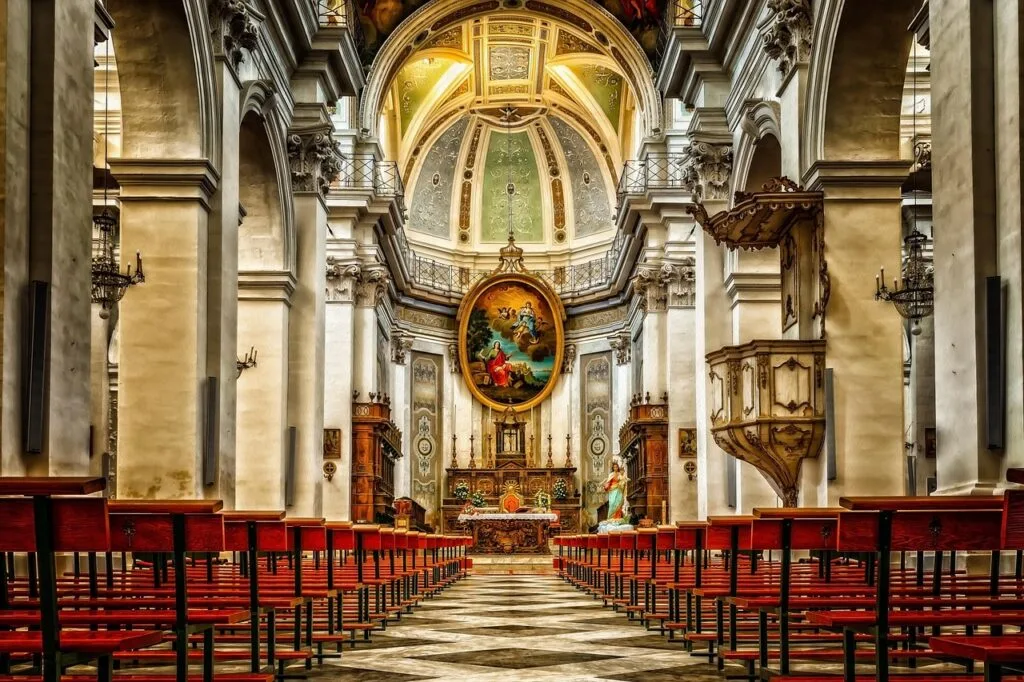
Immersive description: stepping through the porch, you’re struck by the luminous space, richly decorated chapels and the famed « Volto Santo » — a wooden crucifix venerated and a focus of pilgrimage since the 12th century. The atmosphere mixes intimacy and solemnity; worshippers light candles, pray before relics and listen to Gregorian chant during services. Practical tips: arrive early in the morning to enjoy the light on the high altar; dress modestly (shoulders and knees covered); check the Mass schedule posted on the door to avoid unexpected closures for ceremonies.

Basilica di San Frediano
The Basilica di San Frediano is located at Piazza San Frediano, 55100 Lucca LU, Italy. Full address: Piazza San Frediano, 55100 Lucca LU, Italy. Opening hours: generally 9:00–12:30 and 15:00–18:30. Price: free entry, with suggested donations for upkeep (recommended €2–€5).
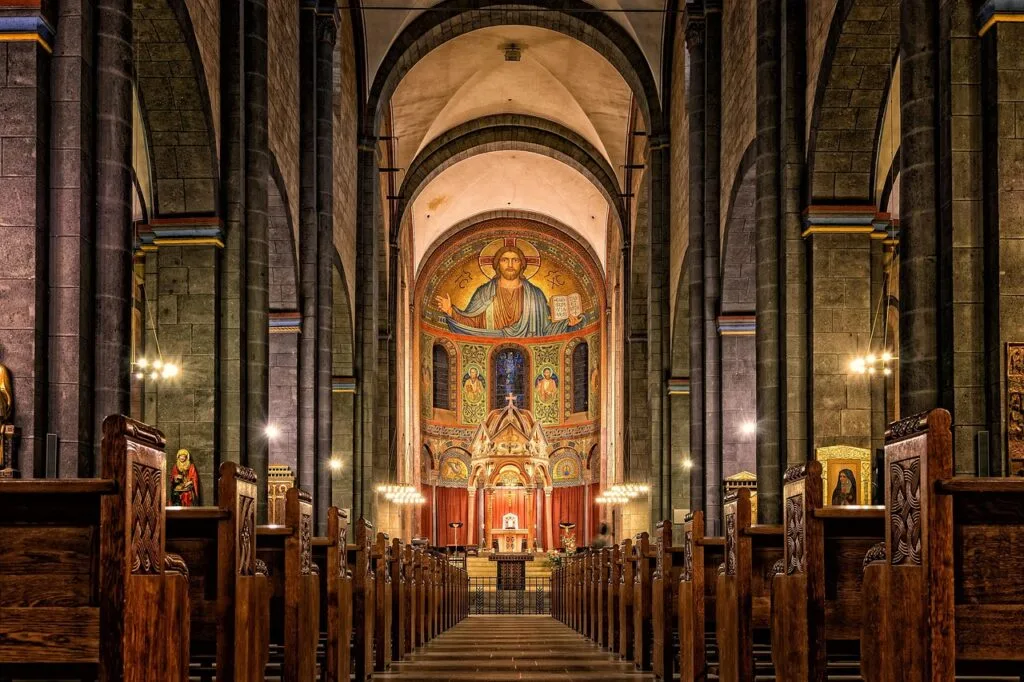
Immersive description: the western façade is decorated with a large Byzantine mosaic that catches the evening sun and draws photographers. Inside, the basilica spreads a sober nave, polychrome marbles and ancient frescoes, creating a quiet atmosphere for reflection. Local processions often depart from San Frediano during patronal festivals, and the bells still mark civic events. Practical tips: climb the bell tower during opening hours for panoramic views over Lucca’s rooftops; bring a small torch if you want to examine carved details in dimmer spots.
Chiesa di San Michele in Foro
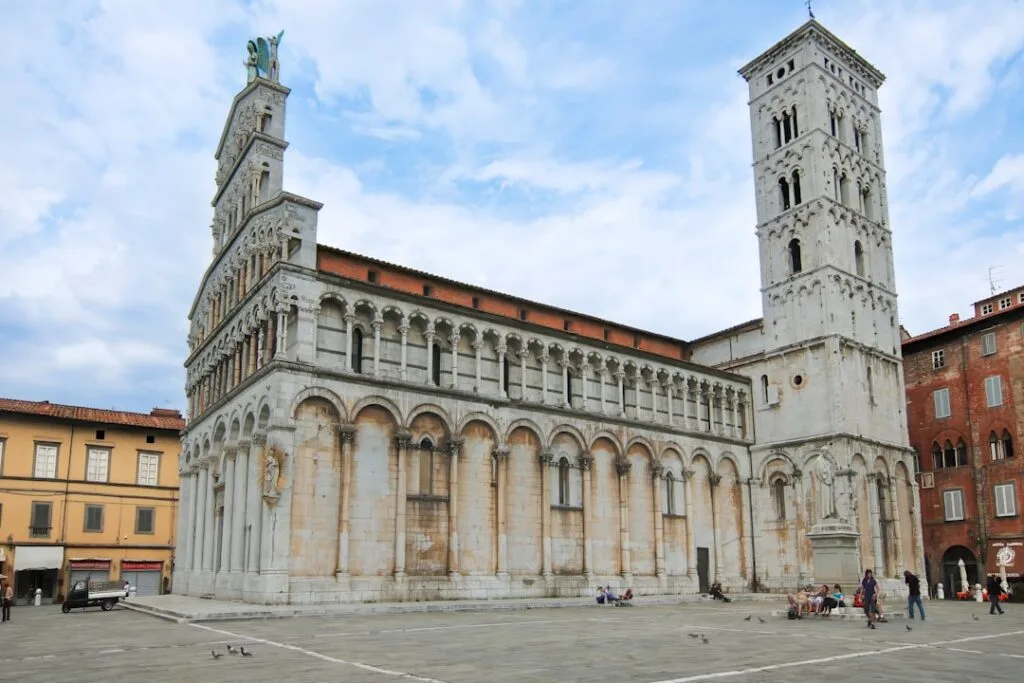
The Chiesa di San Michele in Foro is set on Piazza San Michele, 55100 Lucca LU, Italy. Full address: Piazza San Michele, 55100 Lucca LU, Italy. Opening hours: 9:00–19:00 in high season; reduced hours off-season (check locally). Price: free entry for Mass; guided tours and access to some areas may be charged (around €2–€4).
Immersive description: built on the old Roman forum, this church stands out with a sculpted façade and a statue of the archangel Michael at the top. Inside, carved capitals and Romanesque details speak of a rich medieval past and strong popular devotion. Practical tips: the square is a great place to sit and listen to a local choir or watch occasional food markets that set up near the church — a perfect mix of spirituality and gastronomic discovery.
Oratorio e Cappelle minori (Oratories and Small Chapels)
Beyond the major churches, Lucca is dotted with many small chapels and oratories — the Cappella della Madonna del Carmine, Oratorio di Santa Maria della Rosa and private chapels often open during heritage days. Exact addresses vary, but most are found around the historic streets near the main squares (Piazza San Martino, Via Fillungo, Via Pescheria). Hours: often open during services or by request; prices: free or donation-based.
Immersive description: these intimate spaces offer precious moments of silence, little-known altarpieces and surprising frescoes. Ideal for pilgrims seeking solitude and prayer away from the main tourist routes. Practical tip: ask local parishes or the ufficio turistico (tourist office) about guided visits to the oratories; some confraternities arrange special openings during religious festivals.
 Click here to book a guided tour of San Martino and San Frediano
Processions, Patronal Feasts and Living Rites
Lucca’s religious traditions come alive during processions and festivals. These events animate the city and reveal an intimate link between faith, culture and local identity. Several celebrations mark the liturgical year in Lucca and draw beyond regular worshippers — families, tourists and fans of religious folklore. Here are the main events to know, with practical advice on how to participate respectfully.
The Festa del Volto Santo (Feast of the Holy Face)
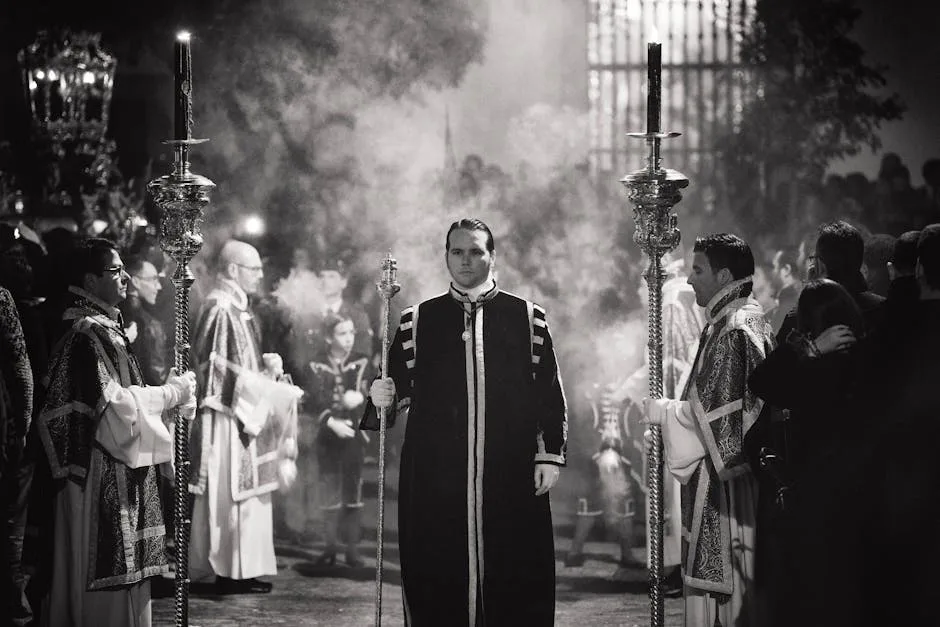
The Festa del Volto Santo is Lucca’s most emblematic festival, centered on the famous Volto Santo crucifix. Rooted in the Middle Ages, it takes place every year in September (the exact date varies according to the local religious calendar). The highlight is the procession that carries the crucifix from the cathedral through the main streets, accompanied by confraternities and civic officials.
Practical tips: arrive early (1–2 hours beforehand) to secure a good spot along the route; areas near the cathedral (Piazza San Martino) are the most sought-after. Expect security checks; bring water and layers if attending with children. Respect the solemn moments: photography can be frowned upon during certain phases of the procession. Cathedral access may be restricted during the ceremony — check for modified opening hours.
Easter and Holy Week Rites
At Easter, Lucca is rich in ancient rites: Masses, Easter vigils and processions. The main churches offer solemn services where sacred music and the organ create an emotional atmosphere. The confraternities take an active part, and some traditional chants have been passed down orally for centuries.
Practical tips: if you want to experience Holy Week, book your accommodation several weeks in advance — the city sees a rise in religious visitors. Check with the Cattedrale di San Martino and local parishes for special schedules (services often take place in the evening and very early in the morning). Dress and behavior: adopt a discreet attitude and follow directions from church officials.
Local Feasts and Popular Devotions
Beyond the major festivals, many local devotions persist: neighborhood blessings, confraternity feasts, outdoor liturgies on market days. These smaller events are often the most authentic moments to observe the day-to-day devotion of the people of Lucca.
Practical tips: interact respectfully; many events are family-centered. For a deeper experience, join a themed guided tour focused on religious traditions: the ufficio turistico di Lucca (Piazza San Michele, 55100 Lucca) sometimes offers curated circuits by reservation. Indicative prices: themed guided tours approx. €10–€20 per person depending on duration.
Pilgrimage Walks and Spiritual Routes Around Lucca
Lucca is also an excellent starting point for walking pilgrimages, short spiritual stages and historic hikes connecting various sanctuaries. The walls promenades (Mura di Lucca) provide shaded paths that naturally link to churches and chapels. Here are some recommended routes with distances, walking times and practical tips.
Route 1: From the Historic Center to Torre Guinigi and San Martino
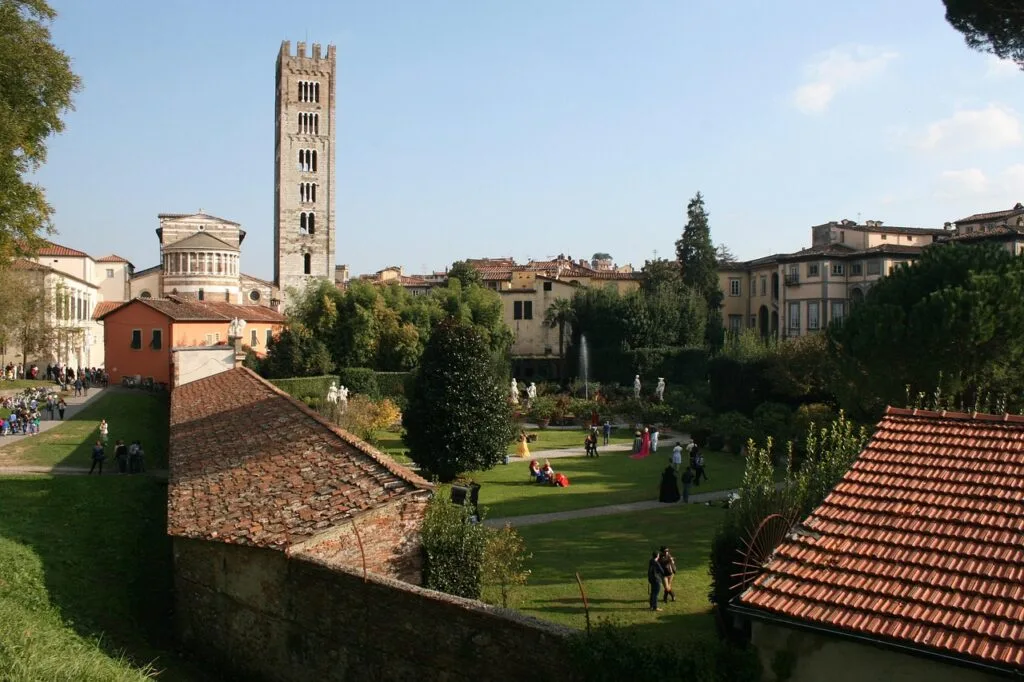
Starting point: Piazza San Martino (Cattedrale di San Martino), 55100 Lucca LU. Distance: 1–2 km loop. Duration: 1h30–2h with stops. The route leads from the Duomo to Torre Guinigi (Torre Guinigi, Via Sant’Andrea, 55100 Lucca LU — opening hours 9:00–19:00, admission for the climb ~€5–€7) and returns through medieval alleyways.
Immersive description: the climb up Torre Guinigi offers a unique viewpoint: oak trees planted on the summit and a panorama over Lucca’s red roofs. The link between this secular site and the sanctuaries highlights how civic and religious life intertwine. Practical tip: wear comfortable shoes and bring water; the ascent is narrow and can be hot in summer.
Route 2: The Walls and Forgotten Chapels
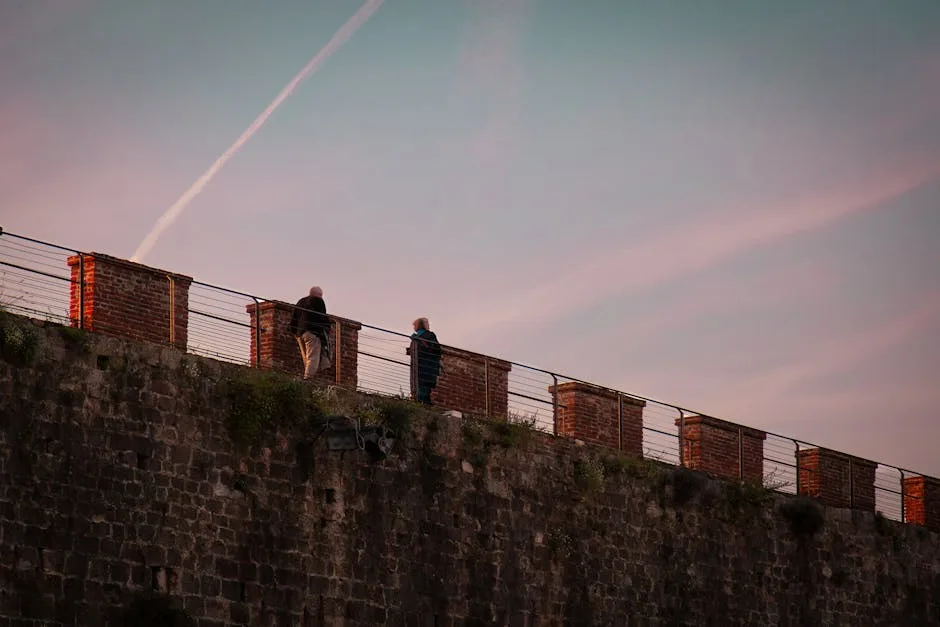
Starting point: Porta San Pietro (access via Viale Giosuè Carducci / Viale San Concordio areas). Distance: 4–6 km depending on the loop chosen. Duration: 2–3 hours. This route follows the city walls (Mura di Lucca) and descends to less-visited chapels and neighborhood churches.
Immersive description: the walk on the walls is shaded by centenary plane trees; you move from panoramic viewpoints to prayer stops in oratories. Practical tip: this walk is ideal at sunset; bring a small picnic and locate public fountains to refresh yourself.
Route 3: Spiritual Excursion into the Tuscan Countryside
Starting point: Lucca train station (Piazza Ricasoli, 55100 Lucca). Distance: 10–15 km depending on the destination (for example Tore del Lago or Collodi, reachable by train/bus + walking). Duration: half-day to full day. Combine public transport and walking to reach rural sanctuaries, little chapels and countryside shrines.
Immersive description: the calm of the Tuscan countryside changes the pace of pilgrimage; you cross olive groves and vineyards, pausing in rural churches for moments of silence. Practical tip: check bus timetables (local company Lucca Trasporti) and bring water and sun protection; some chapels close early.
Click here to book the guided tour of Lucca’s walls
Click here to book a walking tour of the historic center
Museums, Religious Services and Practical Tips for Pilgrims
Visiting Lucca from a religious perspective also means knowing the services available: diocesan museums, confession times, Mass schedules, religious accommodations and codes of conduct. Here’s a useful overview to prepare your trip.
Museo della Cattedrale and Museo Diocesano
The Museo della Cattedrale and the Museo Diocesano (and sometimes the Museo Nazionale di Villa Guinigi for certain collections) preserve sacred works, manuscripts, liturgical pieces and vestments. Museo della Cattedrale address: Piazza San Martino, 55100 Lucca. Opening hours: roughly 9:00–17:00 depending on the season. Price: €3–€8 for entry (reduced rates for students and seniors).
Immersive description: these museums help explain the history of liturgical objects, the evolution of rites and the preservation of relics. Practical tip: combine a museum visit with the cathedral; take advantage of audio guides or a guided tour to better grasp the historical context of the pieces.
Religious Services, Confessions and Masses
Lucca’s parishes offer daily Masses, confession times and spiritual guidance on request. For special celebrations (baptisms, religious weddings, votive Masses), it’s best to contact the specific parish directly. Useful contacts include: Parrocchia di San Martino (Piazza San Martino) and Parrocchia di San Frediano (Piazza San Frediano).
Practical tips: for Masses in English or foreign language assistance, inquire in advance at the ufficio turistico. If you’re looking for accommodation focused on silence and prayer, some religious guesthouses and small convents welcome pilgrims: rates vary, generally between €25–€60 per night depending on comfort and season.
Conclusion — Experiencing a Pilgrimage in Lucca: Final Tips and Recommendations
Lucca is a city where spirituality is written in stone, light and everyday gestures. A pilgrimage here isn’t just a string of visits but a gradual immersion: start at the Cattedrale di San Martino, be surprised by the mosaic façade of the Basilica di San Frediano, pause at the discreet chapels and, if possible, take part in a local procession. These sacred places offer complementary experiences: art, prayer, silence and community engagement.
To prepare your stay, here’s a practical summary and final recommendations. Check opening times before each visit: most churches post schedules that may change according to celebrations or seasons. Pack appropriate clothing (shoulders and knees covered) to respect places of worship. Favor walking to connect the sanctuaries — Lucca is easy to explore on foot and the walk along the walls is a contemplative experience in itself. If you’re coming for specific celebrations (Festa del Volto Santo, Holy Week), book accommodation and tickets well in advance.
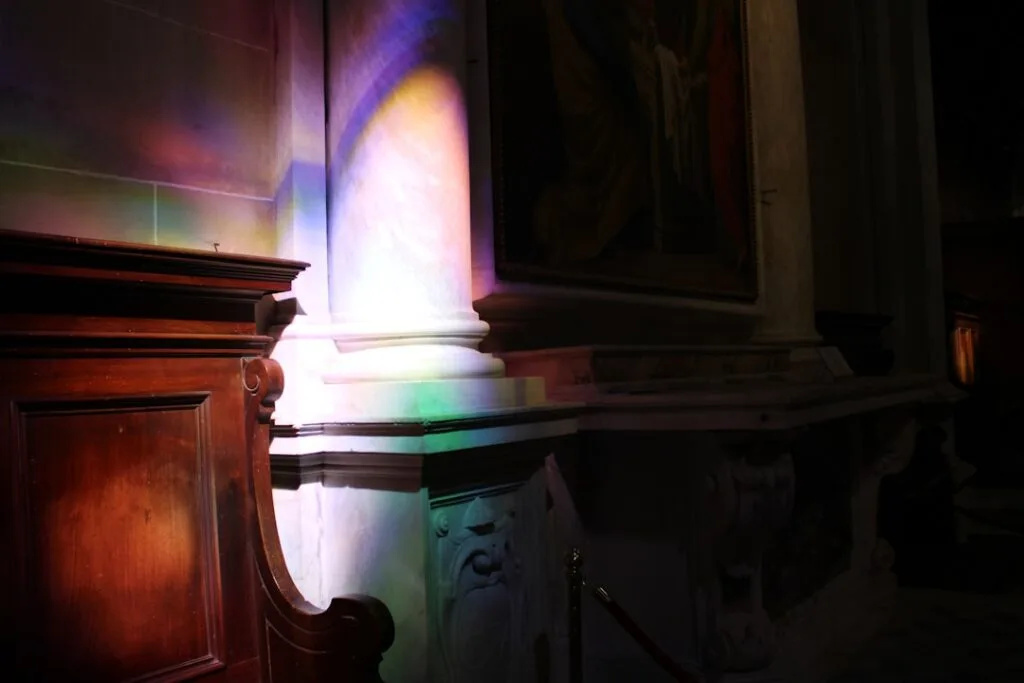
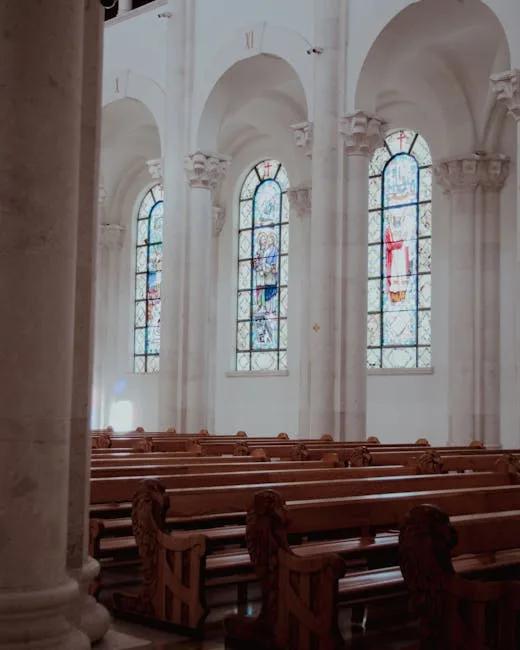
Finally, leave room for contemplation: sit in a church in the morning as sunlight filters through stained glass, listen to a local choir, savor a moment of silence in a rural oratory — those are the moments that will turn your pilgrimage into a lasting experience. Don’t hesitate to check with the ufficio turistico di Lucca (Piazza San Michele, 55100 Lucca) for guided circuits, route sheets and parish contacts. The people of Lucca are proud of their religious heritage: approach them with curiosity and respect, and you’ll leave enriched by a living heritage where faith and culture echo around every corner.
Click here to book a private tour to discover Lucca