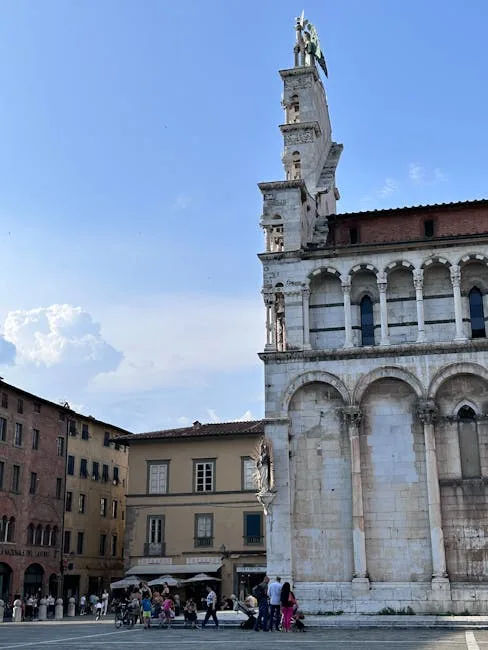






Introduction: Getting from Pisa to Lucca by bus — a short ride full of discoveries
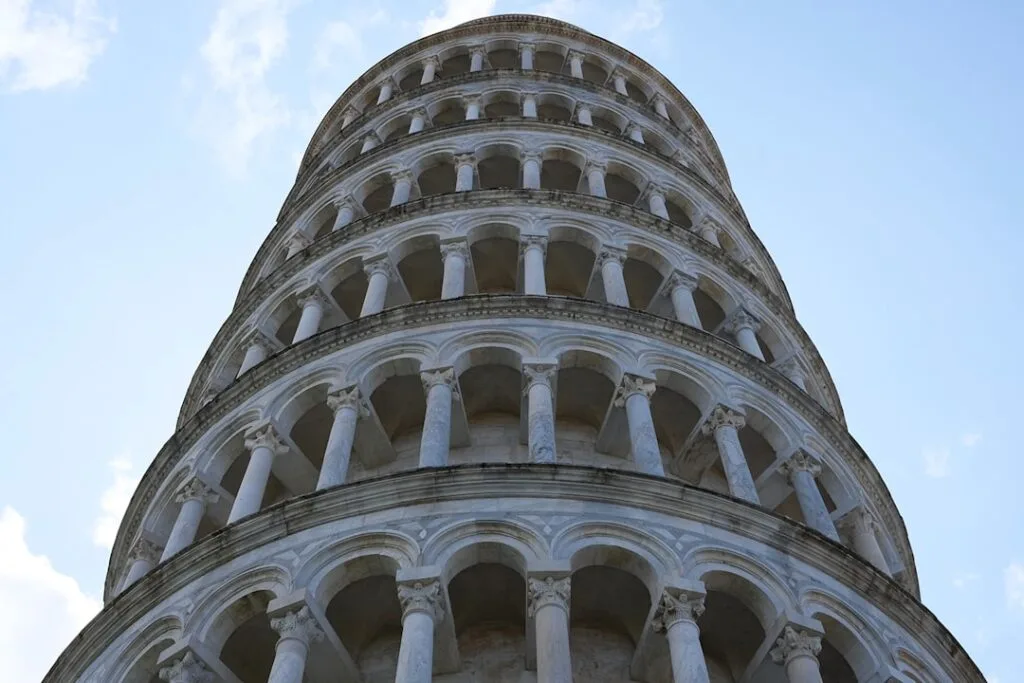
The bus trip from Pisa to Lucca is one of Tuscany’s most convenient and budget-friendly regional routes. The two charming towns sit only 20–40 kilometres apart, yet the vibe shifts dramatically: from the world-famous square with the Torre Pendente di Pisa (Leaning Tower of Pisa) to the intimate, medieval atmosphere of Lucca, wrapped in its green city walls. For travelers prioritizing cost, simplicity, and frequent departures, the bus is often the best option: no parking headaches, regular departures from Pisa Centrale, and easy access to Lucca’s historic center on foot.
This guide covers everything you need to plan the journey: typical schedules, operators and line numbers, exact locations of stations and stops, usual fares, money-saving tips, and practical advice for when you arrive in Lucca (walking the walls, monuments to visit, addresses and opening hours). Whether you’re on a weekend break, passing through to the Cinque Terre, or staying longer, you’ll find practical, hands-on information to turn a simple connection into a smooth, enjoyable experience. I also list Lucca’s must-see sights — Piazza dell’Anfiteatro, Torre Guinigi, Cattedrale di San Martino — with precise addresses, opening times, and admission fees so you can plan a walking day right off the bus.
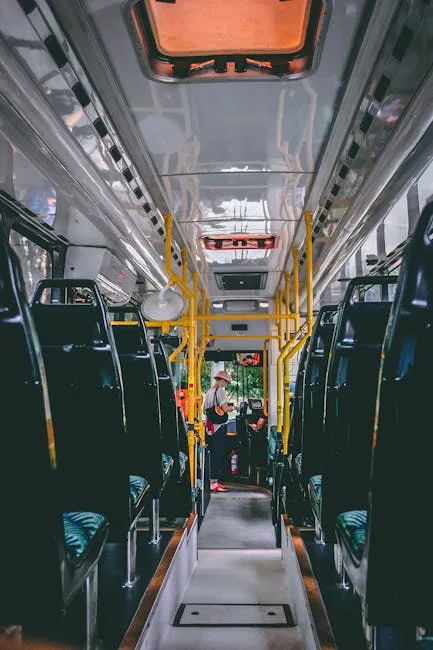
Traveling by bus in Tuscany means knowing a few local rules: buy your ticket before boarding (on most regional routes), validate it on board if required, carry some cash for small purchases, or install a local app (for example the Autolinee Toscane app) on your smartphone. The Pisa → Lucca run takes about 25–50 minutes depending on the service. Along the way you’ll enjoy lovely views of the Tuscan countryside: gentle hills, olive groves and stone villages. I also give tips to avoid lines at popular monuments, recommend the best times to experience Lucca, and suggest options to continue by bus to nearby spots like Viareggio or the coast.

Schedules, frequency and lines Pisa → Lucca: how to plan
The road link between Pisa and Lucca is mainly served by the regional network Autolinee Toscane (AT) plus a few local lines run by regional operators. Most departures leave from stazione Pisa Centrale (Piazza della Stazione, 56125 Pisa PI, Italy), with some stops closer to Piazza dei Miracoli for visitors coming straight from the Leaning Tower. In Lucca, most buses arrive at Stazione di Lucca (Piazza Ricasoli, 55100 Lucca LU, Italy) or at the nearby city bus station within easy walking distance of the historic center.
Typical times: on weekdays, buses between Pisa Centrale and Lucca run roughly every 30–60 minutes between 06:30 and 20:30. The first departures are usually around 06:20–06:40 and the last direct services around 20:00–21:00 depending on the day. On Sundays and holidays frequency drops and some services may not run after 19:00. Journey times vary: express lines take about 25–30 minutes, while routes that stop through intermediate towns can reach 40–50 minutes.
Line numbers: the most common service is shown on local timetables as a Pisa ↔ Lucca connection (look for “Pisa – Lucca” or the number assigned by Autolinee Toscane on the stop sign). Timetables change with the season — in summer extra departures are often added for tourists. Check Autolinee Toscane’s website (autolineetoscane.it), their app, or the schedule boards at Pisa Centrale before you travel.
Practical timing tips: arrive 10–15 minutes early, especially if you’re boarding near the Torre Pendente di Pisa — there are several stops nearby but it’s best to find the exact one in advance. If you have a train to catch from Lucca afterwards, allow a 30–45 minute buffer in case of traffic delays or roadworks. If you’re in a hurry, take “diretto” or “espresso” services with fewer stops. Finally, remember winter timetables can be reduced — always double-check online or at the station the day before departure.
Stations, stops and exact addresses: where to get on and off without mistakes
Pisa — main departure points:
- Pisa Centrale — Piazza della Stazione, 56125 Pisa PI, Italy. The main train station and regional bus hub: ticket counters, vending machines and information boards. Station opening hours: the concourse is generally open from 05:00 to 24:00; ticket office hours vary (counters roughly 06:00–22:00).
- Piazza del Duomo / Piazza dei Miracoli — tourist bus stop near the Torre Pendente di Pisa: Piazza del Duomo, 56126 Pisa PI, Italy. Handy if you’re coming directly from the Leaning Tower and don’t want to walk to Pisa Centrale.
Lucca — arrival points and how to reach the center:
- Stazione di Lucca (Lucca Railway Station) — Piazza Ricasoli, 55100 Lucca LU, Italy. Official station address. From here the centro storico is an 8–12 minute walk via Via Fillungo or Via S. Maria.
- Lucca Autostazione / Piazza Napoleone area — many buses also stop near Piazza Napoleone (Piazza Napoleone, 55100 Lucca LU, Italy), a central spot ideal for starting a walk along the walls and visiting sights like Piazza dell’Anfiteatro.
Practical notes: locating the exact stop number on the timetable prevents missing your bus. Some stops show a specific number and line name; others only list the destination. If in doubt, ask the driver (they usually know the main destinations) or check station screens. Major stops are well signed, but be aware that roadworks can temporarily move a stop.
Fares, tickets and money-saving tips — how to pay less and travel smart
Typical fares: a standard regional ticket for Pisa → Lucca usually costs between €3.00 and €5.50. Express services can be slightly more expensive, while combined or tourist passes (for example a day pass for the urban network) may offer better value if you plan multiple trips within Lucca. Children, students and seniors may qualify for discounts depending on the operator and on presentation of a valid ID card.
Where to buy tickets:
- Ticket counters or vending machines at Pisa Centrale (cash or card).
- Tabacchi shops and official kiosks (ricevitorie) that sell regional tickets — look for the “Biglietti Autolinee Toscane” sticker.
- Via the Autolinee Toscane app or other regional mobility apps: often the most convenient option and a real time-saver (fares are usually the same).
- On board: some buses accept cash payment, but this can be costlier and the driver may not give exact change or accept cards.
Money-saving tips:
- Buy your ticket before boarding: avoid surcharges or having to validate on board.
- If you’ll use several buses during the day, check day passes or multi-ride tickets (for example a city day ticket in Lucca, typically €4–8 depending on the offer).
- Travel outside peak hours to avoid higher demand and to secure a seat — useful if you have luggage.
- Look for combined train+bus deals if you arrive by train at Pisa Centrale: sometimes packages reduce the total cost.
Think about bikes too: Lucca is extremely bike-friendly. If you rent a bike (roughly €8–15 per day), you’ll get around the old town faster and reduce the need for paid transport once you’ve alighted the bus.
Practical tips for Lucca: addresses, opening hours and experiences you shouldn’t miss
On arrival in Lucca, here’s a short list of emblematic places with addresses, opening hours and approximate prices to help plan your day:
- Piazza dell’Anfiteatro — Piazza dell’Anfiteatro, 55100 Lucca LU, Italy. A former Roman amphitheatre turned elliptical square. Open all the time (free access). Great for a morning coffee or for photographing the unique shape at sunset. Tip: come early to beat the tour groups.
- Torre Guinigi — Via Sant’Andrea, 39, 55100 Lucca LU, Italy. Typical opening hours: 09:00–19:00 (seasonal variations possible). Admission: about €5.00–7.00 to climb to the top (reduced rates for children/students). Description: a medieval tower with an oak grove on its rooftop terrace; panoramic views over Lucca’s roofs. Tip: wear comfortable shoes for the narrow staircase and allow 30–45 minutes for a full visit.
- Cattedrale di San Martino (Lucca Cathedral) — Piazza San Martino, 55100 Lucca LU, Italy. Hours: cathedral usually open 10:00–18:00; the Museo e Tesoro (treasure) often opens 10:00–17:00. Cathedral entrance: often free; museum/treasure around €4.00–6.00. Inside, don’t miss the Volto Santo and the Tintoretto painting. Tip: respect mass times (posted at the entrance) if you plan to visit while services are in progress.
- The Mura di Lucca (City walls) — accessible from several gates (e.g. Porta San Donato, Piazza Napoleone). Open 24/7 and free to walk. A full circuit is about 4 km; rent a bike (€8–15 per day) to cover it quickly and soak up the views. Best at dawn or late afternoon for the best light and milder temperatures.
Local tips: try Lucchese specialties in a traditional trattoria (think zuppa lucchese, tordelli lucchesi); check restaurant opening hours — many close between 14:30 and 18:30. For a good espresso, head to cafés around Via Fillungo; for an authentic dinner try Trattoria da Leo (check the exact address locally as places can change). If you need a currency exchange or an ATM, you’ll find several around the station and Piazza Napoleone.
 Click here to walk Lucca’s walls with a guide
Click here to rent a bike to explore Lucca

Conclusion: make the most of your Pisa → Lucca stopover
The bus between Pisa and Lucca is an economical, practical choice for travelers who want to save time and money without sacrificing comfort. In short: check timetables on the Autolinee Toscane website or the boards at Pisa Centrale; buy and validate your ticket before boarding; choose direct departures to cut travel time; and allow a buffer if you need to catch a train afterwards. Key reference points like Pisa Centrale (Piazza della Stazione, 56125 Pisa PI, Italy) and Stazione di Lucca (Piazza Ricasoli, 55100 Lucca LU, Italy) will help you board and disembark with confidence.
In Lucca you’ll enjoy a compact center packed with monuments — Piazza dell’Anfiteatro (Piazza dell’Anfiteatro, 55100 Lucca LU), Torre Guinigi (Via Sant’Andrea, 39, 55100 Lucca LU) and Cattedrale di San Martino (Piazza San Martino, 55100 Lucca LU) — all within walking distance from the main stop. The city walls, open at all hours, offer one of the best urban circuits for a scenic walk or bike ride. Budget-wise, expect roughly €3.00–5.50 for the bus; for towers and small museums plan €4–7 per attraction, with reduced rates for some categories.
Finally, adapt your plans to the season: in summer start early to avoid heat and crowds; in low season check reduced Sunday timetables. Always keep a digital copy of your tickets, carry an offline map or app, and verify final schedules the day before. With these tips and practical details, your Pisa → Lucca transfer will be smooth, affordable and full of discovery — a perfect day to explore authentic Tuscany on a budget.