





Introduction — Hiking the Apuan Alps: a day in nature from Lucca
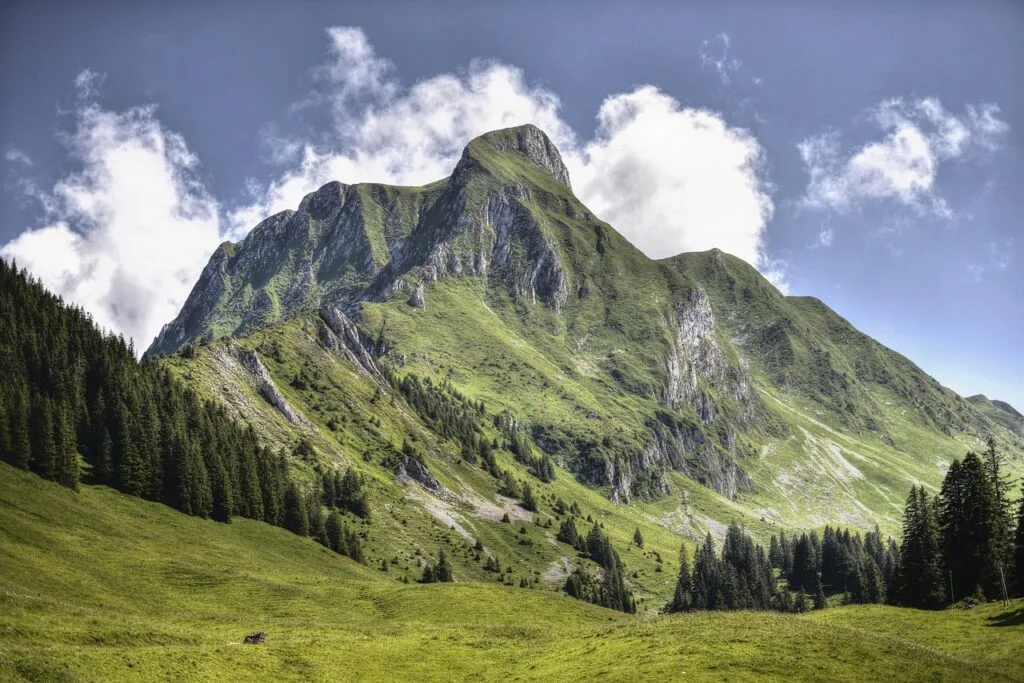
Heading out for a hike in the Apuan Alps (Alpi Apuane) from Lucca is one of the most rewarding experiences for anyone who wants to combine wild nature, jaw-dropping panoramas and a taste of a lesser-known side of Italy. Sitting between the Tuscan plain and the Tyrrhenian Sea, the Apuan range showcases dramatic geology — limestone cliffs, streaks of white marble, chasms and airy ridgelines — which contrast strongly with the olive groves and medieval towns of the province of Lucca. In a single day you can reach memorable viewpoints, follow trails that range from family strolls to challenging hikes, and sample local food in mountain refuges or small trattorie.
This guide is aimed at a general audience: moderately fit walkers, travelers based in Lucca looking for a one-day nature escape, and amateur photographers hunting dramatic views. You’ll find recommended routes, concrete departure points from Lucca, practical schedules and price pointers (transport, parking, refuges), immersive landscape descriptions and a set of local tips to make the most of your day — gear, weather, safety and environmental etiquette.
We usually start from the Stazione di Lucca (Piazzale Ricasoli, 55100 Lucca LU, Italy) or a central city car park, then drive northwest toward the towns that serve as gateways to the Apuanes: Stazzema, Equi Terme, Minucciano or Vagli Sotto. Depending on the route you pick, you might walk along ridges overlooking the sea, descend into shady, vegetation-lined ravines, or discover marble quarries and tunnels (always respecting closed areas). This guide outlines options reachable by public transport or car, with precise starting addresses, approximate fees and usual opening times for high and low seasons. It also shares local tricks: best light windows, top refuges for a meal, and safety rules for sometimes exposed trails.
If you only have a day, the key is choosing a route that fits your level and the round-trip travel time from Lucca. Below we break the guide into several sections — each developed in depth — so you can plan, prepare and enjoy your hike. Whether you want a steep climb for a breathtaking panorama or a gentle walk through wooded paths, the Apuan Alps near Lucca promise an unforgettable day in nature.
Getting there from Lucca: transport, parking and start points (prepare your day)
Before setting off into the Apuanes it’s essential to plan the logistics: how to leave Lucca, where to park, or which buses/trains to take. Lucca is a convenient starting point thanks to good local connections and its proximity to roads leading into the mountains.
By car — routes and parking
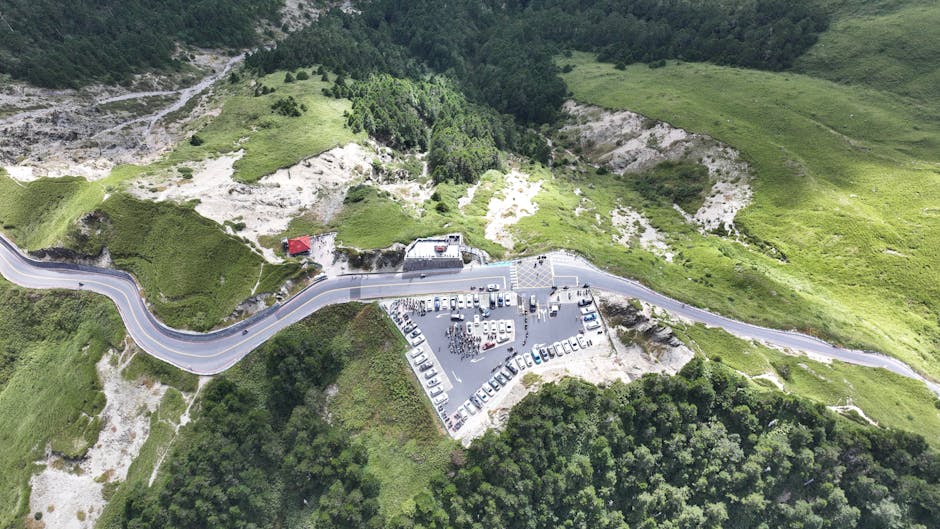
If you have a car, the most direct drive to the higher Apuan spots takes about 40–70 minutes depending on your destination. Example: to Stazzema (a great base for Monte Forato) count on roughly 45–55 minutes from central Lucca. Main address to navigate to: Comune di Stazzema, Piazza del Municipio 1, 54029 Stazzema LU, Italy. Village car parks are usually free or run on a donation system; however, in high season try to arrive early (before 9:00) to find a space.
- Recommended parking – Parcheggio Campo di Bonifica (near Stazzema): GPS coordinates available on Google Maps; fee varies, often free off-season, otherwise €3–5/day in August.
- Parcheggio Villa Reale di Marlia (if you’re heading further west): Via della Chiesa 2, 55012 Marlia LU — paid tourist parking on site (about €2/hour, €10–12/day).
By public transport — trains and buses
If you prefer to leave your car in Lucca, public transport is a viable option but needs careful timetable planning. The Stazione di Lucca (Piazzale Ricasoli, 55100 Lucca LU) is the hub: from there you can catch a regional bus or a train toward Viareggio and change for local buses. Regional bus lines (CTT Nord / Autolinee Toscane) serve towns such as Stazzema, Fornovolasco and Equi Terme.
Practical example: Lucca – Stazzema bus line (seasonal): departures from Piazza della Stazione / Piazzale Ricasoli around 07:30–09:00, return in the late afternoon. Indicative price: €3.50–5.50 one-way (regional 2024 fare, allow €1–2 extra for validation). Check schedules on the Autolinee Toscane website or at the Lucca station ticket office; in high season it’s recommended to arrive 20 minutes before departure to buy tickets (ticket office/machine/app).

Practical departure tips
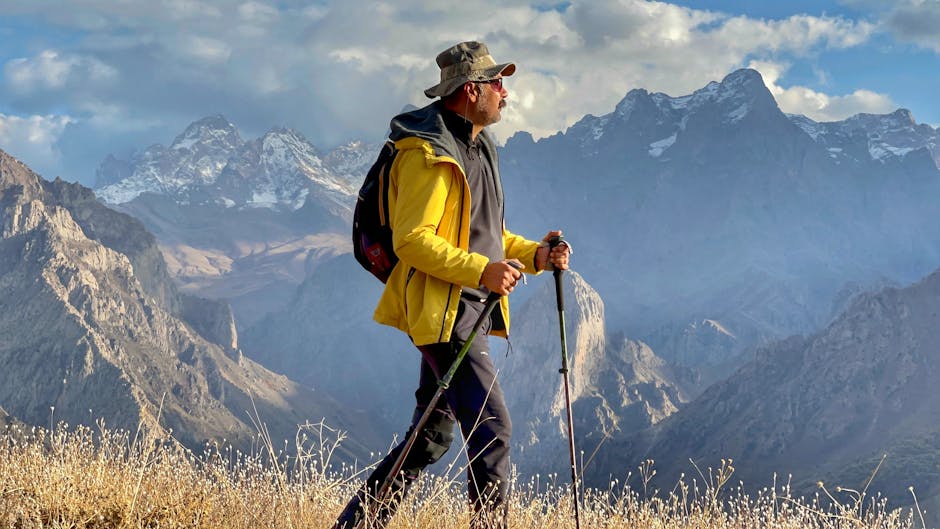
Arrive already wearing suitable footwear (hiking shoes or sturdy trainers), bring water (minimum 1.5 L per person for a hot day), sunscreen and a hat. Trails in the Apuanes can be rocky and exposed; a small first-aid kit, a paper map (or offline GPS app) and a windproof jacket are recommended. If you leave early the morning light is excellent for photography and temperatures are pleasant — avoid the hottest hours (12:00–16:00) in summer.

Recommended route: Monte Forato from Stazzema (full day)
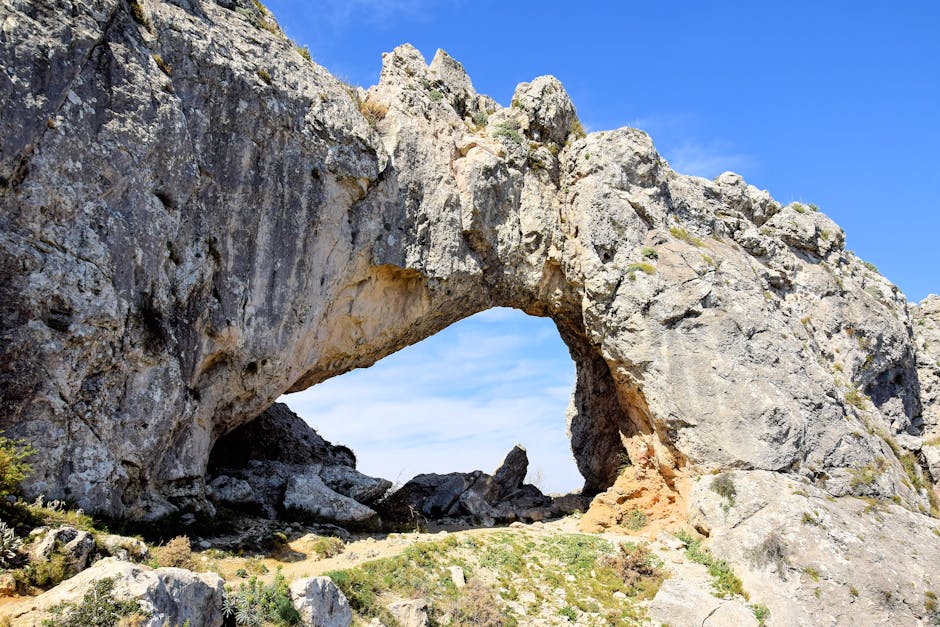
Among the day-hike options from Lucca, the ascent of Monte Forato is iconic. Monte Forato is famous for its « foramen » — a natural hole in the rock that frames striking views of the sea and the Tuscan plain. The classic start is from the village of Corfino or Stazzema, depending on your chosen road access.
Start point and access
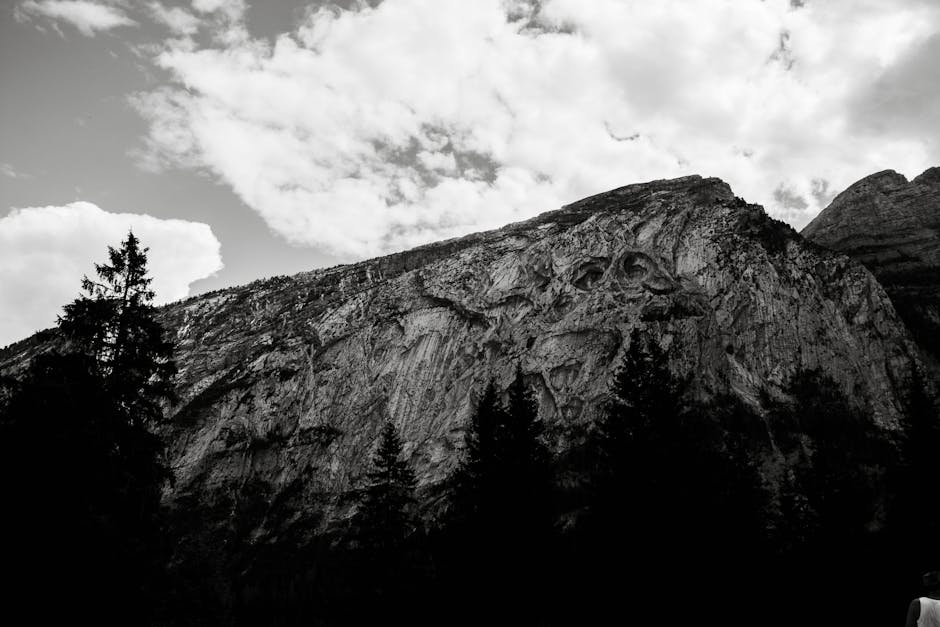
Useful start address: Parcheggio Stazzema, Via Roma, 54029 Stazzema LU, Italy (public parking in the town). If you arrive by bus, ask to get off at the main Stazzema stop (P.za del Municipio / Via Roma). The marked trail to Monte Forato winds through woods and meadows before tackling the limestone ridge; difficulty ranges from moderate to strenuous depending on pace and photo stops.
Detailed route description
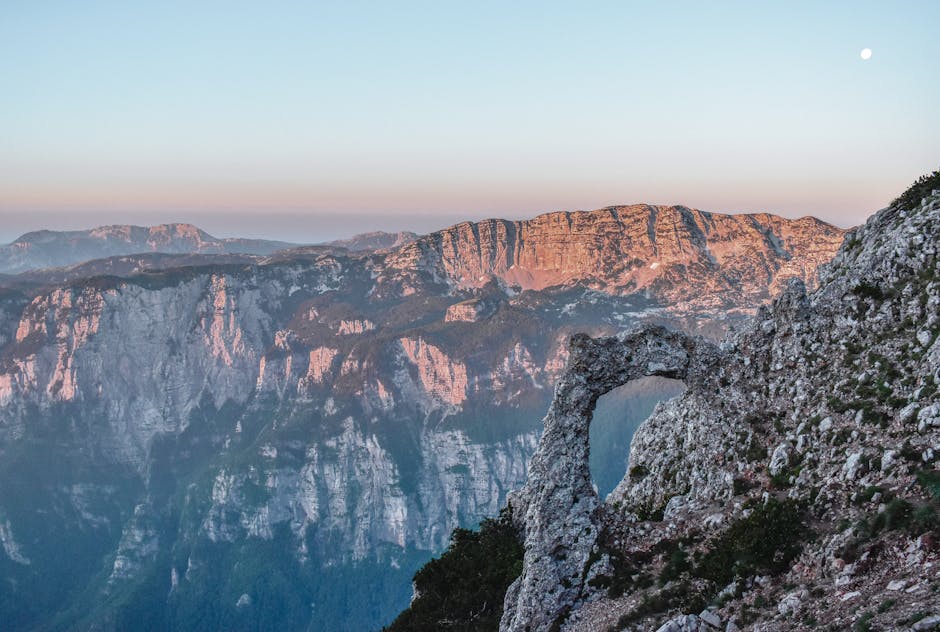
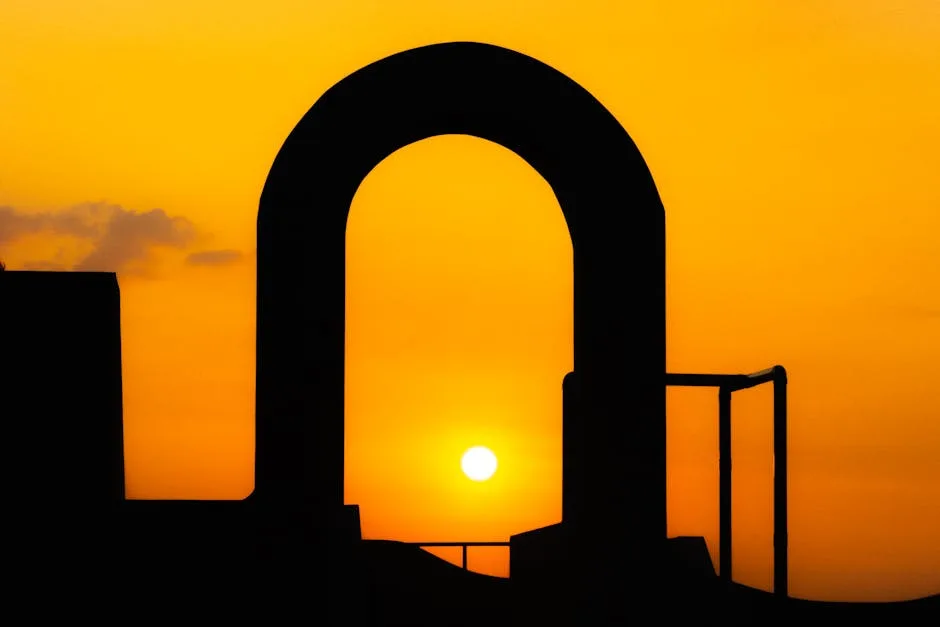
Approximate distance: 12–14 km round trip depending on the chosen path. Elevation gain: 700–900 m. Estimated time: 5 to 7 hours (including breaks). The initial trail climbs through oak and beech forest, offering cool shade — very welcome in summer. Then slopes become steeper and rockier: expect to walk on limestone and sometimes on marble worn smooth by the elements. The final approach follows an exposed ridge where a steady balance and absence of severe vertigo are required. Once at the « foramen » you may be able to pass through the natural arch (check safety conditions) and enjoy an exceptional panorama: to the north the flattened Apuan ridges, to the south the Lucca plain and, on a clear day, the Tyrrhenian horizon.
Return via the same trail is recommended to save time. In bad weather visibility drops fast and exposed sections become slippery. Check forecasts with the Centro Funzionale Regionale Toscana or local weather apps.
Hours, costs and services
Trail access: free. There is no general entrance fee for most Apuan trails, except on private land or in closed quarry areas. Services: refuges and small trattorie in Stazzema typically open from 08:00 to 18:00 (times vary off-season). Example refuge: Rifugio del Forato (small shelter and seasonal water point) — check local opening times; in high season a panino and coffee cost around €5–8. If you want a guide, local agencies offer guided outings starting at €60–80 per person for a half-day (prices vary by group size and season).
Other day options: Equi Terme, Grotta del Vento and hidden valleys
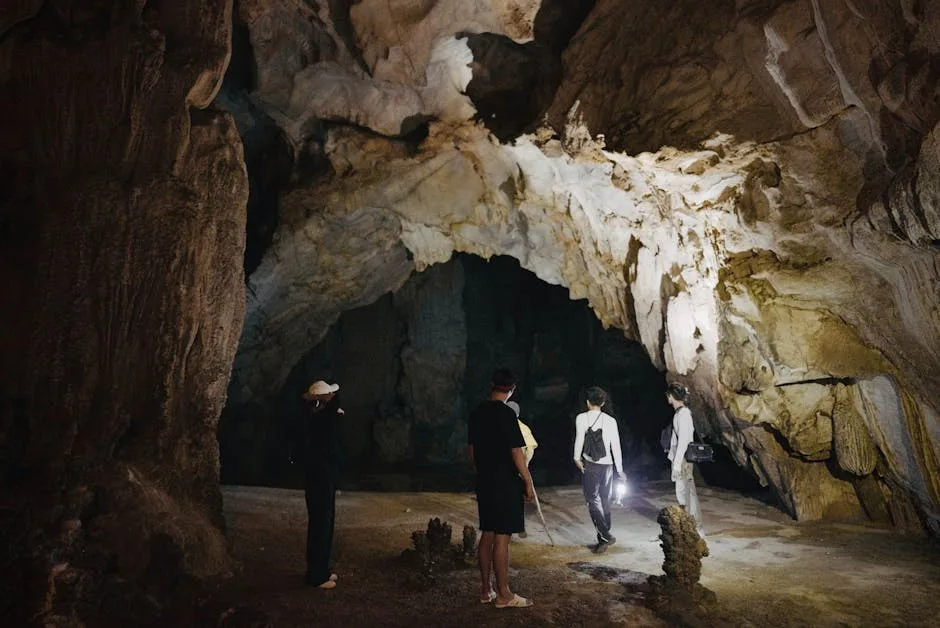
If you prefer an easier hike with a geological twist and a bit of gentle caving, the Equi Terme area is ideal. Equi Terme is known for its mix of forested trails, historic thermal springs and karst cavities such as the Grotta del Vento — a show cave with guided visits that’s perfect if you want to mix walking and underground discovery.
Access and coordinates
Reference address for Equi Terme: Equi Terme, Località Equi, 54011 Fivizzano MS, Italy. The Grotta del Vento is more precisely located at Grotta del Vento Visitor Center, SS445, 54027 Vagli Sotto MS, Italy (depending on your chosen road access). From Lucca allow 1h15–1h45 by car. Sparse buses serve Vagli Sotto/Equi; a car is usually more convenient.
Grotta del Vento — tours and opening times
The Grotta del Vento offers guided tours year-round with times that vary by season: in high season (April–September) departures often run every hour from 09:00 to 17:00, with reduced schedules off-season (check the official website). Indicative 2024 prices: adult €16, reduced (children 6–12) €10, children under 6 free (reservation required). Guided tour duration: 60 to 90 minutes. The interior path is developed but includes steps and sometimes wet passages; closed shoes are recommended.
Trails around Equi — easy loops
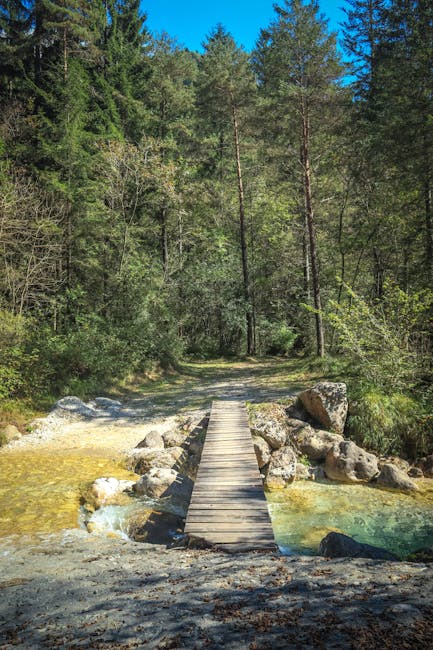
For a gentler day, several loops start from the village of Equi and the cave: riverside walks, strolls through groves and short climbs to local overlooks. Distances 5–10 km, moderate elevation 200–400 m, duration 2–4 hours. These routes suit families and hikers looking for a mix of geology, botany and calm. Local trattorie serve simple dishes: pasta with ragù, soups and regional cheeses; meal budget €12–20 per person.
Safety, gear, mountain ethics and local advice
Hiking in the Apuanes calls for particular caution: occasionally exposed trails, fast-changing weather and areas where marble quarries have altered the landscape. Here are practical recommendations for a calm, respectful day outdoors.
Essential gear
- Shoes: hiking boots with grippy soles or sturdy trainers.
- Clothing: technical base layers (breathable), lightweight windproof/rain jacket, hat and light gloves out of season.
- Water and food: 1.5–2 L of water per person, energy snacks (bars, nuts), lunch on the trail or a packed picnic.
- Navigation: topographic map or GPS app (e.g., Komoot, Maps.me) with offline maps; mobile coverage can be patchy on ridges.
- Safety: small first-aid kit, whistle, headlamp (rarely needed for a day hike but recommended), emergency blanket.
Staying safe on exposed trails and checking the weather
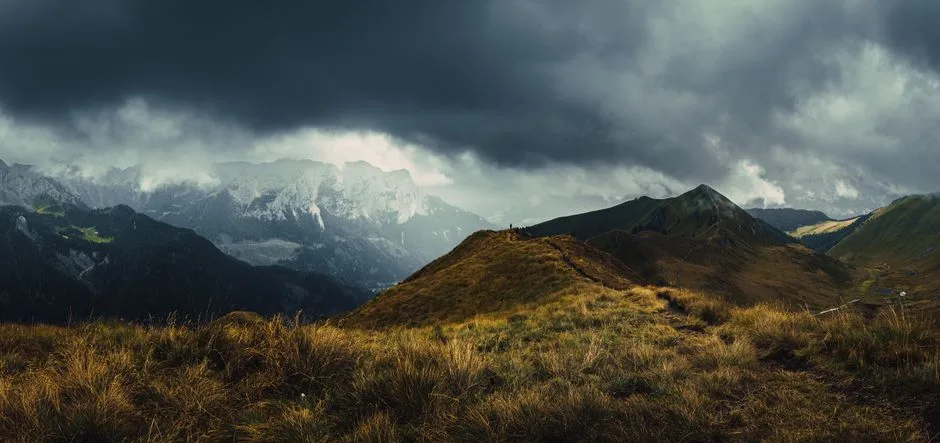
Avoid ridgelines during thunderstorms and beware of strong winds at altitude: gusts can unbalance a walker on narrow arêtes. Check the weather the day before (regional meteorological services) and ask about recent conditions at the local welcome point (Stazzema tourist office or village bars). If visibility drops (fog), abandon exposed routes and favor forested loops that offer more protection.
Respecting the environment and best practices
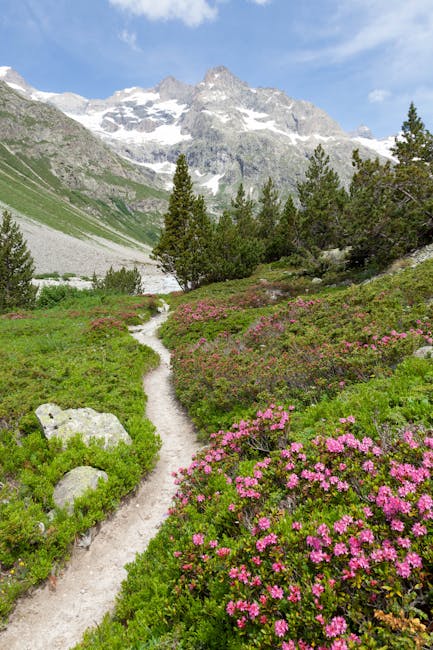
The Apuanes host fragile ecosystems and protected zones: stick to marked trails, don’t pick plants and carry out your litter. Marble quarries are often private and dangerous — do not enter restricted areas. If you meet shepherds or flocks, pass slowly and close gates behind you. Support the local economy by eating at refuges and trattorie: a meal at a farm or a drink in the village directly helps mountain communities.
Local tips for photographers, timing and recommended places to eat
To get the most from your day, here are precise tips: where and when to shoot photos, timing to avoid crowds, and a few concrete places to eat or warm up after the hike.
Best light and photo spots
Morning light (between 07:00 and 09:00) gives long shadows and a golden atmosphere that flatters the limestone ridges; evening light (1–2 hours before sunset) brings warm tones to the stone. Recommended photo spots: the Monte Forato viewpoint (arch framing), the ridges around Monte Procinto (panoramic views) and clearings overlooking the Versilia plain. Bring a telephoto for geological details and a wide-angle for sweeping panoramas.
Good places to eat
- Trattoria da Carlo – Via Roma 12, 54029 Stazzema LU. Specialties: Tuscan soups, mushroom dishes. Hours: 12:00–15:00 and 19:00–22:00 (closed Tuesday). Average price: €12–20/plate.
- Osteria La Casina – Località Equi 3, 54011 Fivizzano MS. Hours: 11:30–15:00 and 18:30–22:00. Regional menu, dishes start at €10.
- Refuges and stopping points: often sell paninis (€5–7) and hot drinks. Check seasonal hours.

Tips to avoid the crowds
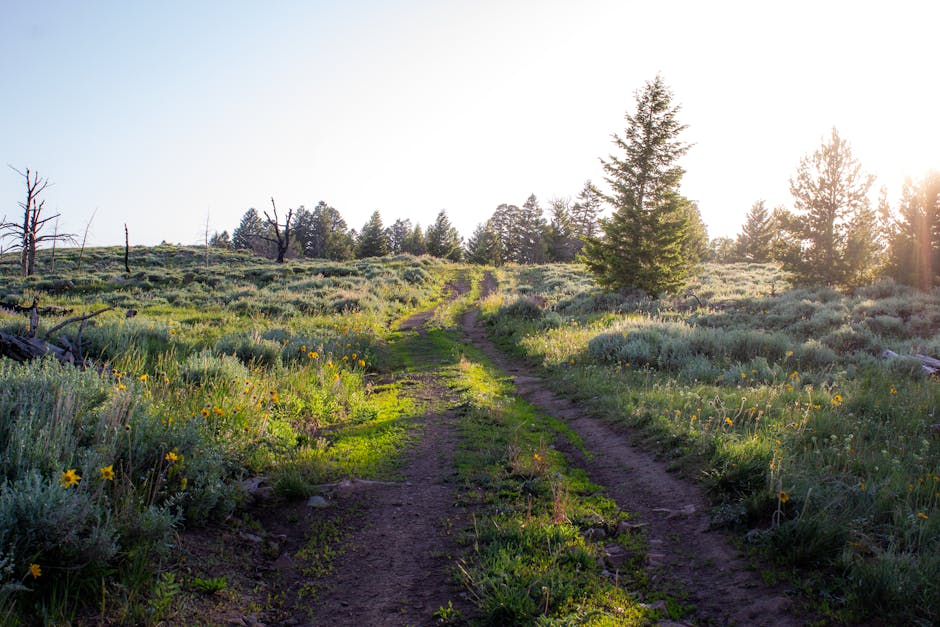
Leaving very early (depart Lucca before 07:30) helps avoid parking congestion and secures the best light. Summer weekends draw families and day hikers; if possible choose a weekday. Don’t hesitate to ask locals (village bars, tourist offices) for less crowded routes — they often know secondary trails that are just as beautiful.
Conclusion — Make the most of an authentic Apuan day-trip from Lucca
A day hiking in the Apuan Alps from Lucca packs the wild side of Tuscany into one trip: white-stone panoramas, fragrant forests, hidden valleys and welcoming mountain villages. With good preparation — choosing the right route, bringing the right gear and checking transport schedules and weather conditions — you can enjoy a full experience in a single day. The routes presented (Monte Forato from Stazzema, loops around Equi Terme and the Grotta del Vento visit) cover a wide range of intensities and interests: athletic, geological, family-friendly or photographic.
Respect local rules and fragile ecosystems: stay on marked trails, avoid quarry areas and support the local economy by eating at small trattorie and using local guides if you want a deeper experience. The practical details provided (Stazione di Lucca — Piazzale Ricasoli, Stazzema car parks, Grotta del Vento visitor center) give concrete anchors to plan your outing. When in doubt, the tourist offices in Lucca and the mountain towns are invaluable and often publish updates on trail conditions and weather/health advisories.
Finally, remember that part of the Apuan charm is their wildness: take the time to listen to the silence between steps, study the rock formations and vegetation, and enjoy a simple meal on a village terrace after your effort. One day can be enough to breathe some mountain air into your Lucca stay — and will likely leave you wanting to come back and explore these unique limestone peaks in more depth.
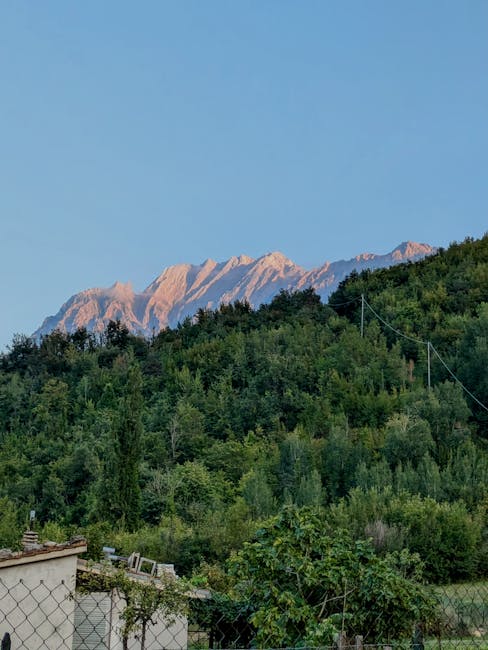
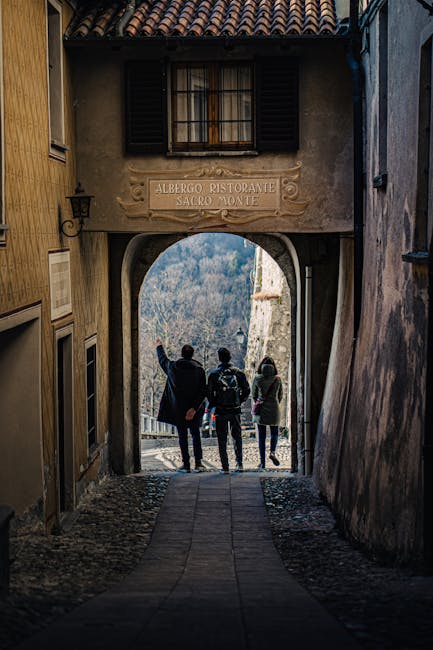
mountain shepherd with flock in the Apuan valley