





Introduction: Why Lucca is a great family destination
Lucca (Lucca in Italian) is a compact Tuscan town that breathes history, warmth and an easy pace of life. Unlike the big Italian art cities where crowds can wear kids out, Lucca offers human-scale streets, accessible heritage and lots of family-friendly cultural options. Many of the museums are housed in palaces or historic homes, which gives families a double win: immersion in a beautiful setting and hands-on, educational experiences that keep kids engaged. In this guide we highlight the best kid-friendly museums in Lucca you shouldn’t miss, with practical details, admission info, immersive descriptions and local tips to turn a cultural visit into a family-friendly adventure.
The museums chosen here are picked for their appeal to families — whether that’s interactive spaces, easy-to-follow collections, playful trails, rooftop gardens or terraces that invite kids to explore. Some visits last about 45 minutes, others offer workshops or special events where children can touch, listen or dress up. How you visit makes a difference: a self-guided stroll lets you roam at your own pace, while a child-focused guided tour turns historical details into memorable stories and anecdotes.
This guide doesn’t just list names: each entry includes the exact address, usual opening hours, adult/child prices and practical advice — best time of day to go, how to combine several sites in a half-day, where to stop for a gelato afterward, and ideas to make the visit more immersive (games, activity booklets, kid-friendly audio guides). You’ll also find suggestions for parents: stroller access, family restrooms, picnic spots and rainy-day alternatives.
Finally, since images help families picture their trip, visual cues are included throughout the article to evoke the most photogenic scenes: a sunlit palace façade, a music room echoing an aria, a rooftop garden crowning a medieval tower, or workshops where kids handle instruments or art materials. These visual markers are meant to inspire and help you plan what to pack (camera, sunglasses, water bottle, etc.).
At the end of the guide, a conclusion sums up the highlights for families and suggests a one-day itinerary with museums, lunch and a walk along the city walls. Whether you’re staying a few days or visiting Lucca for a day trip from Pisa or Florence, you’ll find options to entertain kids aged roughly 4 to 14, making Lucca a pleasant and memorable stop.
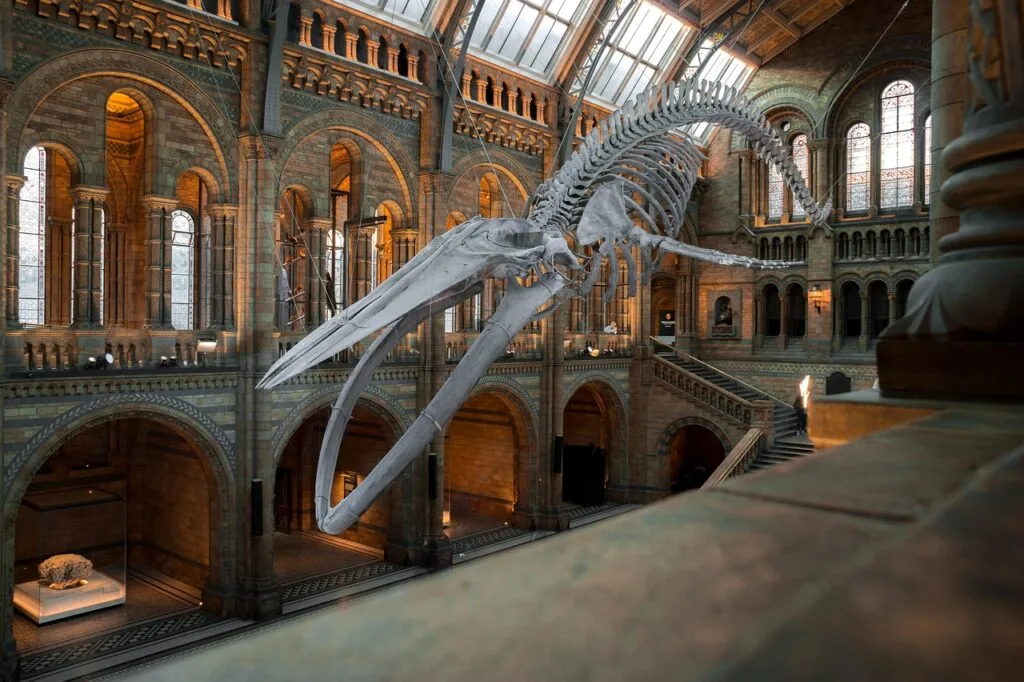
Museo Nazionale di Palazzo Mansi — An art palace with tapestries that capture kids’ imaginations
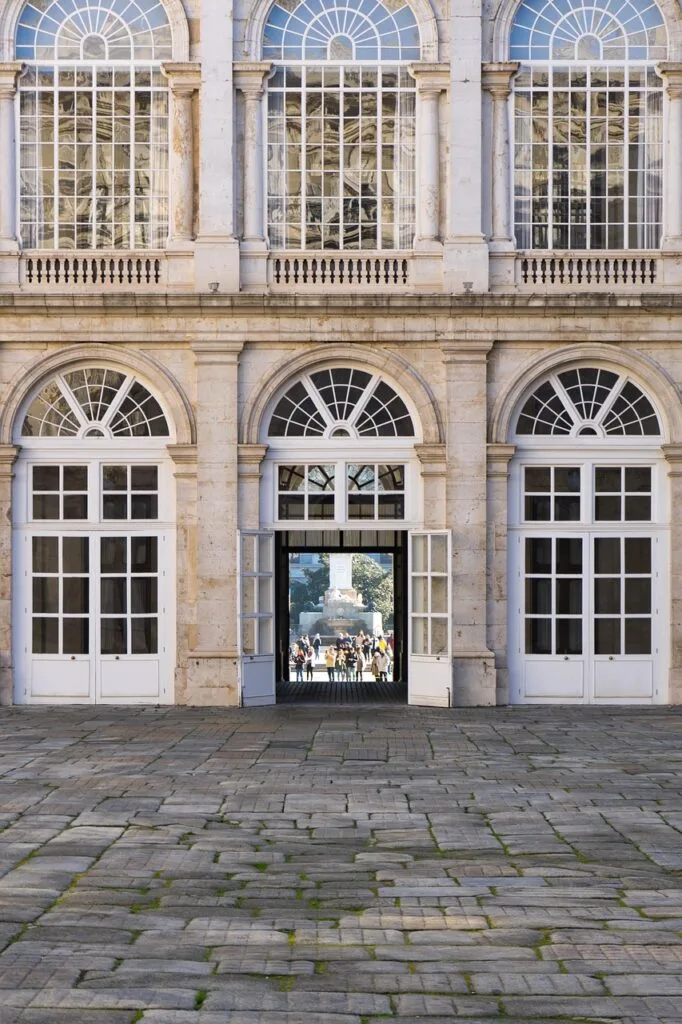
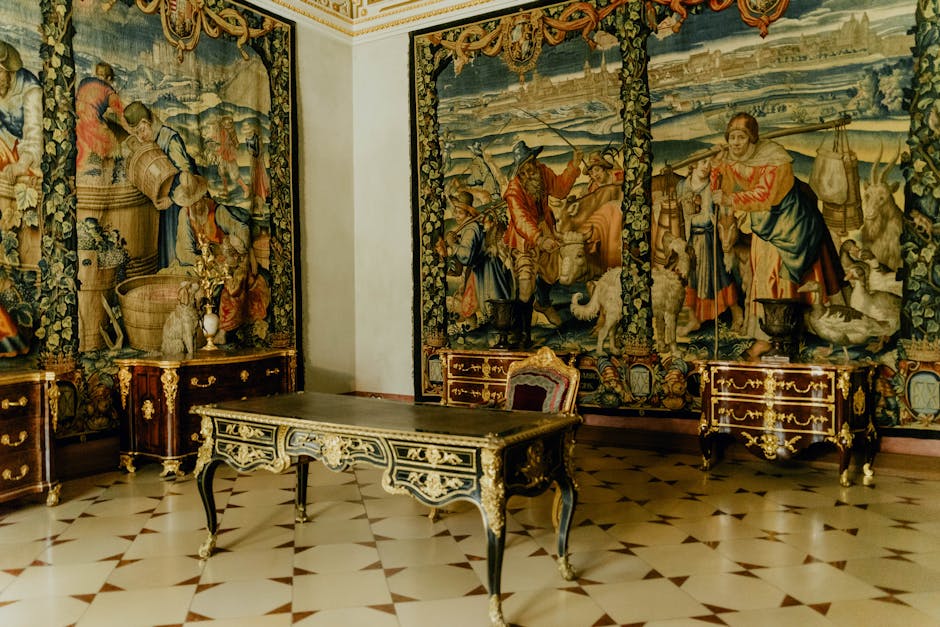
The Museo Nazionale di Palazzo Mansi (Palazzo Mansi National Museum) is set inside a Baroque palace in the heart of Lucca. Address: Piazza Mansi, 1, 55100 Lucca LU, Italy. The national collection includes paintings, furniture, tapestries and historic interiors that plunge families into the daily life of a grand Tuscan home from the 17th–19th centuries. The richly decorated rooms, wood-paneled salons and series of tapestries offer plenty of hooks for storytelling about costumes, household roles and period musical instruments.
Opening hours: generally open Tuesday–Sunday, 8:30–19:00 (closed Mondays), but always check seasonal hours and public holidays. Prices: full ticket typically around €6–8, reduced rates for young people/students often €3–4, with free or very low entry for children under 6 (policies vary). Ask about audio guides or family brochures: staff sometimes provide themed trails for children.
Why kids like it: the palace itself feels like a living set. Large rooms and antique furnishings spark curiosity, and the tapestries with animal or mythological scenes are perfect for search-and-find games (« spot the horse », « which animal is hiding in this pattern? »). Families will also enjoy the contrast between dimmer rooms and sunlit salons, and the temporary exhibition space occasionally hosts children’s activities — drawing workshops based on prints, storytelling for the little ones, or family-guided tours.
Practical tips: aim for a morning visit to avoid summer crowds. Strollers are usually possible in most rooms, but some staircases will require assistance — ask staff for the most accessible route. Bring a small notebook and colored pencils: invite kids to sketch their favorite painting or note down a new word each time they hear one (fresco, paneling, tapestry, overmantel). After your visit, Piazza Mansi is a pleasant spot for a snack break.
Museo Puccini — The composer’s house-museum that awakens young ears
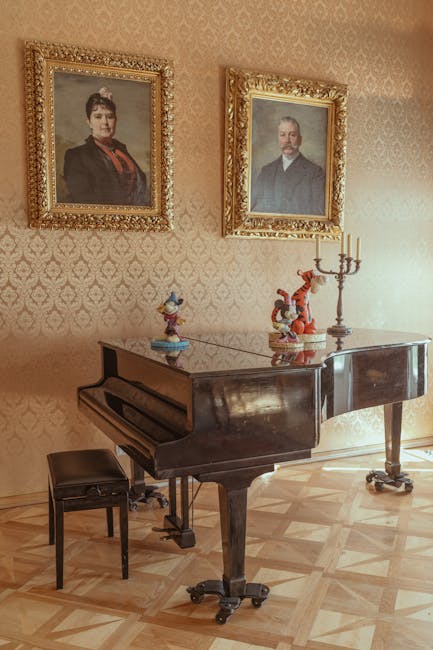
The Museo Puccini (Casa Museo Giacomo Puccini) is the composer’s birthplace, now a museum dedicated to his life and work. Address: Via di Poggio Catino? (Note: the official address: Casa Museo Giacomo Puccini, Corte San Lorenzo 9, 55100 Lucca LU — check the local site for confirmation before visiting). The museum immerses visitors in the world of opera with personal items, manuscripts, portraits and recordings that bring works like La Bohème, Tosca and Madame Butterfly to life.
Opening hours: often open daily except certain holidays, with morning and afternoon sessions — typical hours 9:00–13:00 and 15:00–19:00 (varies by season). Prices: adult tickets around €5–8, reduced for children/students €3–5, and very young children sometimes free. Many local museums offer family rates or combined tickets with other Puccini sites (for example excursions to Torre del Lago if included).
Family appeal: the audio recordings and pianos on display make the visit very sensory. Younger children can listen to famous excerpts at listening points, while families often find simplified story versions of the operas that turn the music into tales. Some guided tours are tailored for kids: Puccini’s life is told as an adventure, with listening moments and games to spot instruments or recurring musical motifs.
Local tips: before your visit, download or ask for the children’s booklet sometimes available at the museum, which includes quizzes and drawing activities. Afterward, take a break at nearby Piazza San Michele or wander the shopping lanes for a gelato. If your trip coincides with a concert or performance, opt for matinees or early evening shows which are more family-friendly. Also check if the museum runs « baby music » sessions or educational workshops during your stay.
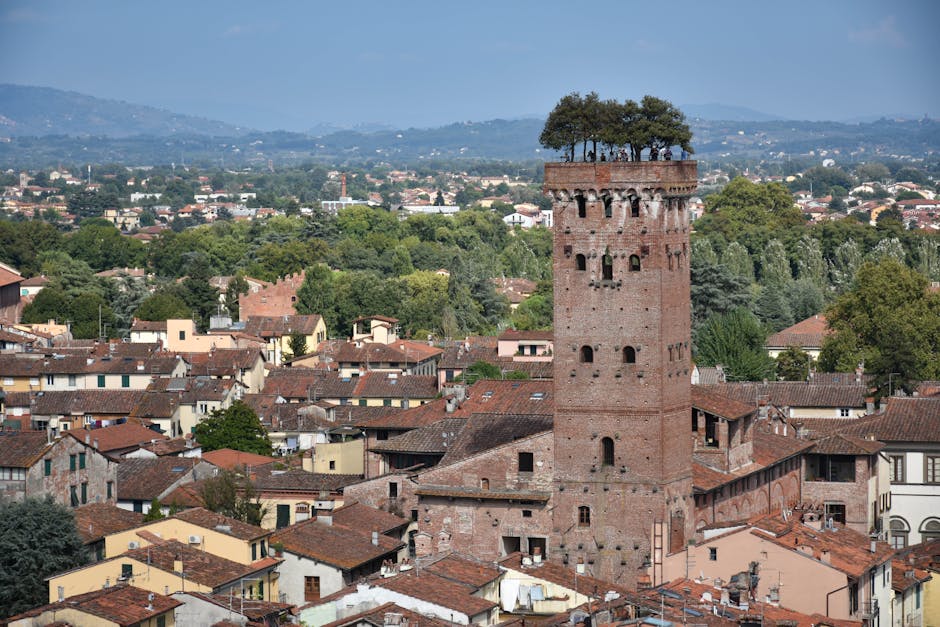
Torre Guinigi — The tower with a rooftop garden: climbing, views and nature in the sky
Torre Guinigi is one of Lucca’s iconic sights: a medieval tower topped with a small oak garden, reached via a narrow staircase that opens onto panoramic city views. Address: Via Sant’Andrea (approximately Via S. Andrea), 55100 Lucca LU, Italy (Piazza della Torre Guinigi / near Via della Rosa). Opening hours: usually open daily, typically 9:00–19:00 in high season, with reduced hours off-season; check ahead. Prices: adult ticket about €5–7, reduced for children €3–4, and infants often free if carried. Expect to climb a significant number of steps (around 200 depending on the route), which makes it a mini-expedition for older kids.
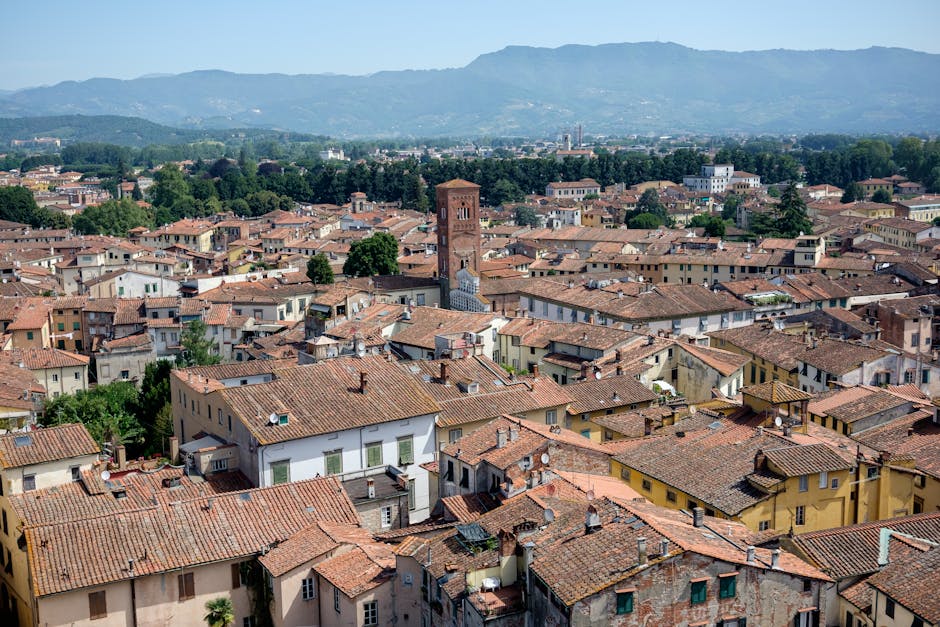
Why it’s kid-friendly: the climb feels like a small quest and the rooftop garden — with a few trees and plants — fascinates children because it’s unusual to find a garden atop a medieval tower. The sweeping views reward the effort and provide simple geographic reference points to explain the town: the walls, the cathedral, Piazza Anfiteatro and the surrounding Tuscan countryside. Kids love the « hidden treasure » vibe and the idea of reaching the top of a fortress.
Practical tips: strollers aren’t practical for the climb — use a baby carrier for little ones. Bring water and a sun hat in summer; the climb can get warm. For children who are sensitive to heights, stay near the center of the rooftop and point out familiar landmarks to make the scene less intimidating (« over there is the market, this way are the gardens »). Combine this visit with a walk along the city walls for an active outdoor day. Allow 45–60 minutes for the full visit.
Museo della Città di Lucca (Palazzo Pretorio) — Local history made accessible and interactive
The Museo della Città di Lucca, often hosted in historic buildings like the Palazzo Pretorio or other municipal sites, presents Lucca’s urban history: archaeology, everyday objects and documents that tell the city’s story across the centuries. Address: Piazza del Giglio / Palazzo Pretorio, 55100 Lucca LU, Italy (check the exact entrance depending on the exhibition). Opening hours: generally open Tuesday–Sunday, 9:00–18:00; hours may vary for temporary displays. Prices: general admission around €4–6, with youth reductions and family offers available.
Family strengths: the museum’s local focus helps link what you see in the city with objects on display. Kids are often fascinated by cases of tools, vintage toys and reconstructed domestic scenes. Temporary exhibits can be interactive — handling replica objects, taking part in mini historical investigations or exploring playful trails designed to discover the city while having fun.
Practical tips: this museum pairs well with a visit to the Cathedral of San Martino or nearby Piazza San Michele. Book workshops for children if available; they’re often scheduled during school holidays and high season. On a rainy day, it’s an excellent indoor alternative: the space is roomy and some rooms offer children’s reading corners.
Museo Nazionale di Villa Guinigi — Medieval art and children’s workshops
The Museo Nazionale di Villa Guinigi focuses on ancient and medieval art, prized for its sculptures, religious works and goldsmithing pieces. Address: Piazza Guidiccioni 1? / Via della Quarquonia? (exact address: Villa Guinigi, Via della Quarquonia 1, 55100 Lucca — confirm before visiting). Opening hours: generally open Tuesday–Sunday, 9:00–19:00; some sections may be closed for restoration. Prices: full ticket €4–7, reduced for children/students €2–4, and very young children may enter free.
Why go with kids: although medieval art can seem austere, sculptures and decorative motifs engage little ones when paired with stories about knights, saints and local legends. Many national museums in Italy run laboratori (workshops) for children where they can recreate patterns, paint clay or make small mosaics. Check the workshop schedule.
Practical tips: turn the visit into a treasure hunt — ask the museum if a game booklet exists; if not, prepare a simple list (« find a sculpture of a child », « spot an animal symbol »). Families will also enjoy the villa’s garden (if accessible) for an outdoor break after the visit. Ask at the ticket desk about family restrooms and baby-changing facilities.
The Turtle Museum and other small playful spots around Lucca
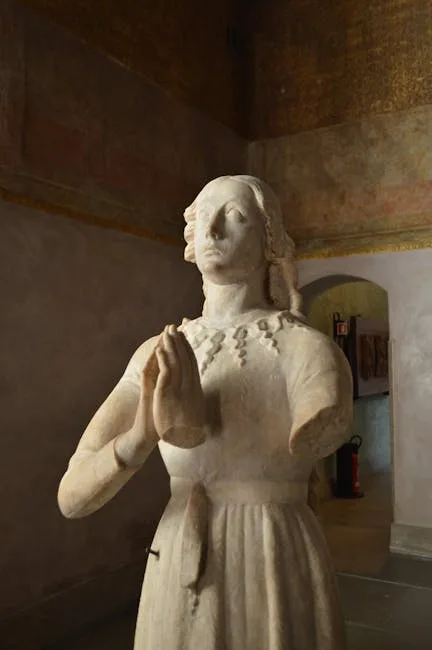
Around Lucca you’ll find several small collections and themed museums that are very child-friendly. Some private spaces or local associations host exhibitions on vintage toys, papermaking or hands-on workshops about traditional crafts. A nearby example is the Museo della Carta (Paper Museum) in Pescia — very family-oriented, it showcases traditional papermaking and runs practical workshops where children can make their own sheets.
Opening hours and prices for these smaller venues vary widely: many are open in high season and by appointment during the rest of the year. Indicative prices: workshops about €5–12 per child, museum entry €3–6, with family rates often available. These experiences are valuable because they allow tactile engagement: making paper, printing with a press and discovering old materials by touch.
Tips: check with the Lucca tourist office (IAT Lucca) for the current list of workshops and small museums — many advertise short-term activities. For half-day excursions, Pescia (Paper Museum) is a 30–40 minute drive and makes for a very hands-on outing. Bring clothes that can get messy for craft workshops.
Practical tips for visiting Lucca with kids
- Planning: favor morning museum visits to avoid heat and tiredness; pair an indoor museum with an afternoon stroll on the city walls (Giardino delle Mura).
- Combined tickets: some sites offer combined tickets or family discounts; ask at the desk or check official sites before buying.
- Strollers & accessibility: most museums sit in historic buildings; access varies. A baby carrier is recommended for towers and sites with narrow staircases.
- Workshops & activities: book in advance if you want children’s workshops — spaces are often limited.
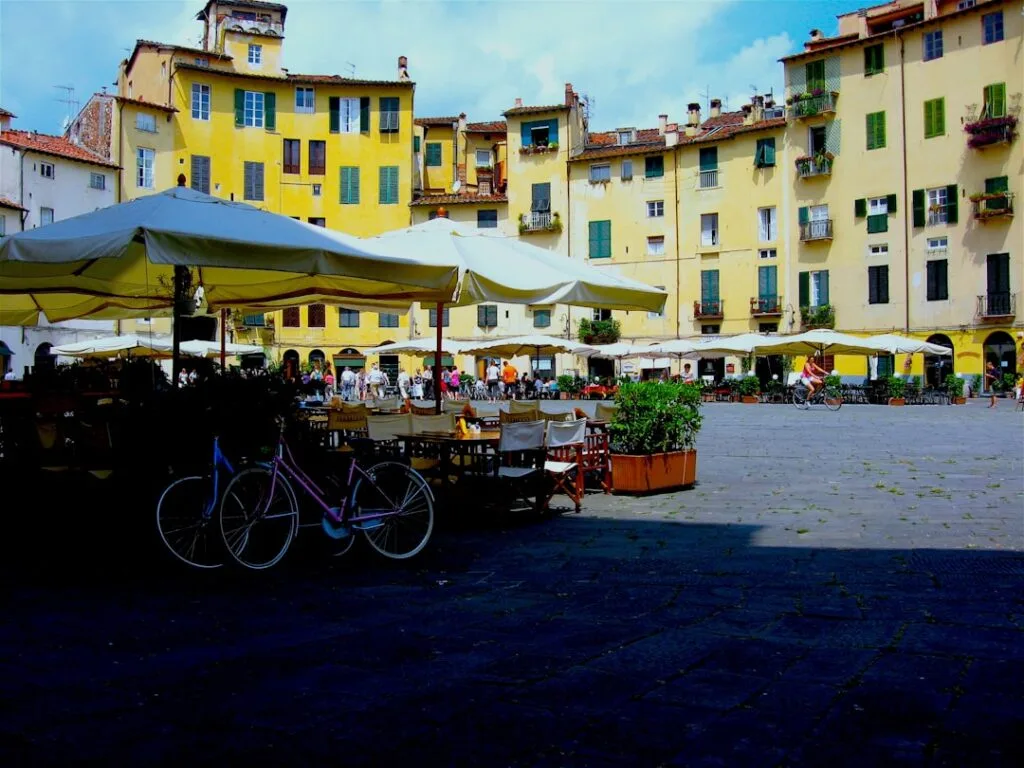
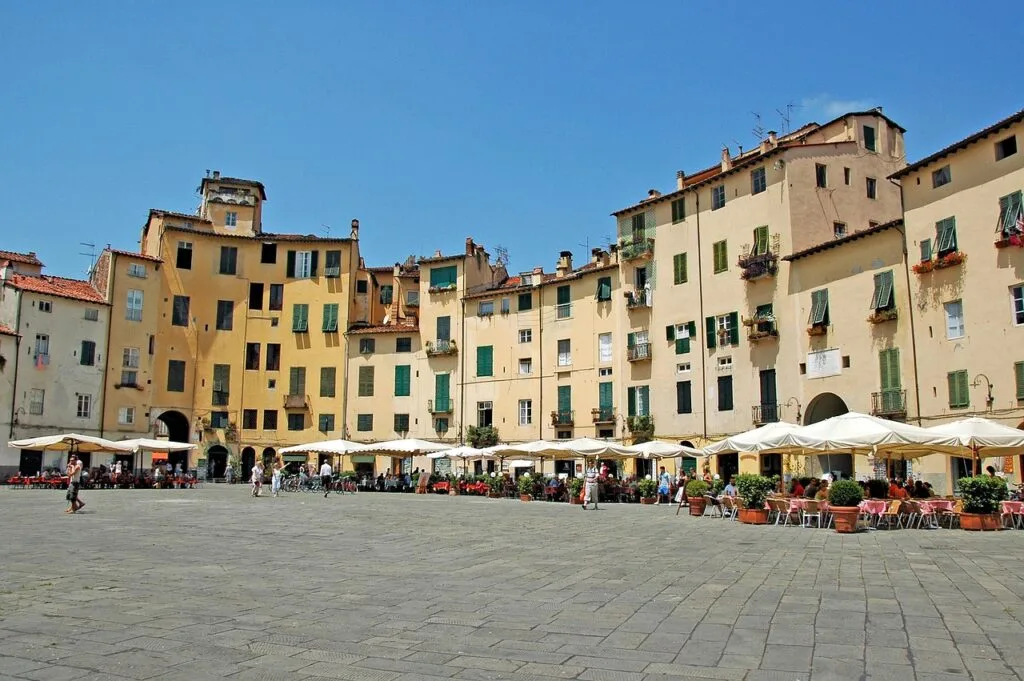
- Food & drink: several cafés and gelaterie are close to the museums. Squares like Piazza Anfiteatro or Piazza San Michele have benches and shaded spots for picnics.
- Safety: remind kids to stay close in rooms with fragile objects; many museums allow photos without flash but prohibit touching.
- Timing: plan short, 45–60 minute visits to keep attention spans intact; alternate with outdoor time (walls, parks, gardens) for balance.
Sample one-day itinerary of museums and discoveries for families
Morning: start early at Museo Nazionale di Palazzo Mansi (Piazza Mansi, 1), 9:00–10:00. Then head to the Casa Museo Puccini for a sound-focused visit and listening session (10:30–11:30). Lunch break: picnic or a family-friendly trattoria in the lanes around San Martino Cathedral.
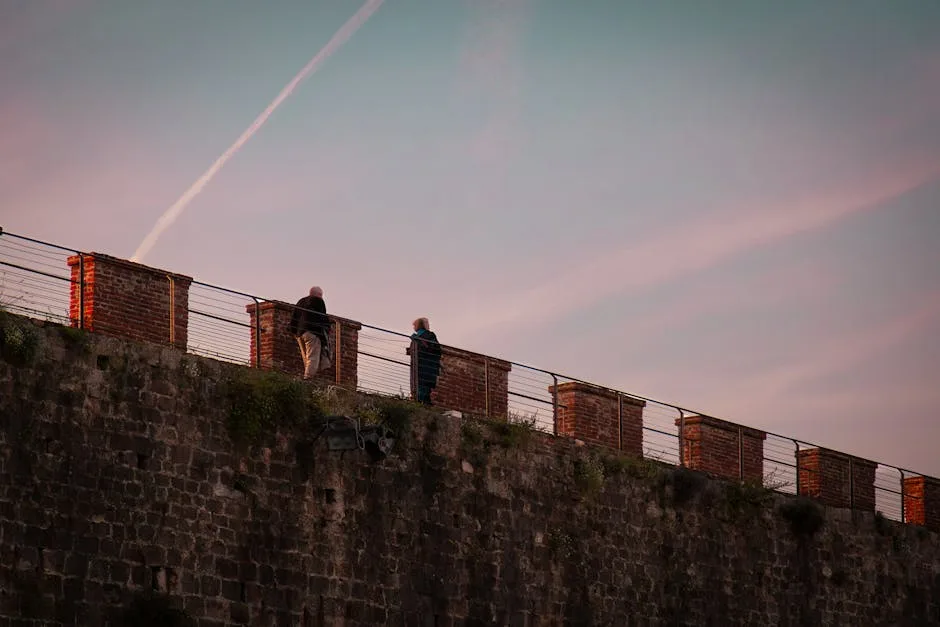
Afternoon: climb Torre Guinigi (around 14:30) for your rooftop expedition and garden discovery. Finish with a local museum or a hands-on workshop (paper, toys or the civic museum) depending on seasonal programming (around 16:00–17:30). If time allows, stroll the city walls at sunset for a final outdoor stretch where kids can safely run.
Tips: buy tickets in advance when possible, wear comfortable shoes and keep snacks handy to avoid energy slumps. Make kids « little guides »: ask them to spot one interesting detail at each museum and share it with adults at the end of the day — it boosts learning and fun.
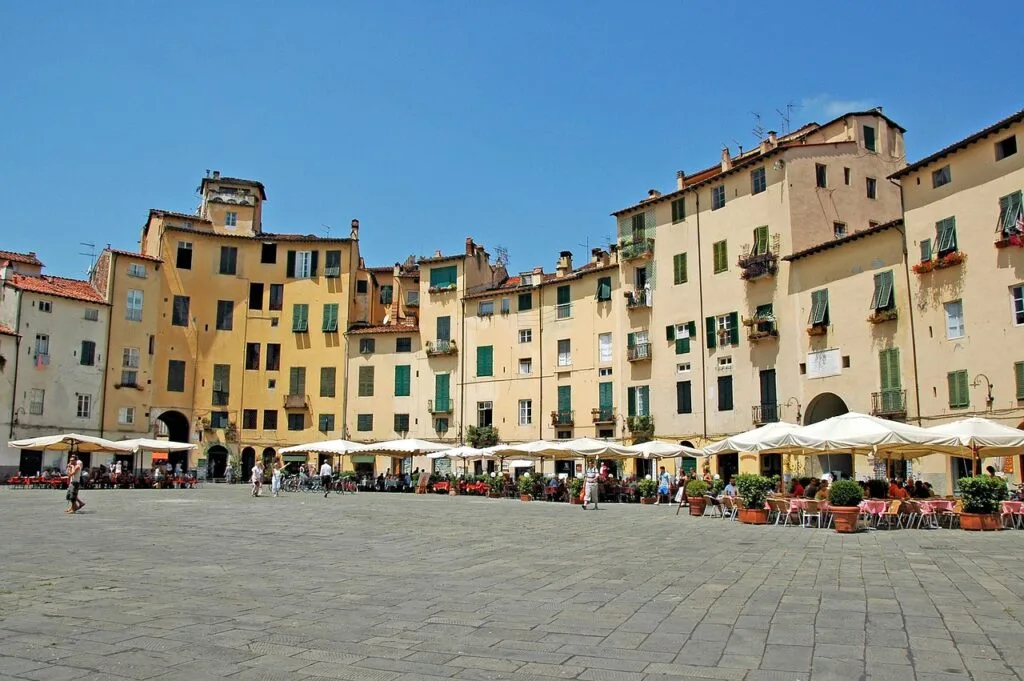
Conclusion: Lucca — an open-air museum made for families
Lucca is more than a museum town: it’s a cultural playground for families. Its museums, set in palaces and historic houses, offer varied experiences — from immersive opera listening at Casa Puccini to the animated tapestries and interiors of Palazzo Mansi, and the adventurous climb up Torre Guinigi. The smaller museums and workshops around town add tactile, hands-on layers to visits, letting children create, touch and understand heritage in different ways.
The key to a successful family trip in Lucca is balance: alternate short, captivating indoor visits with outdoor time on the walls or in gardens, schedule snack breaks and choose guided tours or workshops when available. Plan ahead for times and workshop availability — many local venues run family offers and game-trails that enhance the experience.
In short, Lucca is a compact slice of Italy where museums aren’t obstacles but invitations to family wonder. Whether you want to introduce your kids to classical music, medieval history, Baroque art or traditional crafts, Lucca offers accessible, kid-adapted options. Pack a small kit (water, hats, sketchbook), book ahead if needed, and let the children’s curiosity lead — it’s often what turns a visit into a lasting memory.