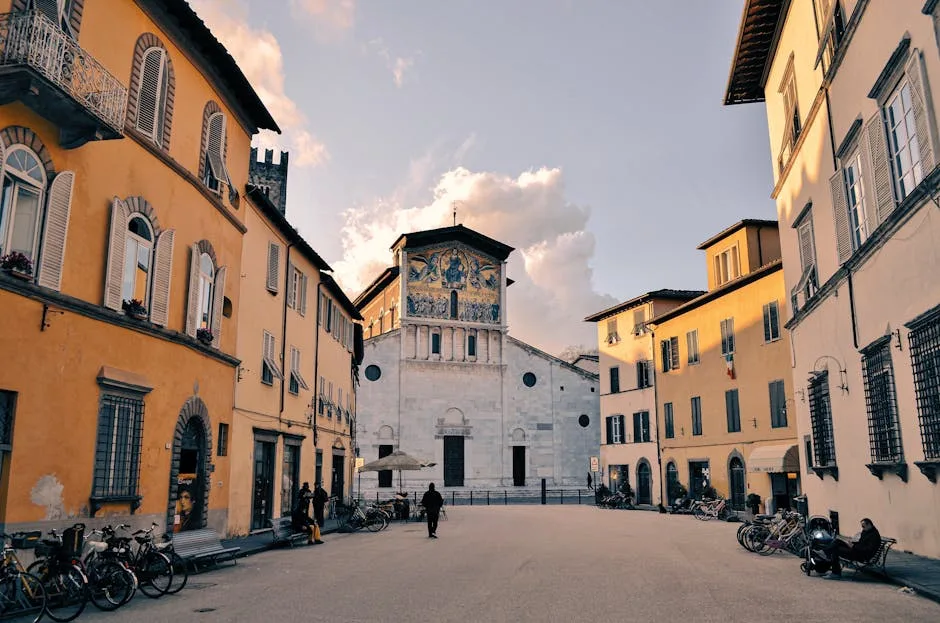






Introduction: Sacred art in Lucca, a treasure to discover
Nestled in the Serchio valley, Lucca’s old town is famed for its Renaissance walls, cobbled lanes and medieval towers. But tucked into the heart of this Tuscan city is a religious and artistic heritage of exceptional richness: paintings, frescoes, sculptures and liturgical objects telling an artistic story that runs from the early Middle Ages through the Renaissance and beyond. Visiting Lucca is like stepping into an open‑air museum, where churches and museums preserve masterpieces that are often less crowded than those in Florence or Siena, yet equally moving and revealing of Italy’s religious and aesthetic spirit.
This article offers an immersive, practical guided tour of Lucca’s major sacred artworks. You’ll find detailed descriptions of must-see spots — the Cathedral of San Martino (Duomo di San Martino), the basilica of San Michele in Foro, the basilica of San Frediano, and the museums that hold medieval treasures — along with concrete information: exact addresses, opening hours, indicative prices and local tips to help you make the most of each visit.
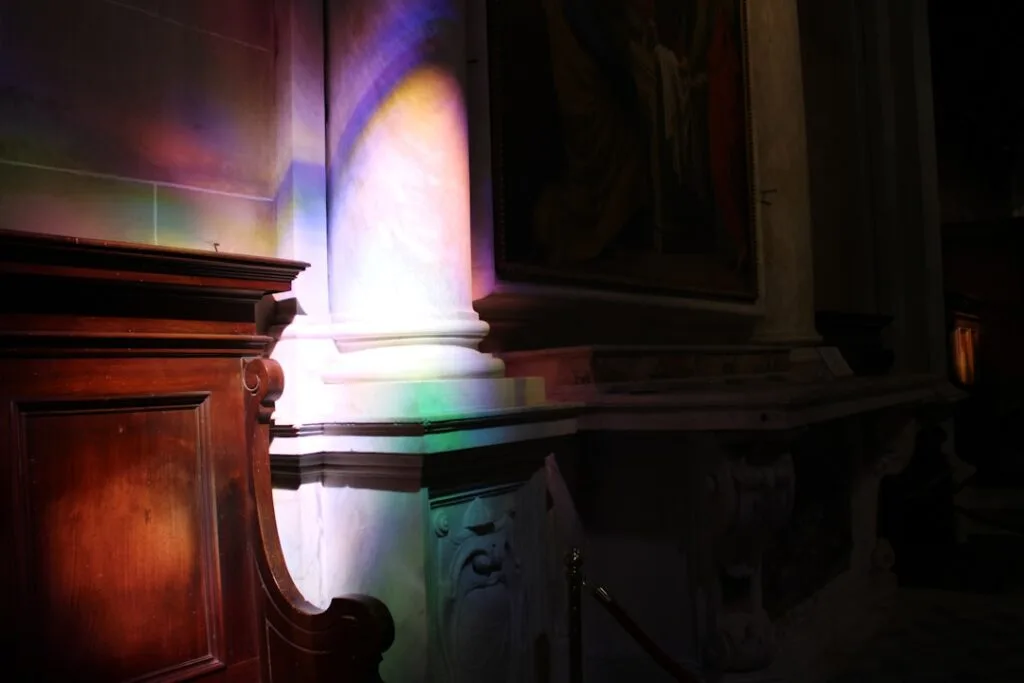
Whether you love Byzantine iconography, are passionate about Romanesque sculpture, or simply curious to admire Laments, altarpieces and frescoes in a state of grace, Lucca offers intimate artistic encounters. Atmospheres vary: the solemn hush of a chancel, the quiet contemplation before a gilded altarpiece, the filtered light that reveals original pigments in a fresco. Understanding these works also means understanding their patrons — families, guilds, bishops — who shaped the city and fostered an ongoing dialogue between faith, power and art.
For travelers, exploring Lucca’s sacred art is very doable: many buildings lie within a compact urban area, easily walked from the Piazza dell’Anfiteatro or Lucca train station. Packed with practical details and suggested routes, this guide will help you plan a thoughtful, unhurried visit so that each painting, sculpture and chapel speaks to you of Lucca’s living history.
Cathedral of San Martino (Duomo di Lucca): the Volto Santo, the tomb and other treasures
The Cathedral of San Martino, on Piazza San Martino, is Lucca’s spiritual and artistic heart. Address: Piazza San Martino, 55100 Lucca LU. Its history is ancient, with Romanesque and Gothic elements, and its interior houses several major works that define Lucca’s sacred art.
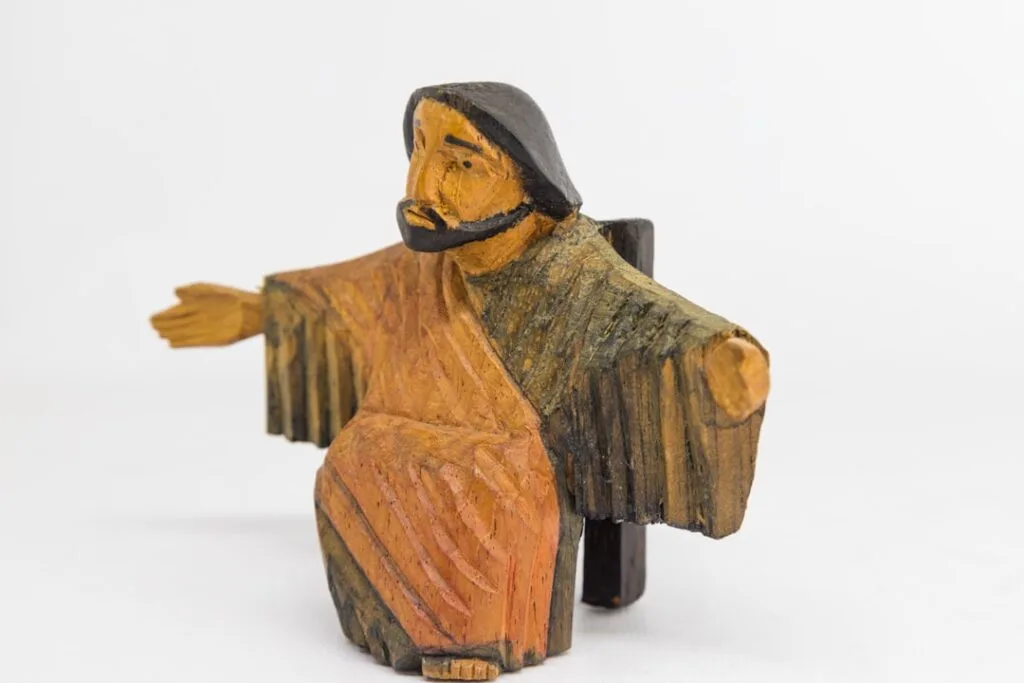
The undisputed highlight is the Volto Santo (Holy Face), a medieval sculpted crucifix venerated as a miraculous relic. It’s usually displayed in the presbytery or a dedicated chapel and still draws pilgrims and visitors for its mystical aura. Nearby, the tomb of Ilaria del Carretto, carved by Jacopo della Quercia (around 1406), commands attention for the marble’s fineness and the dignity of the recumbent figure — a masterpiece of Italian Gothic funerary sculpture.
The Museo della Cattedrale (Cathedral Museum), adjacent to the cathedral, preserves paintings, ciboria, reliquaries and painted panels. Address: Piazza San Martino, 55100 Lucca LU (entrance via Museo del Duomo). Indicative hours: cathedral open daily from 9:00 to 19:00; Museo della Cattedrale open from 10:00 to 18:00 (holiday closures may vary). Indicative prices: cathedral visit free, Museo della Cattedrale €6–8 for entry (discounts for students and seniors). These details can change with the season; check before you go.
Plan your visit in two stages: first the cathedral itself to feel the liturgical space and admire the main altarpiece and side chapels, then the museum for an in-depth look at paintings and liturgical objects, where you can learn about painting and decorative techniques (gilding, tempera, metal inlays). Audio guides and museum panels help place each work in its historical and liturgical context.
Practical tips: arrive early to avoid crowds and to enjoy natural light in the chancel; respect dress codes (shoulders and knees covered) if you want to attend a service; if you’re a photographer, ask at the entrance about photo rules and flash restrictions. Piazza San Martino is also full of cafes and small bookstores for a reflective pause after your visit.
 Click here to book a guided highlights tour
San Michele in Foro: the sculpted façade and Tuscan Romanesque
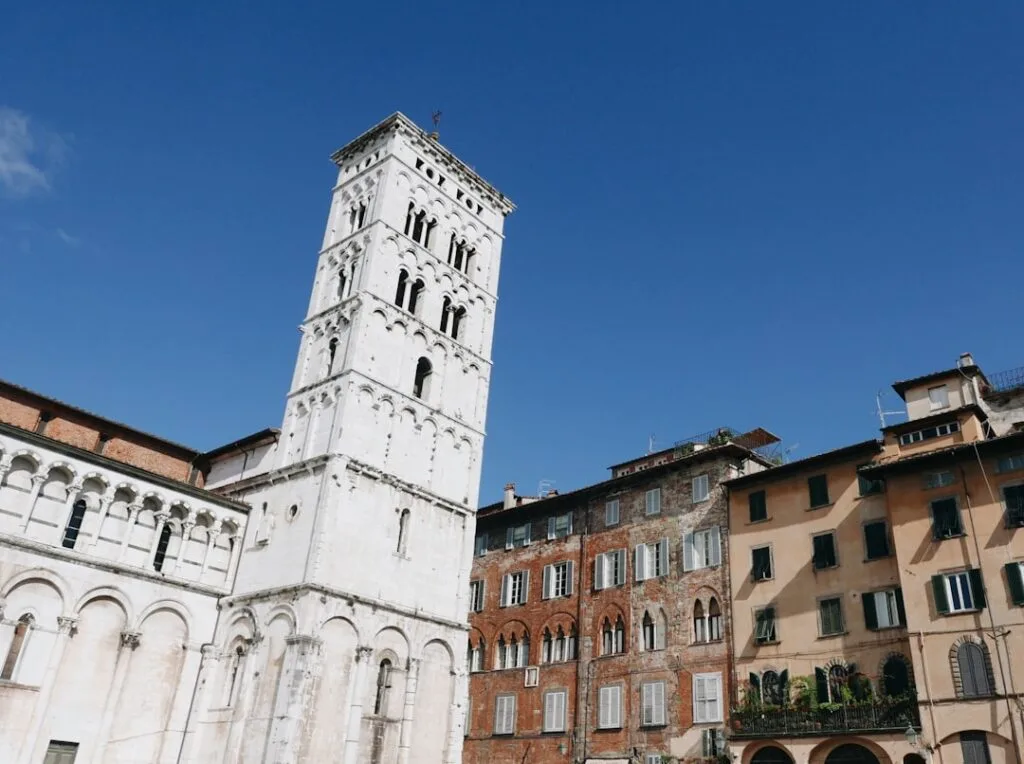
The church of San Michele in Foro, built on the site of the Roman forum, is one of Lucca’s most photogenic monuments. Address: Piazza San Michele, 55100 Lucca LU. Its monumental façade, adorned with columns, arcades and finely carved sculptures, represents an outstanding example of Tuscan Romanesque sculpture. At the top sits the large statue of the archangel Michael, overlooking the square and giving the building a dramatic silhouette.
The interior still preserves carved elements, decorated capitals and reliquaries. Visitors come to admire the sculptural cycles that depict biblical episodes and symbolic motifs. San Michele in Foro saw interventions over different centuries, blending polychrome stone and Gothic insertions, but its medieval character remains largely intact.
Hours: typically open from 8:00 to 19:00 (hours may change around services). Entrance: free for most access, though donations are often requested for maintenance. San Michele is also a living place: masses, sacred concerts and liturgical events punctuate Lucca’s cultural calendar, giving visitors an opportunity to experience the church’s exceptional acoustics.
When you visit San Michele in Foro, take time to study the façade from different distances: details shine up close (saint sculptures, zoomorphic motifs), while the square’s perspective reveals the architectural composition. In summer evenings, lighting highlights the reliefs and creates a particularly photogenic atmosphere.
Practical tips: the square is pedestrianized and busy during the day; for photos without passersby, try right after opening or late afternoon. If a service is taking place, observe silence; if you want to attend a concert, check the San Michele parish cultural calendar. Combine this visit with a stroll to the Piazza dell’Anfiteatro, just a few minutes on foot, to round out your immersion in historic Lucca.
Click here to discover S. Martino, S. Frediano and the city centre
Basilica of San Frediano and the Baptistery: luminous mosaics and frescoes
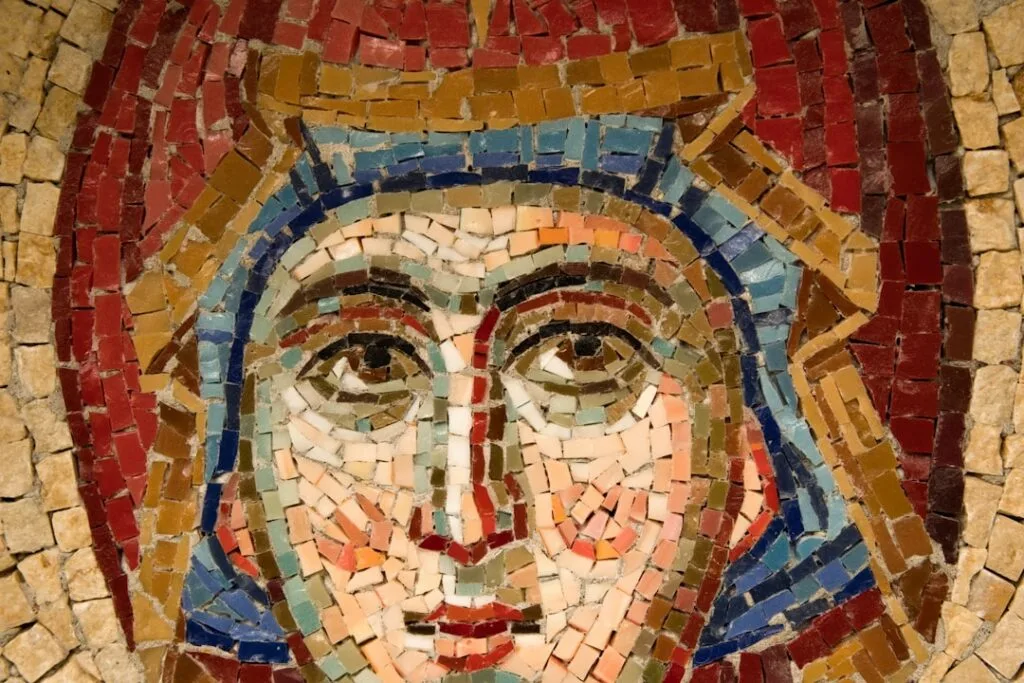
The basilica of San Frediano, on Piazza San Frediano, is famous for its façade decorated with a large golden mosaic depicting the Ascension of Christ. Address: Piazza San Frediano, 55100 Lucca LU. Originally built in the 6th century and remodeled over time, San Frediano presents a restrained interior that highlights frescoes, paintings and sacred sculptures.
The exterior façade, with its Byzantine‑style mosaic, is a striking example of dialogue between eastern traditions and Tuscan Romanesque art. Inside you’ll find carved capitals, statues and altarpieces, as well as an adjacent baptistery often showing noteworthy baptismal fonts with elaborate decoration. The basilica also houses works by Lucchese and Tuscan painters, offering a panorama of local devotion and artistic practice from the Middle Ages to the Renaissance.
Hours: generally open from 9:00 to 18:00; opening times may be reduced on days with services. Entrance: free for the church, donations suggested for maintenance; guided visits available through local tourist offices (about €5–10 per person for a basilica tour including explanations of the mosaic and frescoes).
Practical and immersive tips: Piazza San Frediano is less crowded than some central squares, making it an ideal spot to admire the mosaic in late afternoon when the oblique light accentuates the gold tesserae. Inside, look for iconographic details: local saints, biblical scenes and hagiographic symbols specific to Lucca. If you’re traveling with family, the baptistery often fascinates children with its reliefs and forms.
Tips: to photograph the mosaic without bothersome reflections, choose soft light (morning or late afternoon); for a deeper visit, ask church staff about permanent works and chapels that are sometimes closed to the public. Also consider combining San Frediano with a stop at the local market or a tasting of Tuscan specialities in the small trattorie around the square.
Click here to book a visit to S. Martino and San Frediano
Museo Nazionale di Villa Guinigi and other museum highlights: paintings, sculpture and liturgical objects
To deepen your understanding of the sacred works displayed in the churches, it’s essential to visit Lucca’s museums. The Museo Nazionale di Villa Guinigi is a must. Address: Villa Guinigi, Via della Quarquonia 10, 55100 Lucca LU. Housed in a historic villa, the museum holds a collection spanning local art from the Middle Ages to the Renaissance, including many panel paintings, wooden sculptures, metalworks and liturgical objects recovered from churches and chapels across the province.
Hours: typically open Tuesday to Sunday, 9:00 to 19:00; closed on Monday (check seasonal variations). Prices: entry around €6–10 (full price), with reductions for students, groups and seniors; combined tickets are sometimes available with other local museums (for example the Museo della Cattedrale) for around €10–15.
Notable pieces include gilt and well‑preserved panel altarpieces (pittura su tavola) and polychrome wooden sculptures that reflect popular devotion. The museum often provides explanatory notes about local workshops and techniques (egg tempera, gold leaf gilding), which help visitors appreciate the technical mastery of local artists and commissioners.
Other places to consider: the Museo della Cattedrale (mentioned above) which keeps fragments of goldsmith work and stained glass; the Fondazione Ragghianti (Fondazione Ragghianti per lo studio dell’arte), whose study centre houses a library and temporary exhibitions on Tuscan art (address: Via Galli Tassi 43 — check the official site for exact address and opening times before going). For lovers of liturgical objects, some parishes keep treasures available by appointment: contact the Ufficio Turistico di Lucca (Ufficio Informazioni Turistiche, Piazza San Michele 24) to arrange special visits and to book translator-guides if needed.
Practical tips: buy a combined ticket if you plan to visit several museums to save time and money; favor guided tours early in the morning to access rooms sometimes closed to the public; and if you’re a photographer or researcher, contact museum administrations to request permissions and information about photographic archives or scholarly documentation.
Click here to explore the Museo Nazionale di Villa Guinigi
Routes and local tips for a patient, respectful discovery
Exploring Lucca’s sacred art requires time, patience and sensitivity to the religious context. Here are recommended routes and practical suggestions to make the most of your stay, whether you have half a day or several days.
Short itinerary (half day): start at the Cathedral of San Martino (Piazza San Martino) for the Duomo and Museo della Cattedrale, then walk five minutes to the Piazza dell’Anfiteatro for a coffee break. Finish at San Michele in Foro (Piazza San Michele) to admire the façade. Estimated time: 3–4 hours.
In‑depth itinerary (full day): morning at the Museo Nazionale di Villa Guinigi (Via della Quarquonia 10) and its exhibitions, lunch in a trattoria near the city walls, afternoon at the basilica of San Frediano (Piazza San Frediano) and a visit to some lesser-known churches (side chapels in the historic centre). End the day back at the Duomo to enjoy evening light on the square.
Local practical tips:
- Tickets and hours: check opening times before you go; many churches close for mass and some museums close on Mondays.
- Codes of conduct: respect no‑photo zones, avoid flash photography and dress modestly to enter sacred sites.
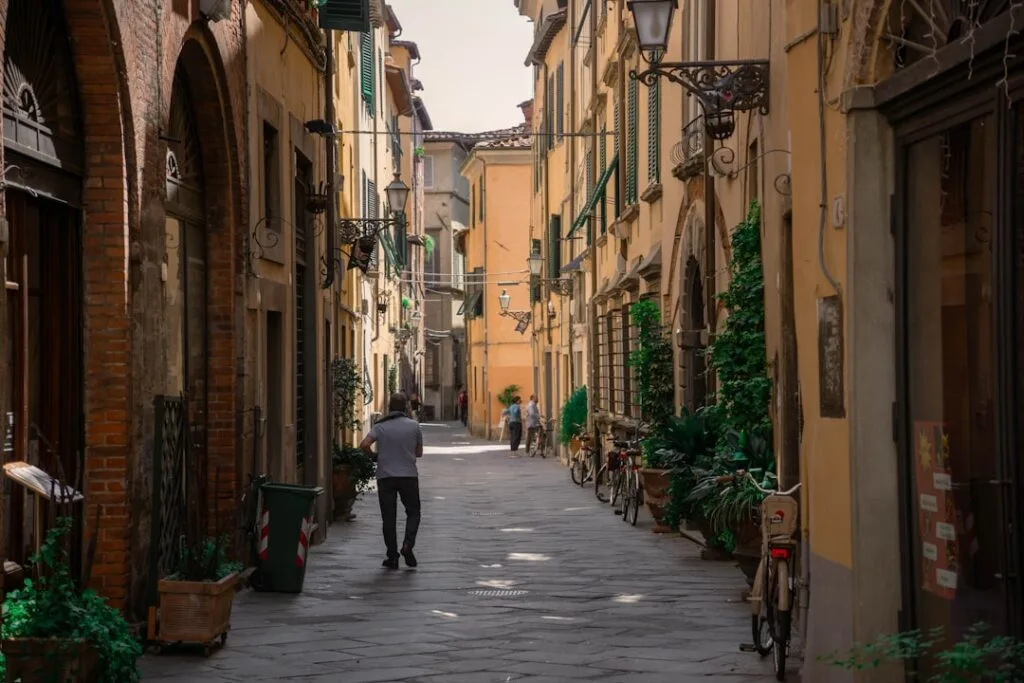
- Getting around: Lucca is best explored on foot; distances between main sites are short. To visit the surroundings (villages and hills), rent a bike or take a local bus.
- Local guides: the city’s official guides offer themed tours on sacred iconography and sculpture; book ahead in high season.
- Best times: spring and autumn for softer light and fewer tourists; in summer, arrive early to beat the heat and crowds.
- Cultural tasting: after a morning of art, sample Lucca specialties at a local osteria — farro soup, cured meats and Tuscan wines make a perfect follow-up.
By following these tips you’ll optimize your discovery: Lucca reveals its most delicate works to those who take time to look, read labels and pause at side chapels where small wonders are often hidden.
Click here to rent an electric bike to explore Lucca
Click here to take a self‑guided bike tour through the Lucca countryside
Conclusion: Why Lucca’s sacred art deserves your visit
Lucca is a city where sacred art presents itself without flashy spectacle but with historical depth and artistic quality that captivate. From the solemnity of the Volto Santo to the refined sculpture of Ilaria del Carretto’s tomb, from San Frediano’s golden mosaic to San Michele in Foro’s sculpted façade, each site tells part of the city’s religious, political and cultural story. Visitors discover not only remarkable works but also the human context that produced them: confraternities, patrician families, bishops and local craftsmen who commissioned, preserved and transmitted these objects of piety and art.
Practically speaking, Lucca is accessible: most sites sit within a pedestrian area, museums have reasonable prices (around €6–10 for main museums), opening hours are broad but may vary with services, and tourist services are available at Piazza San Michele or near the station. For a calm visit, plan around masses and closing times, book guided specialist tours if you want a deeper dive, and favor early morning or late afternoon for better light and fewer crowds.
Finally, experiencing Lucca’s sacred art is an invitation to slow down: sit in a chapel, follow a procession with your eyes, read the patina on a sculpture, listen to the resonance of a hymn — all gestures that help you understand why these works exist. Whether you’re an art‑history enthusiast, a spiritual traveler or simply curious, Lucca offers an intimate, authentic gallery where every painting and sculpture can become a memorable encounter.
Before you go, remember: check updated opening times and access conditions (reduced fares, combined tickets), respect places of worship, and take time to enjoy the cafés, bookstores and artisan workshops around the churches — they often keep the living spirit of sacred Lucca alive. Safe travels and wonderful artistic discoveries in this city where history and faith speak in pigments, marble and tesserae.