





Introduction: Discovering Lucca’s Hidden Chapels
Lucca, a often-overlooked Tuscan gem compared to Italy’s big-name cities, hides an intimate and captivating network of secret chapels. These small prayer spaces—tucked inside major churches, concealed behind discreet doorways, or woven into historic palaces—tell the story of a medieval city that has preserved a rich spiritual, artistic and human heritage. Exploring Lucca’s secret chapels is a slow, rewarding journey: each oratory, carved altar and wall fresco becomes a stop on a walk that blends art, faith and everyday local life.
In this itinerary I invite you to step off the main tourist routes and follow a path that reveals Lucca’s private side—the world of confraternities, patrician families and artisan workshops. The chapels I describe don’t always make the front pages of guidebooks: some hide in cathedral transepts, others sit in cloisters or civic palaces adapted for private devotion. What they share is a unique atmosphere: the scent of wax and incense, hushed voices, light filtering through small stained glass or narrow windows, and carved details that beg you to stop and look closely.
This practical, immersive guide gives you not only visual and historical descriptions but also exact addresses, typical opening hours, indicative entry prices in euros, and practical tips to help you plan your visit. Lucca is easy to explore on foot: the main sites are close together, and every cobbled street promises a new discovery. Because these chapels are “secret,” access can depend on mass times, parish activities or guided tours run by local associations—so I recommend checking hours on site or with tourist offices before you go.
Whether you’re into sacred art, a photographer chasing intimate light, a pilgrim seeking quiet, or a curious traveler, this route invites you to take your time in Lucca. The secret chapels tell stories of protection, ex-votos, local devotions (often to little-known saints), and they frequently house works by named artists—painters, sculptors, goldsmiths—whose finesse rewards a careful eye.
Wear comfortable shoes, respect liturgies and mass times, and if you can, extend your visit with a coffee on Piazza San Michele or a stroll along the city walls. Lucca is often read through its towers and gardens; here we’ll read it through the intimacy of its chapels—those little « memory boxes » that keep the city’s historic heartbeat alive.
 Click here to discover Lucca’s highlights on foot

Cappella del Volto Santo — Cattedrale di San Martino
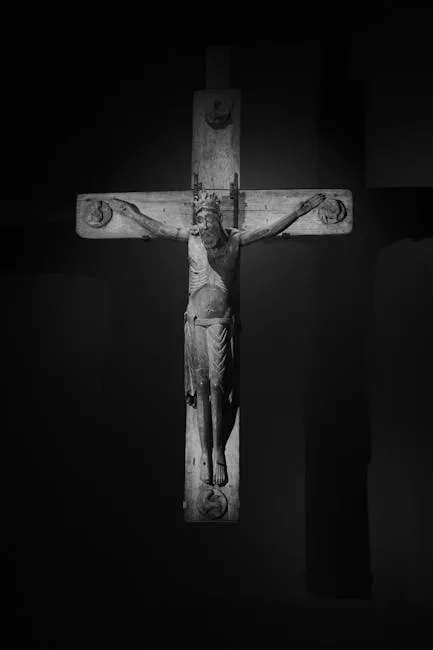
In the heart of Lucca, the Cappella del Volto Santo is one of the most venerated yet discreet spots inside the Cattedrale di San Martino (Cathedral of San Martino). This chapel houses the famous Volto Santo, a carved wooden crucifix that has been an object of deep devotion since the early Middle Ages. Visitors come for its spiritual significance and to admire the surrounding architectural and sculptural elements that frame the reliquary.
Address
- Cattedrale di San Martino — Piazza San Martino, 2, 55100 Lucca LU, Italy
Opening Hours
- Generally: daily 9:00 – 18:00 (hours may vary outside liturgical seasons)
- During services: visible but access can be limited (morning and evening masses)
Price
- Cathedral and chapel entry ticket: around €3.00 – €5.00 per person (indicative)
- Free entry during certain religious events; donations accepted
Immersive description: stepping through the cathedral threshold, the chapel reveals itself as an intimate sanctuary bathed in soft light that highlights the expressive grain of the Volto Santo’s wood. The paneling, gilding and hanging ex‑votos show the ongoing personal relationship between the people of Lucca and this crucifix. The space is often quiet; you’ll hear the rustle of missal pages, the soft tread of visitors and, occasionally, a guided tour lingering over medieval details.
Practical tips: arrive early to avoid crowds, respect silence zones and signs reserving areas for worshippers, and ask staff for an explanatory leaflet if you want to understand the different restoration phases. The chapel is generally accessible to visitors with reduced mobility, but verify access for special services.
Click here to book a guided tour of S. Martino and S. Frediano
Cappella di Santa Zita — Basilica di San Frediano
The Cappella di Santa Zita is a small devotional space within the Basilica di San Frediano. Saint Zita is Lucca’s patron saint of domestic servants and household workers; her story is tied to everyday gestures and a strong popular piety. The chapel condenses local history: relics, restored frescoes and offerings testify to a vibrant bond between the saint and the townspeople.
Address
- Basilica di San Frediano — Piazza San Frediano, 1, 55100 Lucca LU, Italy
Opening Hours
- Typically: 10:00 – 17:30 (hours vary by season and services)
- May be closed during major liturgical celebrations
Price
- Access to the basilica: generally free; donations recommended for visiting private chapels
- Special guided tours: €5.00 – €8.00 depending on the organizer (indicative)
Immersive description: Santa Zita’s chapel sits in a side bay behind an ornate grille. The atmosphere is gently rustic: popular icons, votive candles and simple bouquets reflect everyday devotion. The frescoes, often polychrome and mellowed by time, seem to illustrate episodes from Saint Zita’s life—charity, obedience and miracles. This chapel is perfect for visitors wanting to understand Tuscan popular piety.
Local tips: ask the basilica desk for a brochure if you want to learn more about the saint’s life. Markets and small shops around Piazza San Frediano often sell little reproductions and postcards—great souvenirs after your visit. Be aware of weekday masses: the chapel may be closed or access limited during celebrations.
Click here to visit the Basilica di San Frediano and Santa Zita
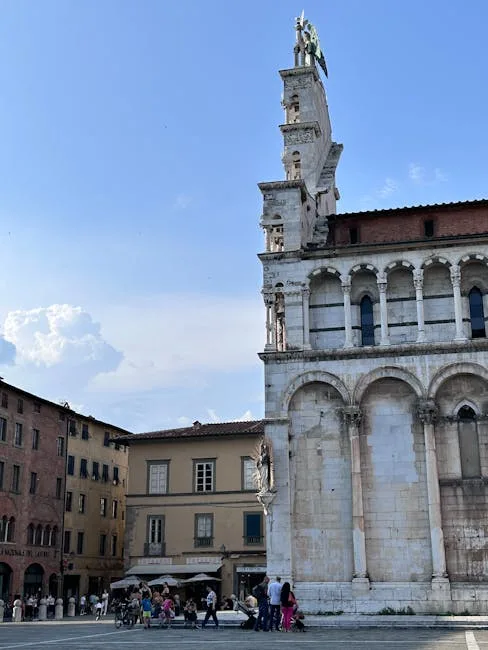
Oratorio di San Salvatore — Chiesa di San Michele in Foro
The area around the Chiesa di San Michele in Foro contains several small devotional spaces, including the Oratorio di San Salvatore. Housed in a lesser-known annex of the church, this oratory shows how pious confraternities and craft guilds used dedicated spaces to celebrate and preserve their artworks.
Address
- Chiesa di San Michele in Foro — Piazza San Michele, 55100 Lucca LU, Italy (oratory adjacent; accessible via the piazza and side alleys)
Opening Hours
- Often visible: 9:30 – 12:30 and 15:00 – 18:00 (except during services and ceremonies)
- Access sometimes only possible through guided tours organized on site
Price
- Free access with the parish route: donation recommended (€1.00 – €3.00)
- Themed guided visit (if available): €4.00 – €7.00
Immersive description: upon entering, the oratory’s small scale strikes you—low vaults, wooden benches and frescoes concentrated at eye level. Confraternities used these spaces to meet, keep their banners and organize charitable work. You’ll often see symbols of trades (tools, shields) recalling the secular history linked to devotion. The proximity to San Michele’s sculpted façade makes the contrast even more striking: just steps from a public, highly decorated architecture you find this hushed intimacy.
Practical tips: the chapel is ideal for interior photography without flash (observe church rules). If the oratory is closed, check at the parish office on the piazza: often a volunteer can open it for a small group. Iconography enthusiasts should look for small wooden altarpieces and gilded frames that are sometimes remarkably well preserved.
Click here to take a guided walking tour of Lucca’s historic center
Cappella Guinigi — Palazzo Guinigi / Torre Guinigi
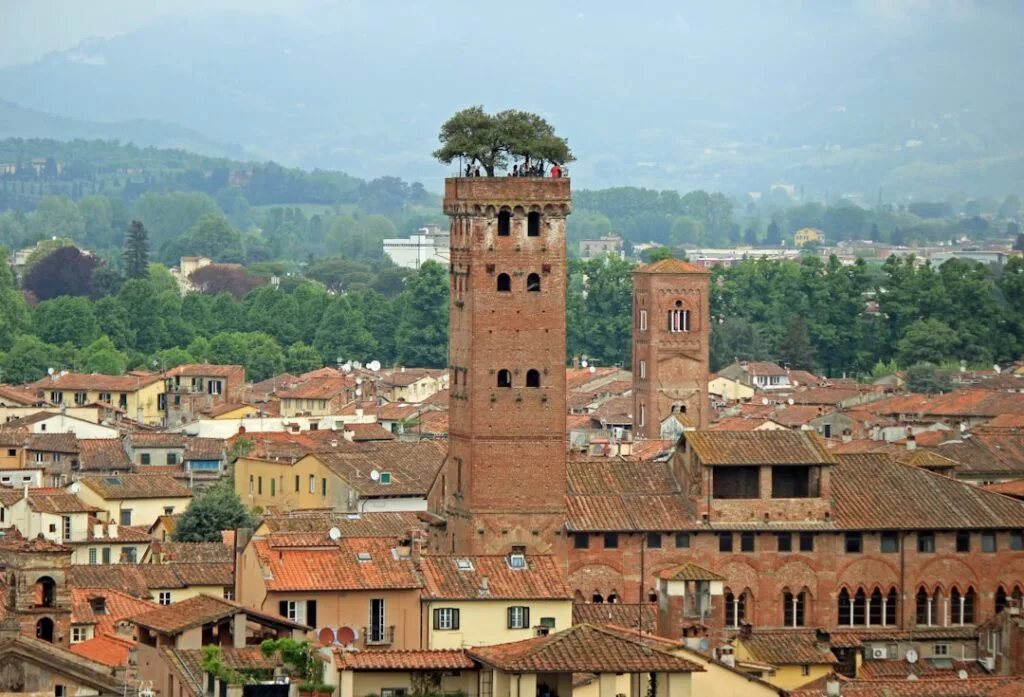
Less a parish chapel than a family devotional space, the Cappella Guinigi exemplifies the role patrician houses played in Lucca’s religious life. The Guinigi family, a powerful dynasty in the city, endowed private oratories and commissioned works and ornaments to honor family memory. Today that religious presence is most tangible around the Torre Guinigi and the adjacent palace, where small family chapels survive or are interpreted within museum rooms.
Address
- Torre Guinigi / Museo Guinigi — Via Sant’Andrea 38 / Piazza San Michele prox., 55100 Lucca LU, Italy (Torre Guinigi, Museo Nazionale di Villa Guinigi in the historic area)
Opening Hours
- Torre Guinigi / National Museum (approximate hours): 9:00 – 19:00 in high season, 9:30 – 17:30 in low season
- Access to private spaces (chapels): often included with the museum ticket or available via guided tour
Price
- Torre Guinigi / Museum ticket: €6.00 – €10.00 depending on exhibitions and reduced rates
- Themed guided tours about the Guinigi family: €8.00 – €15.00 (indicative)
Immersive description: the climb up Torre Guinigi, with its rooftop garden, can continue into the discovery of a small domestic oratory tied to the family’s patronage. These chapels often contain precious altarpieces, dedicatory inscriptions and family seals. The experience here feels more « heritage » than parish: you sense the link between civic power and private devotion, a hallmark of medieval Lucca. Liturgical objects (chalices, illuminated missals) may be on display in the adjacent museum.
Practical tips: combine the tower climb (for panoramic views over Lucca’s roofs) with a visit to the chapel for a fuller experience. Buy combined tickets if available, and aim for just before sunset to enjoy golden light on the monuments. Note: the tower ascent involves narrow steps and is not recommended for visitors with mobility issues.
Click here to climb Torre Guinigi and visit the city walls
Oratorio della Compagnia di Santa Maria della Rosa
The oratory dedicated to the Compagnia di Santa Maria della Rosa is a classic example of a confraternal devotional space—often discreet and deeply rooted in neighborhood life. These oratories serve as meeting places, prayer rooms and sometimes shelters for charitable work; their walls narrate the collective commitment of Lucca’s residents.
Address
- Oratorio della Compagnia di Santa Maria della Rosa — Via Fillungo / nearby, 55100 Lucca LU, Italy (entrance usually via a courtyard or alley adjacent to the main Via Fillungo)
Opening Hours
- Variable opening times: often accessible 10:00 – 13:00 and 15:00 – 17:00 on certain days only
- Access sometimes tied to local events or confraternity ceremonies
Price
- Free visit: suggested donation €1.00 – €3.00
- Historical guided tour (when scheduled): €5.00 – €9.00
Immersive description: the oratory feels more like a community house than a solemn church—tight benches, a modest altar, devotional paintings of the Virgin and the confraternity’s patron saints. Side inscriptions recount the group’s founding, and you’ll often find registers recording charitable activities—bread distributions, aid to the sick, funerals. The atmosphere is intimate and deeply human.
Practical tips: if the oratory is closed, try the nearby souvenir shop or bar: local shopkeepers often know the opening times and can tell you when a door will be opened. Respect silence and show interest in the local history—volunteers appreciate curious visitors and may give you more time and context.
Click here to discover Lucca’s confraternities on a historical walking tour

Conclusion: Plan Your Route and Final Tips
Exploring Lucca’s secret chapels means slowing down and seeing the city with an insider’s eye. The route I suggest mixes major sites—like the Duomo di San Martino and the Basilica di San Frediano—with quieter spots—oratories, family chapels and confraternal spaces. Together, they map a spiritual geography that complements walks along the walls or through the city’s shopping streets.
To plan your visit, here are some practical recommendations:
- Plan around mass times: some chapels may be closed or reserved for worshippers during services. Weekday mornings (roughly 9:30–11:30) are often the best time to visit with fewer people.
- Check hours and prices in advance: I’ve given ranges for typical hours and fees (e.g. €3–€10 for some combined tickets, hours 9:00–18:00). These details can change with the season, temporary exhibitions or restorations. Visit parish websites, the Lucca tourist information office (IAT — Piazza San Michele) or call ahead.
- Dress and respect: dress modestly (shoulders and knees covered) for places of worship, and put your phone on silent. Photos may be allowed without flash—always follow signs and staff instructions.
- Access and mobility: most chapels are within a 15–25 minute walk from the central station (Porta San Pietro) depending on your starting point. Some towers and oratories have narrow steps—check accessibility if you have physical constraints.
- Smart combinations: group visits logically—for example, the Cattedrale di San Martino and San Michele in Foro are very close; combine Torre Guinigi with the oratories around Piazza San Michele to save time and get varied viewpoints.
- Enjoy local food: between chapels, stop for a macchiato at a historic café on Via Fillungo or share a local focaccia in a small trattoria. Breaks help you absorb what you’ve seen.
Finally, leave room for the unexpected: some chapels open only for sacred concerts, lectures or temporary exhibitions that add a special cultural flavor to a visit. Preparation is good, but chance encounters—a priest willing to tell a painting’s story, a volunteer guide offering an intimate explanation—will enrich your discovery of Lucca. These secret chapels are not just art spaces; they are listening points in a city that loves to tell its story to those who take the time to listen.
Click here to book a private full-day tour to Pisa and Lucca