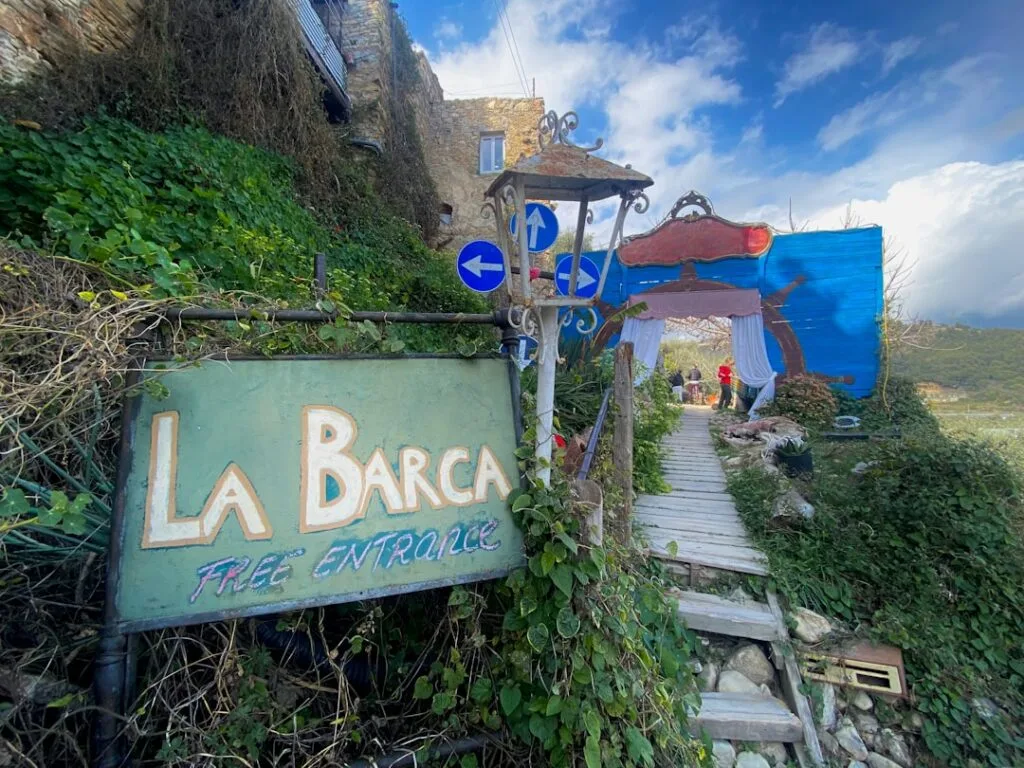






Introduction — Why set off on a photo route around Lucca
Lucca, located in northern Tuscany, is the perfect base for anyone wanting to blend photography, history and the relaxed pace of Italian life. Unlike Florence or Pisa, Lucca feels more intimate: impeccably preserved Renaissance walls, cobbled lanes and quiet squares where locals play cards under plane trees. Yet it’s the surrounding villages — hidden gems tucked into hills and lakeshores — that deliver the most photogenic scenes, from medieval tower silhouettes and terraced gardens to warm-hued façades at sunset.
This guide is laid out as a photo route through the most picturesque villages around Lucca, with practical tips on composition, the best times of day, precise addresses, opening hours, indicative prices and local recommendations. The goal is to give you everything you need to plan a day trip or a photo-packed weekend with no surprises, focusing on places reachable by car or train from Lucca (Lucca station, Piazza Ricasoli 55100 Lucca LU), and helping you capture a wide variety of images: panoramas, architectural details, street scenes and natural landscapes.
Shooting these villages also means understanding the local rhythm: morning markets, churches that are open to visitors, cafés where the light turns golden late in the day. Each location described here offers a mix of architectural icons — cathedrals, towers, historic villas — and everyday life that will make your images feel authentic. We’ll point out the best shooting windows (sunrise/sunset, blue hour) and share practical tips (parking, where to eat, recommended gear, lighting and weather considerations).
Finally, this guide includes practical info: full addresses (with postal code and province), prices in euros, opening hours for tourist sites and museums, and local advice to avoid tourist traps. Keep in mind that times and prices can change during high season (June to September), so it’s always wise to double‑check before you go. Pack your SD cards, charge your batteries and bring patience — the best shots often demand waiting for the perfect light, the right moment or the clearing of a crowd. Let’s hit the road for an unforgettable photo route around Lucca!
 Click here to book your guided tour of Lucca’s city walls
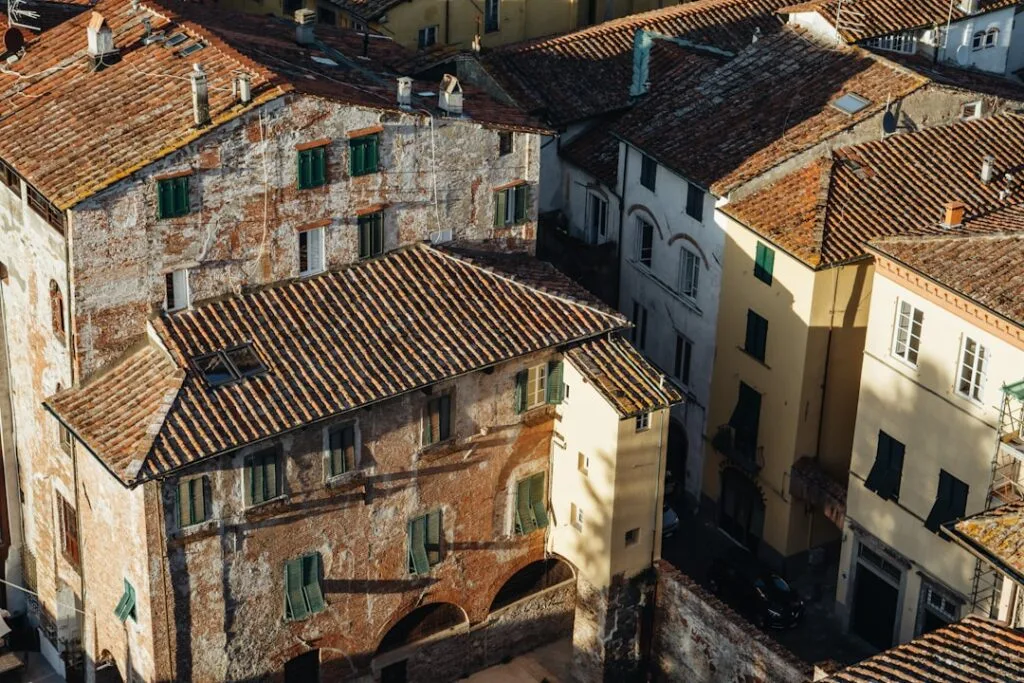
Barga — The medieval hilltown and golden light
Barga is often listed among Italy’s most beautiful villages. Why? Because this small town perched on the Garfagnana hills boasts a remarkably well-preserved medieval fabric: narrow lanes winding between stone cottages and a cathedral that dominates the valley. A typical starting point is Piazza del Duomo, home to the Cathedral of San Cristoforo (Piazza del Duomo, 55051 Barga LU). The cathedral — stone façade and Romanesque bell tower — creates a striking contrast between cool stone and warm morning or evening light.
Address and opening times: Duomo di San Cristoforo, Piazza del Duomo, 55051 Barga LU. Opening hours vary by season; generally the cathedral is open from 09:00 to 12:30 and 15:00 to 18:00 (Sundays: services may affect access). Admission: free donations suggested for interior visits (commonly €1–5 recommended for upkeep). For the Museo Civico e Diocesano (Museo Civico e Diocesano di Barga, Via degli Uffici Comunali, 55051 Barga LU), expect a ticket around €3–6; weekday hours often 10:00–13:00 and 15:00–18:00, closed on Mondays off‑season — check ahead.
Photo tips: the best light for photographing the Duomo’s façade is early morning or late afternoon. Climbing up to the Rocca del Castello (follow the lanes toward the upper town) gives you sweeping views over tiled roofs and the valley beyond — perfect when morning mist adds drama. For details, get close to the carved wooden doors and fresco fragments in the small church of San Francesco (Piazza San Francesco, 55051 Barga LU), often open in the afternoons. The cafés along the main streets (for example, Caffè Roma, Via Garibaldi 44, 55051 Barga LU) are great for intimate portraits of local life: soft golden light at the golden hour and lively subjects.
Practical info: parking — there are car parks below town (Parcheggio Via XXV Aprile, 55051 Barga LU) at roughly €1–2 / hour; the walk up to the historic center takes about 10–15 minutes. If traveling by train, the nearest station is Barga-Gallicano (location: Polo Ferroviario, 55051 Barga LU), then take a taxi or local bus. Streets are cobbled and can be slippery after rain: wear closed shoes and bring a lightweight tripod for night shots. To capture local atmosphere, look out for markets (often on Wednesday mornings on Via Roma) for colorful, lively scenes.
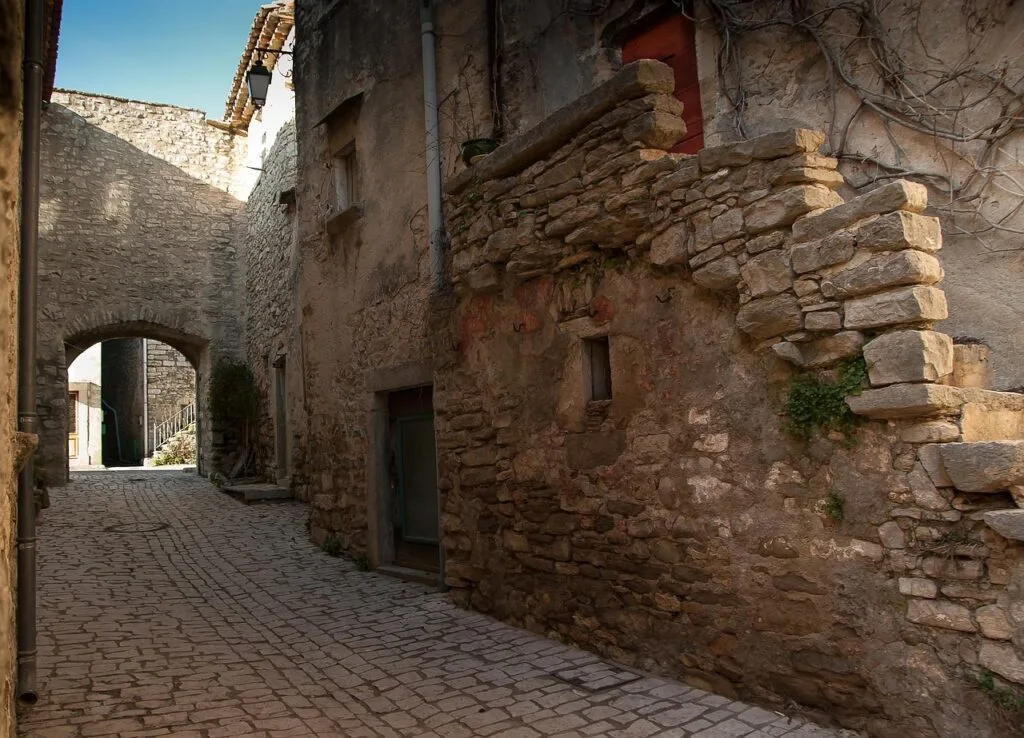
Collodi and Villa Garzoni — Formal gardens and the Pinocchio Park
Collodi is synonymous with Pinocchio, thanks to the Parco di Pinocchio and Villa Garzoni, which together create a marvelous visual playground: whimsical sculptures, terraced gardens and baroque perspectives that are a photographer’s dream. Two must‑see sites: Giardino Garzoni (Villa Garzoni) and the Parco di Pinocchio.
Villa Garzoni / Giardino Garzoni
Address: Villa Garzoni, Via del Giardinetto 1, 51012 Collodi PT. Opening hours: vary by season; typically open from 09:30 to 19:00 in high season (April–October) and 10:00 to 17:00 off‑season. Prices: garden + villa around €8–12 (reduced rates for children/students). Description: the terraced baroque garden features fountains, sculptures and designed perspectives meant to surprise visitors — perfect for symmetrical compositions, shadow play and leading lines. Quiet mornings are ideal for backlighting and for capturing water droplets on fountains with slower shutter speeds.
Parco di Pinocchio
Address: Parco di Pinocchio, Viale Garibaldi 51, 51012 Collodi PT. Hours and prices: often open daily in high season 09:30–19:00; adult tickets around €8–10, children €5–7. Description: more than a children’s park, it’s a sculptural world where works narrate Collodi’s story. Great for themed shots, creative portraits and black‑and‑white series. Painted wooden details and shadows cast by the statues provide strong graphic composition opportunities. The park is also lovely in late afternoon when sidelight sculpts the forms.
Photo and practical tips: arrive early to beat school groups and to enjoy fountain reflections. Bring a wide‑angle lens for Villa Garzoni’s terraces and a short telephoto (70–200 mm) to isolate sculpture details in the Parco di Pinocchio. Parking: free parking near the park or on Viale Garibaldi (watch for seasonal signs). For food, try Trattoria La Pace (Via Roma 12, 51012 Collodi PT) — traditional Tuscan dishes, antipasti from €8–12, primi €10–14. Note that restaurant hours may be limited off‑season (often 12:00–14:30 and 19:00–21:30).
Torre del Lago Puccini and Lake Massaciuccoli — Reflections, music and flat light
Torre del Lago Puccini is the cultural hub linked to composer Giacomo Puccini and sits on the shores of Lake Massaciuccoli. The mix of water, reeds and small harbors creates atmospheric compositions perfect at sunrise or blue hour. Visiting the Villa Museo Puccini and the open‑air stage of the Gran Teatro all’Aperto (Puccini Festival) lets you combine architectural shots with evocative cultural portraits.
Villa Museo Puccini — address and visit
Address: Casa Museo Giacomo Puccini, Viareggio 2, 55049 Torre del Lago Puccini LU (often listed as Viareggio / Torre del Lago). Hours: generally open 10:00–13:00 and 16:00–19:00, with variations during the opera festival; check ahead. Price: entry around €6–10. Description: the house‑museum preserves personal items, manuscripts and period furniture; it’s an intimate spot for interior photos (photography inside may be restricted — ask about flash rules). The lake nearby makes for combined interior/exterior series, for example portraits framed by windows overlooking the water.
The shore and the marshes
Lake Massaciuccoli and its banks offer birdlife, golden reeds at sunset and fishing boats — ideal for long telephotos (200–400 mm) for wildlife and long exposures to smooth the water. Easy access: lakeside promenade near Via di Levante, 55049 Torre del Lago Puccini LU. Parking is often available near the Gran Teatro all’Aperto (via Giosuè Carducci, 55049 Torre del Lago Puccini LU). For early risers, dawn mist on the lake produces almost painterly atmospheres.
Local tips: if you visit during the Puccini Festival (usually in summer, dates vary), book tickets and accommodation well in advance — the Gran Teatro all’Aperto (Viale G. Carducci, 55049 Torre del Lago Puccini LU) stages open‑air operas, producing dramatic shots of the orchestra silhouetted against the lake at dusk. For dining, Osteria del Lago (Via Aurelia Nord 45, 55049 Torre del Lago Puccini LU) serves fresh fish dishes; mains typically €18–30. For wildlife and flora, respect protected areas and use long lenses to avoid disturbing birds. Best reflection conditions are at golden hour or blue hour with little wind for calm water surfaces.
Click here to book tickets for the Puccini Festival near Lucca
Click here to book a kayak tour on Lake Massaciuccoli
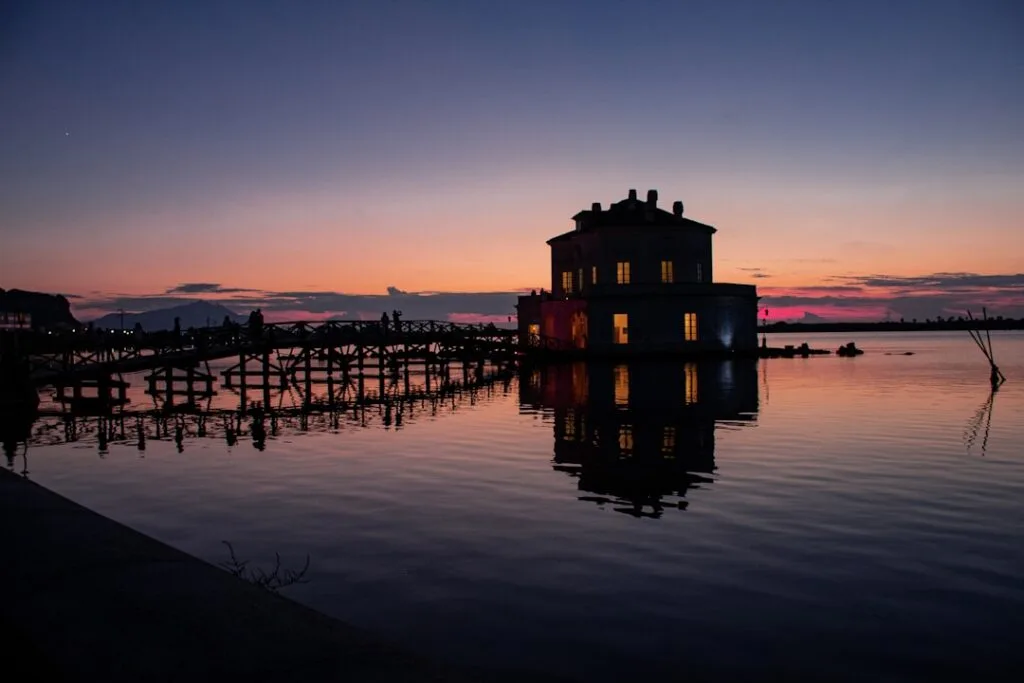

Pietrasanta and its workshops — Sculpture, marble and artistic backstreets
Pietrasanta is under 30 minutes from Lucca and is a must for photographers fascinated by the meeting of contemporary art and medieval heritage. Nicknamed “Little Athens,” Pietrasanta blends sculptors’ workshops, galleries and a lively Piazza del Duomo where light plays across stone façades. Two key spots are the Cattedrale di San Martino and the Piazza del Duomo, surrounded by artists’ studios and marble workshops.
Address and main opening times: Cattedrale di San Martino, Piazza Duomo, 55045 Pietrasanta LU. Hours: the church is often open from 09:00 to 12:30 and 15:00 to 18:00; many galleries and workshops typically open 10:00–13:00 and 15:30–19:00 (some close on Mondays). Cathedral admission: free or by donation, while some temporary exhibitions may charge (€3–7). For museums like il Museo dei Bozzetti (Piazza Duomo, 55045 Pietrasanta LU), expect €4–8 with hours 10:00–13:00 and 15:00–18:00.
Why photograph Pietrasanta? The sculpture workshops present unique scenes: artists at work, marble fragments, tools and clouds of white dust — ideal for documentary series in black and white. The lanes around the piazza feature café stalls, small squares and shop windows filled with maquettes, perfect for environmental portraits. In the evening the piazza livens up with eateries like Trattoria da Lorenzo (Via S. Agostino 12, 55045 Pietrasanta LU), mains €12–25, backed by sculptures lit for dramatic night shots.
Technical and practical tips: bring a 35mm or 50mm for workshop portraits, a 24–70mm for streets and squares, and a polarizer to boost stone colors and cut reflections. Parking: Parcheggio Vittorio Veneto (Via Vittorio Veneto, 55045 Pietrasanta LU) is usually paid (about €1–2 / hour). Visit workshops early to capture marble dust hanging in the low light — an almost tactile atmosphere. Finally, indulge in local gelato (Gelateria Sapore di Mare, Via Roma 7) for tasty breaks between shoots.
Click here to book a Carrara marble tour from Lucca
Practical tips for a photo route around Lucca
Preparation and timing: plan your visits around the golden hours (sunrise / sunset) to capture warm light and long shadows; blue hour, right after sunset, is perfect for urban scenes with artificial lights. For a weekend, map a logical route: Lucca → Collodi (30–40 min) → Barga (50–60 min) → Pietrasanta (40–50 min) → Torre del Lago (30 min). Distances are short but mountain roads can slow you down; allow extra time and keep your tank topped up.
Recommended gear: a versatile body (full‑frame if possible), lenses such as a 24–70mm f/2.8 for flexibility, a 70–200mm to isolate architectural details and a 16–35mm for landscapes and tight streets. A compact lightweight tripod for long exposures (water, night), a remote shutter and ND filters for motion blur. Extra SD cards, spare batteries and a waterproof cover for sudden showers (Tuscany weather can change fast).
Logistics: a car is the most flexible way to reach small villages; prefer a compact vehicle for narrow lanes. Fuel stations and small supermarkets are available in main towns; bring water and snacks for long sessions. By public transport, Lucca is well‑connected by train and bus, but some villages like Collodi may require transfers or a taxi from the nearest station (Pistoia or Lucca). Always check museum and site hours before you go: off‑season openings can be limited.
Respect and photographic ethics: always ask permission before photographing people up close, and be mindful in religious spaces (church interiors may restrict photography). Respect signage in protected areas (reserves around Lake Massaciuccoli) and don’t enter private gardens without consent. Support local communities by buying tickets and refreshments — a coffee, museum entry or small souvenir helps keep these places accessible.
Safety and local recommendations: keep personal belongings close in busy historic centers; while crime is low, pickpockets do operate near tourist sites. For parking, use official marked car parks (Parcheggio) to avoid fines. In high season, crowds increase: go early, or focus on less obvious angles and secondary façades and backstreets for original shots.

Conclusion — Telling a visual story around Lucca
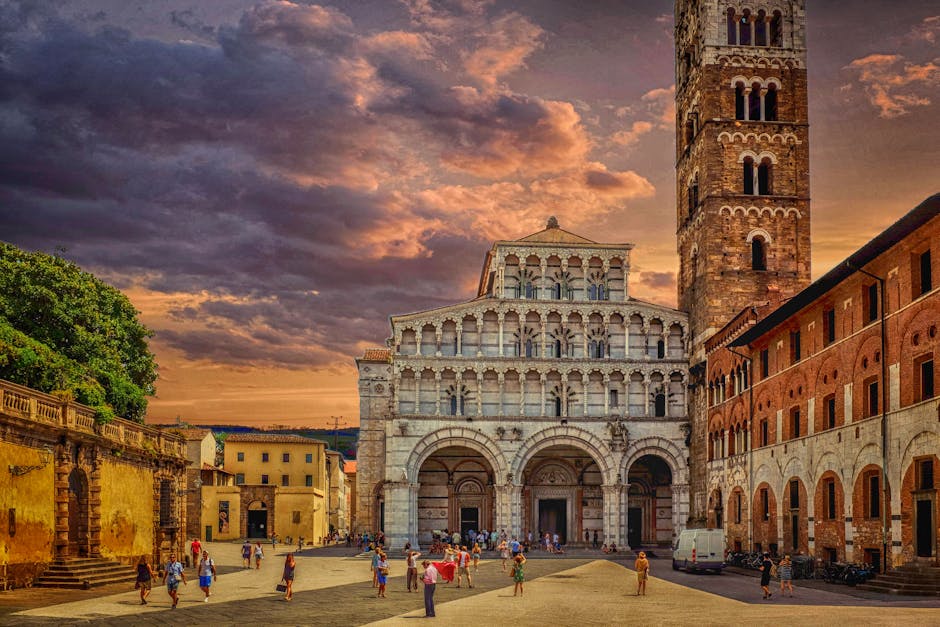
A photo route around Lucca is an invitation to slow down, observe and tell a story. Each village — Barga, Collodi, Torre del Lago, Pietrasanta and the smaller hamlets you’ll pass — brings its own narrative elements: stone and faith in Barga, sculptural fantasy in Collodi, watery melancholy in Torre del Lago, and the raw, refined craft of Pietrasanta’s workshops. Together, these places form a visual mosaic where each image is a piece of a broader tale: Tuscany beyond the clichés, made of people, artisans, secret gardens and sunlit corners.
To get the most from your route, think in series rather than single images: one series on doors and gateways, another on fountains and water, a third on workshops and artisans’ hands. This approach will make your work more coherent and help you build a compelling narrative portfolio. Keep notes on addresses, hours and light conditions for each spot — a photographer’s travel notebook will help you return to great locations or recommend them to others.
Finally, the experience is not just visual: taste, talk and connect with locals. These interactions will feed your eye and add authenticity to your portraits and street scenes. By respecting opening hours (like those of Duomo di San Cristoforo in Barga, Villa Garzoni in Collodi, the Casa Museo Giacomo Puccini in Torre del Lago or Pietrasanta’s galleries) and local rules, you’ll maximize shooting time and the joy of discovery. Pack your gear, plan your stops, let yourself be surprised by unexpected alleys and come home with a series of images that tell — with sensitivity and elegance — the story of the picturesque villages around Lucca.