





Introduction: A stroll through Lucca’s medieval towers
Lucca — Lucca in Italian — is a Tuscan gem whose charm lies in the remarkably well-preserved medieval center. Wander its cobbled lanes and you feel the layers of centuries beneath your feet: stone houses, artisan secrets, silent cloisters and, above all, a constellation of medieval towers that puncture the city skyline. A guided walking tour of Lucca’s medieval towers offers more than a sightseeing route; it’s a historical, architectural and sensory hike where every landing reveals new panoramas, family anecdotes and traces of former urban power.
These towers were built from the 12th century onward, often by wealthy patrician families engaged in conspicuous rivalry. They began as status symbols and markers of family alliances, sometimes serving as defensive lookouts. Today, towers like the Torre Guinigi and the Torre delle Ore welcome visitors with spectacular views, while other tower-houses and buildings visible from the squares and streets tell the story of a bustling, fiercely independent merchant city.
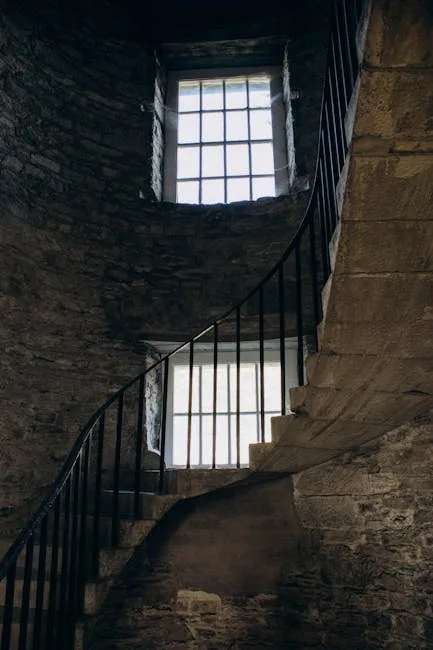
On a guided walking tour you do more than look: you climb, pause, and listen. You tackle narrow, worn spiral staircases of stone, run your hand along walls rubbed smooth by generations, and take time to look out toward the Monte Pisano hills, the red-tiled roofs and the rounded silhouette of the city walls (Mura di Lucca). A well-structured tour combines monuments, coffee breaks, photo stops and lively explanations about architecture, urban strategy and local legends — think the families Guinigi and della Gherardesca.
This guide is meant for both the curious traveler and the history buff: it gives you a suggested route, exact addresses, opening hours, current prices in euros, immersive descriptions of each major site, and practical tips to make the most of exploring Lucca on foot. Pack comfortable shoes, a bottle of water and your camera: the city is best discovered slowly, at human pace, and especially from the tops of its towers where Tuscany unfolds like a living carpet.
 Click here to book a walking tour of Lucca’s highlights
Torre Guinigi: the oak on top and panoramic views
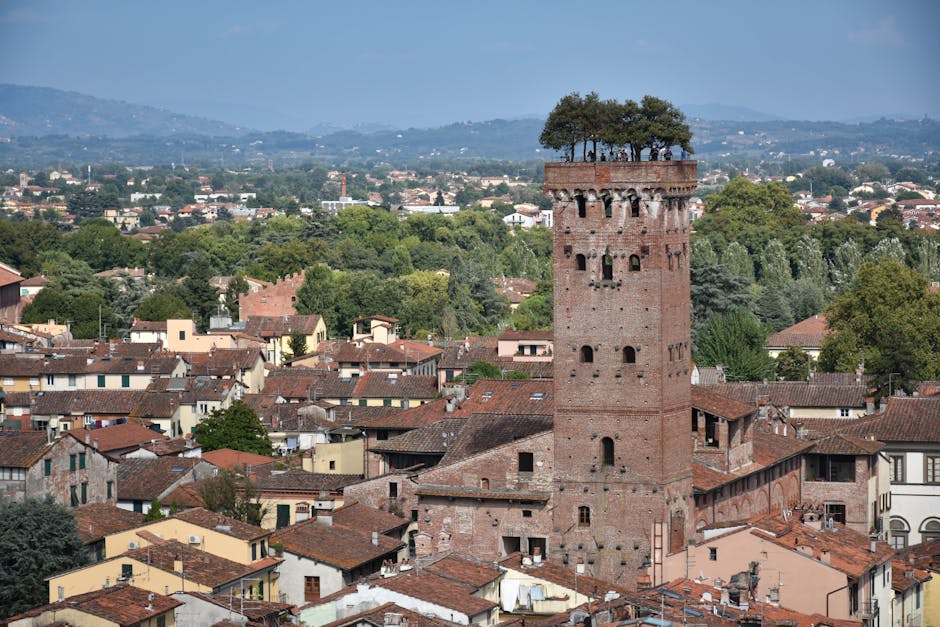
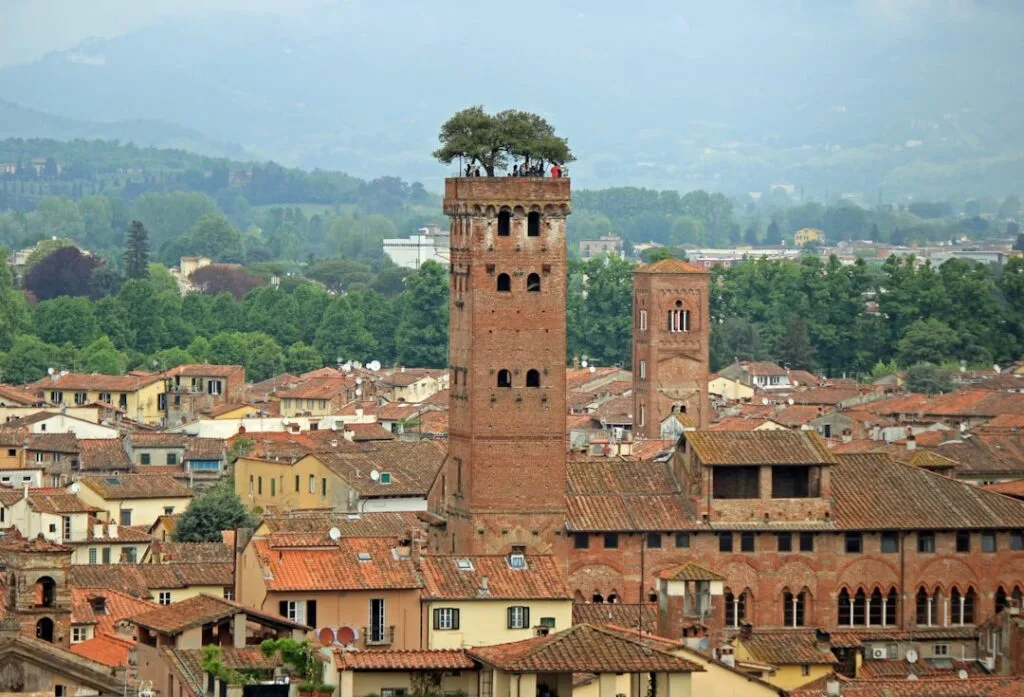
The Torre Guinigi is likely Lucca’s most iconic tower. Dating from the 14th century, it’s known for its unusual rooftop garden planted with holm oaks — a striking symbol of the meeting between nature and urban architecture. Address: Via S. Andrea, 33, 55100 Lucca LU, Italy. The tower sits just a short walk from Piazza San Michele, in the heart of the medieval center.
Opening hours: usually open daily from 9:00 to 19:00 (times may vary in low season). Admission: about €6.00 for an adult ticket (reduced rates for students and seniors; free entry sometimes available for children under 6). Combined tickets with other sites are occasionally offered.
The ascent is via narrow wooden-and-stone internal stairs with several landings. Midway, partial views open up through the apertures. At the top, the oak garden provides welcome shade in summer and, more importantly, a 360° panorama of red-tiled roofs, the Cathedral of San Martino and the green ring of the city walls. The sensory experience is powerful: the scent of leaves, birdsong and the feeling of being perched above history.
Practical tips: buy your ticket early in the morning to avoid queues, bring a hat in summer since the climb can get hot, and note that access is not recommended for people with reduced mobility (narrow stairs and no elevator). Private guided visits by reservation may include background on the Guinigi family and how the remarkable rooftop garden is maintained.
Click here to explore Lucca’s city center on a walking tour

Torre delle Ore and the historic clock: a story of time at the city’s heart
The Torre delle Ore (Clock Tower) is another must-see for understanding how time, power and city life were intertwined. Address: Piazza delle Ore, 55100 Lucca LU, Italy. Overlooking the main street, this medieval tower houses an ancient clock mechanism and offers an immersive experience of the city’s passage of time. Opening hours: often open from 10:00 to 18:00; check locally as times can vary by season. Admission: around €5.00 per adult (reduced rates available).
The climb follows a stone spiral staircase that allows you to observe the successive states of the clock mechanism and, on some guided visits, to hear the stories of the bells and the repairers. From the top, you look down on Via Fillungo and Piazza San Michele. One of the most fascinating aspects is the sense of time itself: for centuries this landmark regulated city life, marking market hours, religious services and artisans’ duties.
Practical tips: the tower can be very busy at noon when the bells draw crowds. If you love gears and old mechanics, ask the guide for details about the mechanism — occasionally a local clockmaker will demonstrate maintenance. Wear shoes with good grip: the steps can be slippery.
Click here to visit S. Martino and S. Frediano with a guide
Other towers you’ll spot along the route: Torre del Palazzo Pretorio and the city’s legacy
As you stroll, several other towers punctuate the route and deserve photo stops and context: the Torre del Palazzo Pretorio near the Palazzo Pretorio (Piazza del Suffragio), and tower-houses lining Via Fillungo. Palazzo Pretorio address: Piazza del Suffragio, 1, 55100 Lucca LU, Italy. While not all of these buildings are open to the public, they tell the story of the city’s civic and judicial structures.
Palazzo Pretorio, the former seat of public institutions, has a sober façade with Gothic elements. Its accompanying tower served as a visual dominance over the square and an observation post. Viewing these towers from the street helps you read the social hierarchy: the tallest tower-houses belonged to the most influential families, often competing to build the highest structure.
Immersive descriptions: imagine the city in the 14th century with colorful banners during festivals, solemn processions passing in front of Palazzo Pretorio, and sentries posted on the towers watching caravans and approaching storm clouds. The verticality of the architecture is a direct reading of social relations and family strategies. Even today, these soaring silhouettes cut the skyline and provide useful wayfinding in the maze of streets.
Practical tips: photographers will find the best light early morning and late afternoon (the golden hour). Nearby squares often host pleasant cafés for a break: try a schiumato coffee or a cappuccino with a buccellato, a local specialty. Bring a printed or digital city map; while the towers are usually signposted, navigation is easier with place names as reference points.
Suggested itinerary for a guided walking tour (2–3 hours)
To get the most out of a walking tour focused on the towers, here’s a structured and narrated route you can complete in 2–3 hours including stops and climbs:
- Start: Piazza Napoleone (Piazza Napoleone, 55100 Lucca LU) — a convenient meeting point with cafés and public restrooms nearby.
- First stop: Torre Guinigi (Via S. Andrea, 33) — climb and visit (30–45 minutes).
- Second stop: Piazza San Michele and the Church of San Michele in Foro (Piazza San Michele, 55100 Lucca LU) — exterior visit and coffee (20 minutes).
- Third stop: Torre delle Ore (Piazza delle Ore) — climb and learn about the clock mechanism (30 minutes).
- Fourth stop: Via Fillungo and the tower-houses — guided walk and observations (20 minutes).
- Optional: visit the Museo e Casa di Giacomo Puccini (Casa di Puccini, Corte San Lorenzo, 9, 55100 Lucca LU) if time allows; admission around €4.00–€6.00.
Practical tips for the route: start in the morning to avoid crowds and summer heat. Take a relaxed pace if you plan to climb several towers — the stairs are physically demanding. Check opening hours in advance — religious services or local events can affect access. For families, ask about shaded areas and restrooms: Piazza San Michele and Via Fillungo have several options.
Click here to book the musical tour including the Puccini museum
Logistics and practical tips for a successful visit
Getting around Lucca on foot is one of the city’s greatest pleasures; distances are short and the streets are lined with shops and cafés. Here are practical tips to optimize your visit:
- Tickets: buy skip-the-line tickets for Torre Guinigi and Torre delle Ore when available, especially in high season (June to September). Local tourist offices (Ufficio Turistico, Piazza San Michele) often offer combined passes.
- Opening hours: most towers open between 9:00 and 10:00 and close between 17:00 and 19:00 depending on the season. Nearby museums may have different closing days (often Monday).
- Accessibility: most towers have stairs and are not wheelchair accessible. Check in advance if you have specific needs.
- Gear: comfortable shoes, a water bottle, a hat and a small bag to keep your hands free while climbing. A basic first-aid kit can be useful for scrapes or blisters.
- Food & drink: take a break in an osteria or café on Piazza San Michele to try torta di ceci or a plate of local pasta. Coffee prices vary — expect to pay about €1.20–€2.50 for an espresso.
Organized guided tours: formats, prices and booking
Several local operators run walking tours focused on the towers. Formats range from group tours (15–20 people) to private, customized tours. Indicative prices: group tours approximately €15–€25 per person for 2 hours; private tours around €80–€150 depending on duration and group size. These rates sometimes include entry to one or two towers, but monument tickets are often paid separately by participants.
It’s wise to book in advance via official tourist office websites or local agencies near Piazza Napoleone. For a deeper experience, pick a tour specialized in medieval history or architecture that includes stories about noble families and urban changes over time.
Booking tips: read recent reviews (TripAdvisor, Google Reviews), check the tour language (Italian, English, French) and confirm what’s included (tickets, tastings, breaks). Ask if the guide is certified and whether they can arrange priority access during peak times.
Click here to book a private guided tour of Lucca with a qualified guide
Conclusion: stone, sky and memory
A guided walking tour of Lucca’s medieval towers is more than a route — it’s a conversation with history. Climbing the stairs of Torre Guinigi or Torre delle Ore takes you across thresholds where time, architecture and collective memory meet. Exact addresses — Via S. Andrea 33 for Torre Guinigi, Piazza delle Ore for Torre delle Ore, Piazza del Suffragio for Palazzo Pretorio — help you structure your day and make the most of your time. Modest entrance fees (generally between €4 and €6 per site) keep these experiences accessible, while opening hours change with the seasons: start early to enjoy them fully.
Beyond numbers and addresses, remember that each tower tells a human story: family rivalries, celebrations, sieges and refuges. The views from the summits give you an emotional map of Lucca — walls, squares and hills read like sentences in an urban story. The practical tips shared here (bookings, gear, visiting times) will help you plan and enjoy the tour with peace of mind.
Finally, take time after your walk to stroll along the Mura di Lucca (Piazza della SS. Annunziata and the ramparts’ promenades), enjoy a local dish in an osteria on Via Fillungo, and reflect on how the city has combined preservation with modern life. This towers walk isn’t just a tourist route: it’s an invitation to read the city from above, feel its textures and listen to its echoes across the centuries.