





Introduction
Traveling light between Florence and Lucca is all about balancing mobility, curiosity and enjoyment. Whether you’re planning a weekend escape from the Tuscan capital or a slower train ride to wander Lucca’s medieval lanes, mastering your luggage can be the difference between a smooth trip and a string of hassles. This guide, written for practical travelers who love detail, offers concrete tips, exact addresses, estimated prices in euros, opening hours, and local recommendations you’ll need to fully enjoy Firenze (Florence) and Lucca without being weighed down by bulky suitcases.
Florence, with its compact historic center and cobbled streets, rewards those who get around on foot. Major museums like the Cattedrale di Santa Maria del Fiore (the Duomo) and the Galleria degli Uffizi are much more pleasant to visit when you’re not dragging a large bag behind you. On the other hand, Lucca—famed for its perfectly preserved walls (the « Mura di Lucca« ), medieval towers and more provincial atmosphere—invites simplicity: a versatile bag, layered clothing and comfortable shoes are often all you need.
This piece is aimed at several traveler types: budget tourists who want to get the most value out of every euro, business travelers who need to balance light packing with smart outfits, photographers who want to carry the essentials without wrecking their backs, and couples on a romantic getaway. Throughout the sections you’ll find optimized clothing lists, tips for electronic accessories, transport options between Florence and Lucca (schedules, prices, station addresses), and practical advice on leaving luggage safely, visiting must-see sites, and avoiding common tourist pitfalls.
We’ll also break down approximate entrance costs and opening hours for key sites—because a realistic itinerary starts with accurate info. Finally, the guide is flavored with local practicalities: where to find an early-opening café, how to use the espresso machines in a piazza, which streets to avoid with a heavy backpack, and how to respect ZTL (restricted traffic zone) rules to dodge an unexpected fine.
Whether you’re heading out for a two-day break or a week-long Tuscan roam, this guide will walk you through packing lighter while getting more out of your trip—because in Italy, every kilo you save can turn into one more cappuccino, a longer gelato, and extra time to watch sunlight paint a stone wall. Start your prep here and turn logistics into pleasure: less weight, more Italy.
Packing Essentials for Florence and Lucca
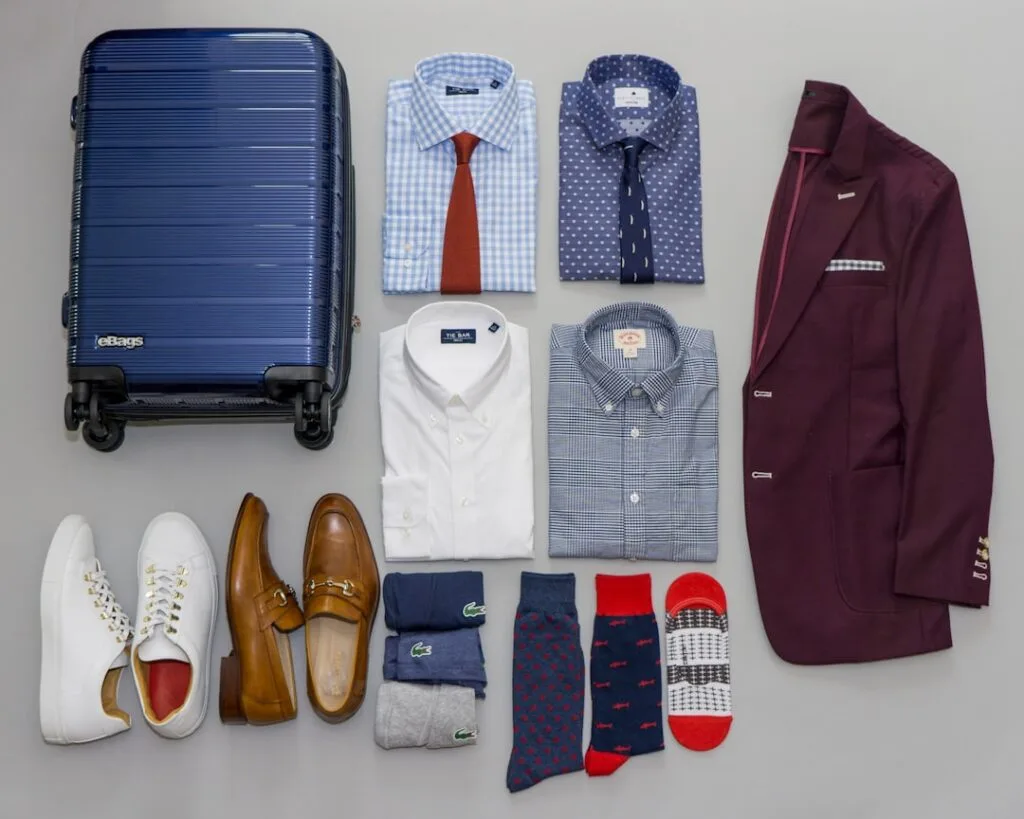
Traveling light begins with choosing the right bag. For a Florence–Lucca trip of 2 to 7 days, favor a wheeled cabin bag or an urban backpack of 35–40 liters if you plan to walk a lot. Common carry-on dimensions accepted by European airlines are often 55 x 40 x 20 cm; stick to them if you fly. For a land-only trip (train or car), a 30–40 L backpack or a cabin suitcase is ideal.
Here’s a precise checklist of essentials:
- Clothing: 2 basic cotton or merino T‑shirts, 1 light dress shirt, 1 thin sweater or cardigan, 1 waterproof windbreaker, 2 pairs of pants (one pair of jeans + a lighter pair), 1 evening outfit if needed, 3 pairs of underwear, 3 pairs of socks. Golden rule: layer, don’t pack multiple bulky coats.
- Shoes: one pair of comfortable walking shoes (e.g. sneakers), and one smarter, lightweight pair (ballet flats or loafers) that can be squeezed into a corner of your bag.
- Accessories: a multipurpose scarf (sun protection, evening accessory), sunglasses, a foldable hat or cap, a multi-USB charger and a compact power bank (10,000 mAh).
- Toiletry kit: travel-size liquids (≤100 ml if flying), toothbrush, mini toothpaste, solid deodorant, small sunscreen, hand sanitizer gel and a lip balm stick.
- Documents: paper and digital copies of ID, travel insurance, hotel confirmations and train tickets, credit cards and some cash (15–50 € for small purchases).
- Tech: smartphone with offline map downloaded (Google Maps, Maps.me), European adapter if needed, headphones, and a small hybrid or compact camera if you want better quality than your phone.
Packing tips:
- Roll your clothes to save space and reduce creases.
- Use packing cubes to separate clean and worn items.
- Place heavy items close to your back for better balance.
- Keep an outside pocket accessible for documents and train tickets.
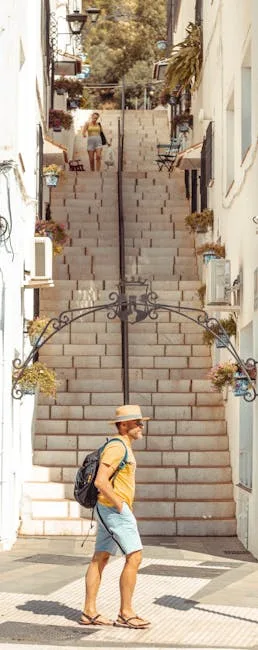
Local tip: in Florence and Lucca, medieval architecture often means stairs and uneven cobbles. Avoid heavy wheeled suitcases if you’ll stay in an old palazzo without an elevator. Opt for a backpack or a lightweight cabin case—this also makes boarding regional trains easier where luggage space can be tight.
Luggage to avoid and practical alternatives
Avoid large 23 kg suitcases: they’re heavy, costly if you fly, and awkward on narrow streets. If you need an outfit for a special occasion, consider a flat shirt bag or an anti-crease garment sleeve. For purchases made locally (souvenirs, olive oil, wine in secure packaging), carry a reusable foldable tote inside your main bag.
Florence–Lucca Journey: options, prices, schedules and tips
The route between Florence (Firenze) and Lucca is straightforward and popular with travelers. You have several options depending on your pace and budget: regional train, bus, or rental car. Here are the practical details.
By train: the most common choice. There isn’t always a direct high-speed train between Florence and Lucca; most regional routes require a change at Pisa Centrale. Duration: from about 1 h 20 to 2 h depending on connections. Fares: roughly €6 to €12 for a standard regional second-class ticket. Main departure point in Florence: Firenze Santa Maria Novella, Piazza della Stazione, 50123 Firenze. Trains run from early morning around 05:30–06:00 and services continue late (last regional trains often after 22:00, season dependent). Check timetables on Trenitalia.it.
By bus: FlixBus and other operators run services between Florence and Lucca, sometimes direct. Fares: €4 to €12 depending on how far in advance you book. Duration: around 1 h 30 to 2 h, subject to road traffic. Advantage: sometimes cheaper and with more luggage space.
By car: allow about 1 h 15 in normal conditions (A11 Firenze‑Pisa/Nord toward Pistoia), but watch out for ZTLs (restricted traffic zones) in Florence and Lucca. Rental agencies are located around Santa Maria Novella station and at Amerigo Vespucci Airport (Vespucci/Firenze Peretola). Approximate cost: €35–70/day depending on season and insurance. Parking in Lucca: paid lots around the historic center (e.g. Parcheggio Mazzini, Piazzale Ricasoli—check local signage). Driving into Lucca’s historic center is limited; parking outside the walls is often simpler.
Practical tips:
- Buy train tickets in advance via the Trenitalia app to skip queues; regional trains don’t assign seats.
- Always validate your ticket before boarding if you take a regional train without reserved seating (ticket checks are common on regional routes).
- If traveling with a large suitcase and planning to explore Lucca on foot, consider leaving luggage in a left-luggage service at the station or in lockers—this saves you from hauling bags over cobbles.
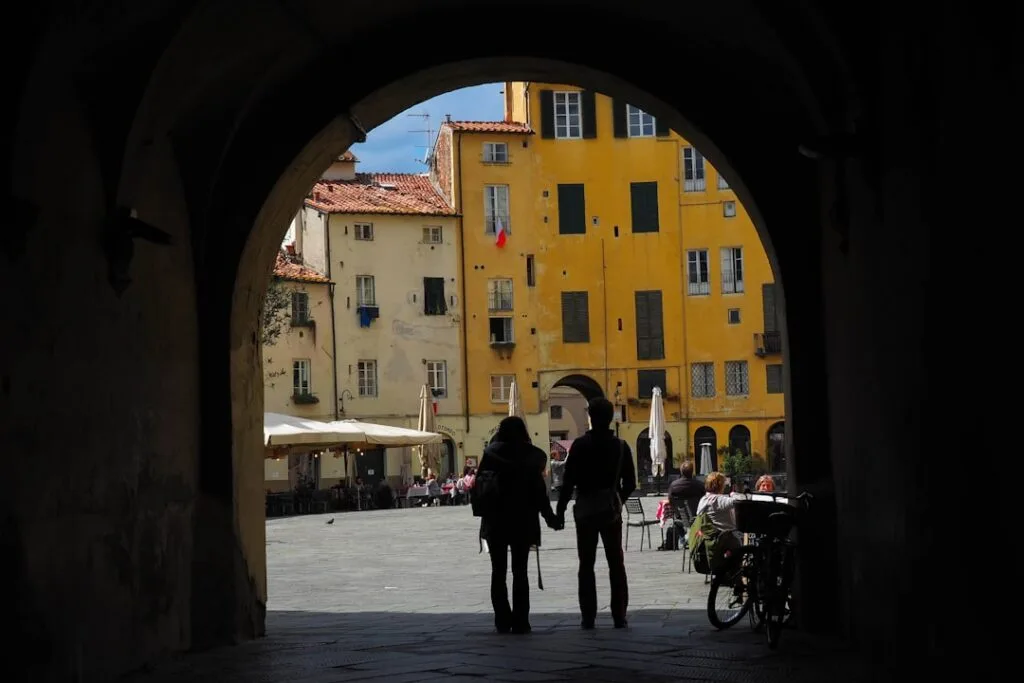
- For a day return trip, depart early from Florence to spend the morning in Lucca and enjoy a relaxed lunch on the Piazza dell’Anfiteatro.
 Click here to book a half-day in Lucca from Florence
Must-see sights in Florence and Lucca: addresses, prices and opening hours
Florence and Lucca are full of iconic places. Here’s a practical selection with exact addresses, approximate prices and typical opening hours—always double-check before you go as schedules can change with the season and holidays.
Florence
- Cattedrale di Santa Maria del Fiore (Duomo) — Piazza del Duomo, 50122 Firenze. Entry to the cathedral is often free, but visiting the whole complex (museum, baptistery and climbing the Duomo/dome) is paid. Combined ticket (Duomo + Dome + Baptistery + Museo dell’Opera del Duomo): around €20 to €25. Hours: 10:00–17:00 (varies by season). Climb the dome for panoramic views—book online to avoid queues.
- Galleria degli Uffizi — Piazzale degli Uffizi, 6, 50122 Firenze. Full-price ticket: about €20 to €25 depending on season. Hours: generally 08:15–18:30, closed on Mondays (check exact days). A must-see for Botticelli, Leonardo and Michelangelo. Reserve ahead to avoid long waits.
- Galleria dell’Accademia — Via Ricasoli, 58/60, 50122 Firenze. Full ticket: about €12 to €14. Hours: 08:15–18:50 (often closed Mondays). The number of visitors is limited at a time—book to see Michelangelo’s David without stress.
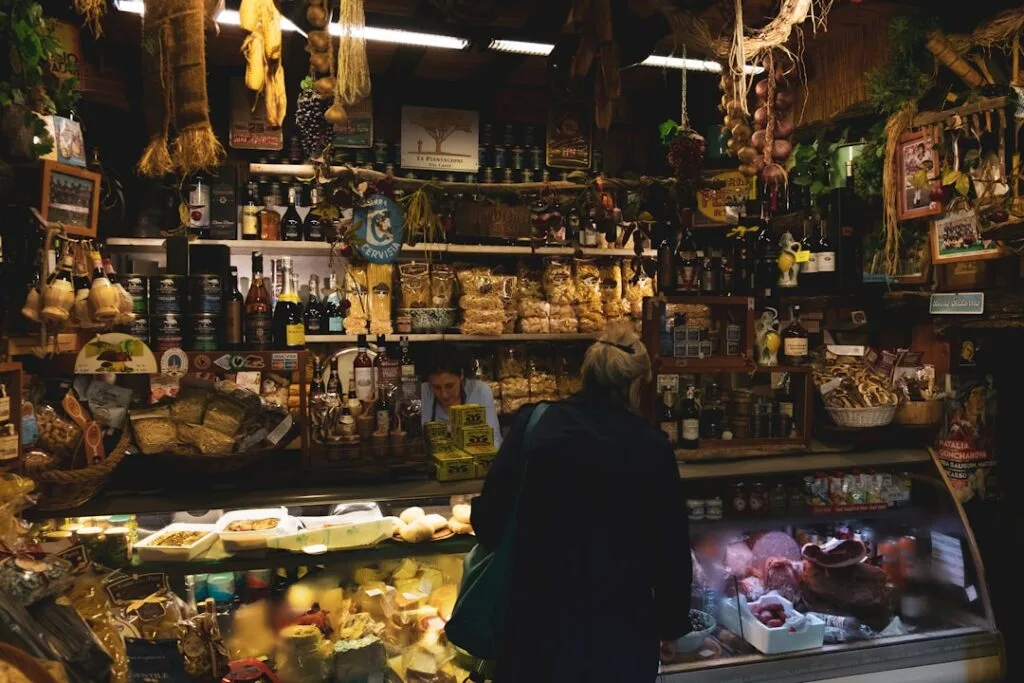
- Mercato Centrale Firenze — Piazza del Mercato Centrale, 50123 Firenze. Opening hours: 10:00–22:00 for the food court, with the fresh market area active earlier in the morning. Great spot for a schiacciata or inexpensive Tuscan pasta.

Lucca
Lucca is best explored on foot or by bike. Here are the places you shouldn’t miss:
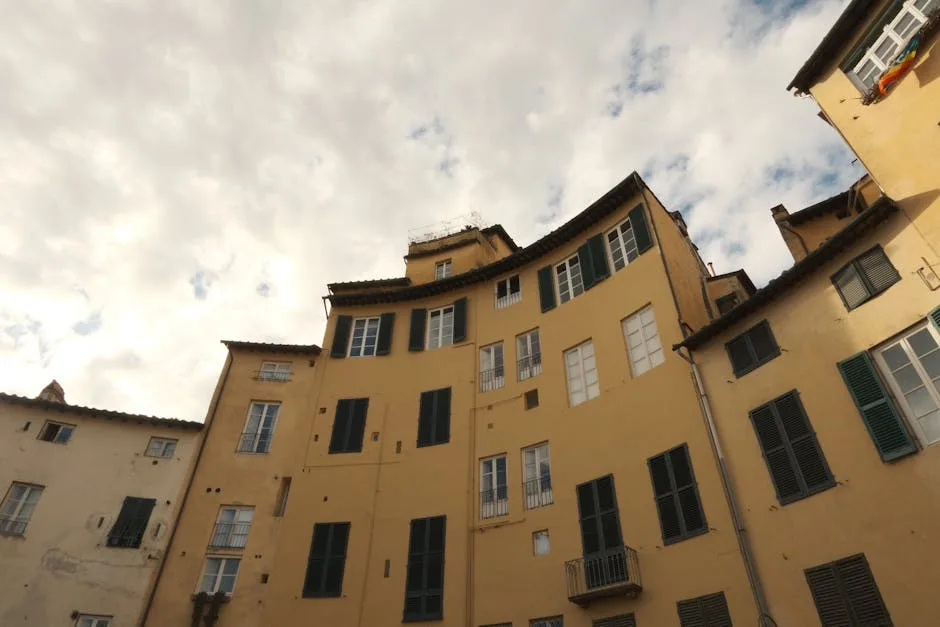
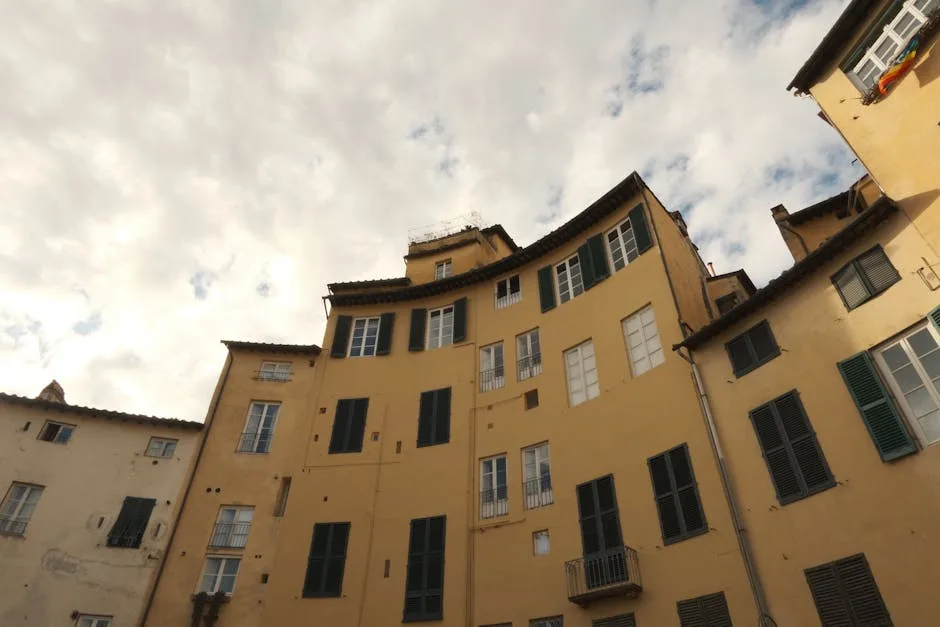
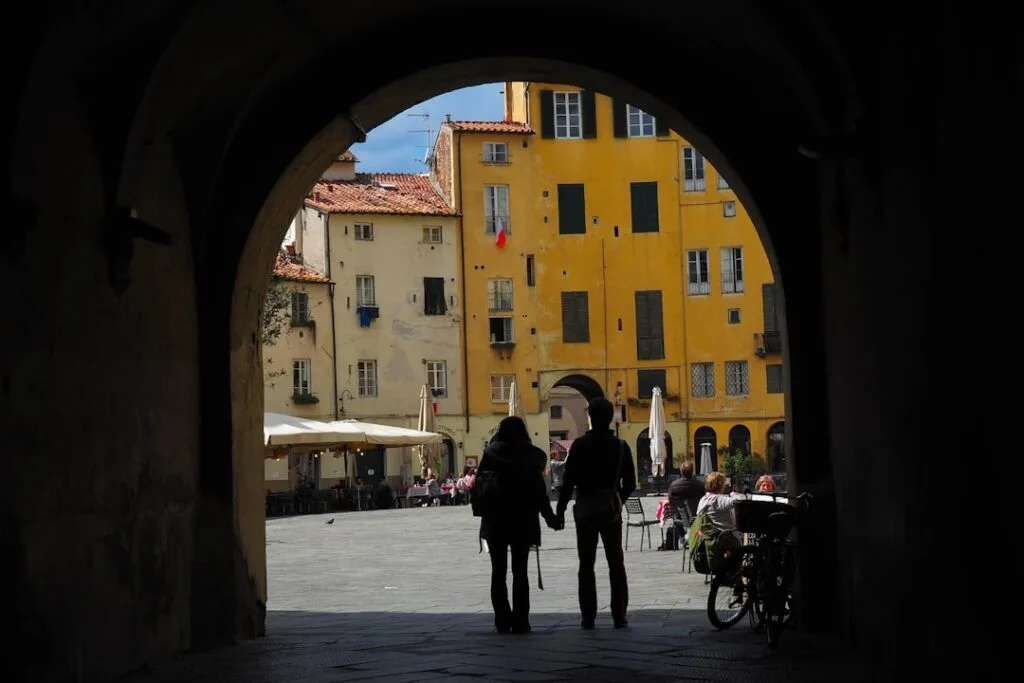
- Piazza dell’Anfiteatro — Piazza dell’Anfiteatro, 55100 Lucca LU. A former Roman amphitheater turned into an oval square lined with cafés and shops. Free to access, open all day. Great for a terrace coffee and people-watching.
- Torre Guinigi — Via Sant’Andrea, 11, 55100 Lucca LU. A unique medieval tower topped by a rooftop garden of holm oaks. Ticket: about €5–7. Hours: typically 09:00–19:00 (extended in summer). Climbing the steps offers an unobstructed view over Lucca’s roofs.
- Duomo di San Martino — Piazza San Martino, 1, 55100 Lucca LU. A Romanesque cathedral with a richly decorated interior and artworks. Museum and chapel can be charged separately: expect about €4–6. Hours: generally 10:00–17:30; services may limit visiting times.
- Palazzo Pfanner — Via degli Asili, 33, 55100 Lucca LU. Baroque garden and historic interiors. Ticket: about €5–6. Hours: often 09:30–18:00.
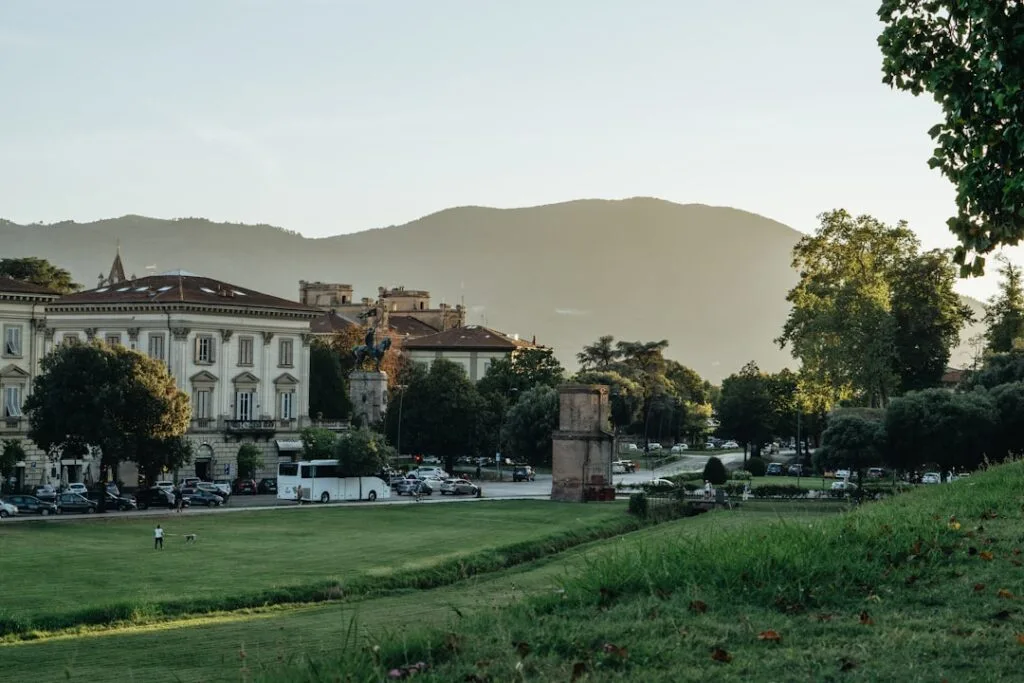
- Mura di Lucca (City Walls) — open at any hour, the stroll on the ramparts is free. The walls form an approximately 4 km tree-lined promenade ideal for jogging, cycling or a sunset walk.

Click here to discover Lucca’s center on a walking tour
Click here to rent an electric bike to explore Lucca
Practical tip: many sites offer discounts for youth, seniors and combined tickets. Look into local passes that may include multiple museums at a better rate.
Safety, ZTL and local services: practical advice for traveling light
Traveling light doesn’t mean ignoring safety or local regulations. Here are concrete rules and recommendations for Florence and Lucca.
ZTL (Zone a Traffico Limitato): many historic areas in Italy are ZTLs. In Florence and Lucca, license plates of unauthorized vehicles are photographed and fines are later sent to the rental company or owner. If you rent a car, ask explicitly how to access your accommodation without breaking the ZTL rules; hotels often provide a code or a limited access time slot.
Luggage security:
- In stations and tourist spots, always keep your belongings closed and close to you. Pickpockets target back pockets and poorly closed backpacks.
- Use an anti-theft pouch worn under clothing for your passport and cards while you’re in town.
- To leave a large bag, look for left-luggage services at Firenze Santa Maria Novella station — Piazza della Stazione, 50123 Firenze — or at Lucca station. Prices vary by size and duration (about €5–10 per day as a guideline).
Pharmacies and emergency: note local pharmacies (Farmacia); they usually open 08:30–13:00 and 15:30–19:30 on weekdays, with some on duty overnight. In an emergency, dial the European emergency number 112.
Opening hours and siesta: in summer some small shops close between 13:00 and 16:00 for pausa pranzo. Plan morning and late-afternoon visits if you want to avoid these closures.
Useful tip for buying locally: in tourist areas cafés often charge a « servizio » (table service) for terrace seating; it’s cheaper to stand at the bar for an espresso, or accept the table service if you want to sit and enjoy the view.
48-hour practical itinerary Florence–Lucca for traveling light
Here’s an optimized two-day itinerary designed to minimize luggage weight and maximize experiences. Ideal for those traveling with cabin luggage only.
Day 1 — Florence (morning and afternoon)
- Morning: start at the Cattedrale di Santa Maria del Fiore (Piazza del Duomo, 50122 Firenze) — arrive at opening time to beat the crowds. If you want to climb the dome, book in advance (expect ~€20–25).
- Mid-morning: head to the Galleria dell’Accademia (Via Ricasoli, 58/60, 50122 Firenze) to see the David (ticket ~€12–14).
- Lunch: Mercato Centrale (Piazza del Mercato Centrale) for budget-friendly local street food.
- Afternoon: stroll along the Arno and visit the Uffizi if time allows (ticket ~€20–25; hours 08:15–18:30, booking recommended).
Evening: light dinner, then prepare for an early departure to Lucca (book train tickets the night before). Stay centrally to save time.
Day 2 — Lucca (full day)
- Morning: train from Firenze Santa Maria Novella to Lucca (1 h 20–2 h). Arrive and grab a coffee on the Piazza dell’Anfiteatro.
- Visit: climb the Torre Guinigi (Via Sant’Andrea, 11 — ticket ~€5–7) for morning views. Walk the Mura di Lucca (free) and descend to the Duomo di San Martino (Piazza San Martino, 1 — museum ticket ~€4–6).
- Lunch: try a local trattoria for a farro soup or tordelli lucchesi.
- Afternoon: visit Palazzo Pfanner (Via degli Asili, 33 — ticket ~€5) and browse the artisan shops around the Anfiteatro.
Return: train back to Florence in the late afternoon or evening depending on your schedule. If you have energy left, grab one last espresso in Florence before heading to your accommodation.
Space- and money-saving tips
Concrete tricks to reduce luggage volume and avoid unnecessary expenses:
- Favor modular pieces: a jacket that’s both rainproof and smart for evenings saves you from packing an extra coat.
- Avoid heavy books: use e-books or download guide PDFs.
- Bring a quick laundry system (solid soap + clothesline) to reuse clothing and cut the number of items needed.
- Buy toiletries locally if you’re traveling by train or car—many hotels offer reasonably priced mini items.
- Book museum tickets online: it often saves time in queues and can sometimes save you a few euros.
Traveling light also makes you more flexible: it’s easier to change plans, enter a church, climb a tower and rent a bike on the Mura di Lucca. Less luggage reduces stress during checks, transfers and regional train journeys.
Conclusion
Traveling light between Florence and Lucca is an art anyone can master: it relies on thoughtful choices, well-designed luggage and practical knowledge of local constraints. By choosing a smart carry bag, comfortable shoes, multifunctional clothing and organizing with packing cubes, you turn a logistical burden into a travel advantage. You’ll be able to reach tower tops more easily, slip through cobbled alleys and enjoy a coffee on a historic square without the nuisance of a bulky bag.
The practical information provided here—exact addresses such as Cattedrale di Santa Maria del Fiore, Piazza del Duomo, 50122 Firenze, Galleria degli Uffizi, Piazzale degli Uffizi, 6, 50122 Firenze, Torre Guinigi, Via Sant’Andrea, 11, 55100 Lucca LU, and Duomo di San Martino, Piazza San Martino, 1, 55100 Lucca LU—helps you plan visits precisely. The price ranges (entrance fees €4–25 depending on the site) and general hours (museums often open in the morning until late afternoon, some closed on Mondays) let you optimize your schedule. Don’t forget: booking major sites like the Uffizi and the Accademia online minimizes queues and lets you enjoy each place more.
Finally, respect local rules—ZTLs, security advice, pausa pranzo schedules—to avoid unpleasant surprises. Enjoy the freedom a light bag gives you to capture the true essence of Tuscany: the golden evening light on Florence’s roofs, the silhouette of trees atop Torre Guinigi and the peaceful walk along Lucca’s walls. Light packing doesn’t mean sacrificing—it’s the key to more freedom, exploration and memorable moments. Safe travels and enjoy your discoveries between Firenze and Lucca!