






Introduction — Why take a day trip from Lucca
Lucca is one of Tuscany’s best-preserved gems: intact tree-lined city walls, narrow medieval streets, lively piazzas and an atmosphere made for wandering. Its location also makes Lucca a perfect base for day trips to a remarkably diverse range of places — from art cities and dramatic coastlines to thermal hills and rugged natural parks. Whether you’re into photography, food, history or simply craving fresh sea air or cool mountain forests, you can reach a wide variety of landscapes from Lucca in under two hours by car or train.
In this guide I’ve picked the ten best day trips from Lucca — chosen for how easy they are to reach, their cultural richness and their ability to deliver a full experience without an overnight stay. For each destination you’ll find practical details: exact addresses, approximate prices in euros, opening hours, an immersive description of what to expect and local tips to make the most of your day (best time to visit, where to eat, recommended transport, options for families or travelers with reduced mobility).
This article is for visitors who want to squeeze the most out of their stay in Lucca by combining the slow pleasures of local life with a variety of short escapes. You’ll find suggestions for different paces: a morning wandering an art town followed by lunch under an olive tree; a coastal trail that links fishing villages; or a wellness stop at a historic spa. The trips are designed to be doable in a single day, with travel time indications so you can plan to be back in Lucca for a relaxed evening.
Each entry includes concrete tips — for example how to avoid queues at busy monuments, which tickets to buy in advance, where to park or which train line to take from Lucca station (Via del Brennero 8, 55100 Lucca LU). I also note typical prices as a guideline (rates change with season and discounts) and usual opening hours so you’re not caught off guard. At the end you’ll find a conclusion summing up the essentials to help you choose the outing that best matches your mood and tempo.
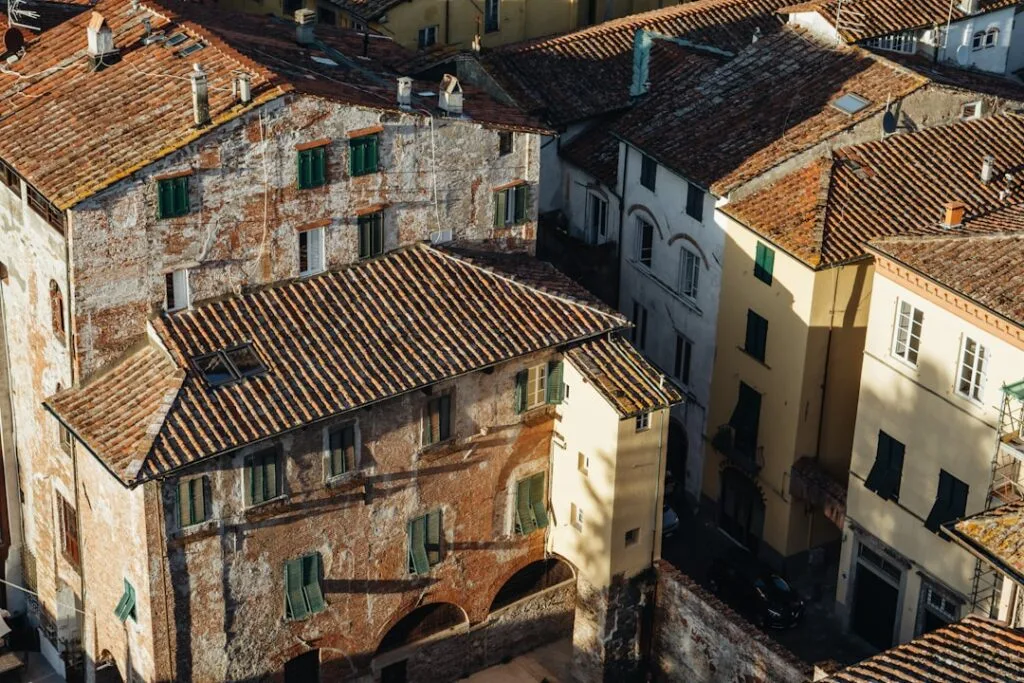
Pisa — The Leaning Tower and the Square of Miracles
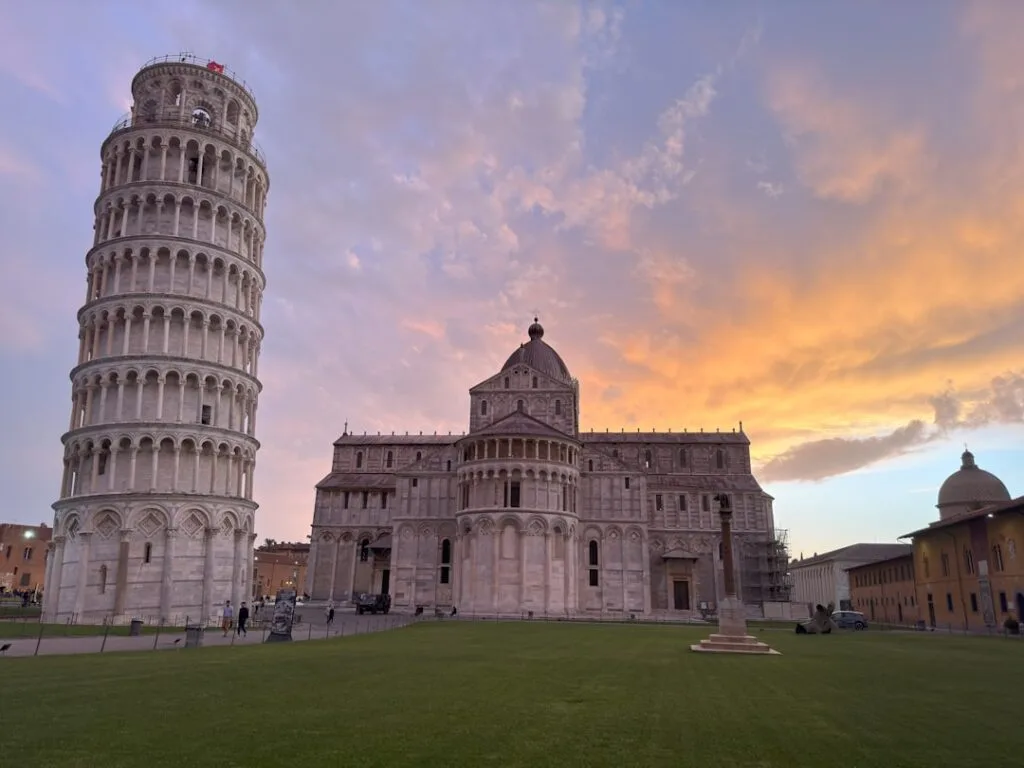
Pisa is one of the classic day trips from Lucca: it’s only about 20–30 minutes by car (roughly 25 km) or 25–40 minutes by train depending on connections. The must-see spot is the Piazza dei Miracoli (Square of Miracles), located at Piazza del Duomo, 56126 Pisa PI. Here you’ll find the Torre Pendente di Pisa (Leaning Tower of Pisa), the Duomo di Pisa (Cattedrale di Santa Maria Assunta), the Baptistero di San Giovanni and the Cimitero Monumentale (Camposanto Monumentale).
Climbing the Leaning Tower is a unique experience: there are 294 steps up to a panoramic view over the square and the city. Tower address: Piazza del Duomo, 56126 Pisa PI. Indicative price: around €27 to access the tower (rates vary by season and age). Opening hours: generally 9:00–20:00 in high season (May–Sept) and reduced in low season; you must book a timed slot online to climb. The Duomo is often free to enter or asks for a small contribution, while combined entry to the baptistery and the Camposanto is sold separately or as part of a pass (around €5–10 depending on options).
Practical tips: arrive early to beat the crowds and the summer heat; nearby parking (Parcheggio Via Cammeo or Parcheggio Via Paparelli) is paid and limited. Pisa Centrale station (Piazza Vittorio Emanuele II, 56125 Pisa PI) is a 20–25 minute walk from the Piazza dei Miracoli or one bus stop away. For photographers, early morning and late afternoon light bring out the best colors in the marble façades. In summer bring water and a hat — shade is scarce on the piazza.
 Click here to book a private tour of Pisa and Lucca
Cinque Terre — Coastal villages and scenic trails
The Cinque Terre, a UNESCO World Heritage site, make an excellent escape from Lucca if you love dramatic coastal scenery and cliffside villages. Expect about 1.5–2 hours by car (110–130 km depending on route) or around 2.5 hours combining train and shuttle (via La Spezia). The five villages to visit are Monterosso al Mare, Vernazza, Corniglia, Manarola and Riomaggiore.
Useful address: Parco Nazionale delle Cinque Terre, Via Fegina 1, 19016 Monterosso al Mare SP (main visitor office). Price: the Cinque Terre Card (train or trekking) costs about €7.50 for a day in low season and rises at busier times; the pass grants access to paid trails and unlimited regional train rides within the area. Opening hours: the villages are open year-round; trails may have varying opening hours and some sections can be closed for maintenance. The most famous route, the Sentiero Azzurro, offers stunning views but can be demanding on some stretches.
Immersive description: picture a little train dropping you off at Manarola in the morning sun, colorful façades mirrored in turquoise water, and fishermen’s terraces serving grilled fish and local pesto. Monterosso has sandy beaches for sunbathing, while Vernazza retains an authentic harbour square with the Chiesa di Santa Margherita d’Antiochia (Piazza Marconi, 19018 Vernazza SP). For an ideal day, hop the train between villages (fast and frequent), hike an easy panoramic stretch (e.g. Manarola to Corniglia if open), and finish with local focaccia or trofie pasta with pesto and a glass of Sciachetrà for dessert.
Practical tips: buy the Cinque Terre Card online or at the information office to avoid queues; bring sturdy walking shoes, water and a swimsuit if you plan to swim. In summer, start very early to avoid the heat and the crowds. If you drive, park in La Spezia and take the regional train between villages — parking in the Cinque Terre is extremely limited and often paid.
Click here to book a minibus trip to the Cinque Terre
Florence — Renaissance masterpieces and essential museums
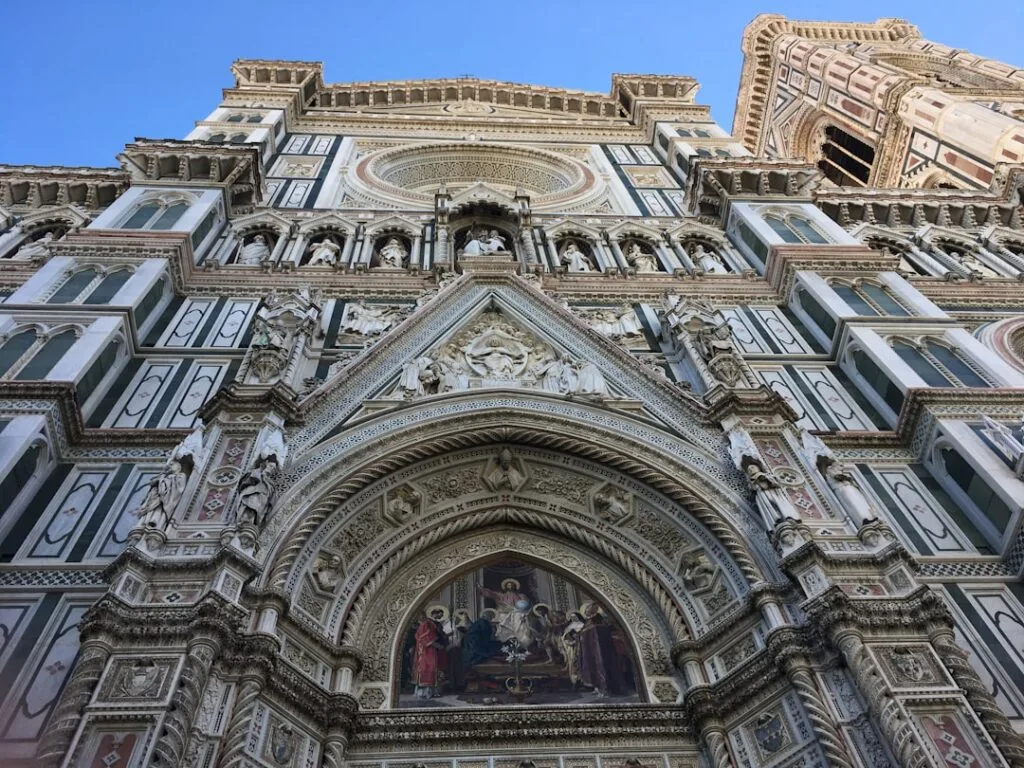
Florence is another classic day trip from Lucca: expect about 1.5 hours by car (85–100 km depending on the route) or 1 hour 20–1 hour 45 by train (to Firenze Santa Maria Novella, sometimes with a change). Major highlights: the Cattedrale di Santa Maria del Fiore (Florence Duomo), the Campanile di Giotto, the Battistero di San Giovanni, the Galleria degli Uffizi (Piazzale degli Uffizi, 6, 50122 Firenze FI) and the Galleria dell’Accademia (Via Ricasoli, 58/60, 50122 Firenze FI).
Indicative prices: visiting the dome (Cupola di Brunelleschi) and museums can be done with combined tickets around €20–30 for the Opera del Duomo pass or €20–25 for an Uffizi ticket if booked in advance (rates vary). Opening hours: most museums open between 8:15 and 9:00 and close between 17:00 and 19:00, but always check online. For example, the Galleria degli Uffizi is generally open 8:15–18:50 (closed Mondays in some seasons), and the Galleria dell’Accademia often opens 8:15–18:50 as well.
Immersive experience: wander across the Ponte Vecchio at sunrise, breathe in the scent of leather from the workshops, and admire the frescoes and sculptures that shaped Western art. To get the most from a day, reserve Uffizi or Accademia tickets in advance (save hours of waiting), focus on two or three major sites and leave time for a stroll up to the hills of Fiesole for panoramic city views. Don’t miss trying a bistecca alla fiorentina at a local trattoria — book ahead as the best places fill up fast.
Practical tips: take the earliest train you can to maximize your time in Florence. Park at Lucca station (Via del Brennero, 55100 Lucca LU) and travel by direct train or with a change at Pisa Centrale. If driving, use peripheral car parks like P1/P2 and avoid the restricted traffic zone (ZTL) to dodge fines. For families, the Uffizi often offers audio guides suitable for children.
Click here to book a Florence tour with Chianti tasting
Montecatini Terme — Thermal art‑deco relaxation
For a day focused on well‑being, Montecatini Terme is a perfect choice from Lucca: roughly 40–50 minutes by car (35–40 km) or about 1 hour by train. The thermal heart is Terme Tettuccio, address: Viale Verdi, 7, 51016 Montecatini Terme PT. The historic establishments offer thermal baths, spa circuits and leisurely walks through art‑nouveau parks.
Indicative prices: access to the baths varies by treatment; basic entry to the historic spa areas can start around €15–25, while treatment packages or massages range from €40 to €120 or more. Opening hours: most centers open around 9:00 and close between 18:00 and 20:00. The Tettuccio often allows visits to its historic spaces and scheduled therapies.
Atmosphere: picture a stroll beneath arcades, the scent of tended gardens, façades with colorful mosaics and elegant Belle Époque rooms — all punctuated by the relaxing ritual of a thermal bath. The town also has historic cafés and pastry shops where you can taste Tuscan treats. Montecatini has a funicular that climbs up to Montecatini Alto, a little medieval village ideal for lunch with a view and a leisurely post‑meal walk.
Practical tips: book treatments in advance, especially in high season. By train, use Montecatini Terme-Monsummano (Viale Giusti) or Montecatini Centro depending on the line; the station is close to the thermal district. For parking, many paid car parks surround the spa areas. You can combine a spa day with a visit to the surrounding countryside or local artisan shops.
Click here to book an e‑bike tour with wine tasting
Garfagnana (Barga and Castelnuovo di Garfagnana) — Mountains and traditions
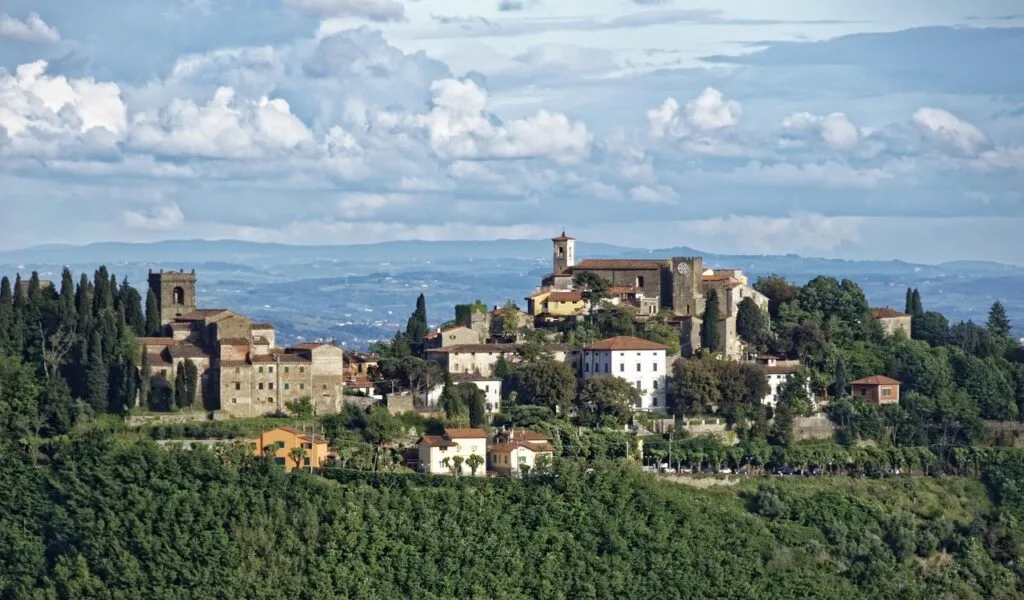
The Garfagnana, a mountainous region north of Lucca, is perfect if you want fresh air, medieval villages, castles and a less touristy side of Tuscany. Distance: about 40–60 minutes by car (30–50 km depending on your destination). Start in Barga (Cattedrale di San Cristoforo, Piazza Umberto I, 55051 Barga LU) then head to Castelnuovo di Garfagnana and the Rocca Ariostesca (Piazza Umberto I, 55041 Castelnuovo di Garfagnana LU).
Prices and hours: most churches and fortresses are free to enter or request a small donation; the Rocca Ariostesca may charge a modest entry fee (around €3–5) with opening hours that vary by season (often 9:00–18:00 in summer). The area is great for hiking and themed guided tours (food, olive oil, local cheeses).
Immersive experience: Barga is a medieval town with intact charm and a Romanesque cathedral overlooking the valley. Cobbled lanes lead to viewpoints with spectacular panoramas. Castelnuovo, with its fortress, tells the story of the valley’s defense between Tuscan and Ligurian powers. Taste mountain specialties: farro, sheep cheeses and local cured meats. Local markets offer farm produce and takeaway picnic baskets for a riverside lunch.
Practical tips: the roads into the Garfagnana are winding — drive carefully and a car gives you the most flexibility. In winter some mountain roads can be slippery — check the forecast and bring chains if needed. Wear hiking shoes, pack a windbreaker and bring a water bottle: villages are often elevated and walks include stairs and trails. Photographers will love the morning light in the valleys.
Conclusion — How to pick the perfect day trip from Lucca
Lucca’s strategic location makes it easy to explore Tuscany’s coastlines and mountains on day trips. The excursions covered here — Pisa, the Cinque Terre, Florence, Montecatini Terme and the Garfagnana — offer a full spectrum of experiences: iconic monuments, postcard coastlines, artistic treasures, spa relaxation and mountain villages. Each place has its own strengths: Pisa for the architectural icon, Cinque Terre for coastal scenery, Florence for art and history, Montecatini for relaxation, and the Garfagnana for rural authenticity.
When planning your perfect day, think about what matters most: do you want to see a lot quickly (Florence), or take your time with a hike and a seaside lunch (Cinque Terre)? Having a car gives you flexibility; by train, favor well‑served places like Pisa and Florence. Book tickets in advance for busy museums and monuments (Pisa and Florence) and buy local passes when available (Cinque Terre Card). Always carry water, snacks and appropriate shoes — many streets are cobbled or involve steps.
Finally, remember that the times and prices shown are indicative and can change with the season. Check official sites before you go to confirm opening hours and reserve spots. Whatever you choose, every day trip ends perfectly with a calm return to Lucca, where the city walls welcome you back for an Italian evening: an aperitivo on a terrace, a plate of fresh pasta and the soft Tuscan light over the rooftops. Safe travels and enjoy exploring from Lucca!